Tanzania safari for first timers: packing and trip planning
The smartest safari packing choice is often what you leave behind. A Tanzania safari for first timers is easier to plan when you pack light: internal flights on safari itineraries have luggage limits of 15-20 kilograms, including hand luggage. Choose practical layers and essentials, then let your travel dates and preferred pace shape the route.
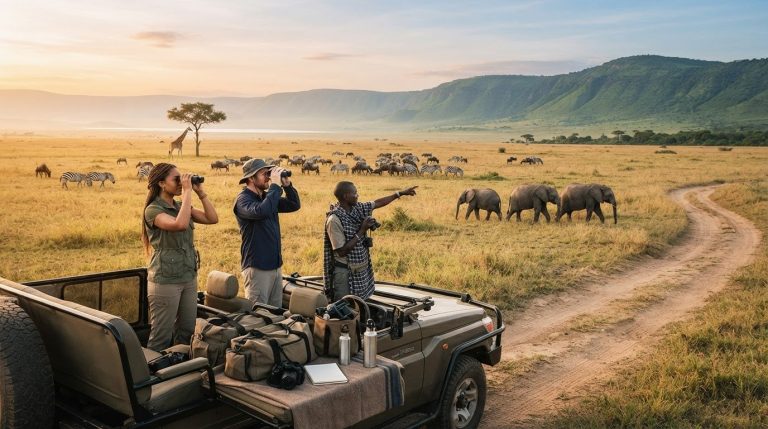
It’s natural to want to fit every famous landscape into one journey. But a memorable Tanzania safari for first timers isn’t measured by how many parks you rush through. It comes from choosing places that suit the experience you’re dreaming of, whether that means watching wildlife across the Serengeti, exploring the Ngorongoro Crater, or pairing the northern circuit with time on Zanzibar’s coast.
This guide covers what to pack, how the seasons can shape your visit, and which Tanzanian destinations make sense for a first safari. You’ll also find practical ways to combine parks and plan a journey with time to take in the changing light, open plains, and quieter moments between game drives.
Key Takeaways
- Shape your itinerary around the time you have and the pace you want, rather than trying to fit in every stop.
- Choose your travel season by the experience you value, from dry-season wildlife viewing to greener landscapes and migration movement.
- Build a practical packing list around changing conditions and the activities planned for each part of your trip.
- Compare destinations by their character and travel rhythm, then combine parks when the route leaves room to enjoy each one.
1. Is it possible to combine different destinations into one safari?
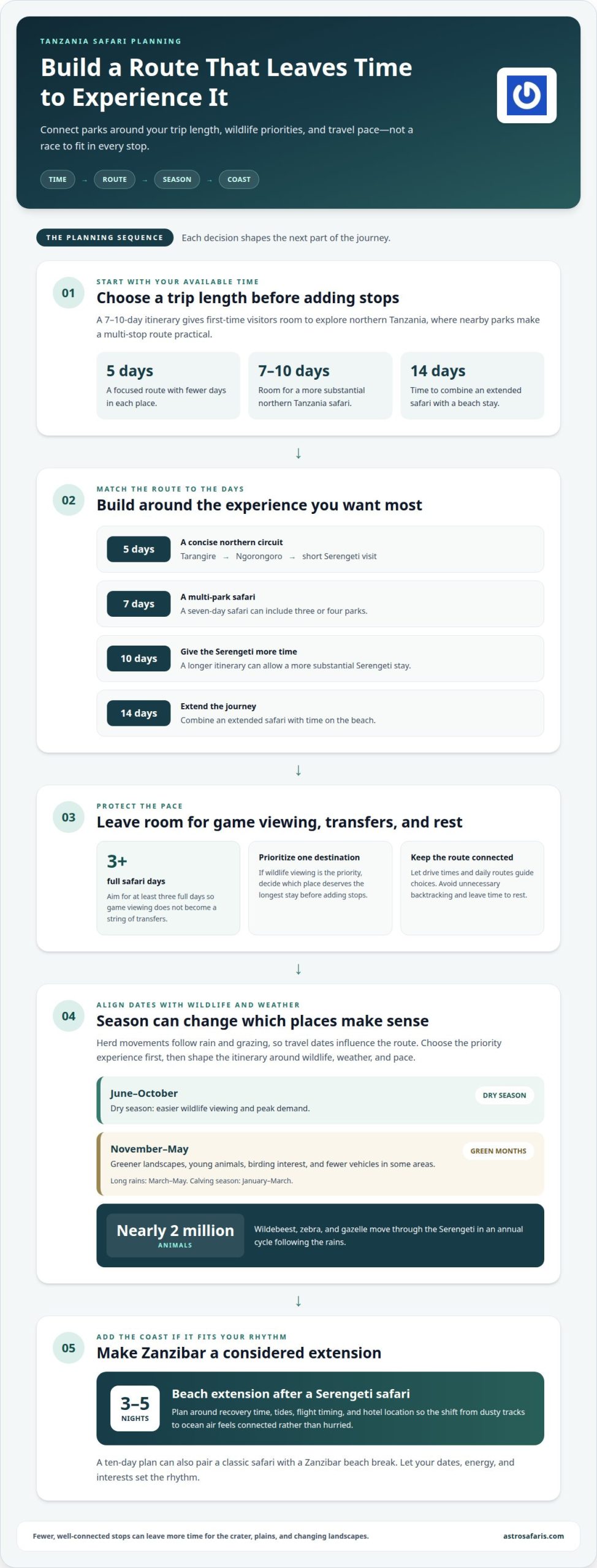
Yes. A single Tanzania safari can connect several destinations into one journey. A 7-10-day itinerary gives first-time visitors room to explore northern Tanzania, where nearby parks make a multi-stop route practical. A seven-day safari can include three or four parks. Aim for at least three full days on safari, so game viewing doesn’t become a string of transfers. Planning a Tanzania safari for first timers starts with choosing a pace, not collecting stops.
With five days, a focused route can combine Tarangire, Ngorongoro, and a short Serengeti visit. You’ll see contrasting landscapes, but spend less time in each place. If wildlife viewing is your priority, decide which destination deserves the longest stay before adding extra stops. Let travel time between parks and each day’s route guide your choice.
Seven days allows for a more substantial northern Tanzania route, while ten days can give the Serengeti more time. A fourteen-day itinerary can combine an extended safari with a beach stay. Shape the journey around your dates, energy, and interests rather than copying a fixed template. Avoid unnecessary backtracking and leave time for game drives and rest.
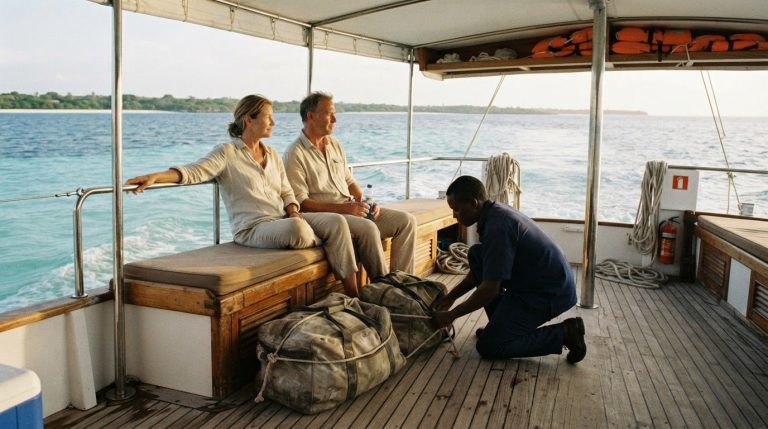
Zanzibar can add a change of rhythm after safari, from dusty tracks to ocean air. Consider 3-5 nights for a beach extension after a Serengeti safari. Plan around recovery time, tides, flight timing, and hotel location, so the transition feels connected rather than hurried. A ten-day plan can also pair a classic safari with a Zanzibar beach break.
Season and route matter if migration is part of your plans. Herd movements follow rain and grazing, so travel dates influence which places make sense. For a Tanzania safari for first timers, choose the priority experience first, then shape the route around wildlife, weather, and travel pace. Fewer well-connected stops can leave more time to absorb the crater, plains, and changing landscapes.
2. WHEN IS THE BEST TIME TO VISIT TANZANIA?
Choose your season according to the landscapes and wildlife experience you want. June to October is Tanzania’s dry season, with easier wildlife viewing and peak demand. The long rains run from March through May, while green months from November to May can bring lush scenery, young animals, birding interest, and fewer vehicles in some areas. According to UNESCO World Heritage Centre, nearly 2 million wildebeest, zebra, and gazelle move through the Serengeti in an annual cycle following the rains. Calving season runs from January to March, making a Ndutu wildebeest safari guide useful for planning migration-focused drives.
Plan your accommodation budget around season, lodge location, length of stay, and included services. Safari rates can be 20-40% lower during the green season, excluding the holiday period. Shared and private safaris also shape costs differently: a shared vehicle means traveling with other guests, while a private safari offers a dedicated vehicle and greater flexibility. Compare the itinerary, accommodation, transfers, and inclusions together rather than judging by the nightly rate alone.
Organize the entry documents required for your trip and keep copies accessible while you travel. Park rules protect wildlife and visitors: respect wildlife distance, stay on permitted tracks, avoid drones, manage waste responsibly, and ask permission before taking cultural photographs. On your first safari, you may see wildebeest, zebra, and gazelle, along with other wildlife whose presence varies by destination and season. Park and conservation fees depend on the parks and route, so account for them when comparing what each itinerary includes.
Review routine vaccinations and discuss destination-specific vaccines and malaria prevention with a travel-health clinician. Arrange travel insurance for medical care, evacuation, and trip disruption. On safari, follow your guide’s instructions around wildlife, and plan drives with road conditions and weather in mind. For a route that balances seasonal priorities with travel style, explore season-aware Tanzania safari planning.
3. WHAT TO PACK FOR TANZANIA SAFARI?
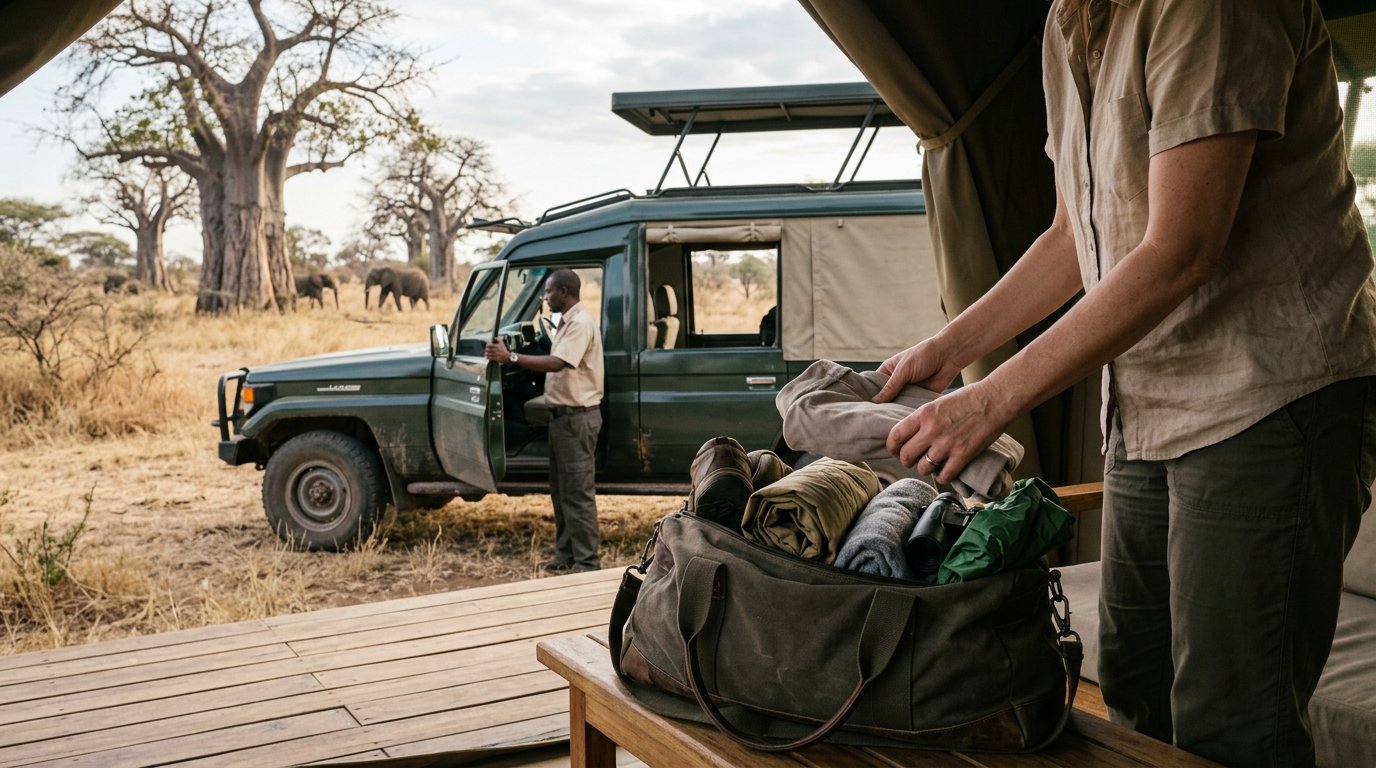
Pack for the route, not an imagined checklist. Internal flights on Tanzania safari itineraries have luggage limits of 15-20 kilograms, including hand luggage, so choose compact clothing and essentials. A soft-sided bag can be easier to manage than a rigid case. Keep items you’ll need during travel, such as medication and documents, accessible in your hand luggage. Leave space for the different layers you may want between cool mornings and warmer afternoons.
For a northern Tanzania itinerary, lightweight layers, comfortable walking shoes, sun protection, and a warm top for early drives are practical choices. Tarangire, Lake Manyara, Ngorongoro, and the Serengeti offer varied settings, from woodland and forest to crater landscapes and open plains. Choose versatile clothes that work across those destinations, then pack only what you’ll use between game drives. Neutral colors can blend into the landscape without adding bulk to your bag.
Your park combinations also shape what to pack. A route through Tarangire and Lake Manyara may have a different rhythm from longer stays in the Serengeti or Ngorongoro. Set out your daily essentials before booking, then separate them from items you’ll need only at camp. If your itinerary includes internal flights, check your packed luggage against the airline’s limit, including hand luggage, and remove duplicate outfits or bulky extras before departure.
Adding Zanzibar changes the packing plan. Keep safari clothing together, then set aside beachwear, sandals, and a lighter change of clothes for the coast. Allow 3-5 nights for a beach extension after a Serengeti safari, and plan your bag around the transfer and hotel rhythm. Consider flight timing and tides when organizing your days, so the transition from wildlife drives to the shore feels unhurried.
Before leaving, make a short checklist: travel documents, personal essentials, safari layers, and Zanzibar items if your route includes the island. Recheck the internal-flight luggage limit against your packed bag, including hand luggage. A thoughtful edit means less to carry between destinations and more room to settle into each landscape.
4. Choosing a safari destination in Tanzania
Choose a safari destination by the landscapes and wildlife experience you value most. Northern Tanzania suits a first route because Serengeti, Ngorongoro, Tarangire, and Lake Manyara can be combined. The northern circuit needs at least 3 days, while Serengeti deserves at least 3 days because of its vast scale. If wildlife viewing is your priority, give the Serengeti more time instead of adding stops just to extend the list.
For varied scenery, consider Tarangire, Serengeti, and Ngorongoro together. Tarangire adds a distinct park setting, with more than 500 recorded bird species. The Ngorongoro Crater in Tanzania covers 260 square kilometres, according to Ngorongoro Conservation Area Authority. This combination balances open plains and crater landscapes, while giving each destination room in the itinerary.
Your dates, energy, budget, and preferred travel style should shape the route. A national park visit can involve extended time in a vehicle, so consider how much driving and changing accommodation you want. A slower itinerary can protect time for wildlife viewing and rest. For a more remote adventure, the southern circuit requires 2 weeks or more, making it a better fit for travelers with longer holidays.
Think beyond wildlife, too. If beach time matters, Zanzibar offers an island contrast to the mainland’s safari landscapes. A safari and beach combination works best when transfers, flight timing, and recovery time suit the trip’s rhythm. If comfort is a priority, choose accommodation and travel arrangements to match your preferred pace, whether that means simpler camps or a luxury stay.
Make a short list of priorities before booking: wildlife, scenery, driving pace, comfort, and any island extension. Rank the top two, then build the route around them. Plan your Tanzania safari route around the places and pace you value most.
Astro Safaris and Tours: Tarangire and Lake Manyara National Park
Astro Safaris and Tours Ltd can shape a Tanzania safari for first timers around the landscapes you most want to experience. Choose Tarangire and Lake Manyara National Park for a northern route, or combine Tarangire, Lake Manyara and Ngorongoro Crater for varied scenery. If you’re drawn to the Serengeti, pair it with Ngorongoro.
Your travel dates, preferred pace, and wildlife priorities can guide your destination choices. Astro Safaris and Tours Ltd also offers the Ndutu & Ngorongoro Luxury Tour. Share the places you hope to see and the kind of journey you have in mind to shape a considered route without crowding in too many stops.
Contact Astro Safaris and Tours Ltd to discuss your Tanzania safari plans.
Let your safari take shape
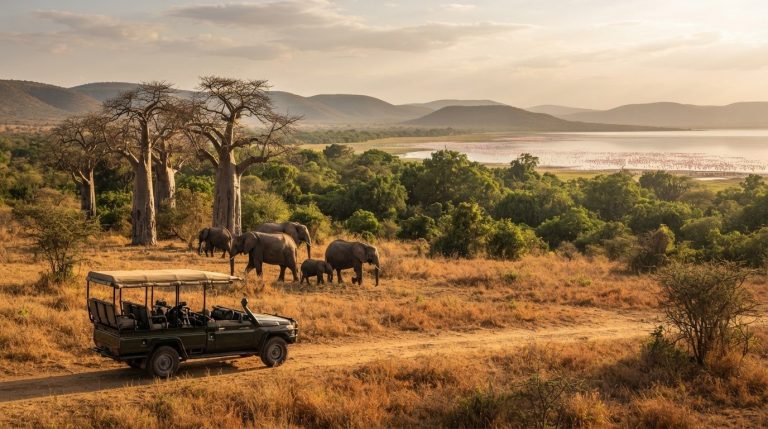
A Tanzania safari for first timers can begin with a simple choice: which landscape do you most want to remember? Picture the ancient baobabs of Tarangire, the wooded shores of Lake Manyara, or the wide Serengeti plains. Let that image guide your route, then consider how much variety and travel time feel right for your journey.
Astro Safaris and Tours offers routes featuring Tarangire and Lake Manyara National Park, Serengeti and Ngorongoro, or Tarangire, Lake Manyara and Ngorongoro Crater. These combinations offer different ways to experience Tanzania’s northern landscapes. Share the places that call to you and your preferred pace, then take the next step toward a safari shaped around your interests.
Contact Astro Safaris and Tours to explore a route that suits your plans. The open wilderness is waiting, and your own Tanzania story can begin with a thoughtful first choice.
Frequently Asked Questions
What should I pack for a Tanzania safari?
Pack binoculars, a camera, spare batteries, and a small day bag for items you want close during drives. A reusable water bottle and any personal medication can also be useful. Keep important documents in a separate, easy-to-reach pouch, and use packing cubes to separate clean clothes from dusty items after a day outdoors.
Where is Tanzania, and how do I get there?
Tanzania is in East Africa. Travelers from the United States generally reach the country by international air travel, then continue to their safari starting point by road or domestic flight, depending on the itinerary. Plan your arrival and onward journey together, allowing enough time between connections and your first scheduled drive.
How do I choose between a lodge, tented camp, or mobile camp?
A lodge usually offers a permanent building, while a tented camp combines canvas accommodation with a camp setting. A mobile camp relocates as its itinerary changes. Compare the options by location, privacy, facilities, and how they fit the day’s route. For example, a camp closer to planned wildlife viewing may reduce time spent traveling between accommodation and activities.
Do I need a reasonable level of fitness to go on safari?
A vehicle-based safari generally involves sitting during drives and getting in and out of the vehicle, rather than sustained physical activity. Your comfort with steps, uneven ground, and longer periods of sitting can shape which accommodation and activities suit you. If your itinerary includes walking, consider that activity separately and discuss any mobility needs when planning.
How long should I stay in Tanzania?
Plan your total stay around the experiences you want, not just the safari itself. A mainland wildlife itinerary needs time for travel between destinations, while adding Zanzibar means planning transfers and time on the coast. List your must-see places, include arrival and departure logistics, then decide whether a beach extension belongs in this trip or a later visit.
How many days do you need on safari?
The right safari length depends on how many destinations you want to visit and how much time you prefer in each. A shorter trip can focus on a compact route; a longer one can give the Serengeti or another priority destination more unhurried time. Count travel days separately from full days available for wildlife viewing to set a realistic pace.