Tanzania National Parks Tour for Wildlife and the Great Migration
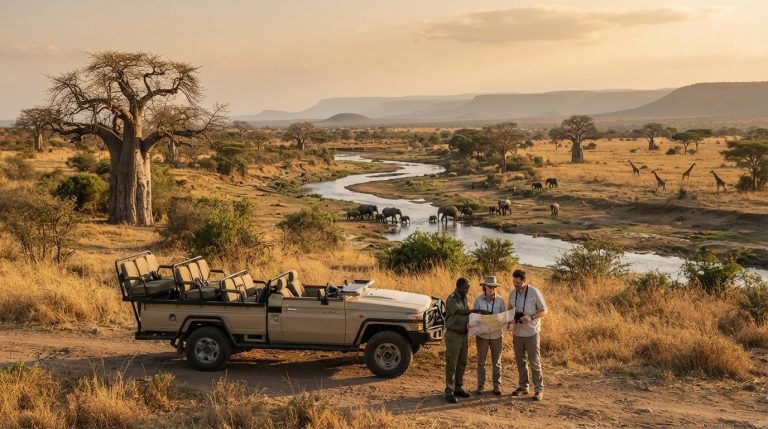
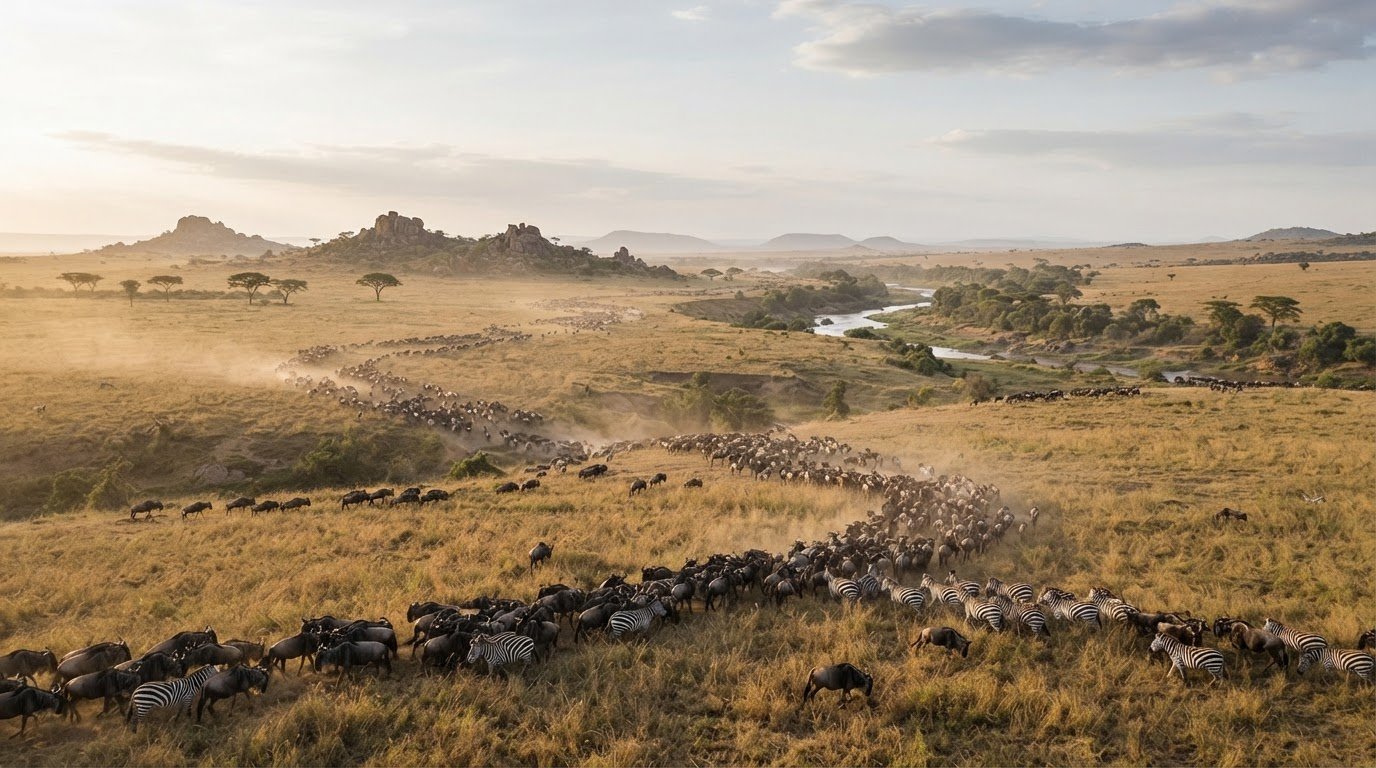
A Tanzania national parks tour can bring together the Serengeti, Ngorongoro Crater, Tarangire and Lake Manyara, with game drives tailored to each landscape and its wildlife. In the Serengeti, the Great Migration is a defining spectacle: more than two million wildebeest, zebra and gazelle move through the ecosystem, according to the Frankfurt Zoological Society. The journey is as much about experiencing varied landscapes as it is about seeing wildlife.
It’s natural to picture sweeping plains and dramatic animal encounters first. Yet Tanzania’s parks offer a richer rhythm: watch herds move across the Serengeti, explore the crater floor and notice the quieter details of a changing landscape. Your route and timing shape the feel of each day.
Discover the wildlife, safari regions and park experiences that can shape your journey, including how the Great Migration fits into a Serengeti visit. This guide explores the northern safari circuit, the character of its standout parks and practical choices for turning a collection of destinations into a seamless adventure.
Key Takeaways
- Compare the crater’s wildlife-rich floor with nearby habitats to shape a safari around the encounters and scenery you value most.
- Choose between Tanzania’s northern, southern and western regions by considering the landscapes and style of wildlife experience you want.
- Use the Great Migration’s seasonal movement to guide where you visit in the Serengeti, rather than treating it as a single fixed event.
- Balance game drives with other park experiences, then explore a route linking destinations such as Tarangire, Lake Manyara and Ngorongoro.
Ngorongoro Crater wildlife
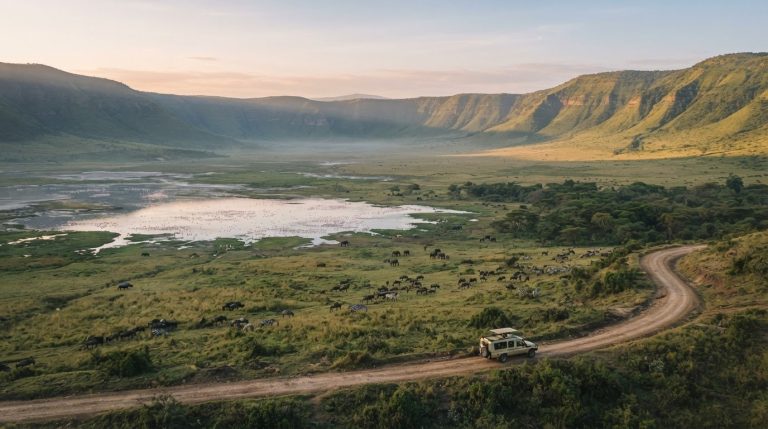
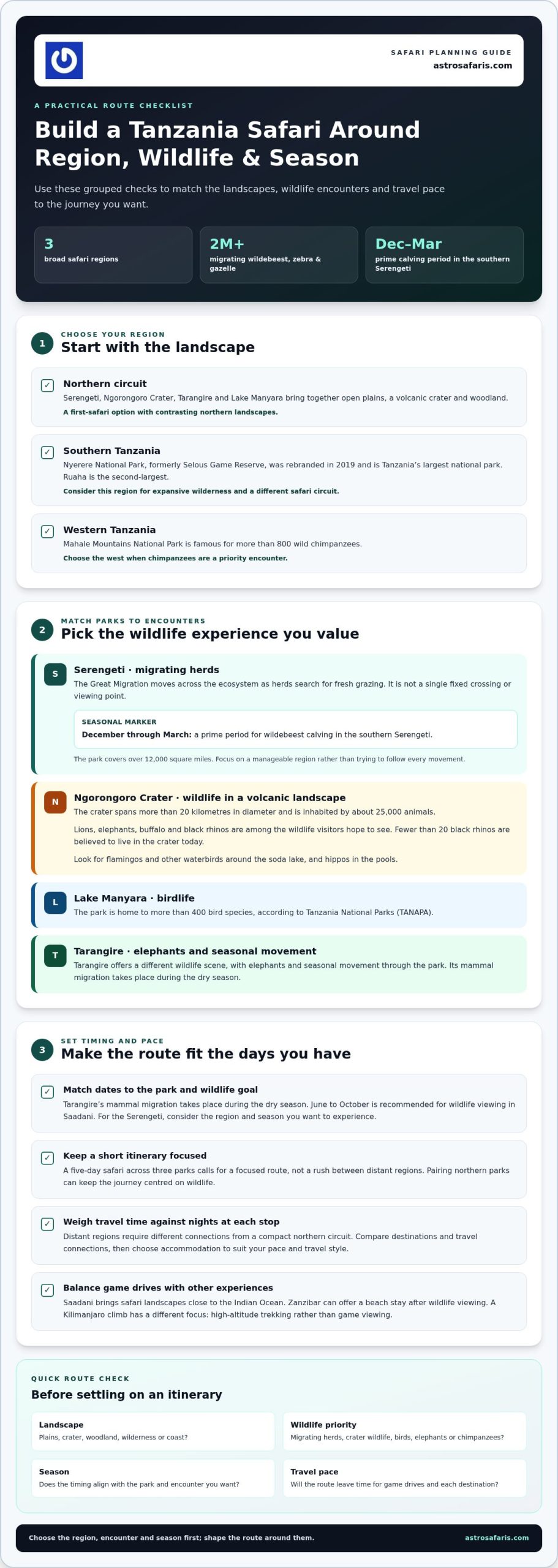
Ngorongoro Crater gathers striking wildlife into a vast volcanic landscape, where open plains, grassland and wetlands shape each game drive. The crater spans more than 20 kilometres in diameter and is inhabited by about 25,000 animals. Lions, elephants, buffalo and black rhinos are among the wildlife visitors hope to see. Fewer than 20 black rhinos are believed to live in the crater today, making each sighting especially memorable.
Look beyond the larger animals. Flamingos and other waterbirds can gather around the crater’s soda lake, while hippos inhabit its pools. A guide can help interpret tracks, calls and changes in animal behaviour, turning a drive into more than a checklist. Ngorongoro access and conservation charges are separate parts of planning a crater visit. The total depends on the destination and applicable visitor category, so there is no single fee that covers every national park and itinerary.
Birdwatchers can extend the experience to Lake Manyara National Park, home to more than 400 bird species according to Tanzania National Parks (TANAPA). Tarangire offers a different wildlife scene, with elephants and seasonal movement through the park. These habitats add variety to a route, from crater floor to woodland and lakeshore. A Kilimanjaro climb has a different focus, centred on high-altitude trekking rather than game viewing.
Wildlife management also forms part of the story. Tanzania National Parks received Wildlife Protection Recognition from the World Wide Fund for Nature in 2021, and Wildlife Protection Leadership recognition from IUCN Africa in 2022. Such acknowledgements bring conservation into view alongside the animals and landscapes.
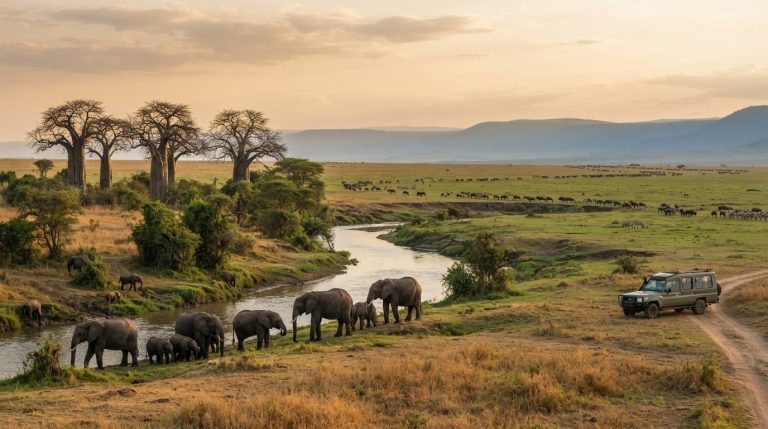
In the Serengeti, the Great Migration is a moving spectacle, not a fixed event. More than two million wildebeest, zebra and gazelle migrate across the ecosystem, according to the Frankfurt Zoological Society. December through March is a prime period for wildebeest calving in the southern Serengeti. Choose your season and region according to the wildlife experience you most want to see.
Tanzania’s northern, southern, and western safari regions
For a first safari, Serengeti, Ngorongoro Crater, Tarangire and Lake Manyara offer contrasting northern landscapes. Nyerere, Ruaha and the western parks suit trips focused on other regions and wildlife experiences.
Safari Region Options
The northern circuit links open plains, a volcanic crater and woodland, while southern Tanzania offers expansive wilderness. Nyerere National Park, formerly Selous Game Reserve, was rebranded in 2019 and is Tanzania’s largest national park. Ruaha is the second-largest. In the west, Mahale Mountains National Park is famous for more than 800 wild chimpanzees. Choose by landscape and the encounters that matter most.
Tour Itineraries
A five-day safari across three parks calls for a focused route, not a rush between distant regions. Pairing parks in the north can keep the journey centred on wildlife, with Lake Manyara or Tarangire complementing a crater visit. Southern and western circuits create a different adventure, so compare the destinations and travel connections before choosing an itinerary. A custom safari in Tanzania can help shape a route around those priorities.
Park Selection and Visit Timing
The right parks depend on the experience you want: the Serengeti for migrating herds, Ngorongoro for crater wildlife, or Mahale for chimpanzees. The best time for a Tanzania safari also varies by region and wildlife goal. Tarangire’s mammal migration during the dry season, while June to October is recommended for wildlife viewing in Saadani. Match your dates to the park, not just the calendar.
For a coastal journey, Saadani brings safari landscapes close to the Indian Ocean, while Zanzibar offers a beach stay after wildlife viewing. Park choice also shapes transport and accommodation plans: travelling between distant regions requires different connections from following a compact northern circuit. Weigh travel time against the nights available at each stop, then choose accommodation to suit your pace and travel style.
Serengeti and the Great Migration
The Serengeti’s immense plains make wildlife viewing a journey through changing habitats. Understanding how the herds move can help you plan a more thoughtful visit.
Wildebeest Migration
The annual migration follows the movement of wildebeest, zebra and gazelle across the Serengeti ecosystem. Herds travel in search of fresh grazing, so their location shifts with seasonal conditions. Rather than treating the migration as a single crossing or fixed viewing point, plan around the region and season you want to experience. A guide can adapt game drives to current wildlife movements and the surrounding plains.
Serengeti National Park covers over 12,000 square miles, giving the migration room to unfold across varied landscapes. Its name means “endless plain,” a fitting description of the horizon stretching beyond the vehicle. The scale also matters for planning: a wildlife encounter in one area may involve a different landscape and journey from another. Focus your itinerary on a manageable region instead of trying to follow every movement.
Serengeti Tour Options
A Serengeti tour can focus on migration viewing, broader wildlife encounters or a combination of both. For a shorter itinerary, choose one area and allow time for game drives instead of crossing the entire park. Longer routes can link the Serengeti with other northern destinations, balancing plains wildlife with different habitats and scenery.
Season is one planning consideration, but so are travel pace and personal interests. Some visitors want to follow the herds; others prefer varied wildlife viewing, photography, or time to absorb the landscape. Discussing these priorities helps determine where to stay and which areas to explore. Arusha can serve as a starting point for planning a northern Tanzania adventure, while the route itself can leave room for local culture and conservation context.
Serengeti National Park is part of a wider conservation landscape, where protecting wildlife and habitat helps sustain the migration. Choose a tour that respects park rules and gives wildlife space. A rewarding journey is not simply about reaching a sighting: notice how the season, plains and animals shape each day.
Tourism experiences in Tanzania’s national parks
A wildlife safari in Tanzania can include more than game drives. Saadani National Park pairs wildlife viewing with boat trips, bush walks and village tours, while Lake Natron offers a striking flamingo landscape. Match activities to your interests, destination and available time.
Saadani can be visited year-round, with June to October recommended for wildlife viewing. Along the Wami River, hippos, crocodiles and birds add another dimension to a park visit. At Lake Natron, more than two million lesser flamingos use the lake as a breeding ground. These destinations show how East Africa’s landscapes offer experiences beyond searching for large animals.
For safety, follow park and guide instructions, keep a respectful distance from wildlife and stay within designated areas during activities. Before travelling, discuss destination-specific health precautions and personal needs with a travel-health professional. They can account for your itinerary and health history, including relevant vaccinations, medicines and ways to prepare for local conditions.
Choose activities to suit your pace. A game drive focuses on finding wildlife across broad landscapes; a boat trip on the Wami River shifts attention to waterbirds and river animals. A village tour offers a different perspective from time spent observing elephants and other wildlife. Confirm the activity order in your itinerary and allow time to travel between destinations.
Accommodation and transport shape each park experience. Staying near your chosen wildlife area can make early departures more practical, while longer journeys between parks call for thoughtful pacing. On a five-day safari, prioritizing a few compatible destinations leaves more time to enjoy each landscape. Consider combining game drives with a distinct activity, such as a Saadani boat trip, rather than trying to fit everything into one journey.
To shape a route around wildlife viewing, landscapes and activities, plan a Tanzania safari itinerary that reflects the experiences you value most.
Astro Safaris and Tours: Tarangire and Lake Manyara National Park
Astro Safaris and Tours Ltd can shape a safari around the landscapes and wildlife experiences you want to prioritize. Its Tarangire and Lake Manyara National Park itinerary suits travelers drawn to elephants, birdlife and contrasting scenery. The Tarangire, Lake Manyara and Ngorongoro Crater option brings three distinct destinations into one route.
For a Serengeti journey, the Serengeti and Ngorongoro option combines open plains with the crater’s wildlife-rich setting. Travelers seeking a more focused seasonal route can explore the Ndutu & Ngorongoro Luxury Tour. Consider which parks matter most, how much time you want to spend in each and whether a broader circuit or a targeted wildlife experience best fits your plans.
Contact Astro Safaris and Tours Ltd to discuss a route that reflects your interests.
Shape Your Safari Around the Moments That Matter
Let the wildlife you most want to encounter, your preferred pace and the landscapes that appeal to you guide your route. A Tanzania national parks tour feels more personal when you decide what deserves time instead of trying to fit every destination into one journey. A slower itinerary leaves room to linger over a memorable sighting and absorb the changing scenery between parks.
Astro Safaris and Tours offers Tarangire and Lake Manyara National Park, Serengeti and Ngorongoro, and Tarangire, Lake Manyara and Ngorongoro Crater itineraries. These options are a starting point for shaping your safari around the places you most want to experience.
Share your travel priorities and explore an itinerary that feels right for you. Contact Astro Safaris and Tours to begin planning, and look forward to a journey shaped by Tanzania’s open wilderness.
Frequently Asked Questions
How many days are needed for a Tanzania national parks tour?
Five days can accommodate a focused three-park safari, with the route determining how much time remains for game drives. Astro Safaris and Tours also offers a Tarangire, Lake Manyara and Ngorongoro Crater itinerary listed as 4 Days / 3 Nights. Adding a day can allow a gentler pace between destinations. Choose the duration around your priorities, rather than trying to include distant parks in a short trip.
What are the best Tanzania safari itineraries for Serengeti, Ngorongoro, and Tarangire?
A northern circuit combining Tarangire, the Serengeti and Ngorongoro brings three distinct settings into one journey. For a shorter route focused on Tarangire and the crater region, Lake Manyara completes a compact park combination. Astro Safaris and Tours offers both a Serengeti and Ngorongoro itinerary and a separate Tarangire, Lake Manyara and Ngorongoro Crater option. Choose according to whether the Serengeti or a tighter northern circuit matters most.
How do you book a Tanzania national parks tour with a reputable operator?
Start by matching the itinerary to your dates, preferred pace and safari style, then review what the package covers. Astro Safaris and Tours offers guided private and group safaris, along with tailor-made itineraries. Share the parks you want to visit and your travel preferences so the proposed route can reflect them. Read the itinerary carefully, including its accommodation and transport arrangements, before confirming your plans.
What are the rules and permits for visiting Tanzania national parks?
Park visits require following applicable entry conditions and park rules, and guided safari packages include park permits. Follow your guide’s instructions and park directions during visits. Before departure, review which parks are included and how permit arrangements fit into your trip. This helps clarify what is organized for your route and distinguish park access from optional activities or accommodation.
What wildlife can you see in Tanzania’s national parks, and where?
Wildlife varies by habitat and region. Tarangire is known for elephants and seasonal mammal movement, while Ngorongoro’s crater supports lions, buffalo and black rhinos. The Serengeti is home to wildebeest, zebra and gazelle associated with the Great Migration. Lake Manyara adds rich birdlife, while Mahale Mountains National Park is known for wild chimpanzees. Choose parks based on the species and landscapes that interest you most.
How do you travel between Tanzania’s national parks, and should you choose a private or group safari?
Travel between parks is planned as part of the route, with vehicle and lodging arrangements shaped around your chosen destinations. A private safari suits travelers who value a more personalized itinerary; a group safari offers another guided option. Astro Safaris and Tours provides both styles. Consider your preferred pace, accommodation needs and desired flexibility before choosing.