

Based on Tripadvisor reviews

Based on Tripadvisor reviews
Based on Tripadvisor reviews

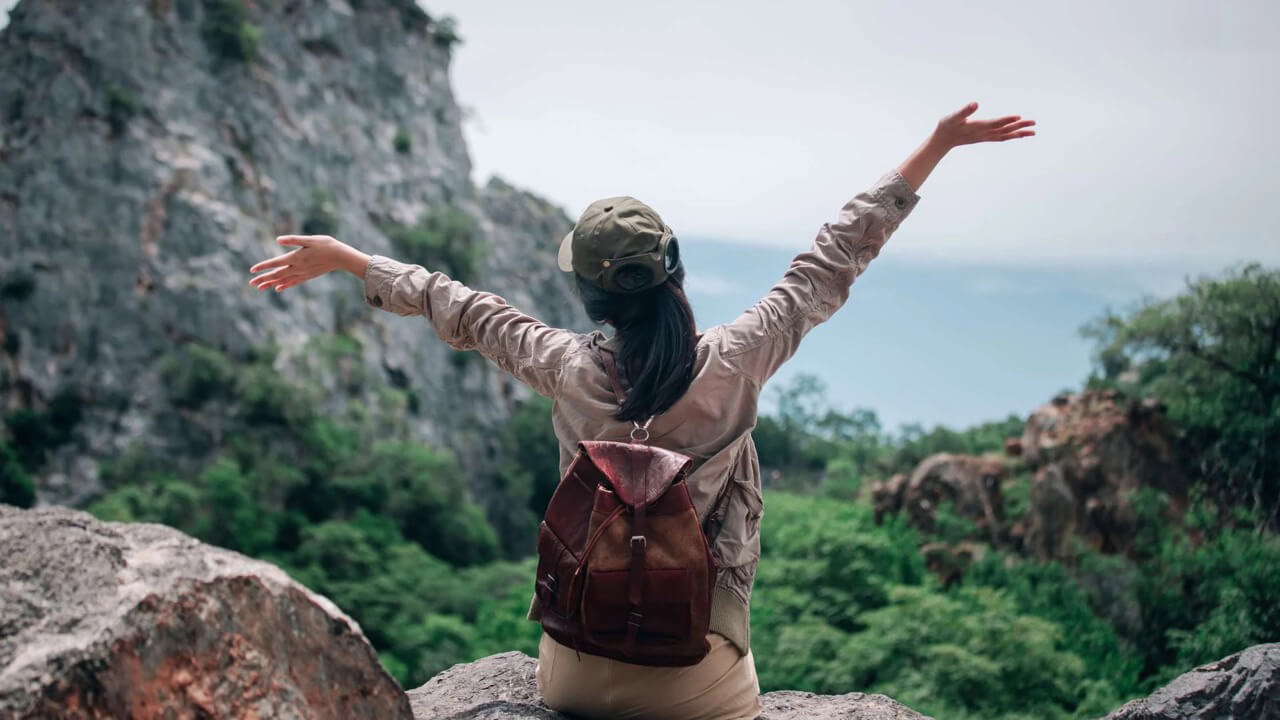


Planning a Tanzania safari is an exciting process, but it can also feel overwhelming if you are visiting Africa for the first time. With so many national parks, wildlife experiences, seasons, and accommodation options, knowing where to start is essential. A well-planned safari transforms your journey from a simple wildlife trip into a seamless and unforgettable experience shaped by timing, location, and expert guidance.
This guide walks you step by step through how to plan the perfect Tanzania safari. Drawing on local knowledge and real safari experience, Astro Safaris shares practical advice on choosing the best parks, understanding the best time to travel, and applying safari tips that help you get the most from every day in the wild.
Why Tanzania Is Ideal for a First or Return Safari
Tanzania is one of Africa’s most complete safari destinations. It offers vast protected areas, excellent wildlife density, and a long tradition of conservation. Unlike smaller safari regions, Tanzania allows animals to move freely across ecosystems, creating natural wildlife behavior and authentic safari encounters.
Another advantage of Tanzania is variety. Travelers can experience classic savannah safaris, volcanic landscapes, river ecosystems, cultural encounters, mountain trekking, and tropical beaches within one country. This flexibility makes Tanzania suitable for first-time safari travelers as well as those returning for deeper exploration.
Choosing the Best National Parks for Your Safari
Selecting the right national parks is the foundation of a successful Tanzania safari. Each park offers a different landscape, wildlife focus, and overall atmosphere.
Serengeti National Park
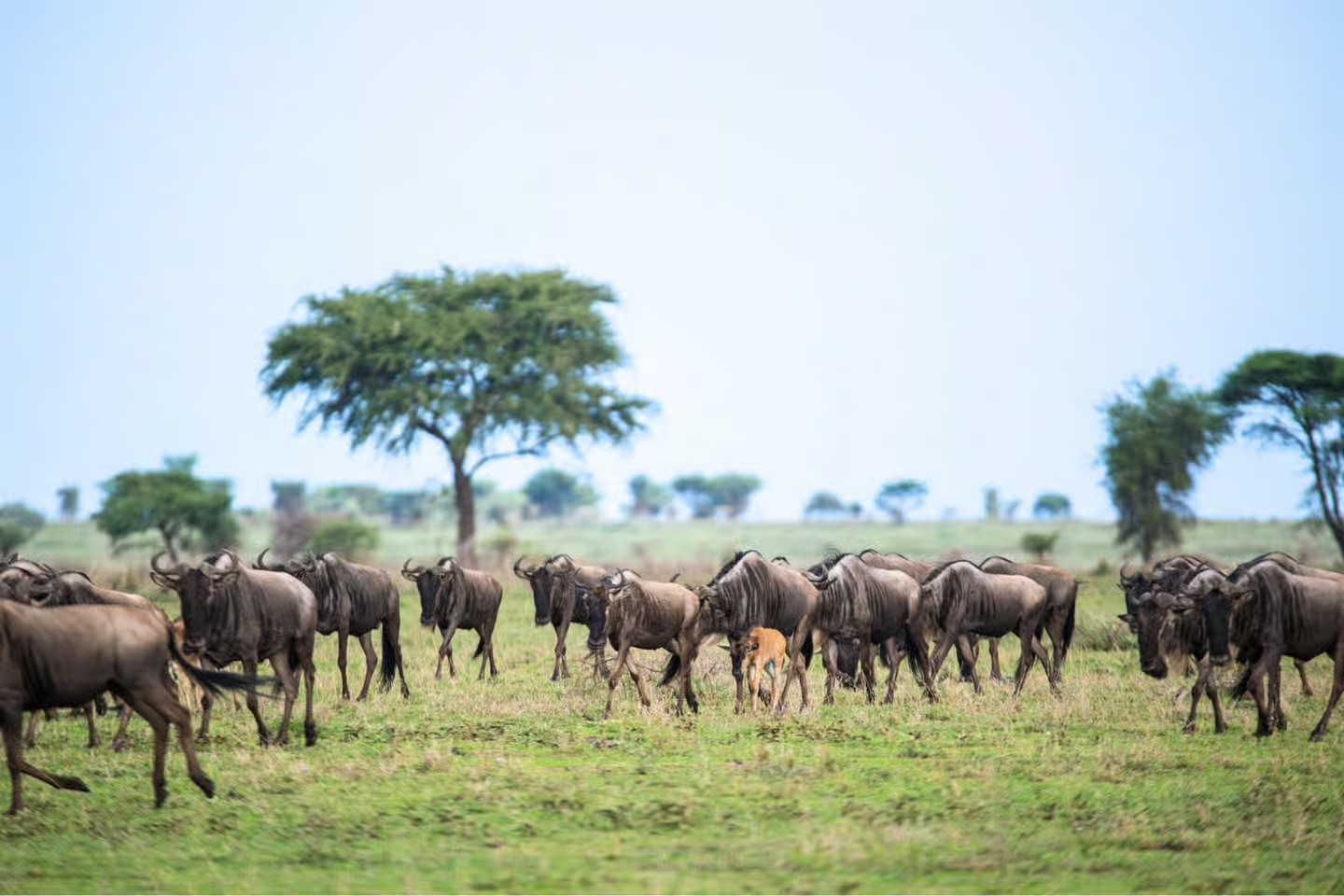
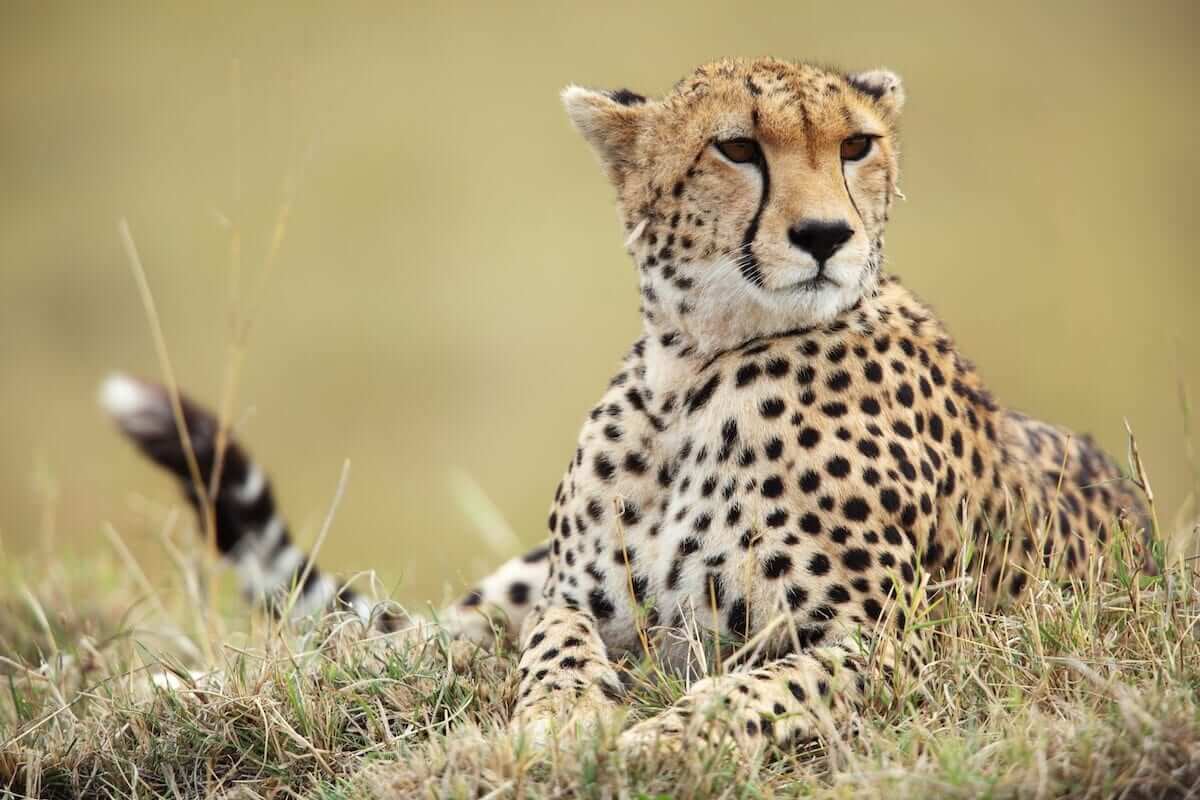
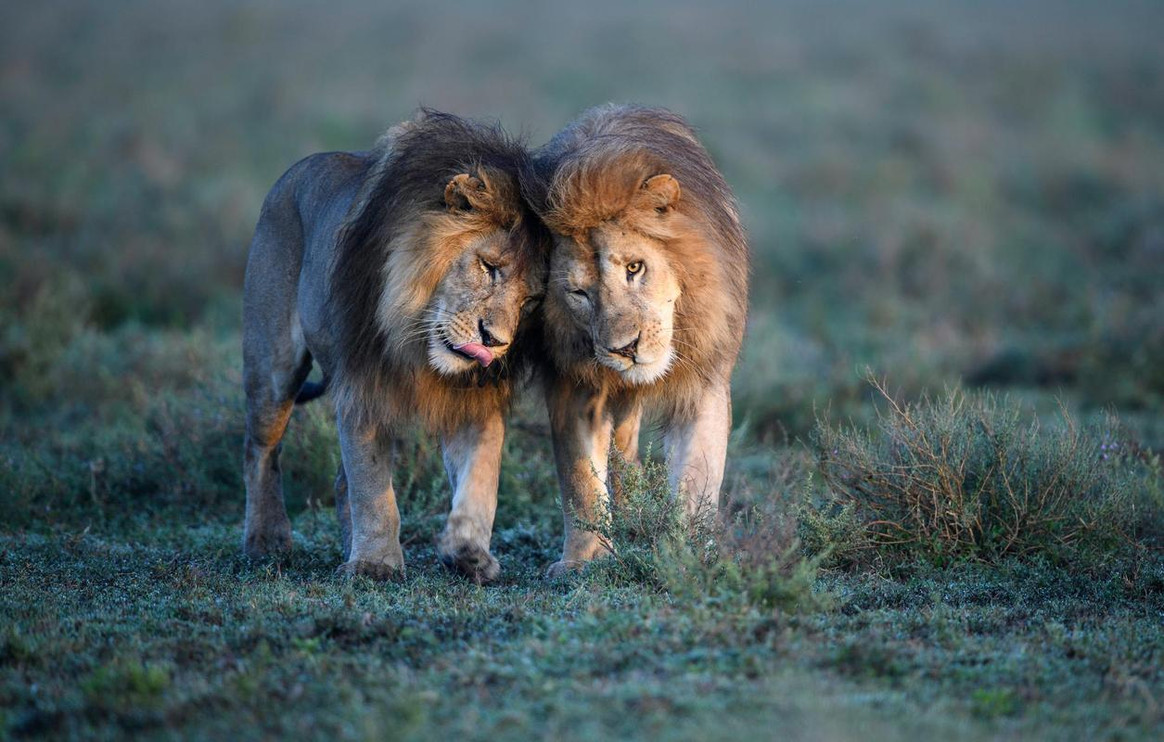
Serengeti National Park is the most iconic safari destination in Tanzania and a key highlight for many travelers. Its vast plains support large populations of predators and herbivores throughout the year. The Serengeti is also home to the Great Wildebeest Migration, making it ideal for travelers interested in dramatic wildlife movement and predator action.
Because of its size, the Serengeti offers diverse safari experiences depending on the season and region. Careful planning ensures you visit the right area at the right time rather than simply passing through.
Ngorongoro Crater
Ngorongoro Crater is one of the best places in Africa to see a high concentration of wildlife in a short time. The crater’s permanent water sources support animals year-round, giving visitors an excellent chance to see the Big Five during a single game drive.
The surrounding Ngorongoro Conservation Area also offers cultural depth, where Maasai communities live alongside wildlife, adding a meaningful human element to the safari experience.
Tarangire National Park
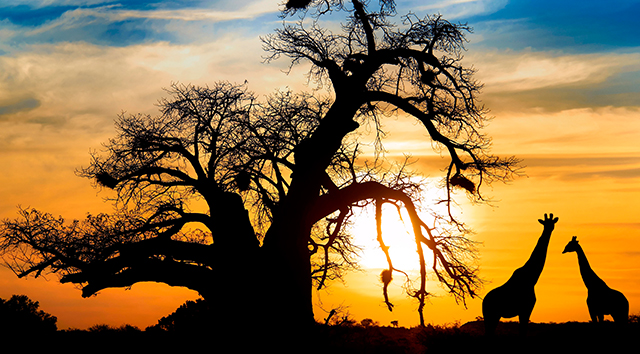
Tarangire National Park is known for its large elephant herds, dramatic baobab trees, and strong wildlife viewing during the dry season. While often less crowded than the Serengeti, Tarangire delivers outstanding game viewing and is ideal for travelers seeking quieter parks with rich scenery.
Lake Manyara National Park
Lake Manyara National Park is smaller but extremely scenic. Its diverse habitats include forest, grassland, and lakeshore environments. The park is famous for tree-climbing lions, large baboon troops, and abundant birdlife, making it an excellent addition to northern safari itineraries.
Understanding the Best Time to Visit Tanzania for Safari
Tanzania is a year-round safari destination, but timing plays a major role in shaping your experience. Understanding seasonal patterns helps travelers plan more effectively.
Dry Season (June to October)
The dry season is considered the best time for general wildlife viewing. Animals concentrate around rivers and water sources, and vegetation is thinner, making sightings easier. This period is also popular for the Great Wildebeest Migration in the northern Serengeti, particularly during river crossings.
Green Season (November to May)
The green season offers lush landscapes, fewer tourists, and excellent birdwatching opportunities. Calving season in the southern Serengeti usually occurs between January and March, creating intense predator-prey interactions. This season is especially attractive for photographers who appreciate dramatic skies and vibrant scenery.
Matching Safari Timing With Wildlife Interests
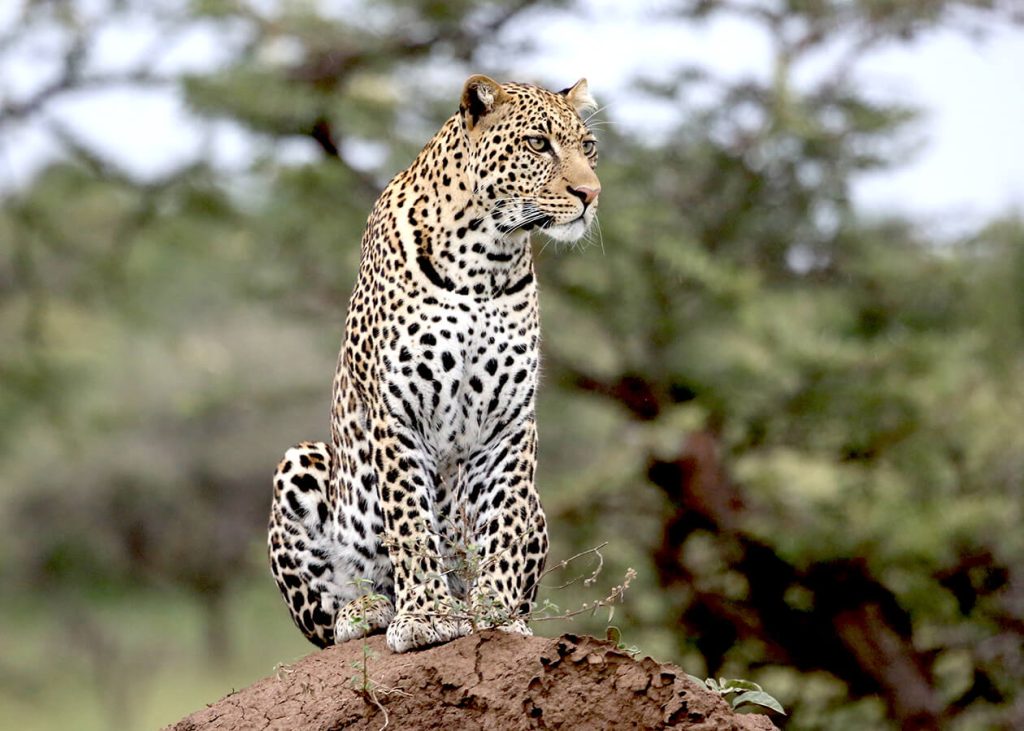
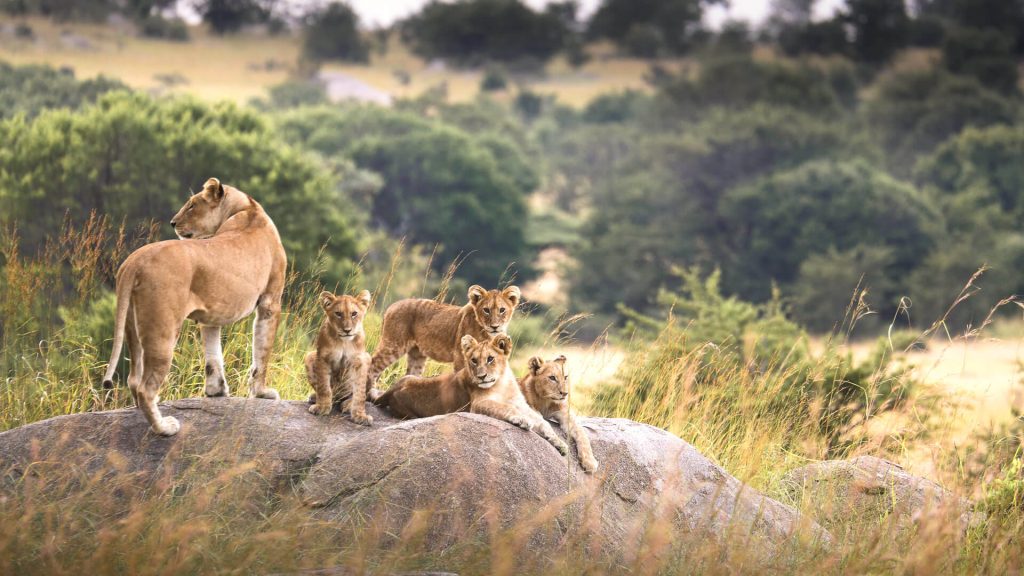
One of the most important planning steps is aligning your travel dates with your wildlife priorities. Travelers interested in the Great Migration should plan carefully around migration routes rather than focusing on a single month. Those focused on predator sightings may benefit from spending more time in areas with established lion territories, while birdwatchers may prefer the green season.
Astro Safaris designs itineraries based on current wildlife patterns rather than fixed schedules, ensuring guests experience the most active areas during their visit.
Choosing the Right Type of Safari Experience
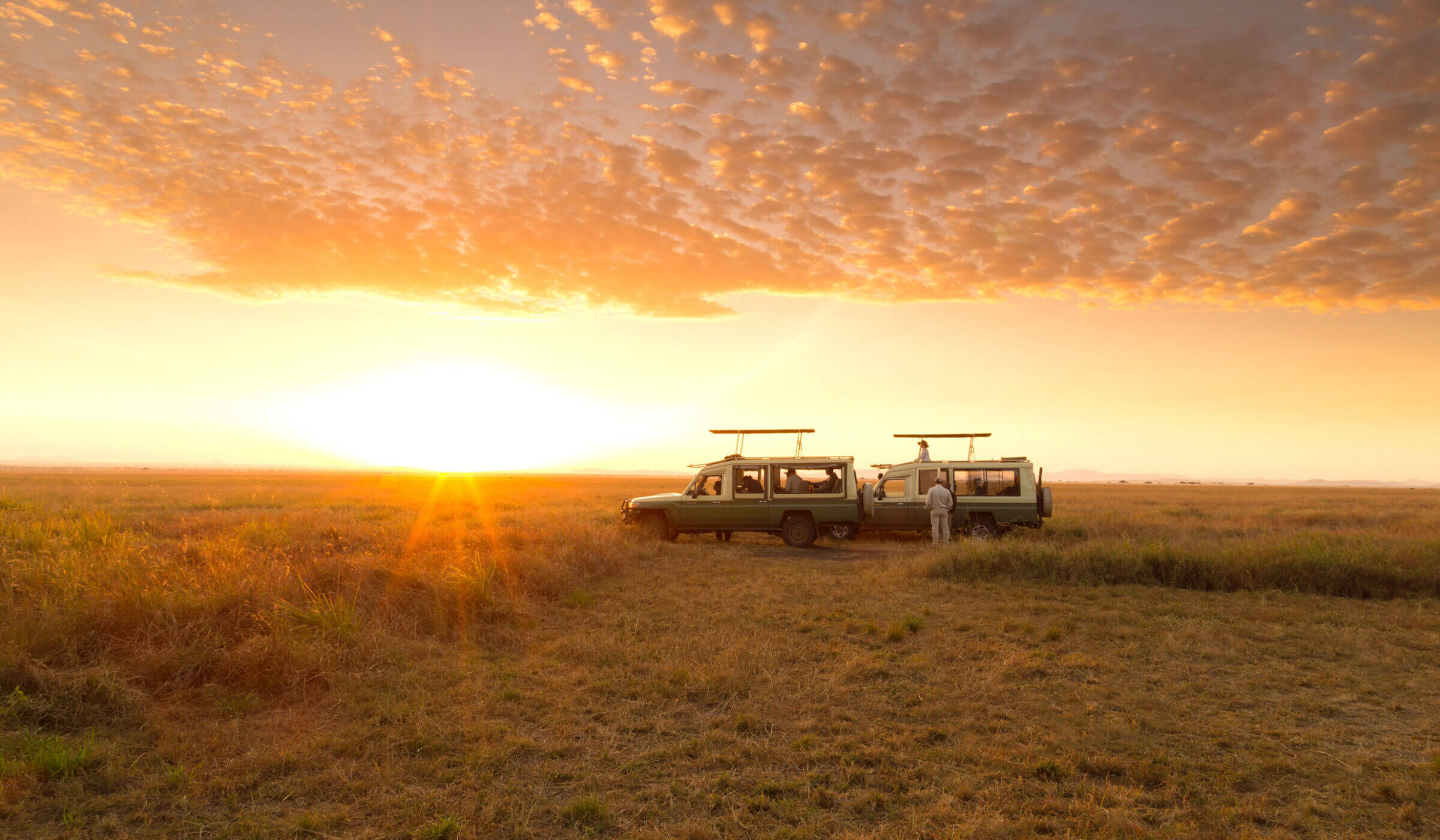
Tanzania offers several safari styles, each providing a different way to experience the wilderness. Game drive safaris remain the most popular, offering daily exploration with professional guides in customized vehicles.
Walking safaris allow travelers to experience nature on foot, focusing on tracking, plants, and smaller wildlife details. Hot air balloon safaris provide a unique aerial view of the Serengeti at sunrise, while cultural safaris introduce travelers to local communities and traditions.
Selecting the right mix of activities enhances the overall safari experience and prevents travel fatigue.
Safari Accommodation: What to Consider
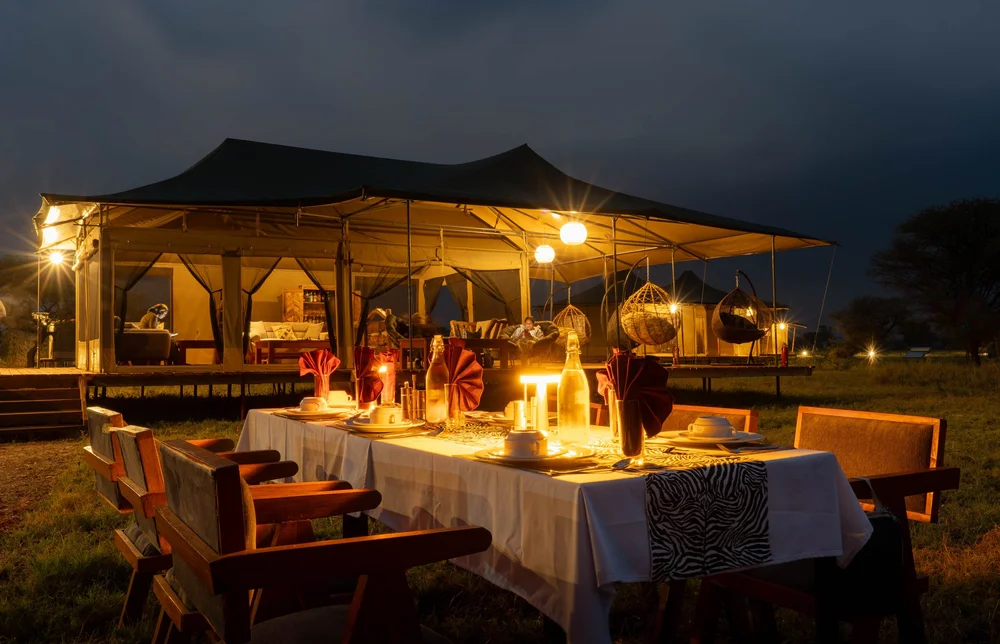
Accommodation plays a major role in comfort and overall enjoyment. Options range from budget camps and mid-range lodges to luxury tented camps and high-end safari lodges. Location is often more important than luxury, as staying closer to wildlife areas reduces travel time and increases game viewing opportunities.
Astro Safaris carefully selects accommodations based on location, service quality, and value, ensuring travelers enjoy both comfort and meaningful safari experiences.
Practical Tips for Planning a Tanzania Safari
Successful safari planning involves choosing the right operator, allowing enough time in each park, and packing appropriately for changing temperatures. Neutral-colored clothing, patience during game drives, and a flexible mindset all contribute to a rewarding experience.
Working with a locally based company like Astro Safaris ensures access to up-to-date wildlife information, reliable logistics, and itineraries designed around real conditions on the ground.
Our Clients Reviews on Tripadvisor
Our Clients Reviews on Google
Why Travel With Astro Safaris
Astro Safaris is a locally based Tanzania safari company with in-depth knowledge of national parks, wildlife behavior, and seasonal patterns. Our team designs personalized safari itineraries that reflect individual travel goals rather than generic routes.
With experienced guides, well-maintained safari vehicles, and a strong commitment to responsible tourism, Astro Safaris ensures each journey is safe, informative, and unforgettable.
Frequently Asked Questions About How to Plan the Perfect Tanzania Safari
Tanzania is an excellent choice for first-time safari travelers because of its well-developed safari infrastructure, experienced guides, and consistently high wildlife density. The northern safari circuit, which includes Serengeti, Ngorongoro, Tarangire, and Lake Manyara, is easy to navigate and offers varied landscapes and wildlife in a relatively compact area.
With professional planning and guidance from a local operator like Astro Safaris, first-time visitors can enjoy a smooth, informative, and rewarding safari experience.
Booking a Tanzania safari well in advance is highly recommended, especially if you plan to travel during the peak season from June to October. Popular lodges and camps in prime wildlife areas can fill up several months ahead.
For the Great Wildebeest Migration period, early booking helps secure the best locations and accommodations. Travelers planning during the green season may have more flexibility, but early planning still allows for better itinerary design and availability.
The northern safari circuit is the most popular and includes world-famous parks such as Serengeti, Ngorongoro Crater, Tarangire, and Lake Manyara. It offers classic safari landscapes and high wildlife density.
The southern circuit, which includes parks like Nyerere and Ruaha, is less visited and provides a more remote and exclusive safari experience. Choosing between the two depends on whether you prefer iconic highlights or quieter wilderness exploration.
Driving time varies depending on the parks included and the itinerary design. Some days involve longer transfers between parks, while others focus on game drives within a single area. A well-planned safari balances travel time with wildlife viewing to avoid fatigue.
Astro Safaris designs itineraries that minimize unnecessary driving while maximizing time spent in prime wildlife areas.
Packing for a Tanzania safari requires preparation for changing temperatures and outdoor conditions. Lightweight, neutral-colored clothing is ideal for game drives, while warm layers are useful for early mornings and evenings. Comfortable shoes, sun protection, insect repellent, and camera equipment are essential. Most lodges offer laundry services, allowing travelers to pack efficiently without sacrificing comfort.
Tanzania safari tours can be very suitable for families when planned carefully. Many lodges offer family-friendly accommodations and flexible activities. Private safaris are often recommended for families, as they allow more control over schedules and comfort levels. Safaris also provide valuable educational opportunities, helping children learn about wildlife, nature, and conservatio
RELATED BLOGS
Exploring Africa’s Iconic Experience in Tanzania
Explore Astro
Our Dream Vacation
Day Trips (Short Safari)
Top Experiences