

Based on Tripadvisor reviews

Based on Tripadvisor reviews
Based on Tripadvisor reviews



Discovering Ngorongoro Beyond the Crater Floor
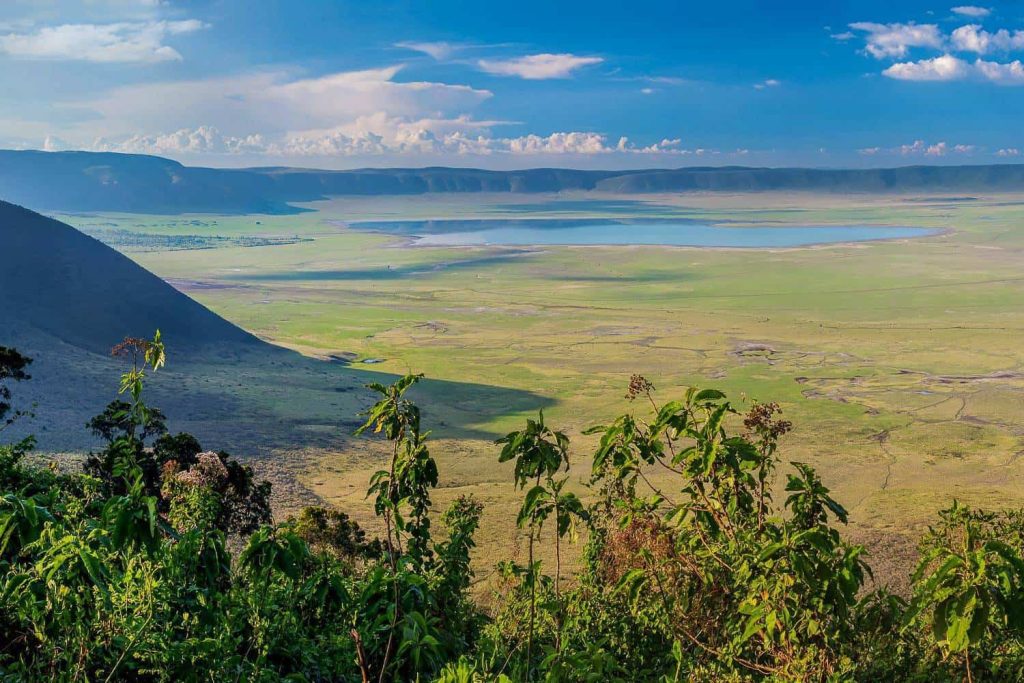
For many travelers, Ngorongoro is synonymous with the famous crater floor, dense with wildlife and dramatic scenery. Yet beyond the well-known game-drive routes lies another side of this extraordinary conservation area one defined by open space, ancient landscapes, and exploration on foot. The Ngorongoro Climbing Nasera Rock Safari offers travelers a rare chance to slow down, leave the vehicle behind, and experience Ngorongoro in a way few visitors ever do.
This safari is not about ticking wildlife off a checklist. It is about movement through the land, understanding the terrain, and seeing Ngorongoro as both wildlife habitat and cultural homeland. Climbing Nasera Rock reveals panoramic views across the highlands and plains, while guided walking safaris uncover the details often missed from a vehicle. For travelers seeking authenticity, depth, and connection, Nasera Rock delivers a powerful alternative to the classic safari experience.
What Is the Ngorongoro Climbing Nasera Rock Safari?
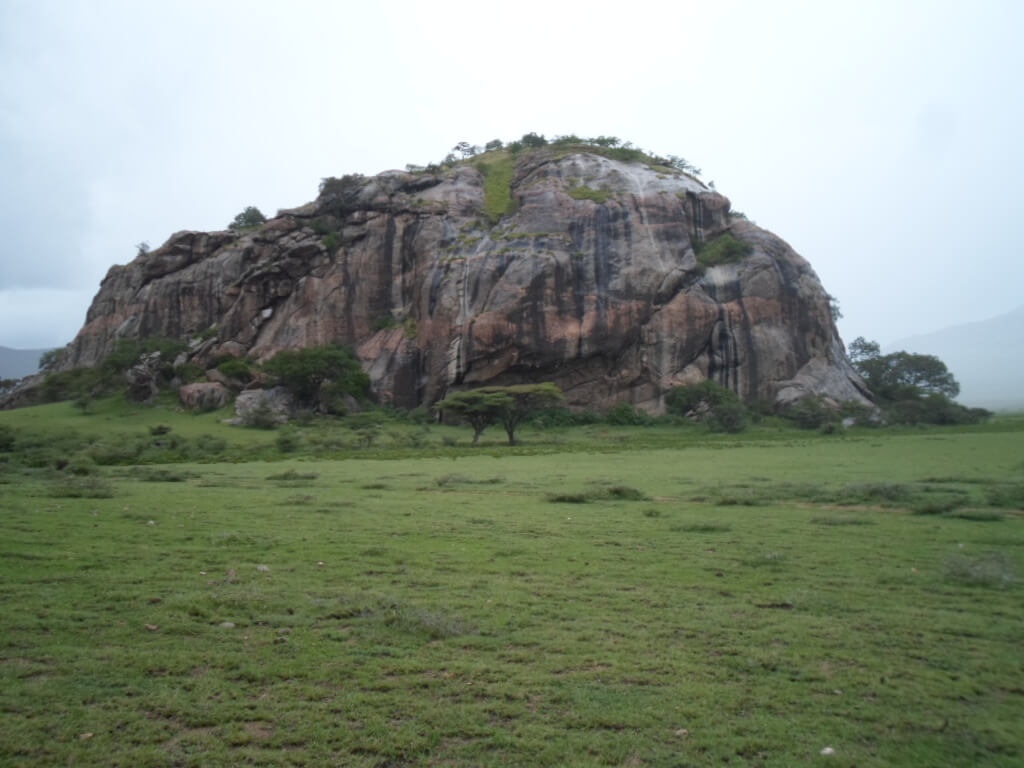
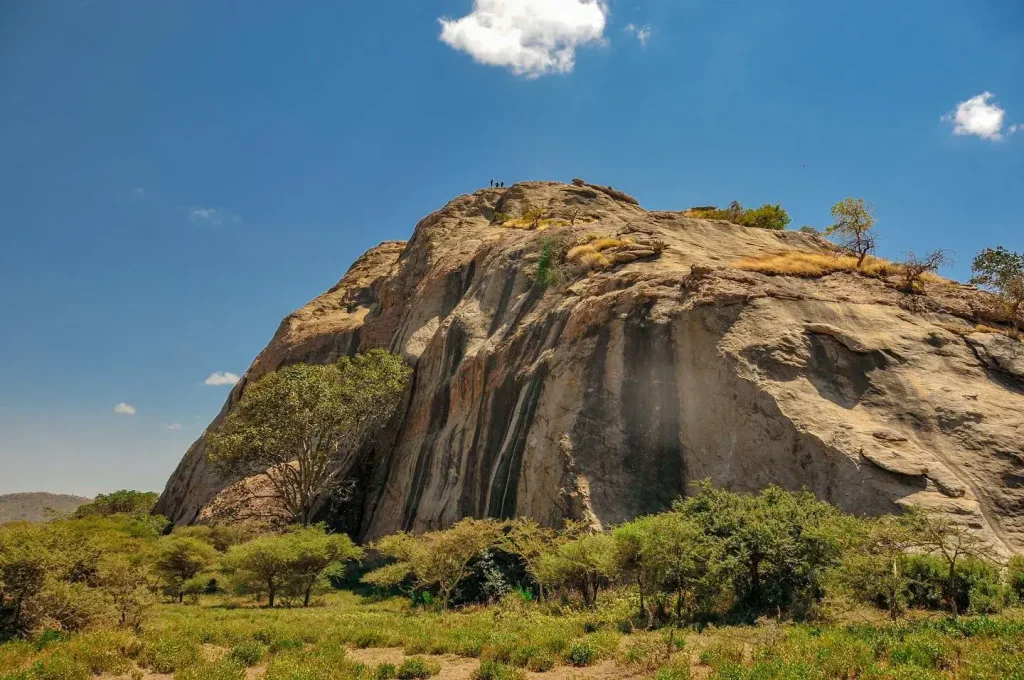
Nasera Rock is a striking volcanic outcrop located within the Ngorongoro Conservation Area, rising above the surrounding plains like a natural watchtower. The Ngorongoro Climbing Nasera Rock Safari is a guided walking experience that combines a moderate hike to the summit with interpretive walks across the surrounding grasslands.
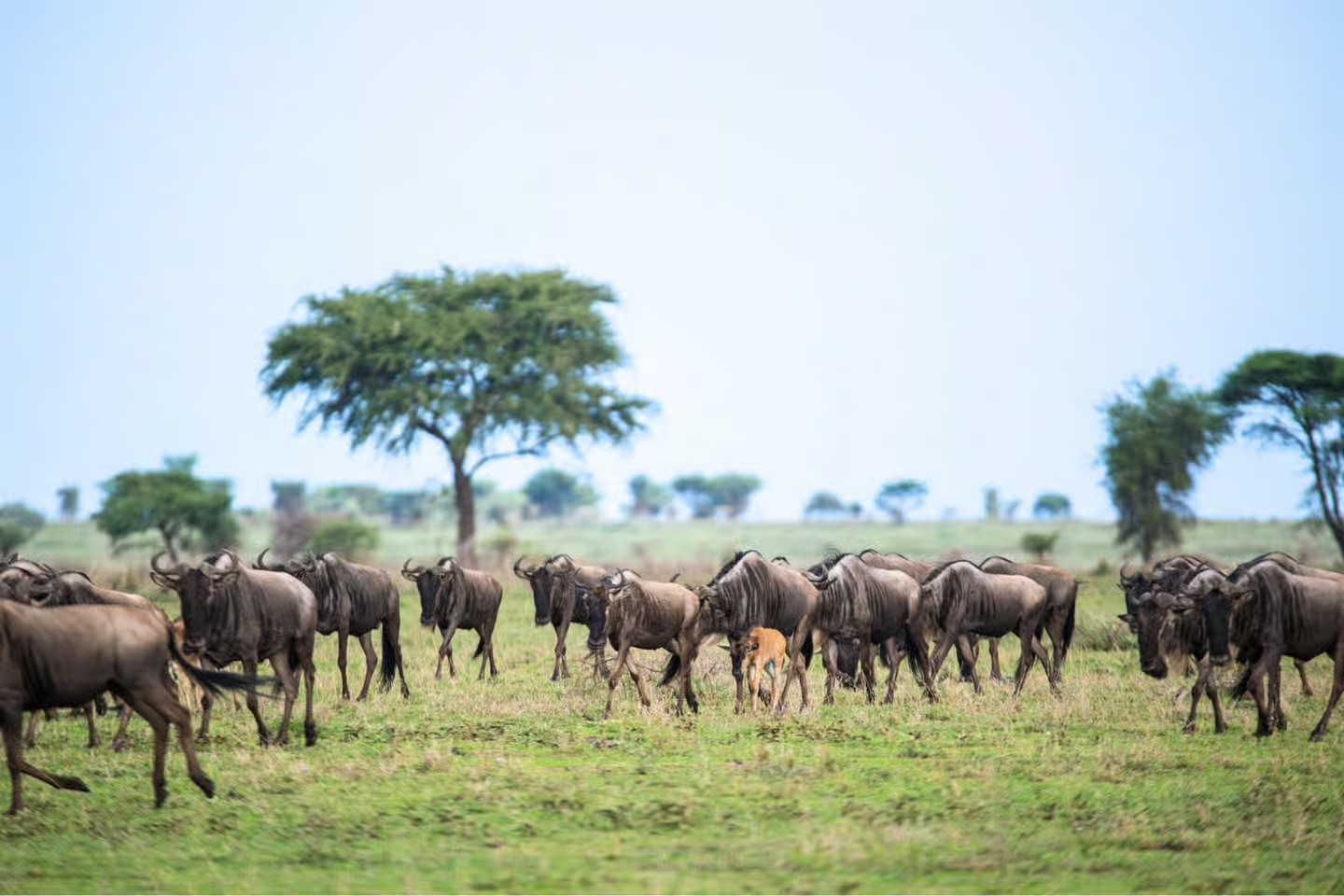
Accompanied by an armed ranger and an experienced safari guide, visitors walk through wildlife corridors where zebra, wildebeest, antelope, and buffalo move freely. The focus is on landscape interpretation, animal behavior, and cultural understanding rather than speed or distance. The climb itself is gradual and manageable, designed to be accessible to travelers with average fitness levels.
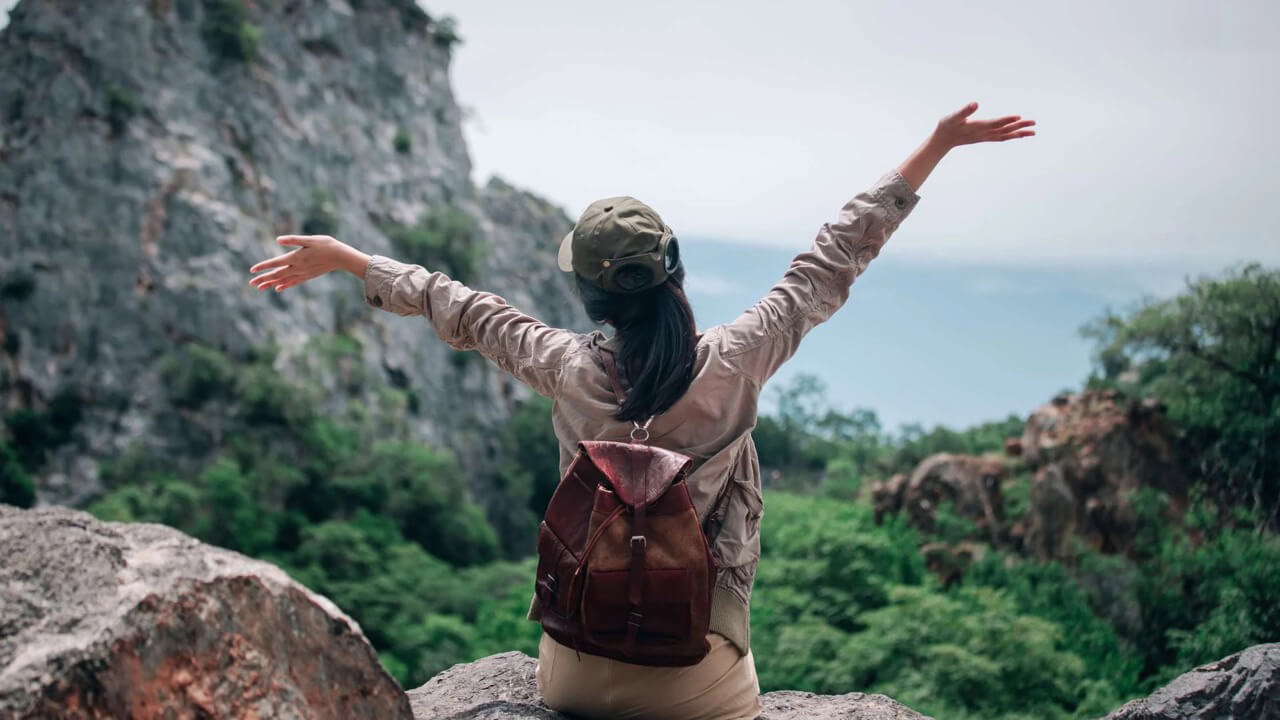
Reaching the top of Nasera Rock rewards hikers with sweeping views across the Ngorongoro Highlands, offering perspective on how geography shapes wildlife movement, grazing patterns, and human settlement.
Why Walking Safaris Matter in Ngorongoro
Walking safaris are one of the most meaningful ways to experience Ngorongoro. On foot, the land feels closer and more alive. Every footprint in the dust, every bird call, and every change in vegetation tells a story. Guides explain how animals use the land, how seasons affect grazing, and how predators and prey interact across open spaces.
Unlike vehicle safaris, which prioritize distance and sightings, walking safaris emphasize awareness and understanding. The Nasera Rock experience allows travelers to connect with Ngorongoro at eye level, learning to read the landscape as Maasai herders and early humans once did.
This style of safari appeals especially to travelers who value learning, photography, and cultural insight as much as wildlife viewing.
Nasera Rock: Geography, History, and Cultural Significance
Nasera Rock is more than a scenic viewpoint. Its elevated position has long made it an important landmark for the Maasai people, who historically used it as a lookout to monitor livestock, wildlife movement, and weather patterns. From the summit, the open plains reveal natural migration routes and grazing areas that remain active today.
Geologically, Nasera Rock is part of the volcanic history that shaped the Ngorongoro Highlands. Its exposed rock layers tell a story of ancient eruptions, erosion, and tectonic movement. Guides often explain how these processes created the fertile soils that support wildlife and pastoral life across the region.
Climbing Nasera Rock is therefore both a physical and intellectual journey, linking natural history with living culture.
Wildlife Encounters During the Nasera Rock Safari
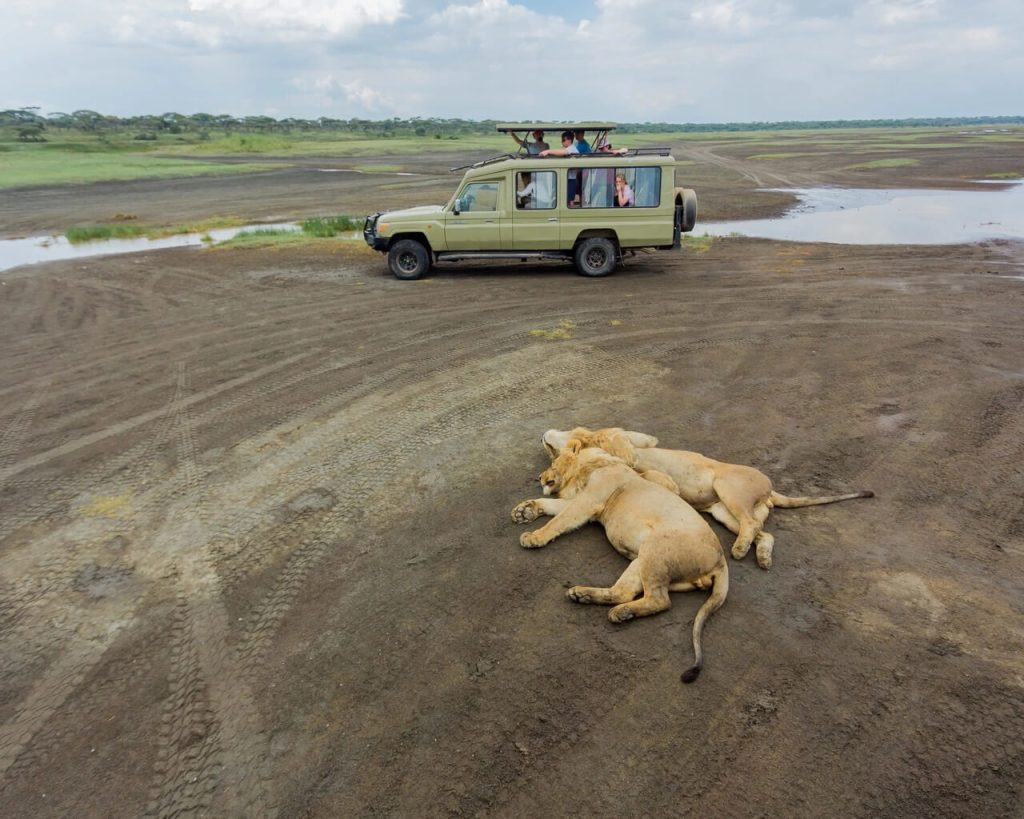
While the Nasera Rock Safari is not focused on close predator encounters, wildlife is a constant presence. Plains animals such as zebra and wildebeest are frequently seen grazing nearby, while antelope move quietly through the grasslands. Buffalo may appear at a distance, and birdlife is abundant throughout the walk.
The presence of an armed ranger ensures safety at all times, allowing travelers to observe wildlife responsibly. These encounters feel more intimate than sightings from a vehicle, fostering respect rather than excitement alone.
The experience teaches visitors how wildlife uses space, wind, and terrain knowledge that enriches later game drives elsewhere in Ngorongoro or the Serengeti.
The Pace and Physical Experience of the Climb
The climb to the top of Nasera Rock is steady rather than steep. The pace is deliberately slow, allowing time for rest, photography, and explanation along the way. Most travelers find the climb achievable, even without prior hiking experience, provided they are comfortable walking for a few hours.
The emphasis is not on reaching the summit quickly, but on experiencing the journey. Guides frequently stop to point out plants, animal tracks, and distant wildlife, transforming the climb into an educational walk rather than a physical challenge.
Who Should Choose the Ngorongoro Climbing Nasera Rock Safari?
This safari is ideal for travelers seeking a more active and immersive experience. It appeals to repeat safari visitors looking for something different, photographers wanting landscape shots, and travelers interested in culture, conservation, and geology.
It is also well suited to families with older children, as well as travelers who enjoy walking and learning rather than long hours in a vehicle. For many, Nasera Rock becomes a highlight precisely because it contrasts so strongly with traditional game drives.
Best Time to Experience Nasera Rock
The Nasera Rock Safari can be enjoyed year-round, but seasonal conditions influence the experience. The dry season from June to October offers firm walking conditions, clear skies, and cooler temperatures, making it ideal for hiking and panoramic views.
The green season from November to May brings lush vegetation, dramatic skies, and fewer visitors. While trails may be softer after rain, the scenery is especially vibrant, and birdlife increases significantly.
Because the experience is not dependent on animal migration, it remains rewarding regardless of season.
Conservation and Responsible Walking Safaris
Walking safaris in Ngorongoro are carefully regulated to protect wildlife and local communities. Routes are designated, group sizes are limited, and Maasai guides play a central role in interpretation and conservation.
By choosing a Nasera Rock Safari, travelers support low-impact tourism that values education, respect, and sustainability. This approach helps preserve Ngorongoro as a living landscape rather than a purely touristic destination.
Seeing Ngorongoro from a New Perspective
The Ngorongoro Climbing Nasera Rock Safari reveals a side of Ngorongoro that many travelers never see. It replaces speed with stillness, distance with detail, and spectacle with understanding.
Standing atop Nasera Rock, looking across the plains and highlands, visitors gain a sense of scale and history that transforms their entire safari experience.This is Ngorongoro at human pace authentic, educational, and deeply memorable.
Frequently Asked Questions About Ngorongoro Climbing Nasera Rock Safari
The Ngorongoro Climbing Nasera Rock Safari is a guided walking and hiking experience within the Ngorongoro Conservation Area. It combines a moderate climb to the summit of Nasera Rock with interpretive walks across surrounding grasslands, offering panoramic views, wildlife awareness, and cultural insight.
The climb is moderate and suitable for most travelers with average fitness. It does not require technical hiking skills, and the pace is relaxed with frequent stops for rest, photography, and learning.
Yes. All walking safaris are accompanied by armed rangers and experienced guides who monitor wildlife movement and ensure safety throughout the experience.
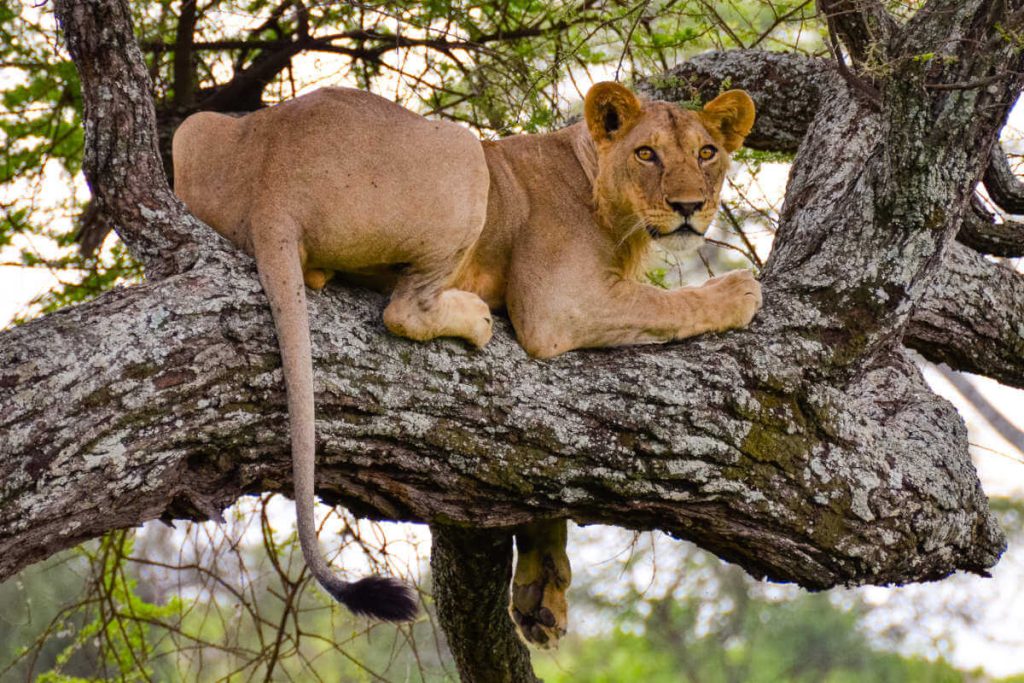
Common sightings include zebra, wildebeest, antelope, buffalo at a distance, and a wide variety of birds. Large predators are rarely encountered on walking routes.
The experience typically lasts half a day, including the climb, walking safari, and time at the summit. It can be adjusted based on fitness level and interest.
The dry season offers the easiest walking conditions, but the safari is enjoyable year-round, with the green season providing lush scenery and fewer visitors.
Yes. The Nasera Rock Safari pairs well with Ngorongoro Crater game drives, Serengeti safaris, and cultural visits, creating a balanced and enriching itinerary.
RELATED BLOGS
Exploring Africa’s Iconic Experience in Tanzania
Explore Astro
Our Dream Vacation
Day Trips (Short Safari)
Top Experiences