

Based on Tripadvisor reviews

Based on Tripadvisor reviews
Based on Tripadvisor reviews



Tanzania has long been regarded as the heart of African safaris, a destination where wildlife roams freely across vast landscapes and nature unfolds according to ancient rhythms. For many travelers, a Tanzania safari tour represents the ultimate travel dream: witnessing lions on the hunt, watching elephant herds cross dusty plains, and standing in awe as millions of wildebeest move across the Serengeti. Yet beyond these iconic images lies a deeper, richer experience shaped by careful planning, local knowledge, and an understanding of the seasons.
This guide is designed to help you navigate every stage of planning a Tanzania safari tour. Drawing on local expertise and real-world safari experience, Astro Safaris shares practical insights into wildlife, national parks, seasonal highlights, and travel considerations. Whether you are visiting for the first time or returning to explore more remote regions, this guide will help you make informed choices and enjoy a safari that feels authentic, rewarding, and seamless.
Why Tanzania Is One of the World’s Best Safari Destinations
Tanzania stands apart from many safari destinations because of its sheer scale and diversity. Large portions of the country are protected as national parks and conservation areas, allowing wildlife to move naturally across ecosystems without artificial boundaries. This freedom supports healthy animal populations and creates dynamic wildlife viewing throughout the year.
Another defining strength of Tanzania safari tours is variety. Travelers can experience classic savannah safaris in the Serengeti, volcanic landscapes in Ngorongoro, river-focused wildlife in Tarangire, and remote wilderness in southern and western parks. Added to this are cultural encounters, mountain trekking, and tropical beaches, all of which can be combined into one carefully planned itinerary.
Tanzania’s Top Safari Parks and Wildlife Areas
Serengeti National Park
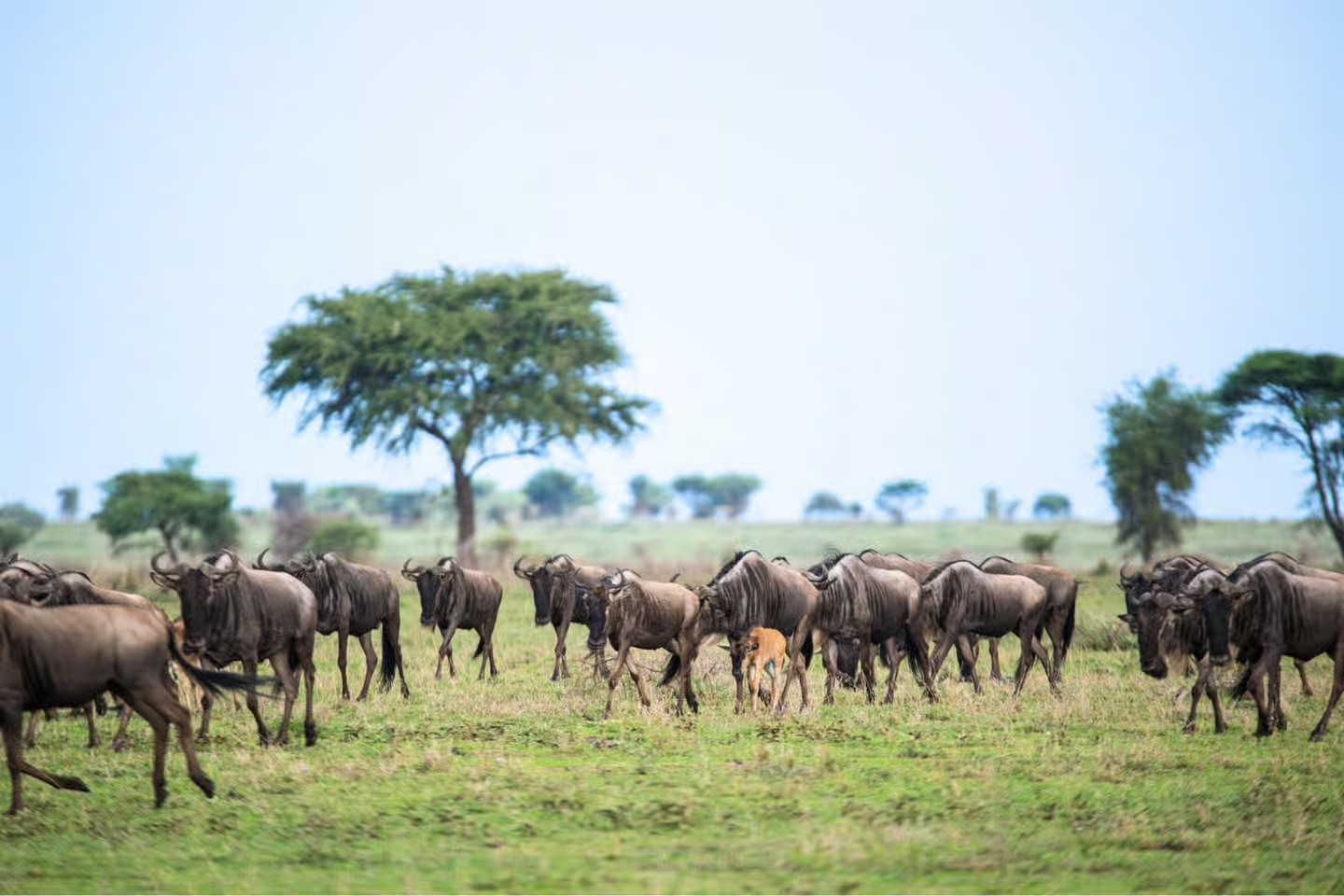
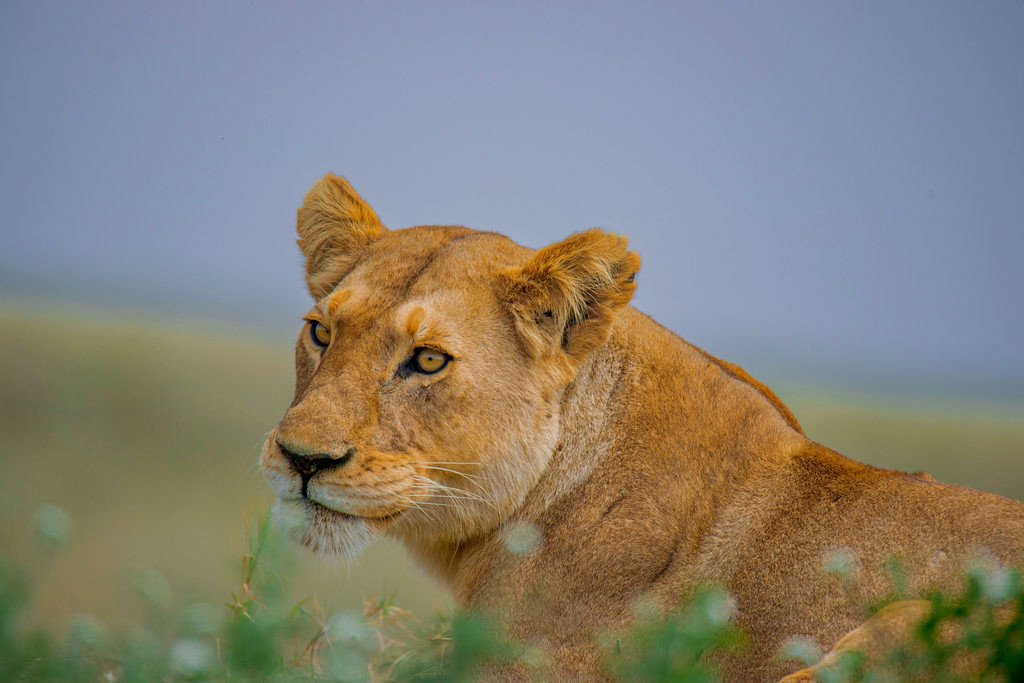
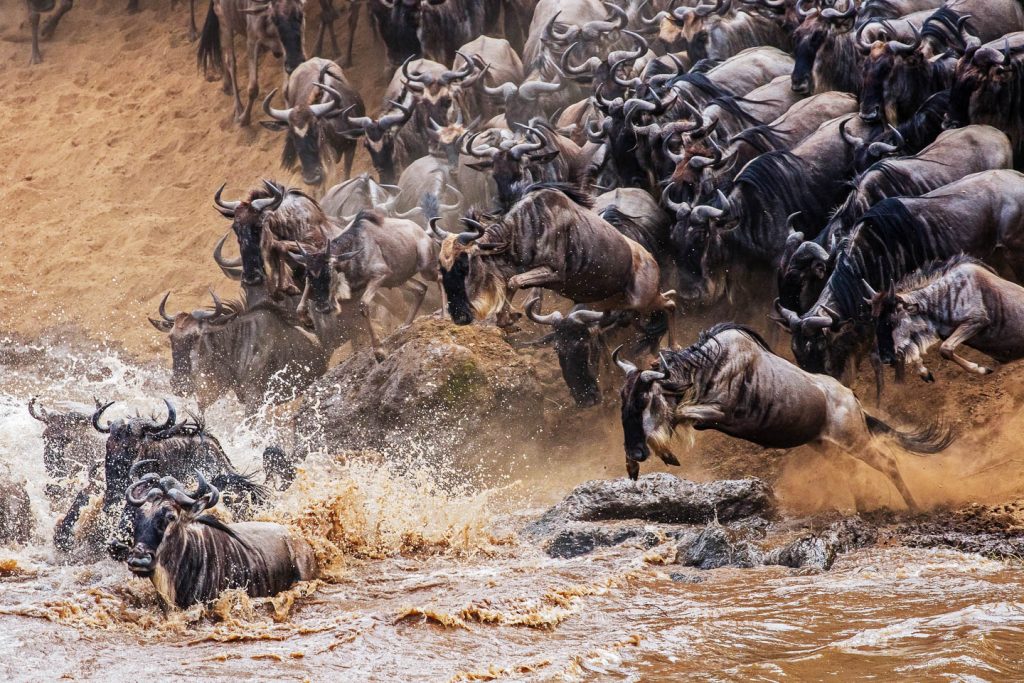
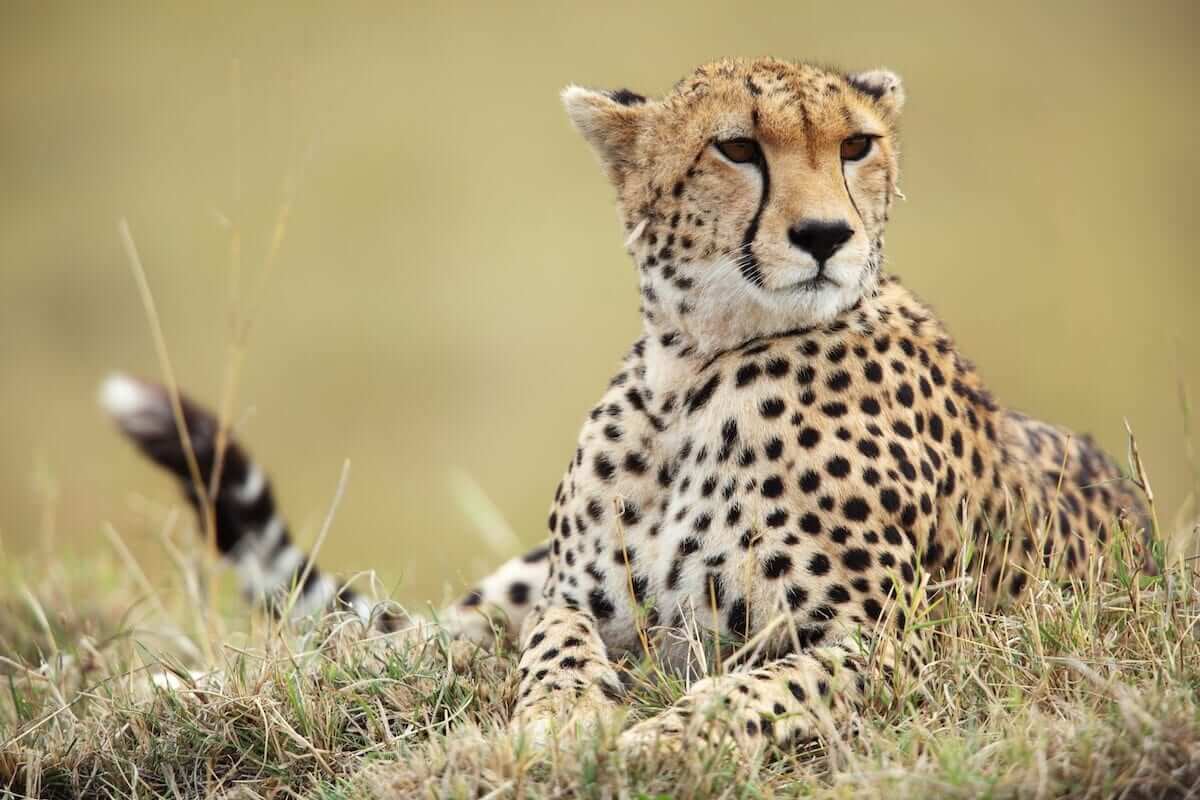
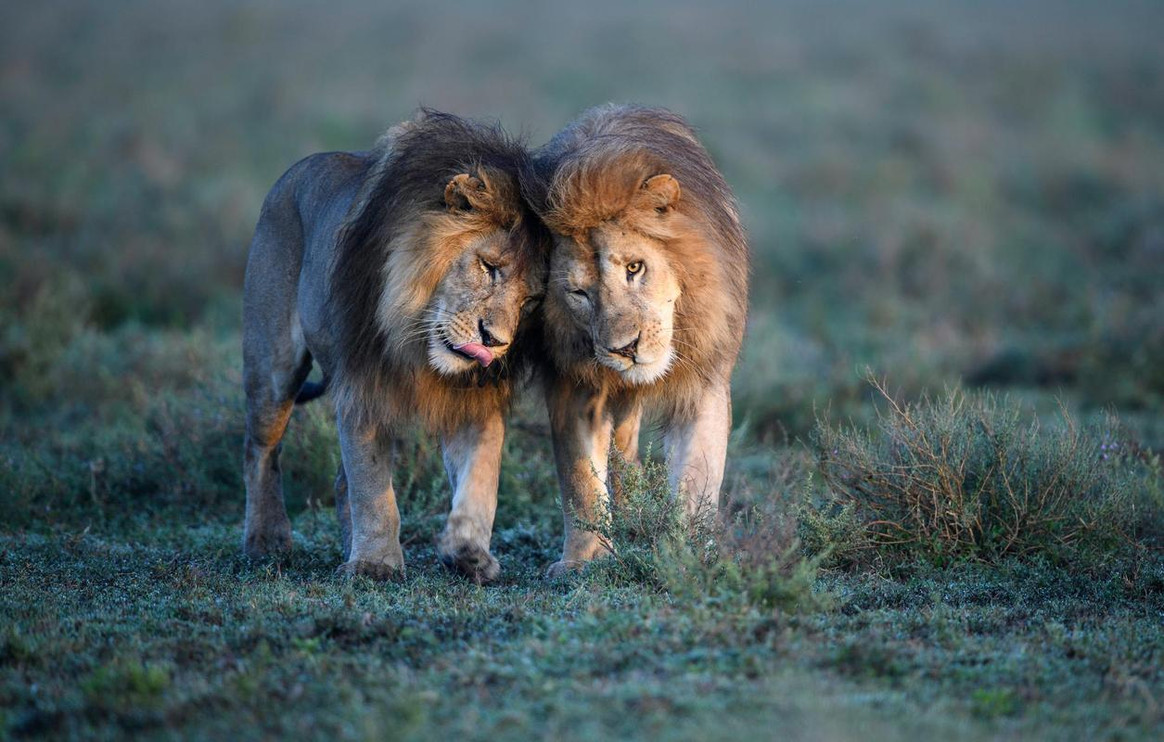
Serengeti National Park is the cornerstone of most Tanzania safari tours and one of the most famous wildlife reserves in the world. Its vast plains support extraordinary numbers of animals, including large prides of lions, fast-moving cheetahs, elusive leopards, massive elephant herds, and countless plains game. The Serengeti is also the setting for the Great Wildebeest Migration, a year-round cycle involving over two million wildebeest, zebras, and gazelles.
The park’s size allows for varied safari experiences, from busy central areas rich in predators to remote regions that offer a sense of isolation. Astro Safaris plans Serengeti itineraries based on seasonal wildlife movements, ensuring guests experience the best possible game viewing rather than following fixed routes.
Ngorongoro Crater and Conservation Area
The Ngorongoro Crater is a natural phenomenon and one of Africa’s most remarkable safari destinations. Formed by a collapsed volcano, the crater creates a self-contained ecosystem with permanent water sources and abundant grazing. As a result, wildlife density is exceptionally high, offering excellent opportunities to see the Big Five in a relatively short time.
Beyond the crater floor, the Ngorongoro Conservation Area is unique for allowing wildlife and Maasai pastoralists to coexist. This balance between conservation and traditional life adds cultural depth to Tanzania safari tours and highlights sustainable tourism practices.
Tarangire National Park
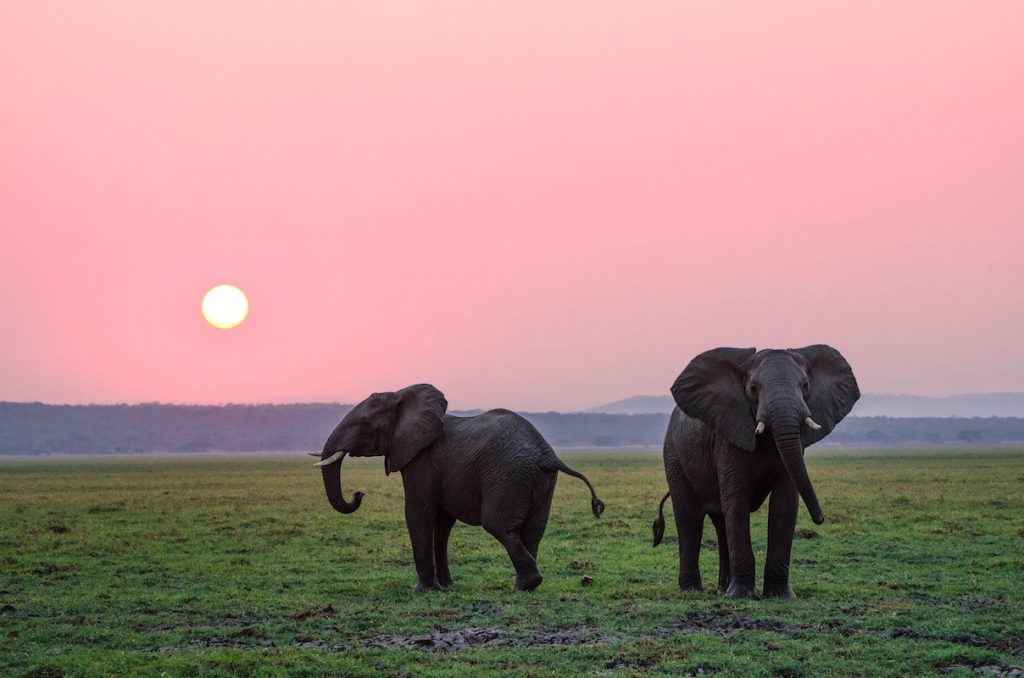
Tarangire National Park is often described as one of Tanzania’s most underrated safari destinations. Known for its large elephant populations and ancient baobab trees, the park becomes especially active during the dry season when animals gather along the Tarangire River. While quieter than the Serengeti, Tarangire offers excellent wildlife viewing and a more relaxed safari atmosphere.
Lake Manyara National Park
Lake Manyara National Park provides a scenic and diverse safari experience in a compact area. The park is famous for tree-climbing lions, large baboon troops, and vibrant birdlife along the lakeshore. Its varied habitats, including forest, grassland, and lake ecosystems, make it a rewarding addition to northern Tanzania safari tours.
Southern and Western Tanzania Parks
For travelers seeking fewer crowds and a deeper sense of wilderness, parks such as Ruaha, Nyerere, and Katavi offer outstanding safari experiences. These regions are ideal for repeat visitors and those who value exclusivity, raw landscapes, and extended wildlife encounters.
Wildlife Highlights on Tanzania Safari Tours
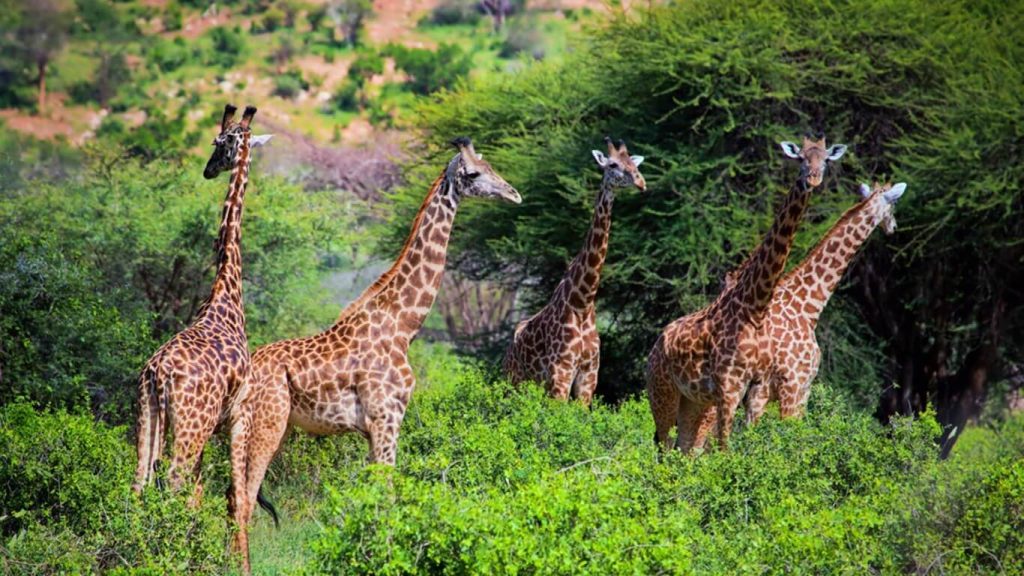
Tanzania is home to an extraordinary range of wildlife species. The Big Five are present across several parks, while predators such as lions, cheetahs, and hyenas thrive in open savannah ecosystems. Herbivores including elephants, giraffes, zebras, and antelope species are commonly seen during game drives.
Birdlife is another major highlight, with over one thousand species recorded nationwide. From flamingos and raptors to colorful forest birds, Tanzania safari tours appeal to both casual birdwatchers and dedicated enthusiasts.
Wildlife sightings depend on seasonal patterns, habitat types, and animal behavior. Understanding these factors helps travelers set realistic expectations and appreciate the natural rhythms that define safari experiences.
The Great Wildebeest Migration and Seasonal Highlights
The Great Wildebeest Migration is one of nature’s most remarkable events and a major reason many travelers choose Tanzania safari tours. Rather than a single moment, the migration is a continuous cycle influenced by rainfall and grazing conditions.
From January to March, calving season takes place in the southern Serengeti, attracting predators and offering dramatic wildlife interactions. Between June and October, herds move north, with river crossings in the northern Serengeti creating some of the most iconic safari scenes. Astro Safaris carefully aligns travel dates with these seasonal movements to maximize wildlife viewing opportunities.
Best Time to Visit Tanzania for Safari Tours
Tanzania is a year-round safari destination, but different seasons offer distinct advantages. The dry season from June to October is considered the best time for general wildlife viewing, as animals congregate around water sources and vegetation is sparse. This period also coincides with peak travel demand.
The green season from November to May brings lush landscapes, fewer visitors, and excellent birdwatching. It is particularly attractive for photographers due to dramatic skies and vibrant scenery. Choosing the right season depends on personal interests rather than a single “best” time to visit.
Types of Tanzania Safari Tours
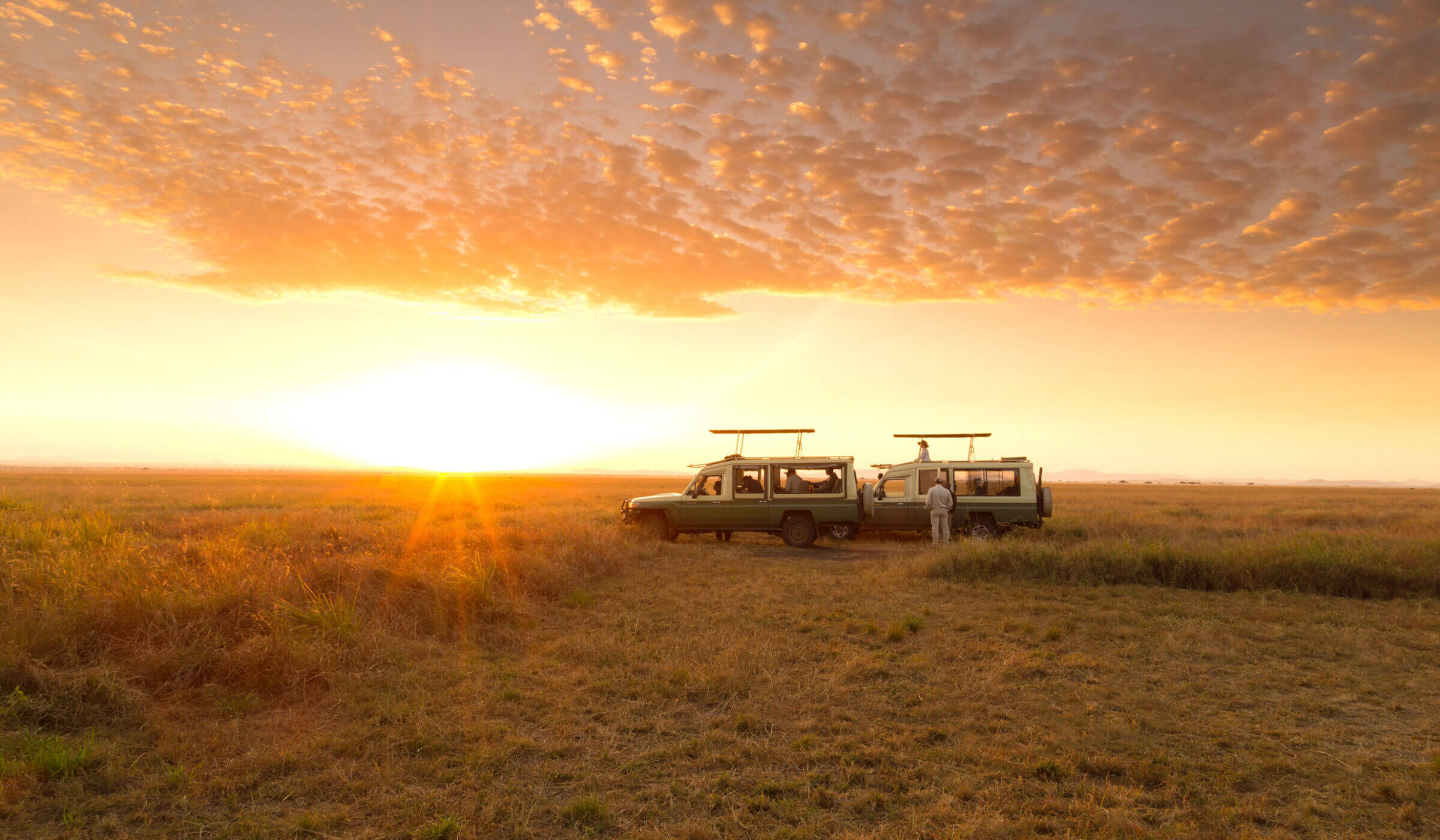
Tanzania safari tours can be tailored to different travel styles. Classic game drive safaris remain the most popular, offering daily exploration with experienced guides in well-equipped vehicles. Walking safaris provide an intimate perspective on nature, focusing on tracking, plants, and smaller wildlife details.
Hot air balloon safaris offer a unique aerial view of the Serengeti at sunrise, while photographic safaris are designed for travelers seeking extended time with wildlife in optimal conditions. Cultural safari tours add meaningful interactions with local communities, enriching the overall experience.
Safari Costs and Value Considerations
The cost of Tanzania safari tours varies widely depending on accommodation standards, travel season, park fees, and itinerary length. Budget safaris emphasize affordability and shared experiences, mid-range safaris balance comfort and value, and luxury safaris focus on exclusivity and personalized service.
Astro Safaris offers transparent pricing and carefully selected accommodations to ensure travelers receive genuine value at every budget level.
Frequently Asked Questions About top Tanzania Safari Tours & Wildlife Experiences
Tanzania is considered one of the safest safari destinations in Africa, especially for visitors traveling with licensed and experienced tour operators. National parks are well managed, safari guides are professionally trained, and wildlife activities follow strict safety procedures. By following guide instructions and traveling with a trusted local company like Astro Safaris, visitors can enjoy a secure and well-organized safari experience from arrival to departure.
The ideal duration for a Tanzania safari depends on the number of parks you wish to explore and the pace you prefer.
A safari of five days allows you to experience key highlights such as Tarangire, Lake Manyara, and Ngorongoro Crater. Seven to ten days is recommended for travelers who want to spend more time in the Serengeti and enjoy a relaxed schedule with deeper wildlife encounters.
Tanzania offers some of the most rewarding wildlife viewing in Africa. Travelers commonly see elephants, giraffes, zebras, wildebeest, buffaloes, and various antelope species.
Predators such as lions and hyenas are frequently sighted, while cheetahs and leopards are seen with patience and skilled guiding. Although wildlife sightings are never guaranteed, Tanzania’s protected ecosystems provide consistently high success rates.
Tanzania is a year-round safari destination, but the best time to visit depends on your interests. The dry season from June to October is ideal for general wildlife viewing, as animals gather around water sources and vegetation is less dense.
The green season from November to May offers lush landscapes, fewer visitors, and excellent birdlife, making it especially appealing for photographers and nature lovers.
Yes, Tanzania safari tours can be fully customized to match your interests, travel style, and budget. Travelers can choose specific national parks, accommodation levels, activities, and travel pace.
Customized safaris are particularly popular with honeymooners, families, photographers, and travelers seeking unique experiences. Astro Safaris specializes in tailor-made itineraries designed around individual preferences rather than fixed schedules.
Safari accommodations in Tanzania range from budget camps and mid-range lodges to luxury tented camps and high-end safari lodges. Budget options focus on simplicity and affordability, while mid-range accommodations offer comfort and excellent service.
Luxury lodges provide premium amenities and prime wildlife locations. The choice of accommodation plays a key role in the overall safari experience, and Astro Safaris helps travelers select the best options for their itinerary.
Most international travelers require a visa to enter Tanzania, which can be obtained online through the official eVisa system or on arrival depending on nationality.
Passports are generally required to be valid for at least six months beyond the travel date. Entry requirements may change, so it is important to confirm current regulations before traveling. Astro Safaris provides up-to-date guidance to help travelers prepare all necessary documents
RELATED BLOGS
Exploring Africa’s Iconic Experience in Tanzania
Explore Astro
Our Dream Vacation
Day Trips (Short Safari)
Top Experiences