

Based on Tripadvisor reviews

Based on Tripadvisor reviews
Based on Tripadvisor reviews
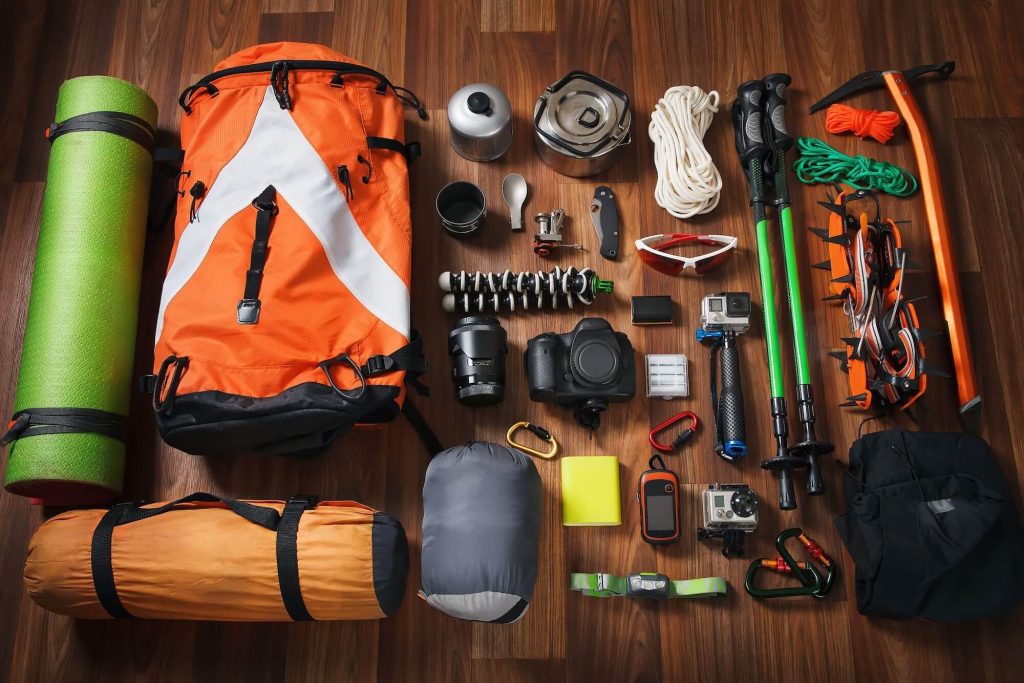

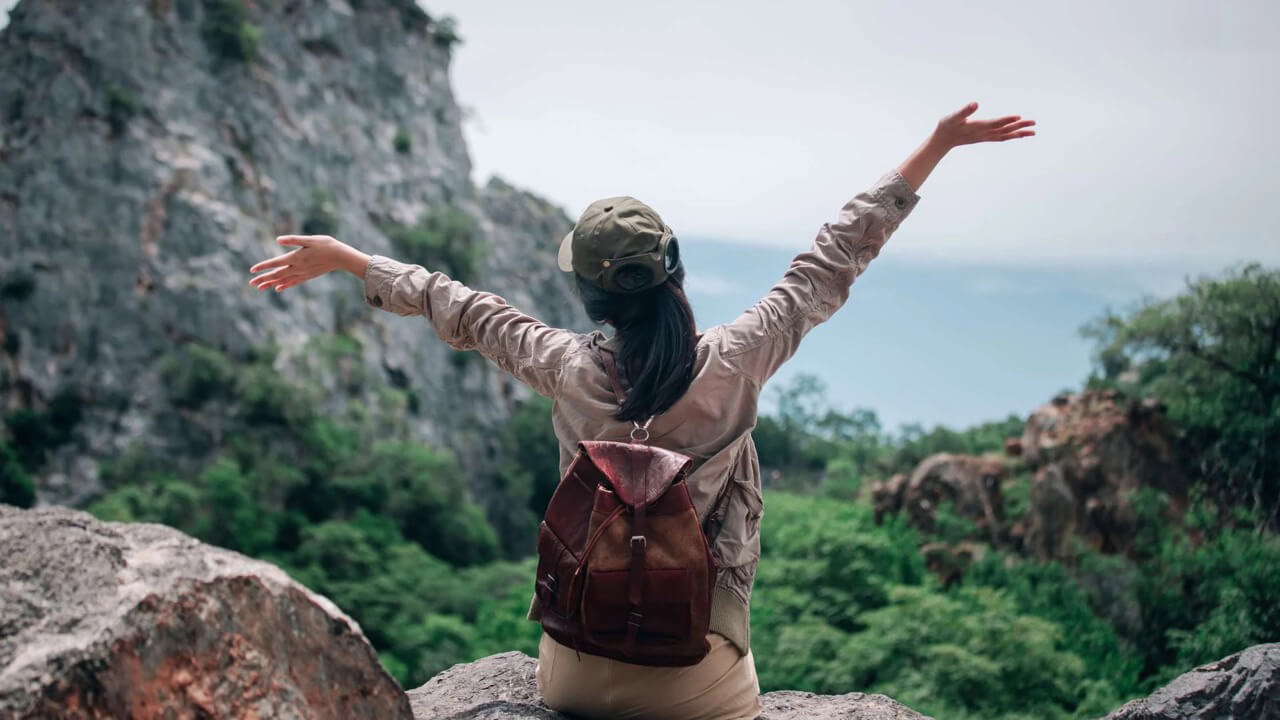


Climbing Mount Kilimanjaro is one of the most iconic trekking experiences in the world. Rising to 5,895 meters above sea level, Kilimanjaro is Africa’s highest mountain and a powerful symbol of endurance, determination, and achievement. While the trek does not require technical climbing skills, it demands serious preparation. What you pack for your Kilimanjaro trekking adventure can make the difference between a comfortable, successful climb and a physically exhausting struggle.
Many climbers underestimate how rapidly conditions change on Kilimanjaro. In just a few days, you will pass through rainforest, heathland, alpine desert, and arctic summit zones. Temperatures vary dramatically, and altitude places unique stress on the body. Drawing on extensive mountain experience, Astro Safaris has created this detailed packing guide to help you prepare confidently and correctly. These eight essential items form the foundation of a safe, comfortable, and successful Mount Kilimanjaro trek.
Understanding Kilimanjaro Conditions Before You Pack
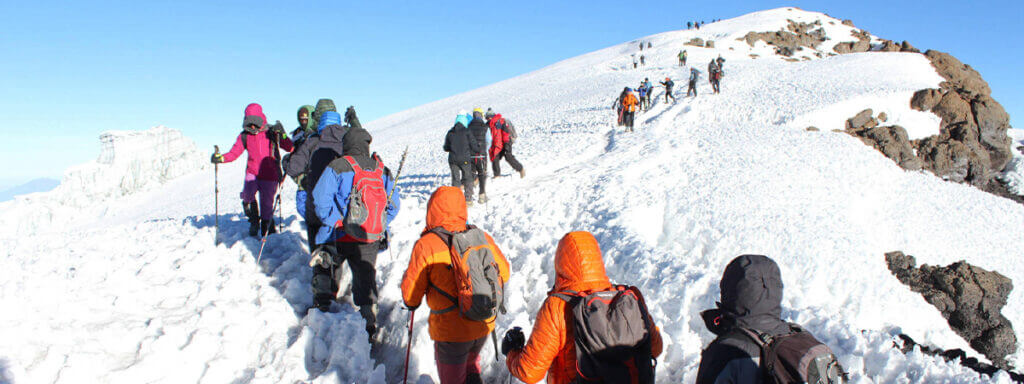
Before selecting gear, it is important to understand the realities of trekking Mount Kilimanjaro. Climbers experience warm days at lower elevations and freezing temperatures near the summit. Weather can shift quickly, and summit night involves hiking in darkness, cold, and thin air. Additionally, porters carry the majority of group equipment, but climbers must carry personal essentials in a daypack.
Packing correctly is not about bringing more items; it is about bringing the right ones. Lightweight, high-quality gear that performs well in changing conditions is essential. Astro Safaris always advises climbers to focus on function, durability, and layering rather than unnecessary extras.
1. Proper Layered Clothing System
A well-planned clothing system is the single most important factor in staying comfortable on Mount Kilimanjaro. Layering allows you to adjust to temperature changes throughout the day without overheating or becoming too cold.
Your base layers should be moisture-wicking to keep sweat away from your skin. Mid-layers such as fleece or insulated jackets provide warmth, while an outer shell protects against wind, rain, and snow. On summit night, additional insulated layers are essential due to extreme cold and wind exposure.
Cotton clothing should be avoided, as it retains moisture and increases the risk of chilling. Instead, synthetic or merino wool fabrics perform best in high-altitude trekking environments.
2. Quality Hiking Boots
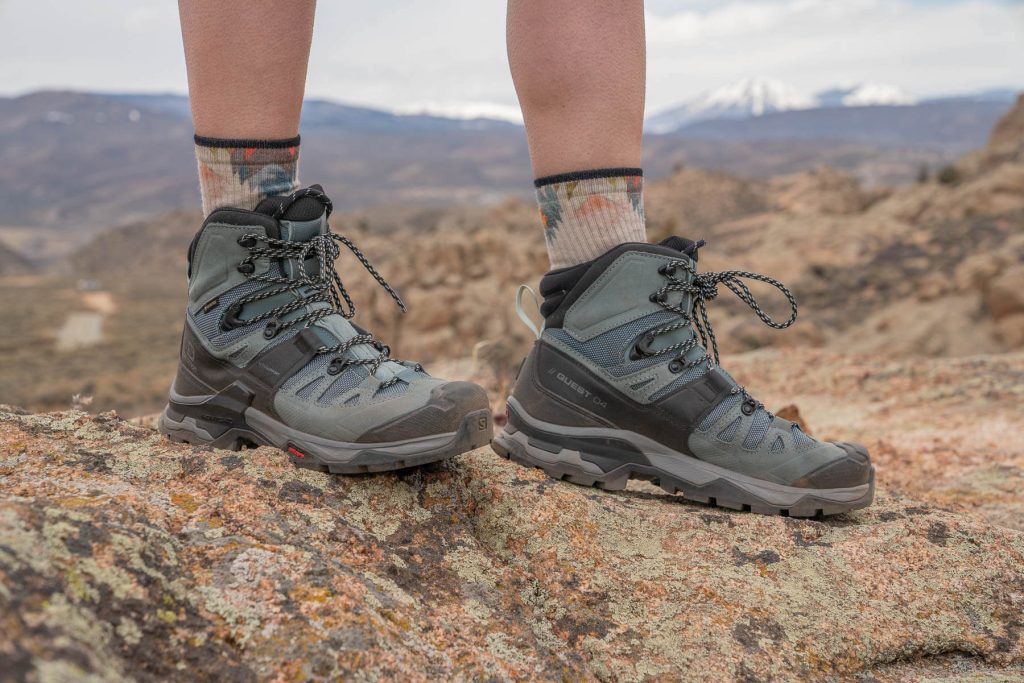
A reliable pair of hiking boots is critical for Kilimanjaro trekking. Boots should be well broken in before the climb to prevent blisters and discomfort. They must provide good ankle support, solid grip, and waterproof protection.
The trails on Kilimanjaro vary from muddy rainforest paths to rocky alpine terrain. Poor footwear can lead to foot injuries, fatigue, and reduced stability. Astro Safaris strongly recommends mid- to high-ankle trekking boots designed for multi-day hikes rather than lightweight trail shoes.
3. Warm Insulated Jacket for Summit Night
Summit night on Mount Kilimanjaro is the coldest and most demanding part of the trek. Temperatures can drop well below freezing, particularly before sunrise. A high-quality insulated jacket, either down or synthetic, is essential for retaining body heat.
This jacket is typically worn only at higher camps and during the summit push, but it plays a crucial role in preventing hypothermia and maintaining energy levels. Investing in a reliable insulated jacket significantly improves comfort and safety at altitude.
4. Sleeping Bag Rated for Sub-Zero Temperatures
Even though huts or tents are provided on Kilimanjaro, nights can be extremely cold at higher elevations. A sleeping bag rated for sub-zero temperatures is essential for proper rest and recovery. Quality sleep supports acclimatization and overall performance on the mountain. Astro Safaris recommends sleeping bags rated at least -10°C to -15°C for summit success, especially for climbers sensitive to cold.
5. Daypack With Rain Protection
Your daypack carries essential items you need during daily hikes, including water, snacks, extra layers, sunscreen, and personal items. A comfortable, well-fitted daypack reduces strain on your shoulders and back.
Rain protection is crucial, particularly during the rainforest section and unpredictable weather conditions. A waterproof pack or rain cover ensures your gear stays dry throughout the trek.
6. Trekking Poles for Stability and Endurance
Trekking poles provide valuable support on Kilimanjaro’s steep ascents and long descents. They help reduce pressure on knees, improve balance, and conserve energy, especially on summit night and during descent days.
Many climbers underestimate the benefit of trekking poles until they experience long downhill sections. Adjustable poles allow you to adapt to changing terrain and personal comfort.
7. Hydration System and Water Bottles
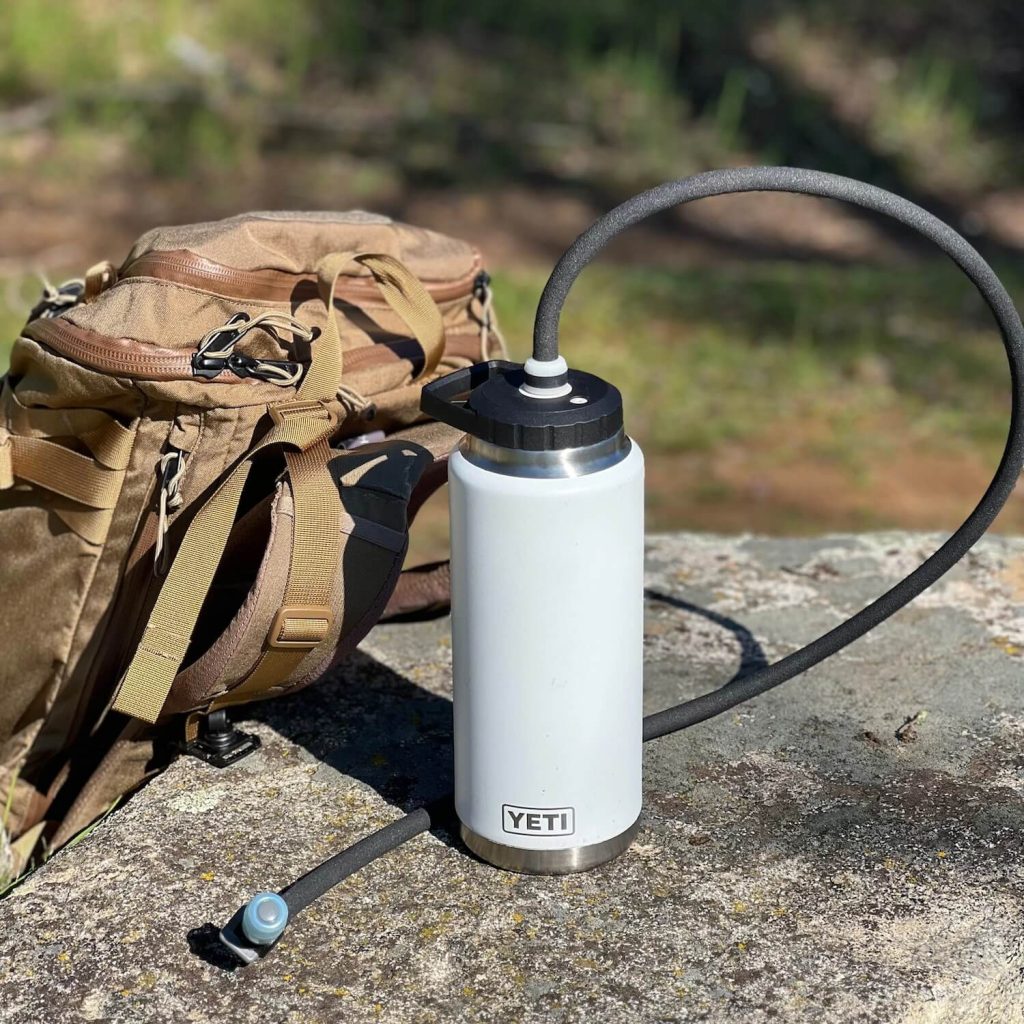
Staying hydrated is one of the most important factors in preventing altitude sickness. Kilimanjaro trekkers should drink several liters of water per day. A hydration bladder allows easy access to water while walking, encouraging frequent hydration.
Insulated bottles are recommended for summit night to prevent water from freezing. Astro Safaris emphasizes hydration as a core part of acclimatization strategy.
8. Personal Health, Safety, and Essentials Kit
Your personal health kit should include any prescribed medications, basic first-aid items, blister treatment, lip balm, sunscreen, and hand sanitizer. Headlamps with spare batteries are essential for early morning starts and summit night.
Sunglasses with UV protection protect your eyes from strong equatorial sun and reflective snow near the summit. These small items play a major role in comfort and safety throughout the climb.
Items Many Climbers Forget but Shouldn’t
Many climbers forget simple but important items such as spare batteries, waterproof gloves, warm hats, and neck gaiters. These items are especially valuable on summit night when temperatures and wind exposure peak.
Astro Safaris provides detailed packing checklists to ensure climbers do not overlook critical essentials
Prepare for Kilimanjaro With Astro Safaris
Packing the right essentials is one of the most important steps in preparing for a successful Mount Kilimanjaro trek. When your gear supports your body and adapts to changing conditions, you are free to focus on the challenge, the scenery, and the sense of achievement.
Astro Safaris is committed to helping climbers reach the summit safely and confidently. With experienced mountain guides, well-planned itineraries, and expert preparation support, we ensure every climber is ready for the journey ahead. Contact Astro Safaris today and begin preparing for your Kilimanjaro trekking adventure with confidence.
Frequently Asked Questions About Essential Items You Must Pack for Your Kilimanjaro Trekking Adventure
Porters carry the main luggage, usually limited to 15 kilograms per climber. Your daypack should be light and contain only essential items.
Yes, many items such as sleeping bags, trekking poles, and jackets can be rented locally. Astro Safaris assists climbers with gear rental arrangements.
No technical climbing equipment is required for Mount Kilimanjaro, but high-quality trekking gear is essential.
Temperatures on summit night can drop below -15°C, especially before sunrise.
Porters carry group equipment, but climbers must carry personal essentials in their daypack.
Overpacking or bringing unsuitable clothing such as cotton is one of the most common mistakes.
Yes, Astro Safaris provides detailed pre-trek packing lists and expert advice to ensure climbers are well prepared.
RELATED BLOGS
Exploring Africa’s Iconic Experience in Tanzania
Explore Astro
Our Dream Vacation
Day Trips (Short Safari)
Top Experiences