

Based on Tripadvisor reviews

Based on Tripadvisor reviews
Based on Tripadvisor reviews
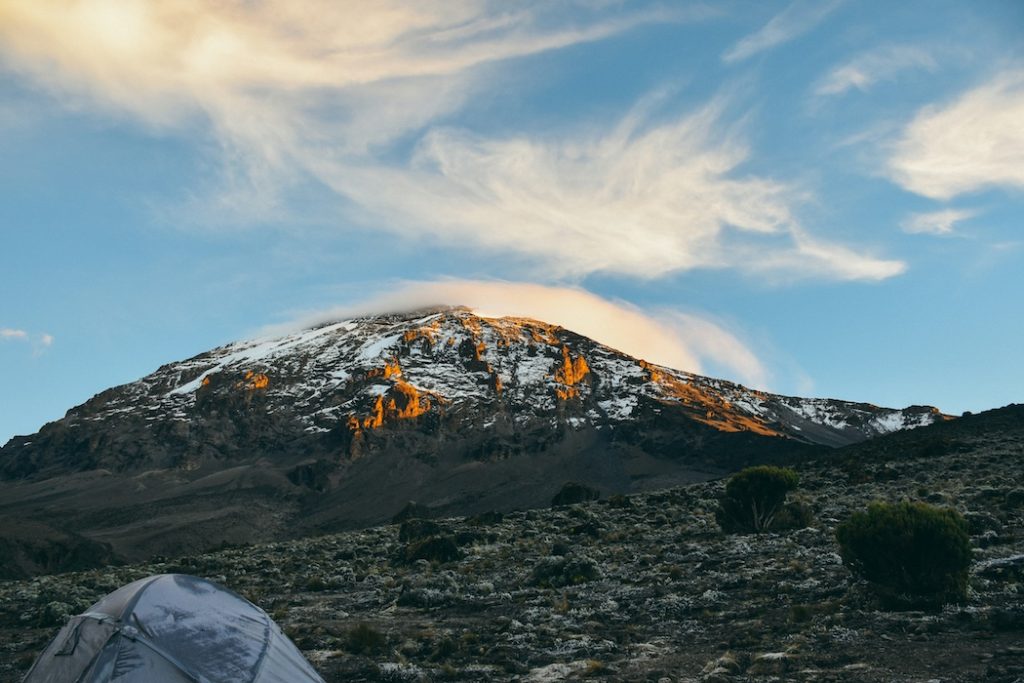
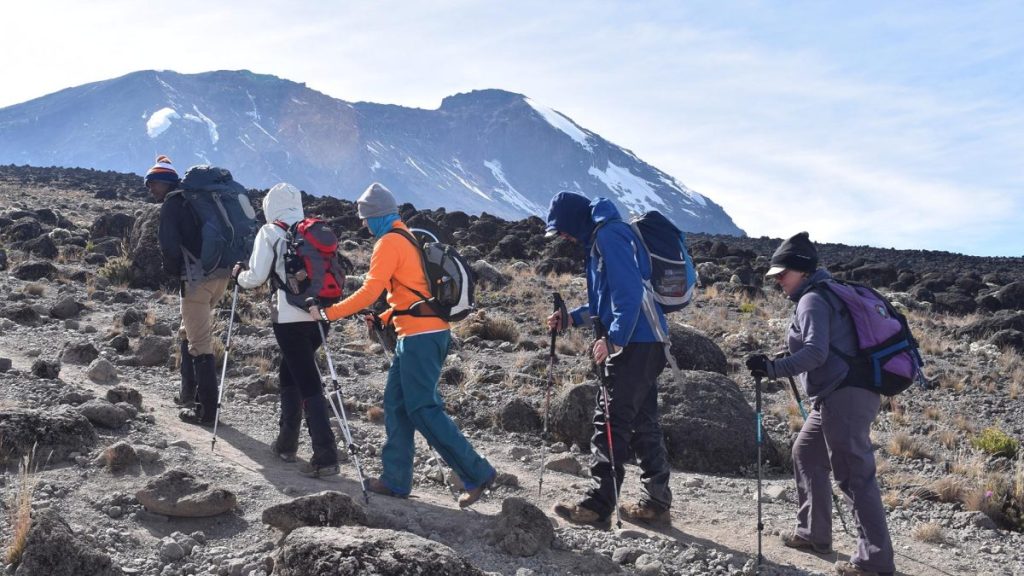
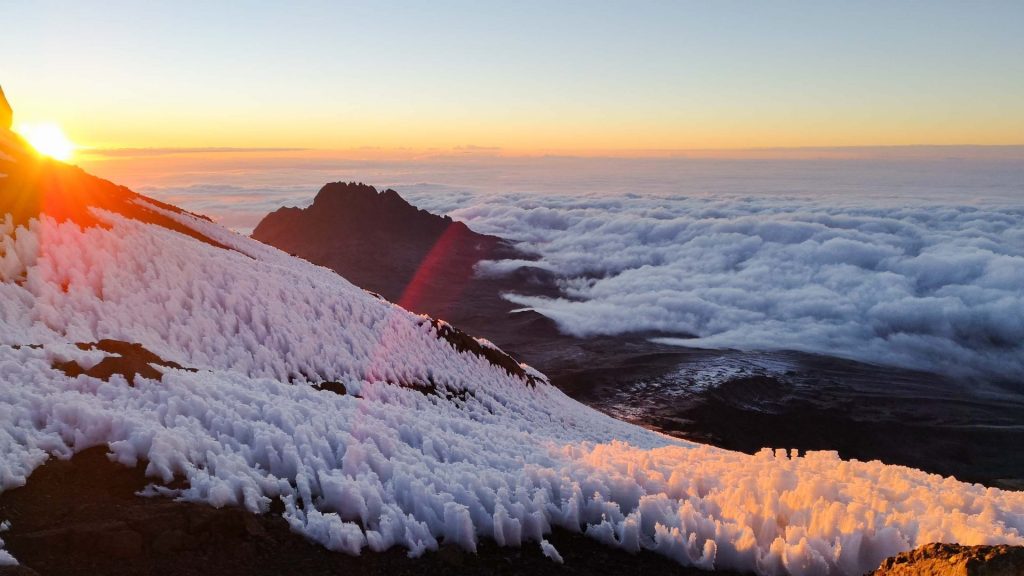

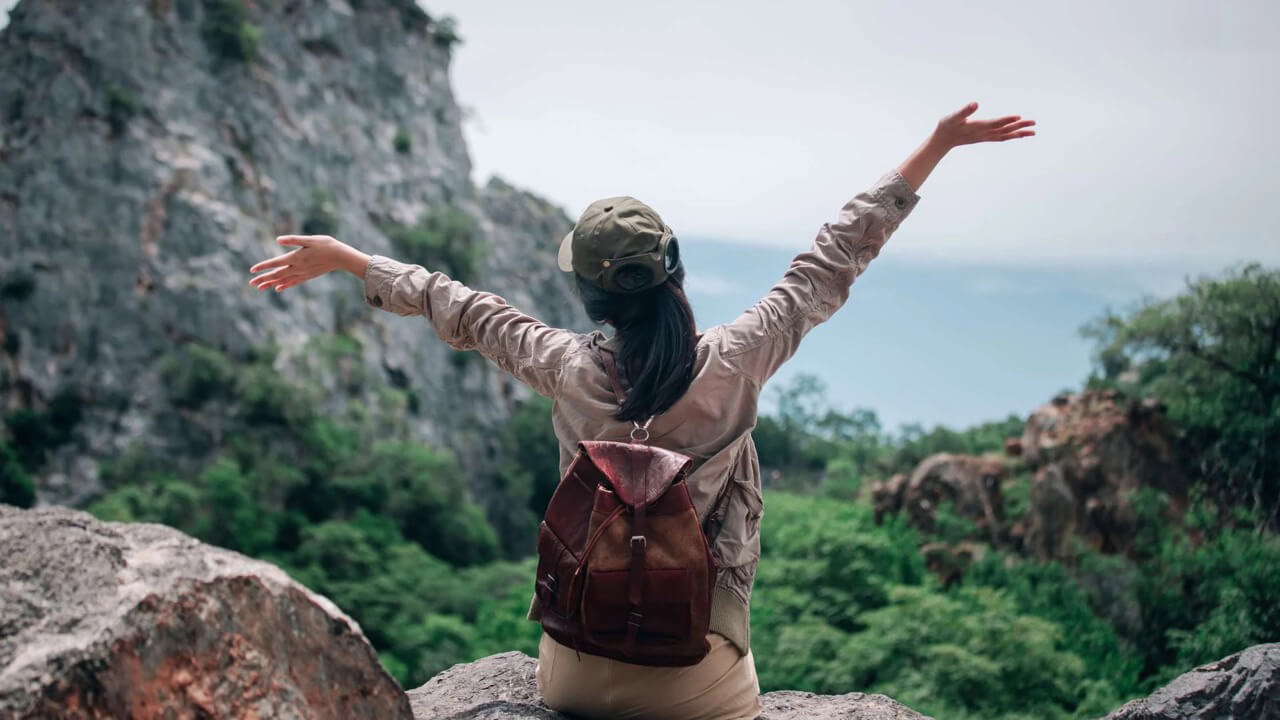


Mount Kilimanjaro is more than Africa’s highest mountain; it is a symbol of challenge, achievement, and adventure. Rising to 5,895 meters above sea level, Kilimanjaro attracts trekkers from all over the world who dream of standing on Uhuru Peak, the highest point on the African continent. Unlike many high-altitude mountains, Kilimanjaro requires no technical climbing skills, making it accessible to determined hikers with the right preparation, mindset, and guidance.
Planning a successful Kilimanjaro trek, however, goes far beyond choosing a route and packing a backpack. Understanding the different trekking routes, realistic success rates, best seasons to climb, and proper acclimatization strategies is essential. In this comprehensive guide, Astro Safaris shares expert insights to help you plan a safe, enjoyable, and rewarding Mount Kilimanjaro trekking experience.
Why Climb Mount Kilimanjaro?
Mount Kilimanjaro offers a rare opportunity to experience extreme altitude trekking without technical mountaineering. Trekkers pass through five distinct climate zones, from lush rainforest and heathland to alpine desert and arctic summit conditions. This dramatic environmental transition makes every day on the mountain visually and emotionally rewarding.
Beyond the landscapes, Kilimanjaro represents a personal journey. Many climbers describe the trek as both physically demanding and deeply inspiring, with a strong sense of accomplishment upon reaching the summit. With proper planning and professional support from companies like Astro Safaris, climbers of varying fitness levels can achieve their goal safely.
Understanding Kilimanjaro’s Climate and Altitude
One of the biggest challenges on Mount Kilimanjaro is altitude. As you ascend, oxygen levels decrease, and the body must adapt gradually. Altitude sickness is the most common reason climbers fail to reach the summit, making acclimatization a critical factor in route selection and itinerary length.
Kilimanjaro’s climate changes rapidly with altitude. Warm days in the rainforest give way to cold nights at higher camps, and summit night often involves freezing temperatures and strong winds. Proper preparation, pacing, and equipment are essential for comfort and safety.
Mount Kilimanjaro Trekking Routes Explained
Choosing the right route is one of the most important decisions when planning a Kilimanjaro trek. Each route offers different scenery, difficulty levels, acclimatization profiles, and success rates.
Machame Route
The Machame Route is one of the most popular ways to climb Mount Kilimanjaro. Often called the “Whiskey Route,” it offers excellent scenery and a good acclimatization profile due to its climb-high, sleep-low approach. The route typically takes six to seven days and has a relatively high summit success rate when extra acclimatization days are included.
Marangu Route
The Marangu Route, also known as the “Coca-Cola Route,” is the only route with hut accommodation. It is considered one of the easier routes in terms of trail conditions but has a lower success rate due to shorter itineraries and limited acclimatization. Climbers choosing Marangu benefit from sleeping in huts rather than tents, which can be appealing during the rainy season.
Lemosho Route
The Lemosho Route is widely regarded as one of the best routes on Mount Kilimanjaro. It offers outstanding scenery, lower traffic during the early days, and excellent acclimatization opportunities. The route usually takes seven to eight days, resulting in one of the highest summit success rates on the mountain.
Rongai Route
The Rongai Route approaches Kilimanjaro from the north near the Kenyan border. It is drier and less crowded than southern routes, making it a good option during the rainy seasons. Rongai offers a steady ascent profile and moderate success rates, especially when additional acclimatization days are included.
Northern Circuit Route
The Northern Circuit is the longest route on Mount Kilimanjaro and offers the highest success rate. Taking eight to nine days, it provides exceptional acclimatization and panoramic views around the mountain. This route is ideal for trekkers who prioritize summit success and a quieter trekking experience.
Umbwe Route
The Umbwe Route is the steepest and most direct route to the summit. It is physically demanding and offers limited acclimatization, making it suitable only for experienced trekkers. While scenic, it has lower success rates compared to longer routes.
Kilimanjaro Success Rates: What Influences Your Chances?
Summit success on Mount Kilimanjaro depends on several factors, including route choice, itinerary length, acclimatization strategy, physical fitness, and mental resilience. Longer routes with gradual ascents consistently show higher success rates, while shorter itineraries increase the risk of altitude-related issues.
Professional guiding also plays a crucial role. Experienced guides monitor climbers’ health, adjust pacing, and make informed decisions when conditions change. Astro Safaris focuses on safety-first itineraries designed to maximize success while minimizing risk.
Best Time to Climb Mount Kilimanjaro
Mount Kilimanjaro can be climbed year-round, but certain seasons offer more favorable conditions. The main dry seasons run from January to March and from June to October. These periods provide clearer skies, drier trails, and more stable weather.
The rainy seasons occur from April to May and in November. While trekking is still possible, trails can be muddy and visibility reduced. Some climbers choose these periods for fewer crowds and discounted rates, particularly on routes like Rongai and Marangu.
Physical Preparation and Fitness for Kilimanjaro
Climbing Kilimanjaro is a long-distance trek rather than a technical climb. Cardiovascular fitness, leg strength, and endurance are key preparation areas. Training hikes, stair climbing, and aerobic exercises help build the stamina needed for summit night.
Mental preparation is equally important. Summit night is physically and emotionally demanding, requiring determination and steady pacing. With the right mindset and professional support, many trekkers successfully reach the summit.
What to Expect on Summit Night
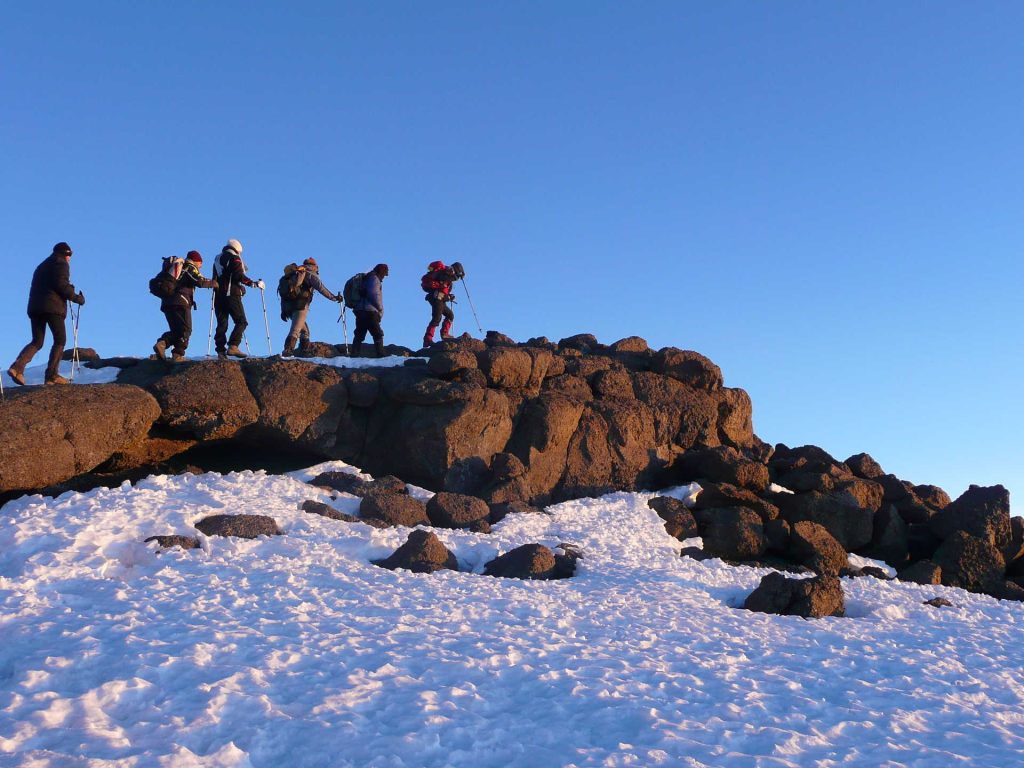
Summit night typically begins around midnight, allowing climbers to reach the summit at sunrise. The ascent is slow and challenging, with cold temperatures and reduced oxygen levels. Reaching Uhuru Peak at dawn is an emotional moment, offering breathtaking views and a powerful sense of achievement. After summiting, climbers descend to lower camps for rest and recovery, often experiencing rapid changes in energy levels as oxygen increases.
Safety, Guides, and Support on Kilimanjaro
Safety is paramount on Mount Kilimanjaro. Professional guides, porters, and support staff ensure climbers are well cared for throughout the trek. Health checks, proper pacing, nutritious meals, and quality equipment all contribute to a safe experience. Astro Safaris follows responsible trekking practices, ensuring fair treatment of porters and adherence to safety standards while delivering high-quality trekking experiences.
Begin Your Kilimanjaro Trek With Astro Safaris
Climbing Mount Kilimanjaro is a life-changing adventure that requires thoughtful planning, patience, and expert support. From choosing the right route to timing your climb and preparing your body, every detail matters.
Astro Safaris is committed to helping trekkers reach the summit safely and confidently. With experienced mountain guides, carefully designed itineraries, and a strong focus on acclimatization, we help turn your Kilimanjaro dream into reality. Contact Astro Safaris today and start planning your Mount Kilimanjaro trekking adventure.
Frequently Asked Questions About A Guide To Your Mountain Kilimanjaro Climb
Mount Kilimanjaro is challenging due to altitude rather than technical difficulty. With proper preparation and acclimatization, many trekkers of average fitness successfully reach the summit.
Routes like Lemosho, Machame, and the Northern Circuit are well suited for first-time climbers due to better acclimatization and higher success rates.
Summit temperatures can drop well below freezing, especially at night. Proper cold-weather gear is essential.
Previous trekking experience is helpful but not required. Determination, fitness, and good preparation are more important.
Most treks last between six and nine days, depending on the route and acclimatization plan.
Altitude sickness can affect anyone, but choosing longer routes and following guide instructions significantly reduces the risk.
Yes, Astro Safaris offers professionally guided Mount Kilimanjaro treks with experienced teams and safety-focused itineraries.
RELATED BLOGS
Exploring Africa’s Iconic Experience in Tanzania
Explore Astro
Our Dream Vacation
Day Trips (Short Safari)
Top Experiences