
- About Us
- Blogs
- Terms And Conditions

Based on Tripadvisor reviews
Based on Tripadvisor reviews
- About Us
- Blogs

What No One Tells You Before a Tanzania Safari
Beyond the Brochures and Bucket Lists
A Tanzania safari is often described in superlatives: breathtaking wildlife, endless plains, luxurious lodges, and unforgettable sunsets. And while all of that is true, there are many important realities that glossy brochures and social media rarely explain. These are not negatives—far from it—but practical truths that, when understood, make your safari richer, calmer, and far more rewarding.
This guide explores what no one tells you before a Tanzania safari—the unspoken rhythms, small challenges, emotional moments, and quiet details that shape the experience. It’s written for travelers who want to arrive informed, grounded, and ready to fully embrace the journey rather than be surprised by it.
A Safari Is Slower Than You Expect—and That’s the Point
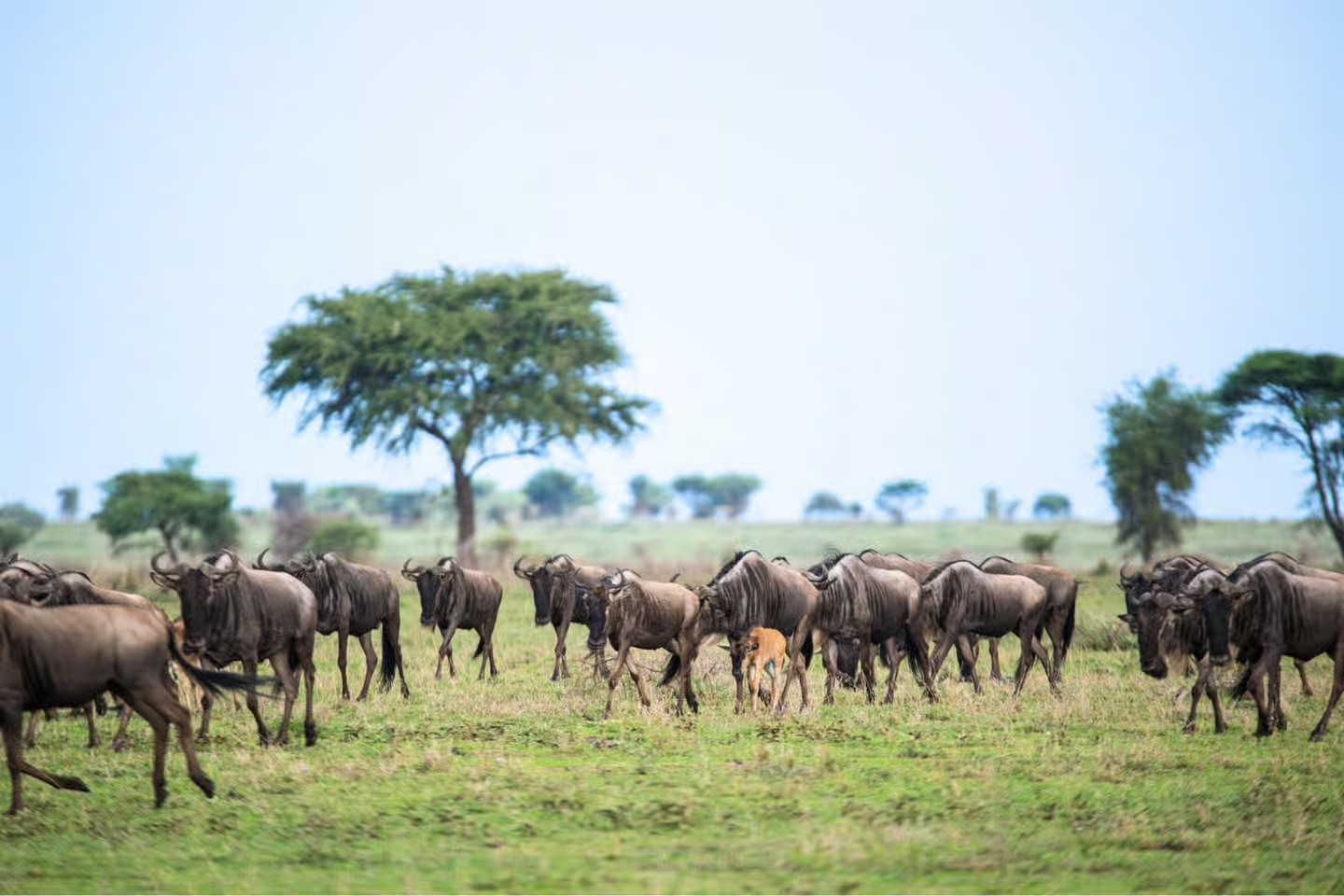
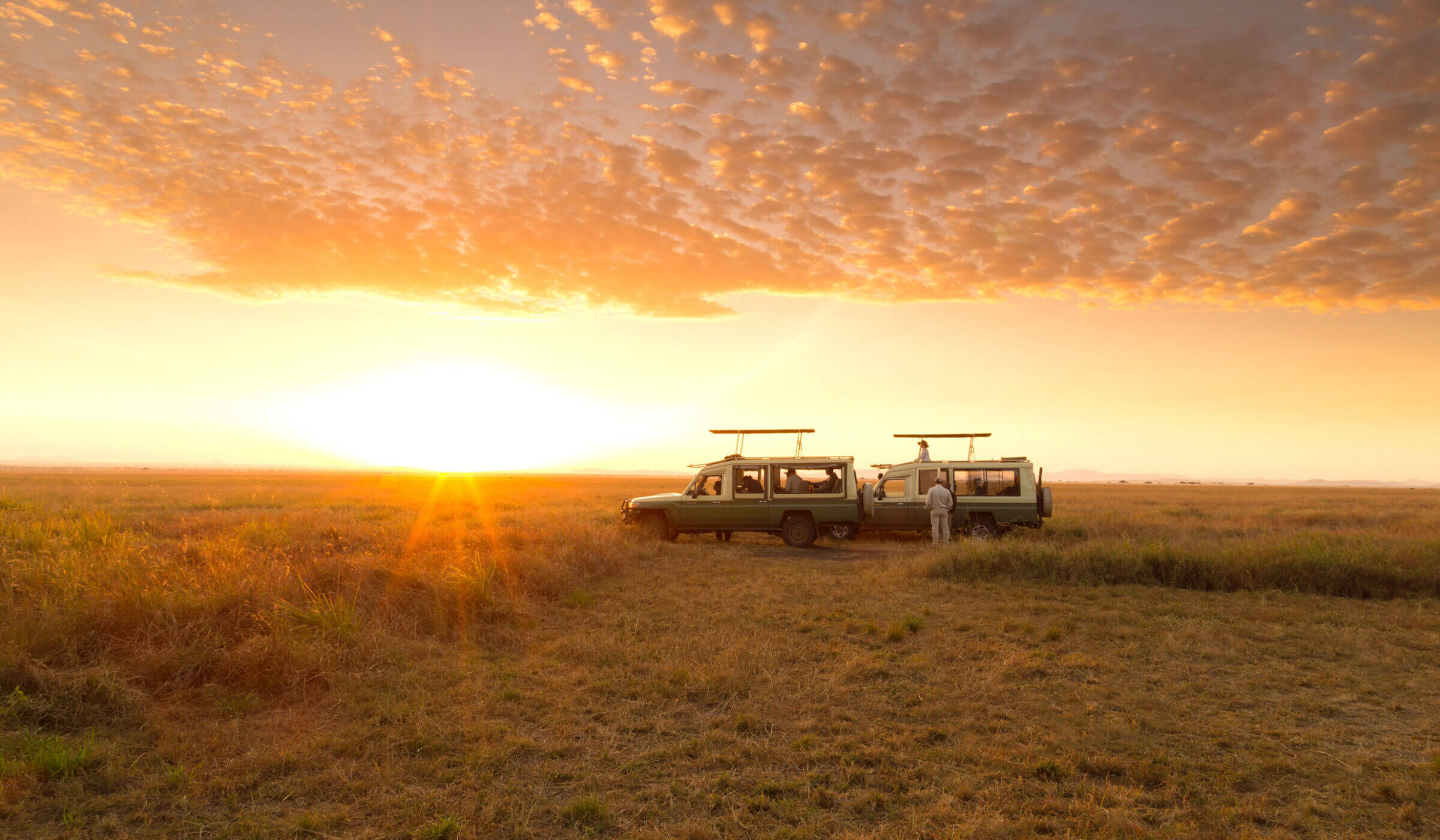
One of the first surprises for many travelers is how slow a safari actually feels. Game drives are not action-packed chases from dawn to dusk. They are long, quiet hours of scanning the landscape, waiting, watching, and listening. Wildlife operates on its own schedule, not ours.
This slower pace is intentional and necessary. Animals rest, move, and hunt according to natural cycles, and the most meaningful sightings often happen after long stretches of stillness. A Tanzania safari teaches patience in a way modern travel rarely does, and those who embrace the rhythm often describe it as deeply restorative.
You Will See Less Wildlife Than You Imagine and Feel More
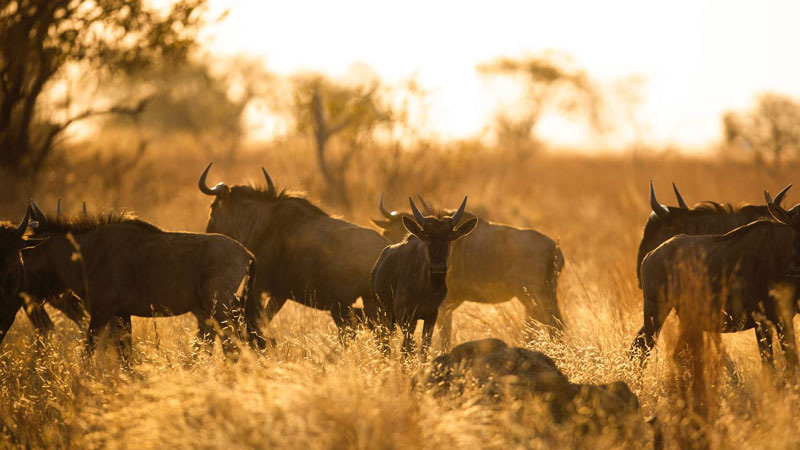
Many first-time safari travelers secretly worry about “seeing everything.” The reality is that you may not see all of the Big Five, and you may go hours without dramatic encounters. Yet what surprises most people is how emotionally powerful even a single sighting can be.
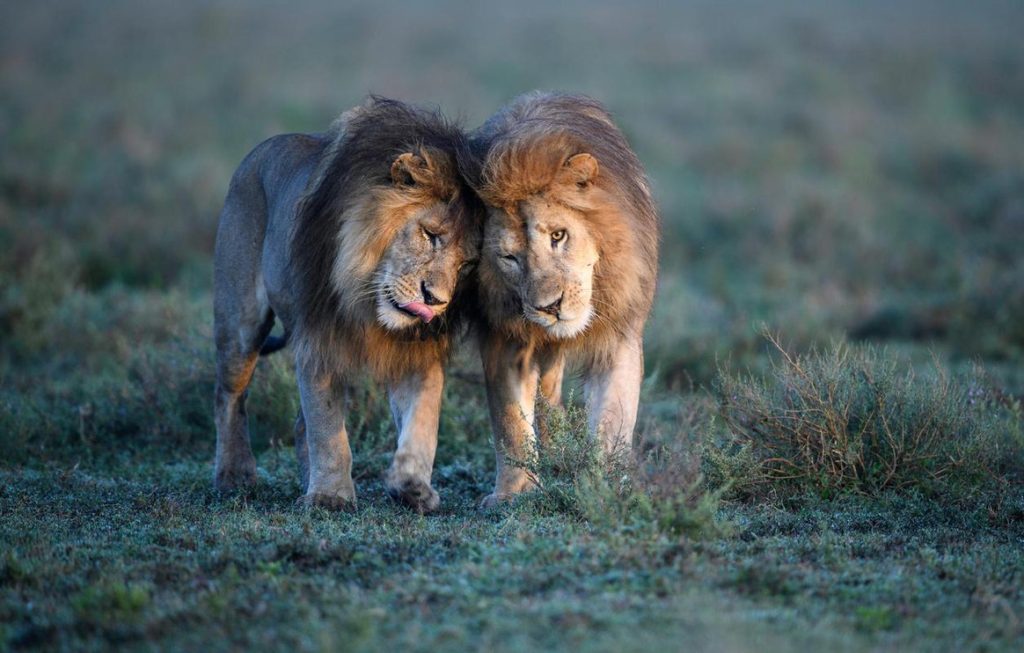
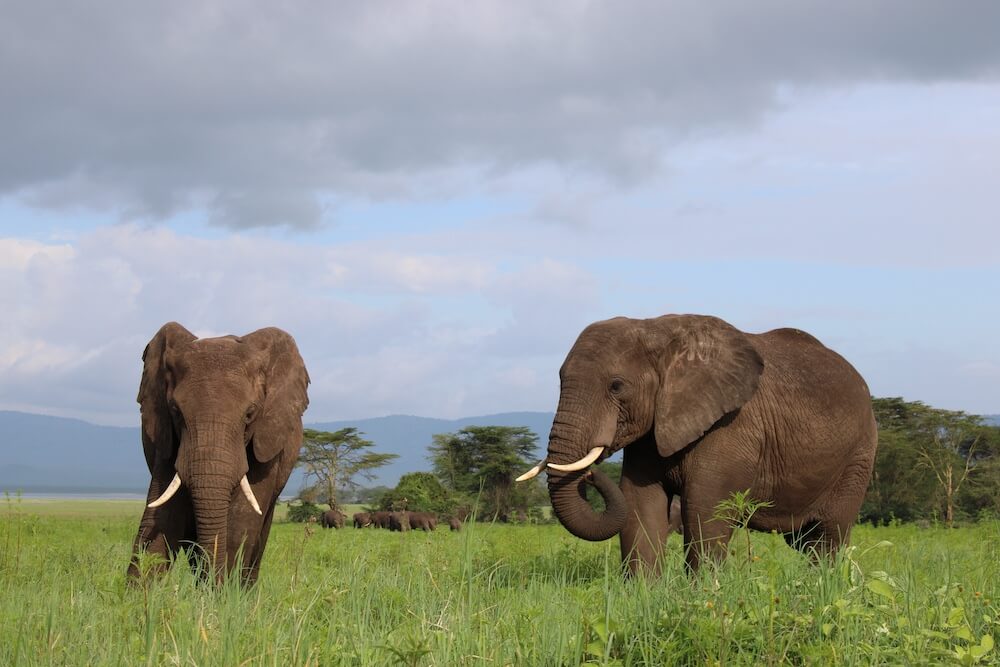
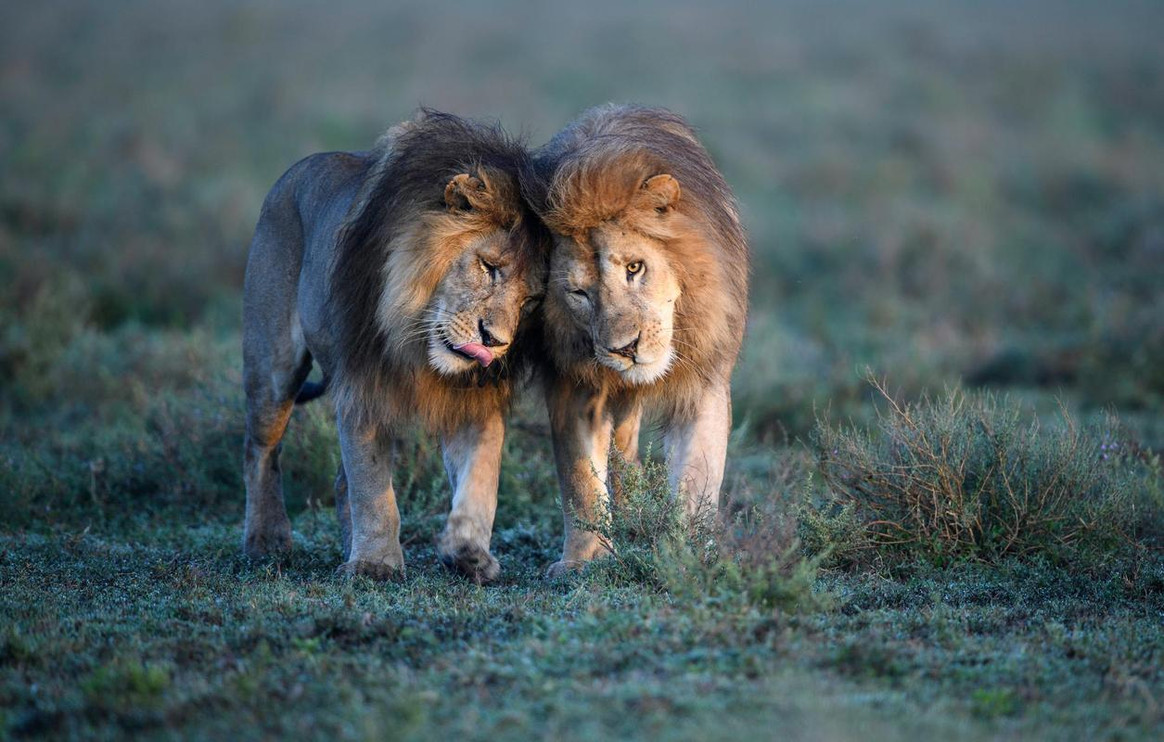
Watching a lion sleep in the shade, a giraffe walk silently across the plains, or elephants interact gently as a family often leaves a deeper impression than constant action. Safari is not about quantity—it’s about presence, context, and connection.
Comfort Exists, But This Is Still the Wild
Even luxury safari lodges exist within wild ecosystems. This means you may hear lions at night, wake to birds instead of alarms, and experience occasional dust, heat, or insects. Rooms are comfortable, meals are excellent, and service is attentive—but this is not a city hotel.
Understanding this balance prevents disappointment. The magic of a Tanzania safari lies precisely in the fact that nature is not sanitized or controlled. Once travelers accept that, the experience becomes more immersive and authentic.
Your Guide Matters More Than the Park
No one tells you just how much your safari guide shapes the entire experience. The same park on the same day can feel completely different depending on who is behind the wheel. A great guide doesn’t just spot animals; they interpret behavior, share stories, read the land, and pace the day with sensitivity.
In Tanzania, many guides have grown up near the parks and bring generational knowledge to their work. Asking questions, engaging in conversation, and trusting your guide often unlocks layers of insight that turn a good safari into an exceptional one.
Early Mornings Are Non-Negotiable
Safari days start early—often before sunrise. This surprises travelers who imagine leisurely mornings. Early starts are essential because wildlife is most active during cooler hours, and the light is best for viewing and photography.
While the alarm may feel harsh on the first day, many travelers quickly come to cherish these mornings. The air is fresh, the landscape feels untouched, and the sense of anticipation is unlike anything else in travel.
Midday Downtime Is Not Wasted Time
Between morning and afternoon game drives, most lodges schedule rest time. At first, this can feel unnecessary, especially for travelers eager to maximize sightings. In reality, this downtime is essential.
The midday heat slows animal activity, and resting allows guests to recharge. Whether you nap, read, watch wildlife from camp, or simply sit quietly, this pause becomes part of the safari rhythm. Many travelers later realize these quiet moments were among their most memorable.
Safari Food Is Better Than You Expect
Internet and mobile connectivity on safari can be limited or slow, especially in remote parks. While this may initially cause anxiety, most travelers quickly realize it’s a gift.
Without constant notifications, attention shifts outward—to landscapes, conversations, and internal reflection. Many guests describe safari as one of the few travel experiences that genuinely allows mental reset. The absence of connectivity becomes a feature, not a flaw.
You’ll Disconnect Whether You Plan To or Not
Internet and mobile connectivity on safari can be limited or slow, especially in remote parks. While this may initially cause anxiety, most travelers quickly realize it’s a gift.
Without constant notifications, attention shifts outward—to landscapes, conversations, and internal reflection. Many guests describe safari as one of the few travel experiences that genuinely allows mental reset. The absence of connectivity becomes a feature, not a flaw.
Safari Days Are Emotionally Intense
No one talks enough about the emotional impact of a Tanzania safari. Witnessing wildlife in its natural environment—especially moments of birth, hunting, or death—can be deeply moving.
Safaris reveal nature without filters. Predation, survival, and vulnerability are part of the ecosystem. For many travelers, these experiences prompt reflection about life, balance, and humanity’s place in the natural world.
Tipping Is Expected but Often Unclear
Tipping etiquette on safari is rarely explained clearly. While tipping is not mandatory, it is customary and appreciated, especially for guides and camp staff who work long hours to ensure guest comfort and safety.
Understanding expected tipping ranges before arrival helps travelers feel confident rather than awkward. Most lodges provide guidance discreetly, and tips are usually pooled to support the entire team.
You Don’t Need as Much Gear as You Think
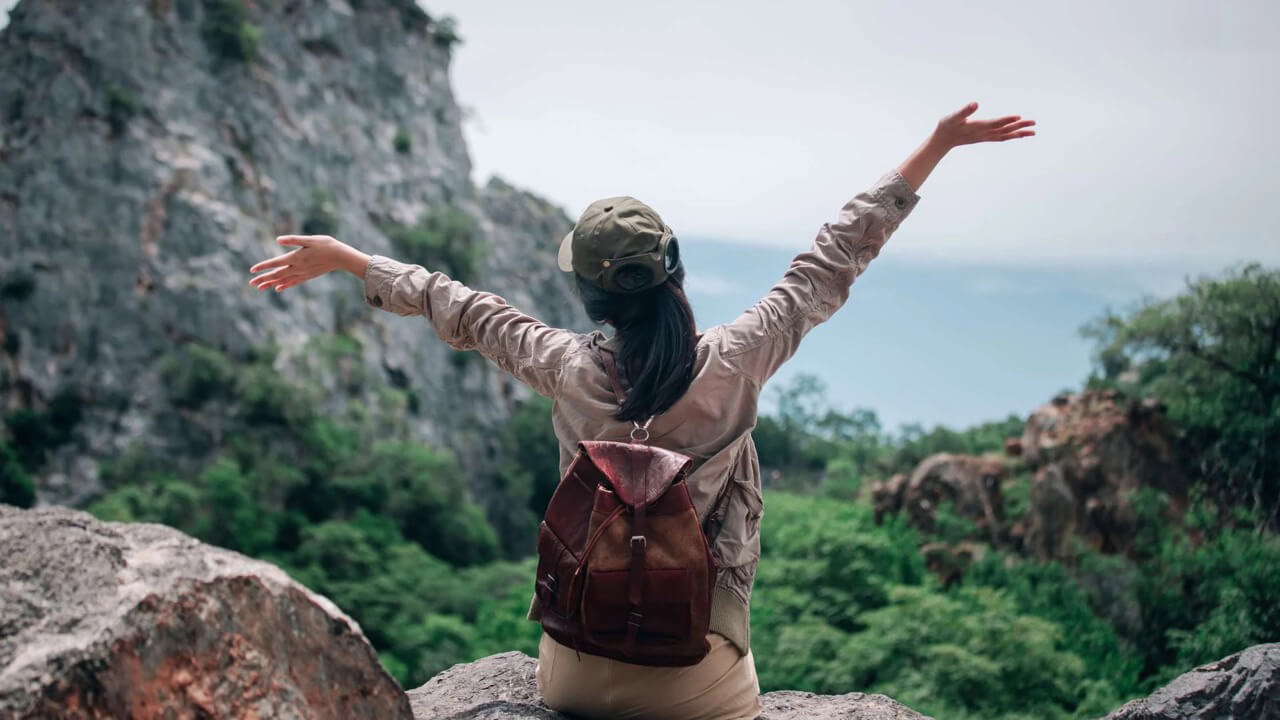
First-time safari travelers often overpack, imagining extreme conditions. In reality, comfortable, neutral-colored clothing, good footwear, sun protection, and a light jacket are usually sufficient.
Safari vehicles provide blankets, water, and shade. Packing light enhances comfort, especially on small aircraft transfers. What matters more than gear is mindset and adaptability.
Health Concerns Are Real—but Manageable
Concerns about malaria, food safety, and medical access are common. What’s rarely explained is how effectively these risks are managed by professional safari operations.
Lodges use mosquito control measures, provide purified water, and follow strict hygiene standards. Guides are trained in first aid, and emergency protocols are in place. With sensible precautions, health issues are uncommon and rarely serious.
The Experience Changes You Quietly
Perhaps the most important thing no one tells you is that a Tanzania safari often changes people in subtle ways. It may not feel dramatic in the moment, but weeks later, travelers find themselves thinking differently about time, consumption, and connection.
The simplicity of life on safari—the rising sun, shared meals, and unhurried days—often lingers long after the journey ends.
Real Safari Experiences: What Travelers Actually Report
Most safari travelers report being pleasantly surprised by how comfortable and bug-free their experience is. Many note that concerns about malaria and insects faded within the first day as they settled into lodge routines and saw preventive systems in action.
Rather than battling bugs, guests spend evenings around campfires, enjoying open-air dinners, and sleeping soundly under star-filled skies.
Knowing the Truth Makes the Safari Better
A Tanzania safari is not just a vacation; it is an experience shaped by rhythm, patience, and presence. Understanding what no one tells you before you go doesn’t diminish the magic—it deepens it.
When expectations align with reality, travelers arrive open rather than anxious, curious rather than rushed. And in that openness, the true beauty of Tanzania reveals itself—not only in wildlife and landscapes, but in perspective.
Frequently Asked Questions What No One Tells You Before a Tanzania Safari
Is a Tanzania safari physically demanding?
For most travelers, a Tanzania safari is not physically demanding at all. The majority of safari activities involve game drives in comfortable 4×4 vehicles with frequent stops for wildlife viewing, photography, and rest.
Guests spend several hours seated, with opportunities to stretch, enjoy refreshments, and return to camp for midday relaxation. Walking safaris are optional and conducted at an easy pace under professional supervision. The main physical adjustment tends to be early mornings rather than strenuous activity, making safaris suitable for travelers of varied fitness levels.
Will I see a lot of animals every day on safari?
Wildlife sightings vary from day to day, and this unpredictability is part of what makes a safari authentic. Some days may deliver dramatic encounters with predators, large herds, and constant activity, while other days are quieter and more observational.
Even on slower days, travelers gain insight into animal behavior, landscapes, and ecosystems. Over the course of a well-planned Tanzania safari, most guests see a wide range of wildlife, but the experience is richer when expectations focus on quality and context rather than quantity.
Is it safe to travel to Tanzania for a safari?
Yes, Tanzania is widely regarded as a safe and stable safari destination, especially for visitors traveling with licensed safari operators. National parks and conservation areas are well managed, lodges maintain security protocols, and guides are trained to handle both wildlife and guest safety.
Safari travel is highly structured, with controlled routes, communication systems, and emergency procedures in place. As with any international travel, basic awareness is advised, but safety concerns rarely interfere with the safari experience.
Do safaris feel rushed or overly scheduled?
Contrary to what some travelers expect, safaris are intentionally unhurried. While game drives begin early, the overall rhythm is balanced, allowing time for rest, meals, and reflection. Schedules are flexible and often adjusted based on wildlife movement, weather, and guest comfort.
Lodges encourage midday downtime when animals are less active. Rather than feeling rushed, many travelers find safari life slower and more mindful than their everyday routines at home.
Can children and older travelers enjoy a Tanzania safari?
Yes, Tanzania safaris can be wonderfully rewarding for both children and older travelers when planned appropriately. Many lodges welcome families and offer flexible schedules, shorter game drives, and educational experiences suited to younger guests.
Older travelers benefit from comfortable vehicles, attentive service, and customizable pacing. Communicating specific needs in advance ensures the safari is adapted for comfort, safety, and enjoyment across generations.
Will I be bored during long game drives?
Most travelers find that long game drives are surprisingly engaging rather than boring. Guides continuously scan for wildlife, explain animal behavior, interpret tracks, and share stories about the landscape and local culture.
Even when animals are resting or less visible, the environment itself—changing light, weather, and scenery—keeps drives interesting. Many guests report that what initially seemed like “long hours” quickly become the most absorbing part of the safari.
What do travelers most often regret after a Tanzania safari?
The most common regret is not allowing enough time. Many travelers wish they had stayed an extra day or added another park to fully settle into the safari rhythm.
Others regret overpacking or worrying too much beforehand about things like bugs, food, or comfort. Very few regret the destination itself. Most leave Tanzania wishing they had slowed down even more and extended the experience.
RELATED BLOGS


Exploring Africa’s Iconic Experience in Tanzania


Explore Astro
Our Dream Vacation
Day Trips (Short Safari)
Top Experiences
© Copyright 2026 Astro Safaris and Tours
