

Based on Tripadvisor reviews

Based on Tripadvisor reviews
Based on Tripadvisor reviews
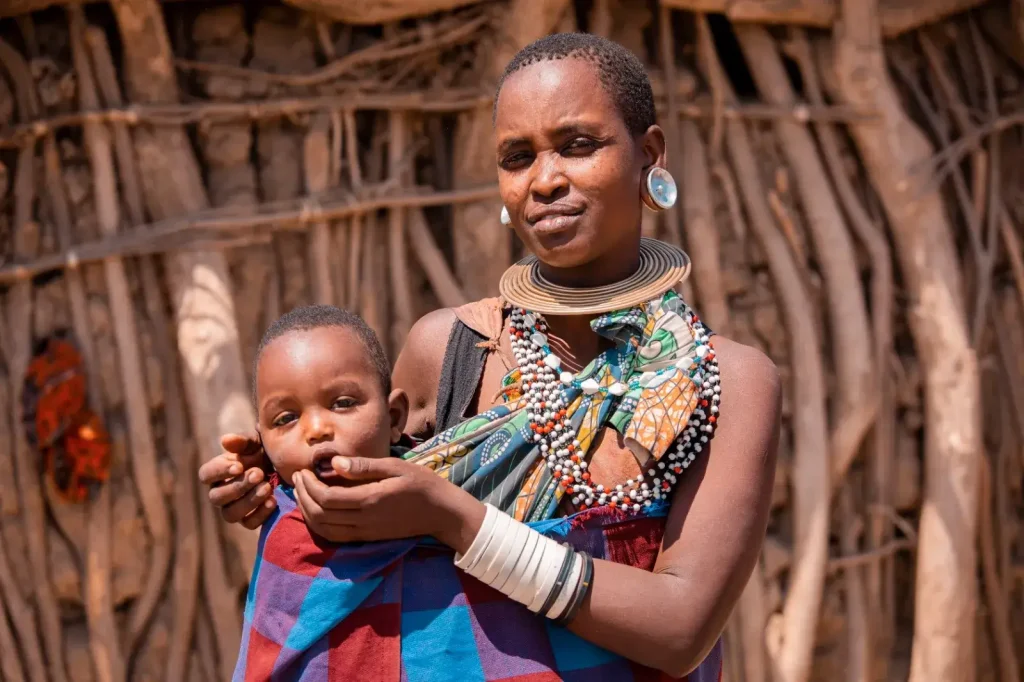
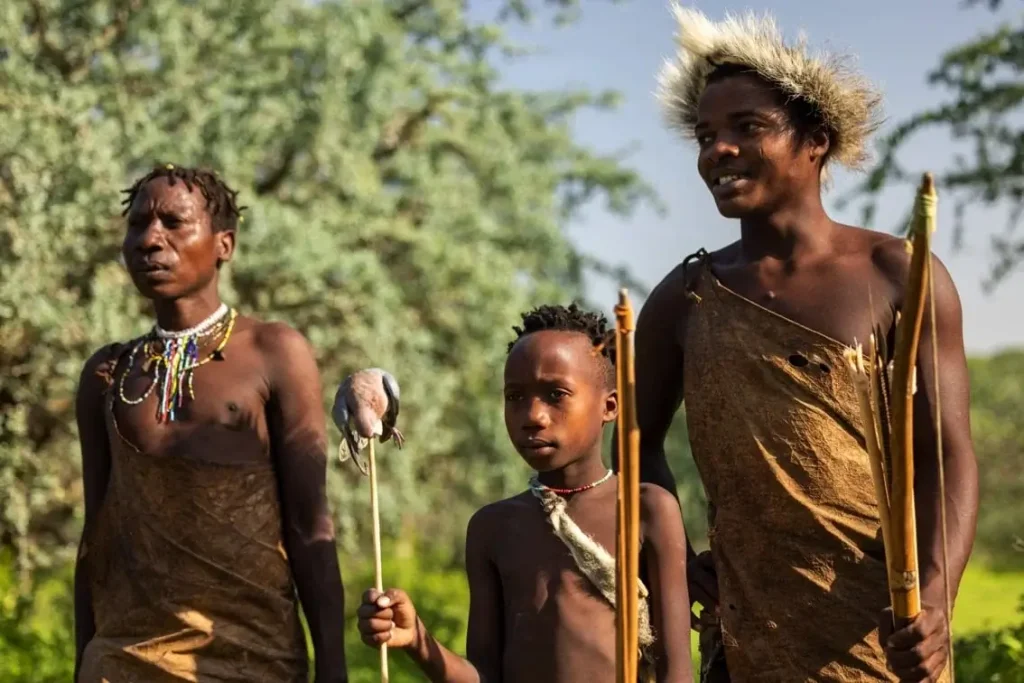
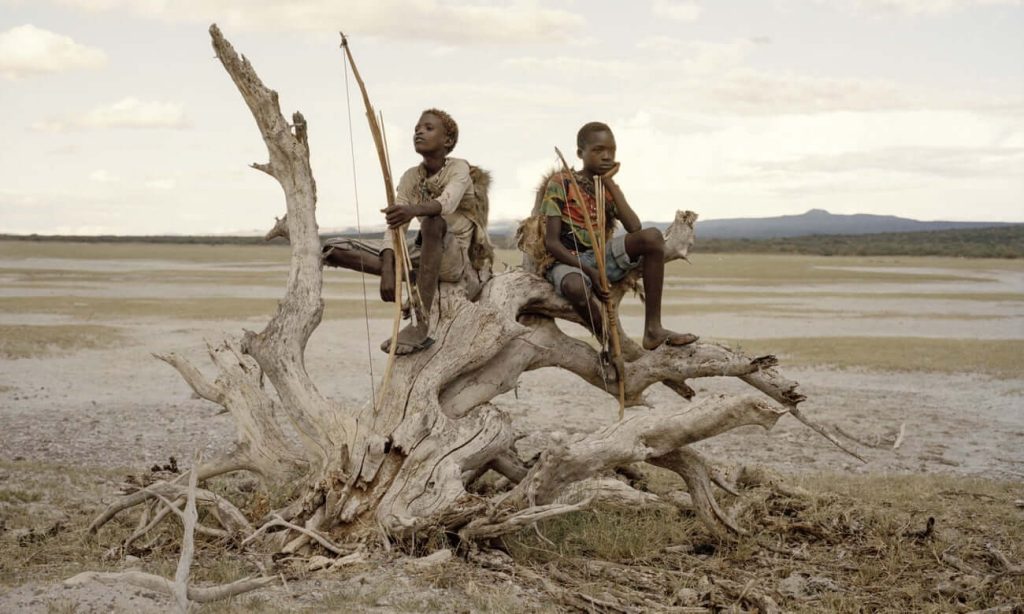






In a world shaped by agriculture, technology, and permanent settlement, the Hadzabe people of northern Tanzania represent a rare connection to humanity’s earliest way of life. For thousands of years, they have survived as hunter-gatherers, relying on deep environmental knowledge rather than modern tools or farming systems. Today, they are widely recognized as one of the last remaining hunter-gatherer societies in Africa.
For travelers seeking cultural depth beyond wildlife safaris, learning about the Hadzabe offers a powerful perspective on human history, resilience, and adaptation. At Astro Safaris, cultural encounters with the Hadzabe are approached with care, respect, and an emphasis on education rather than spectacle. Understanding what truly makes the Hadzabe unique is essential before visiting their homeland.
Who Are the Hadzabe People?
The Hadzabe are an indigenous ethnic group living primarily around Lake Eyasi in northern Tanzania, near the Great Rift Valley. Unlike neighboring pastoralist or agricultural communities, the Hadzabe have maintained a pure hunter-gatherer lifestyle, relying almost entirely on wild resources for survival.
Their population is small, estimated at just a few thousand individuals, and they live in small, mobile family groups rather than permanent villages. This mobility allows them to follow food sources while minimizing environmental impact.
A Lifestyle Rooted in Hunting and Gathering
Hunting as a Daily Practice
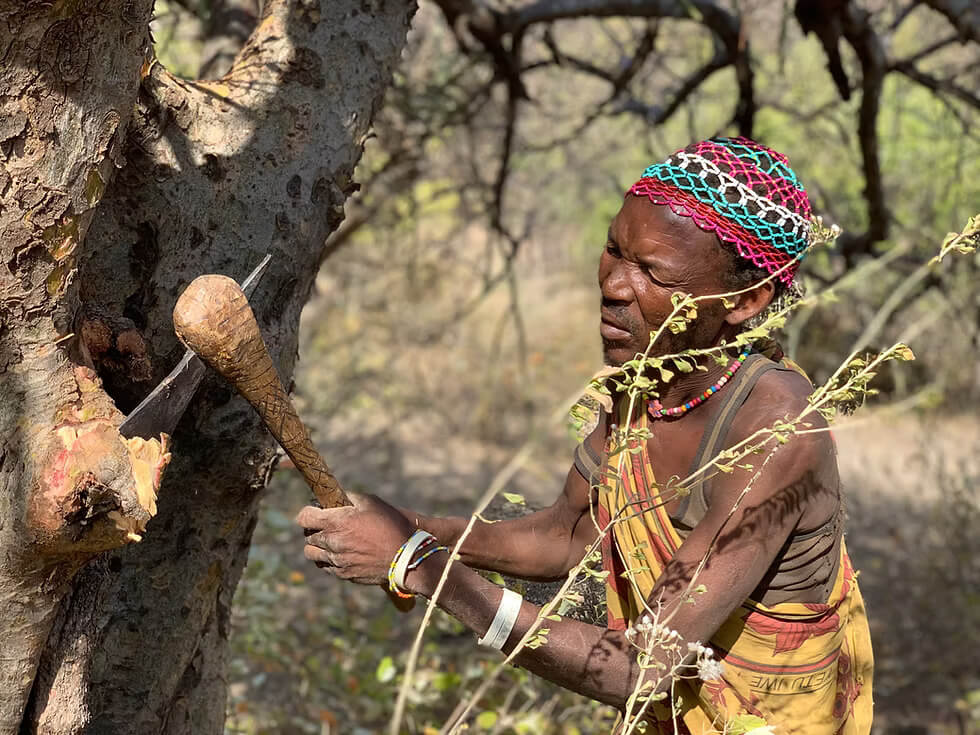
Hunting remains central to Hadzabe life. Men typically hunt using handmade bows and poison-tipped arrows, crafted from locally sourced materials. Small game such as birds, antelope, and occasionally larger animals provide protein, while honey collected from wild beehives is considered one of the most valued foods.
Hunting is not a commercial activity. It is guided by immediate needs, environmental conditions, and shared knowledge passed down through generations.
Gathering Wild Foods
Women play a crucial role by gathering fruits, berries, tubers, and roots. Their knowledge of edible plants is extensive and seasonally specific, ensuring food security even during challenging periods. This balanced division of labor supports the group without hierarchy or accumulation of wealth.
Language and Identity: A Rare Linguistic Heritage
The Hadzabe speak Hadzane, a unique click-based language unrelated to most other African languages. Linguists consider it one of the oldest surviving human languages, offering insight into early human communication.
Language is deeply tied to identity, and Hadzane remains the primary means of storytelling, teaching survival skills, and passing down cultural values. The continued use of this language is one of the strongest indicators of the Hadzabe’s cultural continuity.
Social Structure Without Hierarchy
One of the most remarkable aspects of Hadzabe society is the absence of formal leadership. There are no chiefs, councils, or ruling elders. Decisions are made collectively, and individuals are free to join or leave groups as they choose.
This egalitarian structure reduces conflict and reinforces cooperation. Resources are shared openly, and social status is not tied to possessions or power.
Relationship With the Natural Environment
The Hadzabe view themselves as part of nature rather than separate from it. They do not farm, herd animals, or permanently alter the landscape. Camps are temporary and leave minimal traces, allowing ecosystems to regenerate naturally.
Their survival depends on a detailed understanding of animal behavior, seasonal cycles, and plant ecology. This knowledge makes the Hadzabe not only skilled survivors but also natural conservationists.
Why the Hadzabe Have Survived While Others Have Not
Many hunter-gatherer societies disappeared due to displacement, forced settlement, or loss of land. The Hadzabe’s continued existence is largely due to their geographic isolation, adaptability, and resistance to adopting practices that would compromise their autonomy.
However, modern pressures such as land encroachment, tourism, and environmental change pose ongoing challenges. Responsible engagement is therefore critical.
Visiting the Hadzabe: Cultural Experience, Not Performance
A visit to the Hadzabe is not a staged show. It is an opportunity to observe and learn respectfully. Activities may include walking with hunters, learning about tracking, or understanding how fire is traditionally made.
Astro Safaris works closely with local partners to ensure visits are ethical, consensual, and beneficial to the community. The goal is understanding not intrusion.
Why the Hadzabe Matter in a Modern World
The Hadzabe offer more than cultural curiosity. They provide insight into sustainable living, cooperation without hierarchy, and resilience without dependency on modern systems. In a time of environmental and social change, their way of life raises important questions about humanity’s relationship with nature.
For travelers, encountering the Hadzabe often becomes one of the most meaningful experiences in Tanzania not because it is exotic, but because it is profoundly human.
Practical Tips for Travelers Interested in Hadzabe Culture
Approach with humility and curiosity rather than expectations. Photography should always be requested politely. Listening is more important than asking questions, and small gestures of respect go a long way.
Astro Safaris prepares guests in advance to ensure interactions are culturally appropriate and mutually respectful.
Learning From One of Humanity’s Oldest Ways of Life
The Hadzabe people represent a living link to humanity’s distant past, offering lessons in sustainability, cooperation, and resilience that remain relevant today. Understanding what makes them one of Africa’s last hunter-gatherer societies enriches not only a Tanzania safari, but a traveler’s perspective on human history.
Astro Safaris believes cultural experiences should be thoughtful and transformative. By approaching the Hadzabe with respect and curiosity, travelers gain insight into a way of life that has endured against all odds.
Frequently Asked Questions About What Makes the Hadzabe One of Africa’s Last Hunter-Gatherer Societies
Yes, many Hadzabe still rely primarily on hunting and gathering for daily survival.
They live mainly around Lake Eyasi in northern Tanzania.
Yes, when visits are conducted responsibly and with community consent.
No, they traditionally do not practice agriculture or pastoralism.
They speak Hadzane, a unique click-based language.
Short educational walks may be possible, but hunting remains a personal and cultural practice.
Astro Safaris works with local guides and community leaders to ensure ethical, respectful interactions.
RELATED BLOGS
Exploring Africa’s Iconic Experience in Tanzania
Explore Astro
Our Dream Vacation
Day Trips (Short Safari)
Top Experiences