
- About Us
- Blogs
- Terms And Conditions

Based on Tripadvisor reviews
Based on Tripadvisor reviews
- About Us
- Blogs

What Makes Tanzania Pricier Than Kenya?
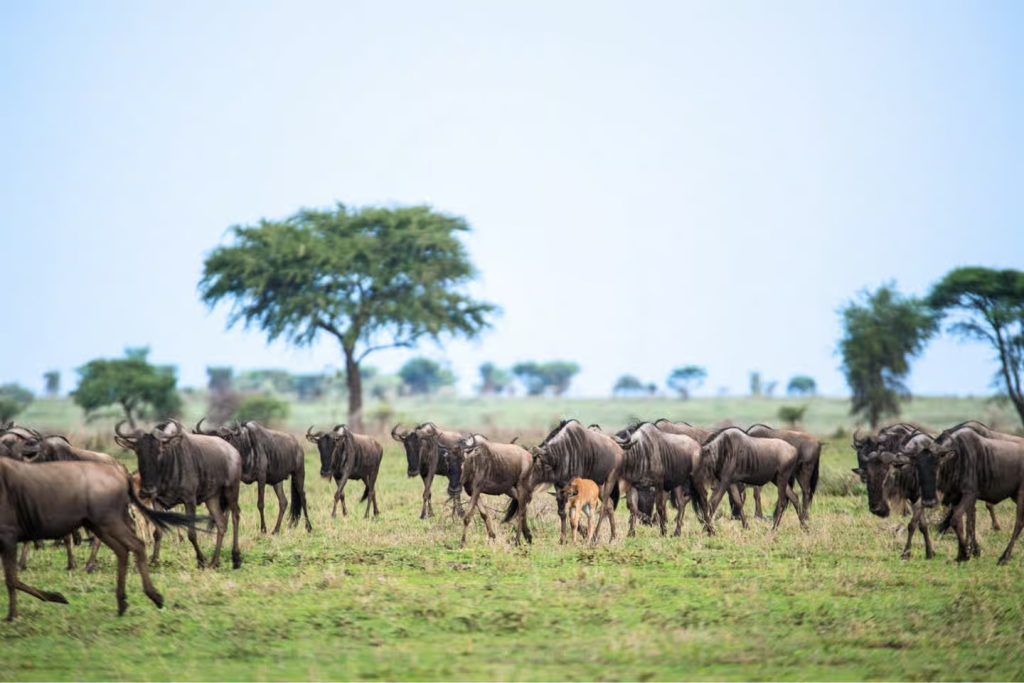
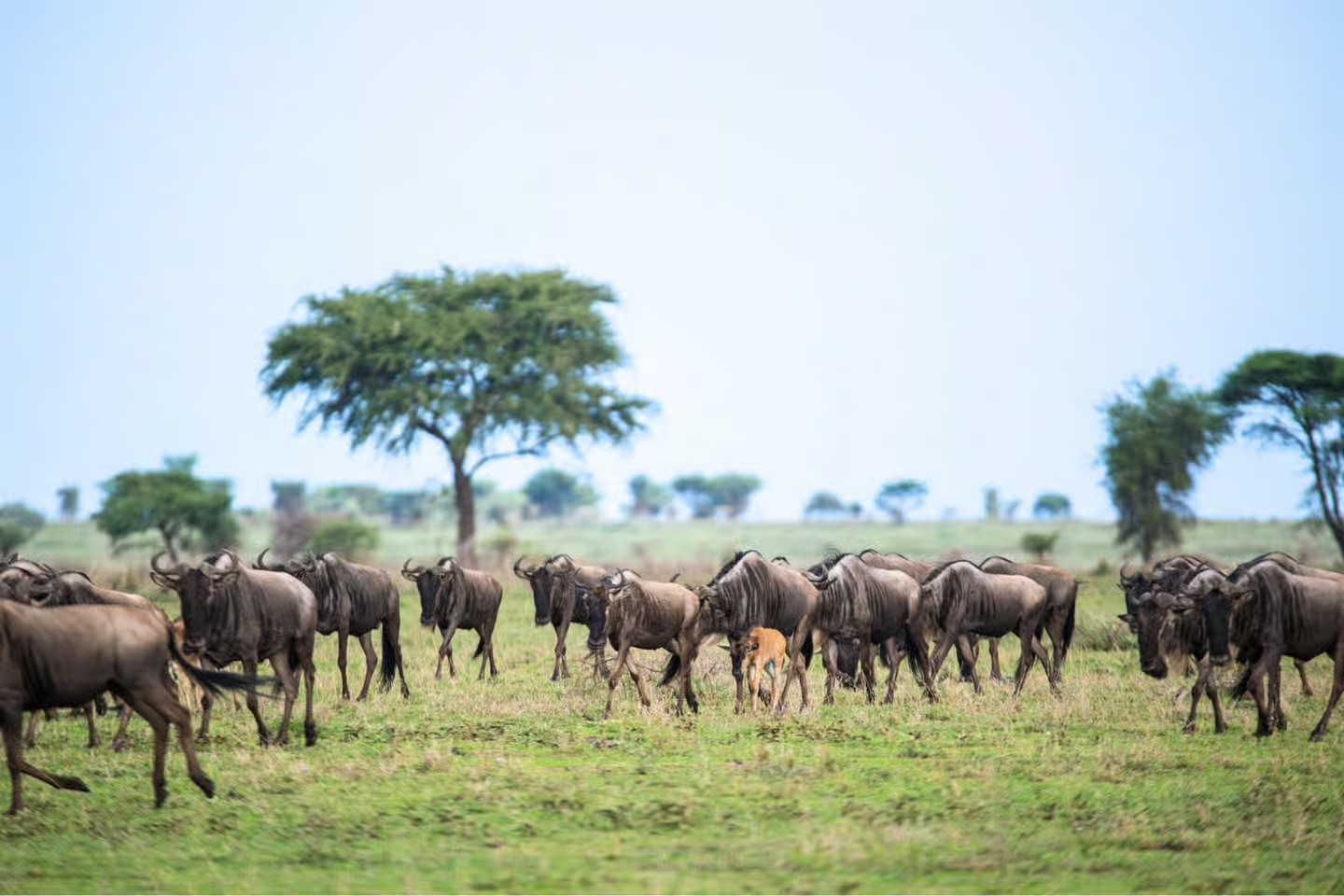
The Question Every Safari Planner Asks
When travelers begin comparing East African safaris, one question comes up almost immediately: Why is Tanzania more expensive than Kenya? On paper, the two countries share similar wildlife, landscapes, and even migration routes. Yet safari quotes for Tanzania often come in noticeably higher.
This difference is not accidental, nor is it simply about luxury branding. It is the result of policy choices, conservation philosophy, geography, park management, and tourism strategy. Understanding these factors doesn’t just justify the price—it helps travelers choose the destination that truly fits their expectations, travel style, and values.
This guide breaks down what makes Tanzania pricier than Kenya, honestly and in depth, without exaggeration or sales language. By the end, you’ll understand not only where the money goes, but why many travelers still consider Tanzania one of the best-value safari destinations in the world.
Tanzania and Kenya: Similar Wildlife, Very Different Models
At first glance, Tanzania and Kenya appear to offer the same safari promise: lions, elephants, wildebeest migration, big skies, and iconic parks. The difference lies in how each country manages tourism.
Kenya prioritizes accessibility, volume, and shorter itineraries. Tanzania prioritizes space, low visitor density, and long-term conservation. These philosophies shape everything from park fees to lodge design—and they have a direct impact on price.
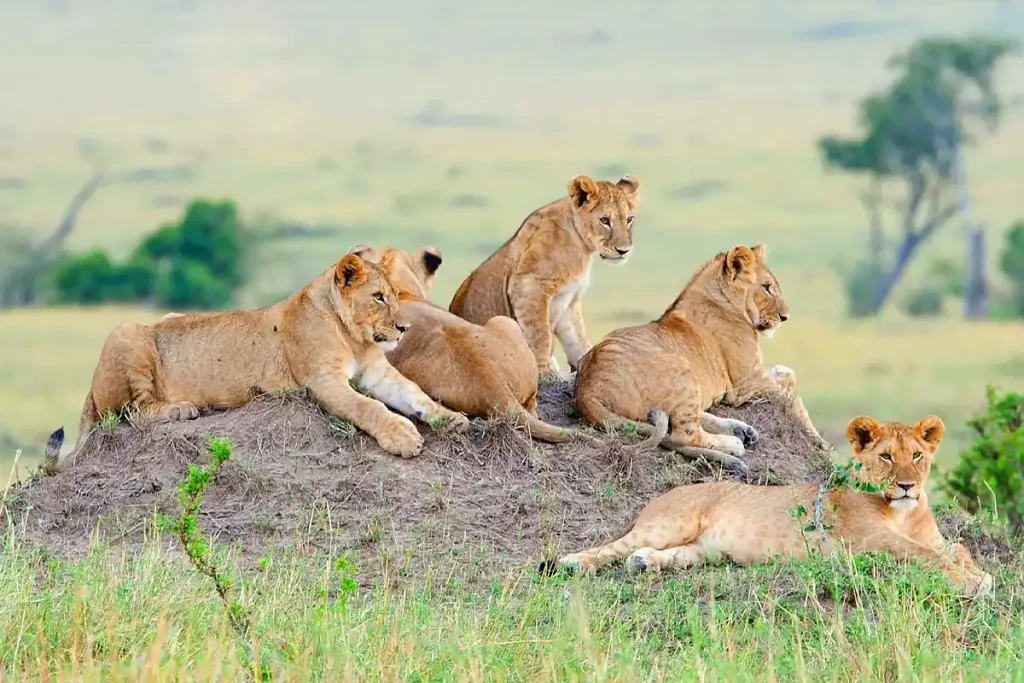
National Park Fees: Tanzania’s Biggest Cost Driver
One of the most immediate reasons Tanzania safaris cost more is higher national park entry fees. Tanzania deliberately sets higher fees to limit visitor numbers and reduce pressure on ecosystems.
In Tanzania, park fees are charged per person per day, and they add up quickly on multi-day safaris. In addition, certain parks such as the Ngorongoro Conservation Area have separate conservation fees, crater service fees, and vehicle permits.
Kenya’s park fees are generally lower and structured to encourage shorter stays and higher turnover. Tanzania’s fees are designed to support conservation funding while maintaining a low impact tourism model.
This single factor alone can account for hundreds of dollars difference per traveler.
The Ngorongoro Factor: Conservation Comes at a Price
No comparison between Tanzania and Kenya is complete without addressing Ngorongoro. The Ngorongoro Conservation Area is one of the most unique protected landscapes in the world, combining wildlife conservation, human habitation, and strict environmental controls.
Accessing the Ngorongoro Crater involves additional costs that simply don’t exist in Kenya. These include crater descent fees, conservation fees, and strict vehicle regulations. Tanzania intentionally limits how many vehicles can enter the crater per day, preserving the experience but raising costs.
Kenya has no direct equivalent to Ngorongoro’s management model. While Kenya offers exceptional wildlife viewing, Tanzania’s approach prioritizes exclusivity and ecological protection—both of which come at a premium.
Distances and Geography: Tanzania Is Vast
Tanzania is significantly larger than Kenya, and its safari circuit covers greater distances. This has a major impact on cost.
Longer distances mean higher fuel expenses, longer guide working hours, and more overnight stays. In Tanzania, traveling between parks like Tarangire, Serengeti, and Ngorongoro requires full-day drives or internal flights.
Kenya’s safari circuit is more compact. Parks like Maasai Mara, Lake Nakuru, and Amboseli are relatively close to Nairobi, reducing travel time and operational costs.
Tanzania’s vastness contributes to its sense of wilderness—but it also increases logistical expenses.
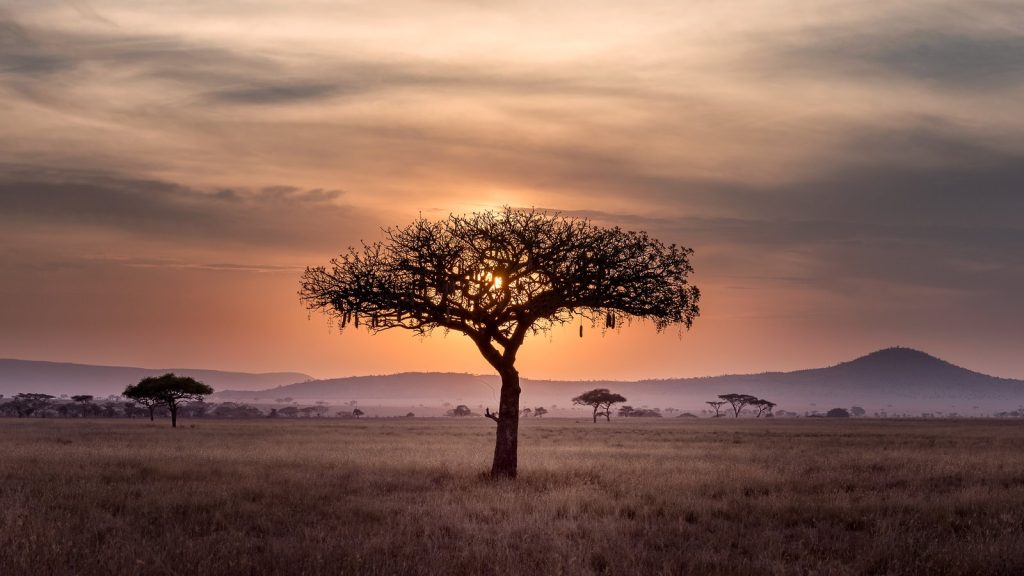
Lower Visitor Density, Higher Operating Costs
Tanzania deliberately limits visitor density in many parks, especially in the Serengeti. This results in quieter game drives, fewer vehicles at sightings, and a stronger sense of immersion.
However, fewer visitors mean operators must charge more per guest to remain viable. Lodges host fewer rooms, guides serve fewer clients, and infrastructure costs are spread across a smaller number of travelers.
Kenya’s higher visitor volume allows operators to distribute costs more widely, resulting in lower per-person prices but busier parks.
Tanzania’s pricing reflects a low-volume, high-value tourism strategy.
Lodge Standards and Space Per Guest
Another key difference lies in accommodation style. Tanzania safari lodges and camps often emphasize space, privacy, and immersive design. Rooms are larger, distances between tents are greater, and camps are often set deep within protected areas.
This style requires higher construction and maintenance costs, especially in remote locations. Everything—from food supplies to staff housing—must be transported long distances.
Kenya offers a broader range of accommodation types, including budget-friendly lodges near park borders and larger properties that accommodate more guests efficiently.
Tanzania’s emphasis on exclusivity and location increases operational costs and, ultimately, prices.
Staffing and Guide Ratios
Tanzania safari experiences typically include high guide-to-guest ratios. Many itineraries operate on a private basis, meaning one guide and vehicle per group.
This personalized service raises costs but significantly improves the experience. Guides can tailor drives, adjust schedules, and spend more time at sightings.
In Kenya, shared vehicles and group departures are more common, especially at lower price points. This reduces costs but limits flexibility.
Tanzania’s pricing reflects a more customized approach.
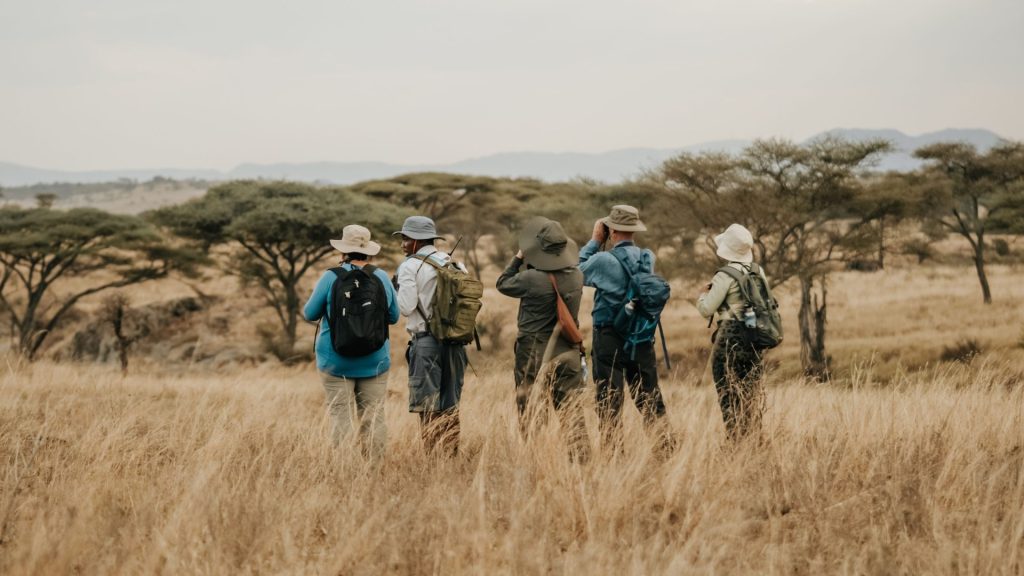
Domestic Flights and Aviation Costs
Internal flights are more commonly used in Tanzania safaris due to distances and road conditions. Flying into the Serengeti or southern parks saves time but adds cost.
Tanzania’s aviation fuel prices, landing fees, and airstrip maintenance contribute to higher flight costs compared to Kenya.
Kenya’s road network allows easier access to many parks by vehicle, reducing the need for flights.
Stricter Regulations and Conservation Policies
Tanzania enforces strict tourism regulations, including limits on off-road driving, vehicle numbers, and lodge locations. These policies protect wildlife habitats but restrict commercial flexibility.
Kenya allows more freedom in certain areas, including private conservancies where off-road driving is permitted and night drives are common. This flexibility supports varied pricing options.
Tanzania’s tighter controls increase compliance costs for operators but preserve ecological integrity.
The Serengeti Effect: Global Prestige Has a Price
The Serengeti is not just a park—it’s a global symbol of wilderness. Its reputation, scale, and role in the Great Migration elevate Tanzania’s brand worldwide.
Demand for Serengeti safaris remains high, especially during migration seasons. High demand combined with limited supply naturally drives prices upward.
Kenya’s Maasai Mara is also iconic, but its smaller size and higher visitor density create a different pricing dynamic.
Is Tanzania “Overpriced” or Just Differently Priced?
Tanzania is not overpriced it is intentionally priced. The cost reflects choices made by the country to protect landscapes, reduce pressure, and offer deeper wilderness experiences.
For travelers seeking fewer crowds, longer stays, private vehicles, and iconic parks like Ngorongoro and Serengeti, Tanzania delivers value that aligns with its price.
Kenya, by contrast, offers excellent wildlife experiences at a more accessible price point, especially for shorter trips or group travel.
Who Should Choose Tanzania Despite the Higher Cost?
Tanzania is ideal for travelers who value space, exclusivity, and immersive wilderness. It suits honeymooners, photographers, slow travelers, and those seeking a once-in-a-lifetime safari.
Kenya may suit travelers on tighter budgets, families seeking shorter trips, or those interested in conservancy-based activities like night drives.
Neither destination is better only different.
Understanding the Price Makes the Choice Easier
Tanzania is pricier than Kenya because it has chosen a different path. Higher park fees, vast distances, low visitor density, strict conservation policies, and premium lodge standards all contribute to the cost.
For travelers who understand and value these elements, Tanzania’s safari experience often feels worth every dollar. Knowing why it costs more turns sticker shock into informed choice—and that’s the foundation of a truly satisfying safari.
Frequently Asked Questions What Makes Tanzania Pricier Than Kenya?
Why are Tanzania park fees higher than Kenya’s?
Tanzania deliberately sets higher national park and conservation fees as part of a low-impact, high-value tourism strategy. The goal is to reduce overcrowding, protect fragile ecosystems, and ensure that tourism revenue directly supports conservation, anti-poaching efforts, and park management.
Unlike Kenya, which allows higher visitor volumes, Tanzania limits daily vehicle numbers in key areas such as the Serengeti and Ngorongoro Crater. These higher fees are not simply taxes; they are reinvested into maintaining wilderness integrity, wildlife protection, and long-term sustainability, which ultimately shapes the quieter safari experience Tanzania is known for.
Is wildlife viewing better in Tanzania than in Kenya?
Wildlife viewing quality in Tanzania and Kenya is equally exceptional, but the experience differs in style rather than substance. Tanzania offers vast landscapes with fewer vehicles, allowing longer, more peaceful encounters and natural animal behavior.
Kenya, by contrast, often delivers higher wildlife density in smaller areas, which can feel more action-packed but also more crowded. Tanzania’s higher cost supports spacious viewing conditions, especially during peak seasons like the Great Migration, where vehicle congestion is strictly managed.
Are Tanzania safaris always luxury experiences?
Not all Tanzania safaris are ultra-luxury, but the baseline cost is higher due to fixed expenses such as park fees, distances, and operational requirements. Even mid-range lodges in Tanzania must meet strict environmental and safety standards, which increases costs compared to similar-tier properties in Kenya.
Luxury is not just about amenities—it reflects remoteness, space, personalized service, and access to iconic locations like the Serengeti interior or Ngorongoro Highlands. As a result, Tanzania feels more premium even at comparable comfort levels.
Can Tanzania be done on a budget?
Yes, Tanzania can be experienced on a budget, but options are more limited than in Kenya. Government park fees apply equally to all travelers, meaning there is a higher minimum cost regardless of accommodation level.
Budget safaris often involve camping, shared vehicles, or shorter itineraries to control expenses. While Kenya offers more flexibility for low-cost safaris due to lower fees and denser park access, Tanzania budget safaris still deliver outstanding wildlife experiences, just with fewer frills and careful planning.
Why is Ngorongoro Conservation Area so expensive?
Ngorongoro’s cost reflects its unique conservation model, where wildlife, local Maasai communities, and tourism coexist within a tightly regulated landscape. Accessing the Ngorongoro Crater involves multiple fees, including conservation fees, crater descent charges, and vehicle permits.
Tanzania strictly limits the number of vehicles allowed inside the crater each day to protect the environment and wildlife. These controls preserve one of the most concentrated wildlife areas on Earth, but they also increase operational costs for visitors.
Do Tanzania safaris offer better long-term value despite higher prices?
For many travelers, yes. Tanzania safaris often feel more immersive, less rushed, and more exclusive. Lower vehicle density, private guides, longer stays in single locations, and iconic parks contribute to a sense of depth rather than speed.
While the upfront cost is higher, many travelers report greater satisfaction, fewer crowds, and a more meaningful connection to the landscape. Value, in this context, is measured in experience quality rather than number of activities.
Which country is better for first-time safari travelers—Tanzania or Kenya?
Kenya is often better suited for first-time safari travelers on a tighter budget or shorter schedule, as it offers easier access, lower costs, and high wildlife density.
Tanzania is ideal for travelers who want a once-in-a-lifetime, immersive safari and are comfortable investing more for space, exclusivity, and iconic destinations. First-time travelers who prioritize comfort, fewer crowds, and dramatic landscapes often find Tanzania more rewarding, while those seeking affordability and flexibility may prefer Kenya.
RELATED BLOGS

Exploring Africa’s Iconic Experience in Tanzania


Explore Astro
Our Dream Vacation
Day Trips (Short Safari)
Top Experiences
© Copyright 2026 Astro Safaris and Tours
