

Based on Tripadvisor reviews

Based on Tripadvisor reviews
Based on Tripadvisor reviews
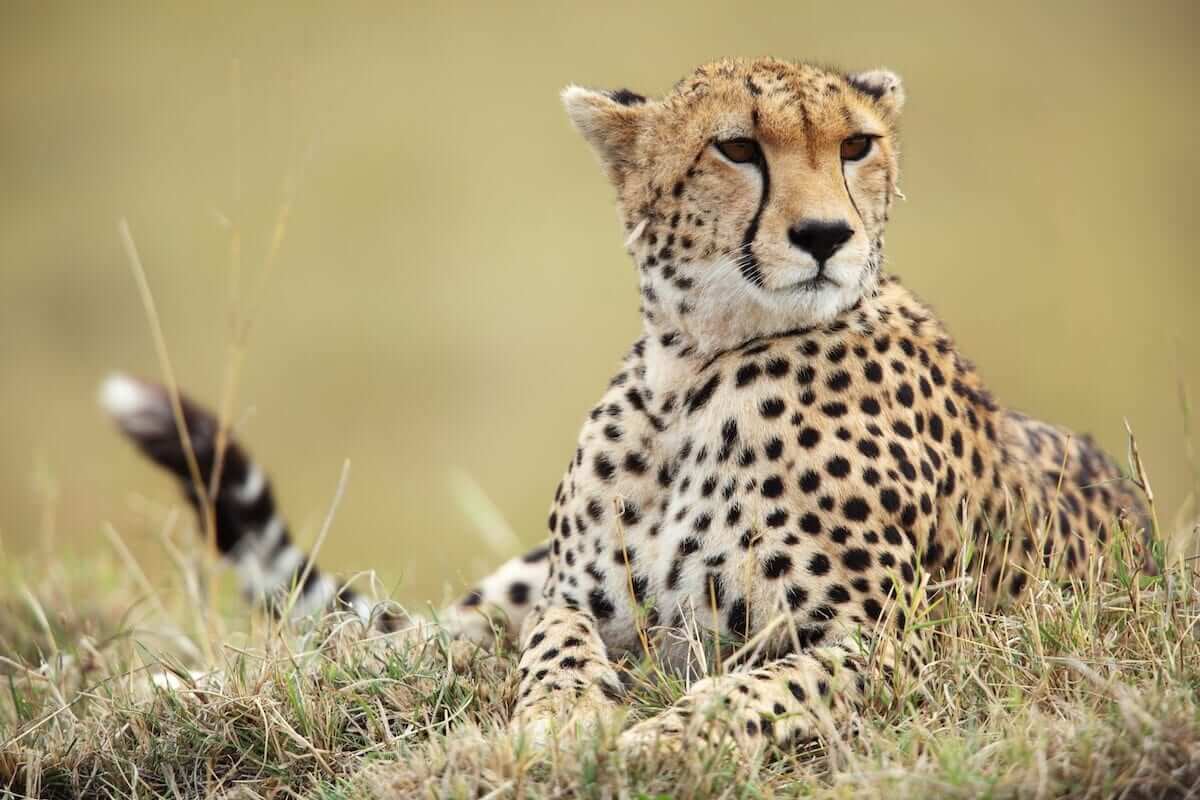
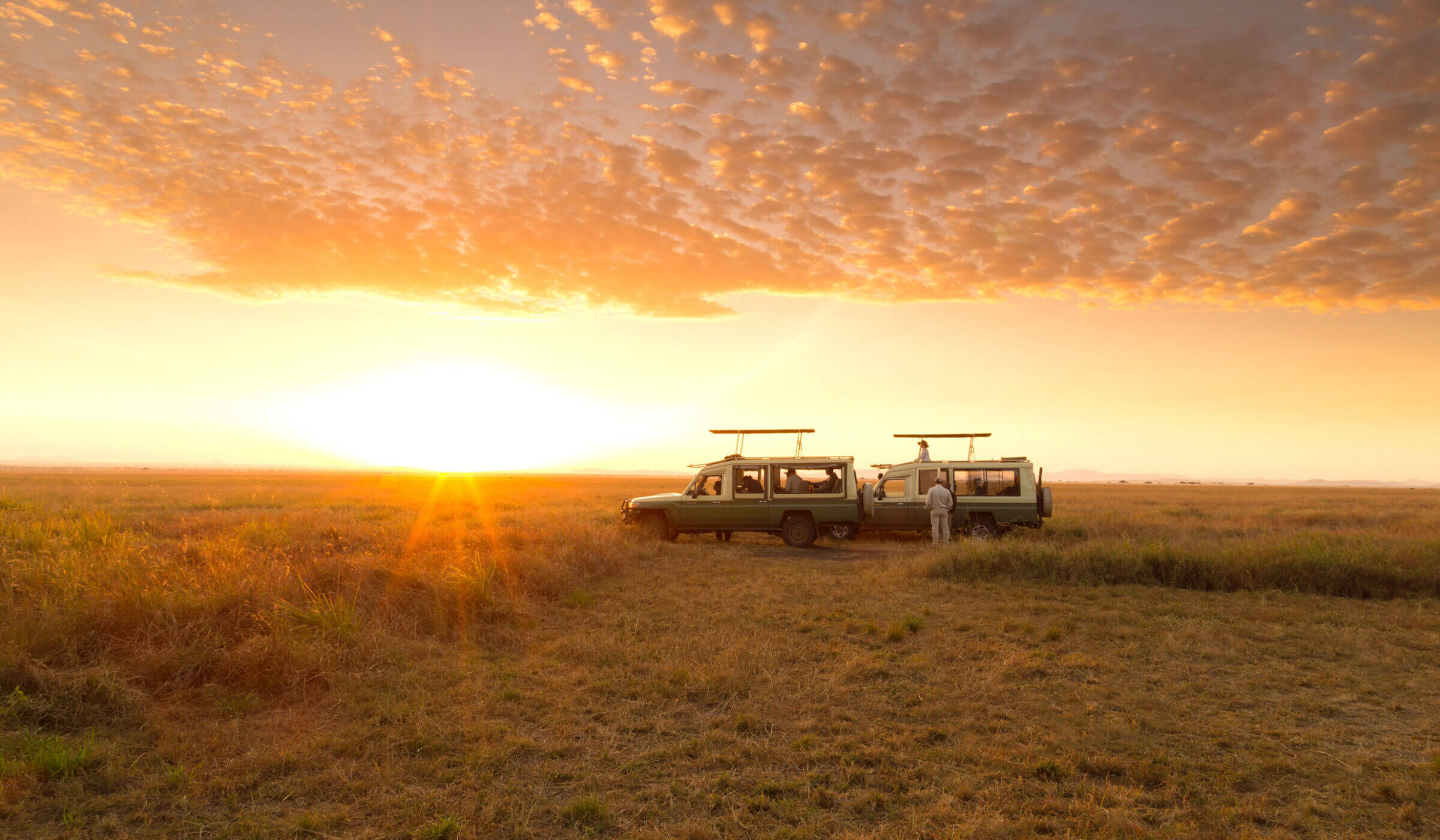
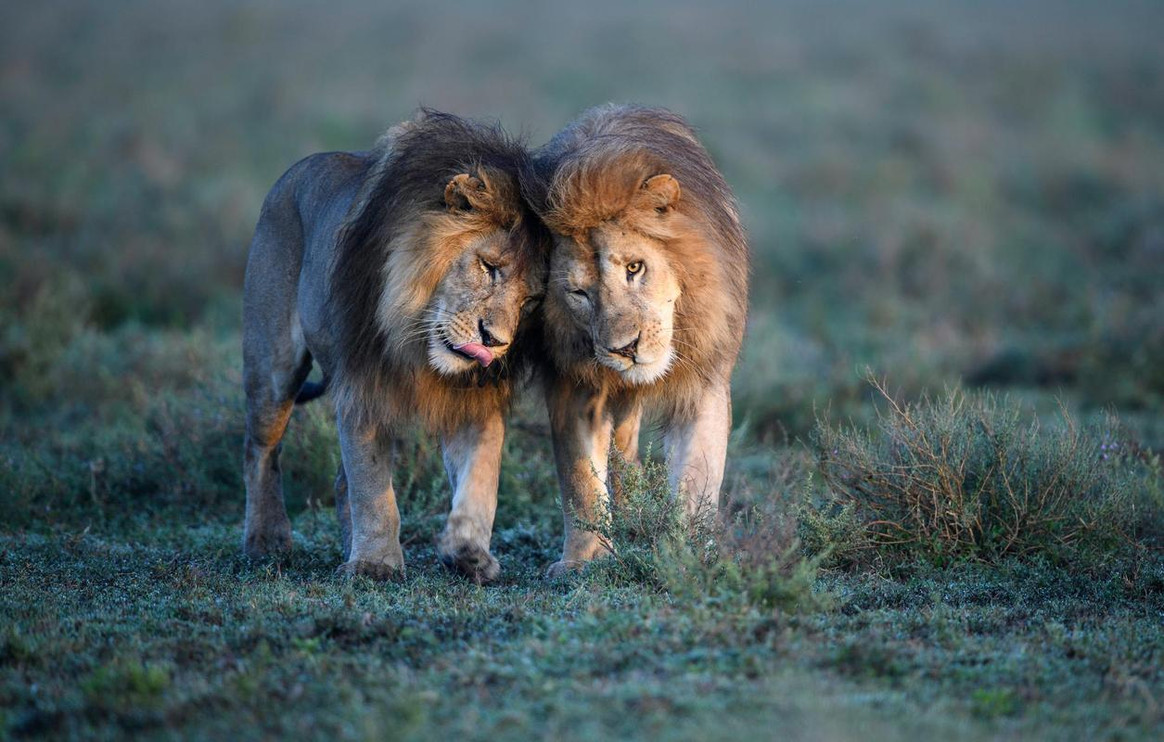

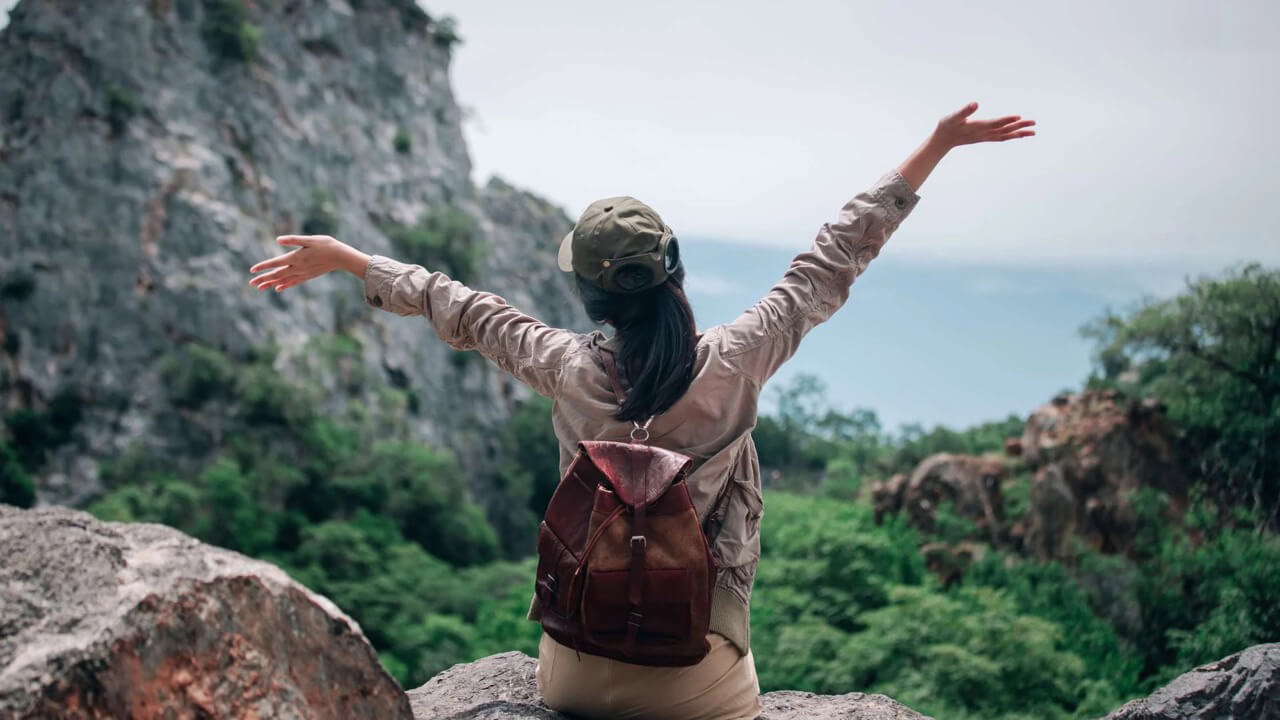


A Tanzania safari is not an ordinary holiday. It is an immersive journey into wild landscapes, remote national parks, and some of the most extraordinary wildlife habitats on Earth. From early morning game drives in the Serengeti to sunset views in the Ngorongoro Crater, every moment on safari depends on being well prepared. What you pack can greatly influence your comfort, safety, and overall enjoyment of the experience.
Many travelers underestimate the importance of packing correctly for a safari. Tanzania’s climate, terrain, and daily safari routine are very different from typical city or beach travel. This guide is designed to help you pack smartly and confidently. Drawing on years of on-the-ground experience, Astro Safaris shares essential packing advice to ensure you are ready for every part of your Tanzania safari adventure.
Understanding Tanzania Safari Conditions Before You Pack
Before deciding what to pack, it is important to understand what a safari in Tanzania is really like. Safari days often start early, with cool mornings followed by warm afternoons and cooler evenings. Game drives involve long hours in a 4×4 vehicle, sometimes on rough roads, with dust, sun, and changing weather conditions.
Most safari destinations in Tanzania, such as the Serengeti, Tarangire, Lake Manyara, and Ngorongoro, are remote areas with limited access to shops. Once you are on safari, replacing forgotten items can be difficult or impossible. Packing thoughtfully before departure ensures comfort, practicality, and peace of mind throughout your journey.
Essential Clothing for a Tanzania Safari
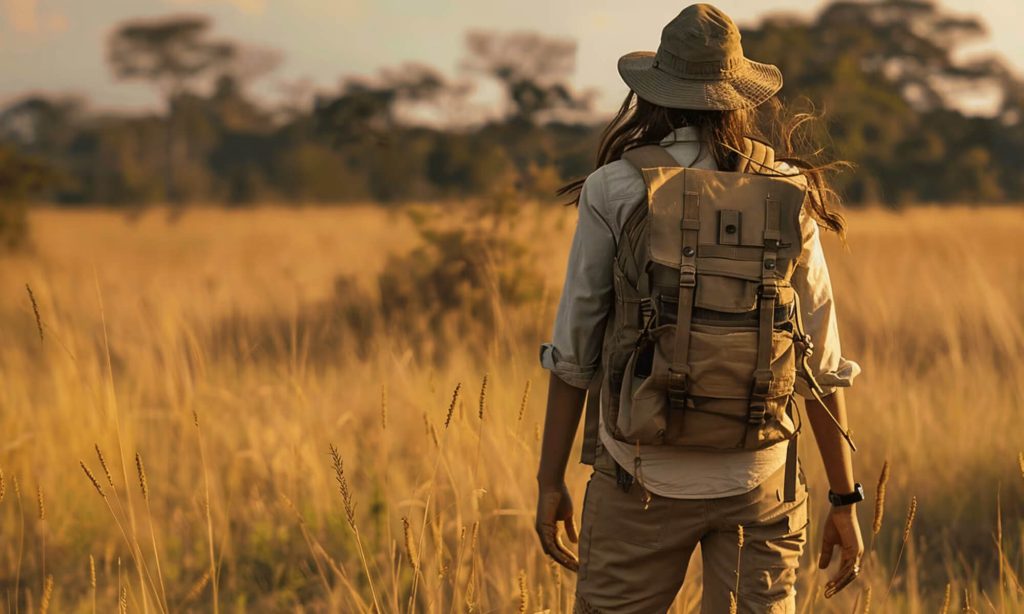
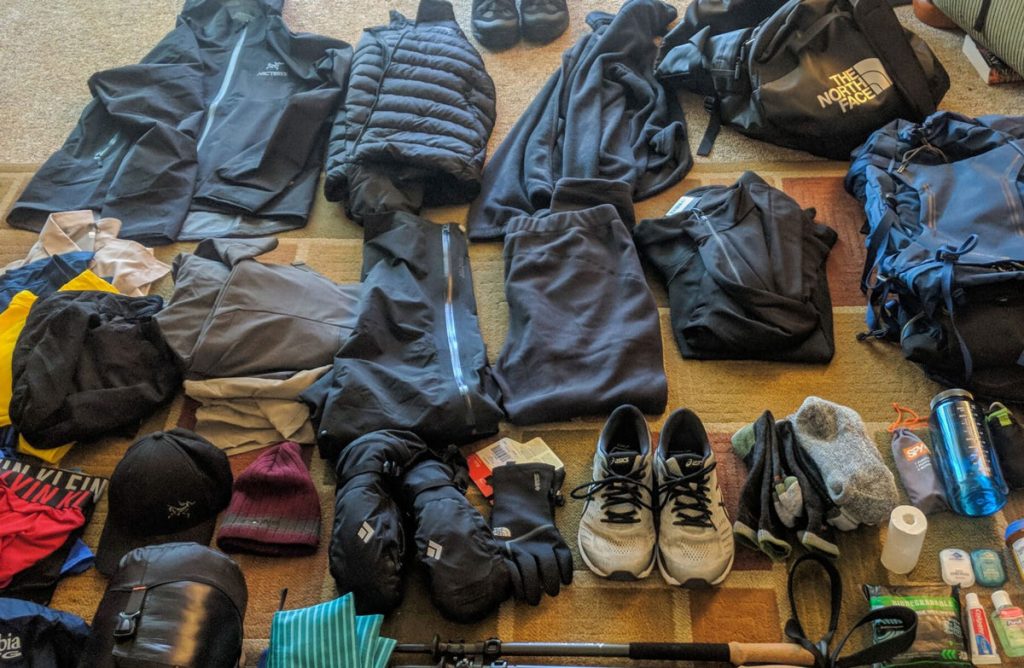
Choosing the right clothing for a Tanzania safari is about comfort, practicality, and blending into the natural environment. Neutral-colored clothing such as khaki, beige, olive, and brown is recommended, as these colors help avoid attracting insects and do not disturb wildlife.
Lightweight, breathable fabrics are ideal for warm daytime temperatures, while warmer layers are necessary for early mornings and evenings. Long-sleeved shirts and long trousers provide protection from sun exposure and insects. Safari clothing should be comfortable enough for sitting in a vehicle for extended periods while allowing freedom of movement during walks or lodge activities.
A lightweight jacket or fleece is essential for cooler mornings, especially during the dry season. During the green season, a compact waterproof jacket is useful for sudden rain showers. Astro Safaris always advises travelers to pack versatile clothing that can be layered easily throughout the day.
Footwear: Comfort and Safety on Safari
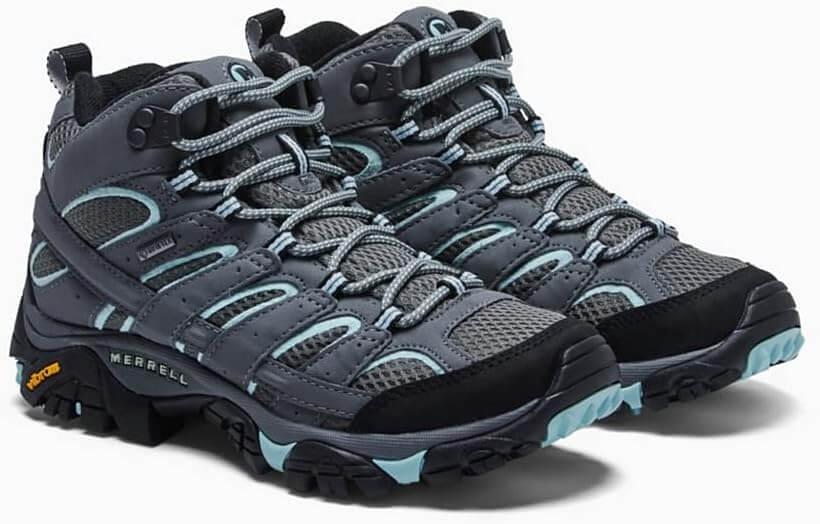
Footwear is often overlooked when packing for a safari, but it plays an important role in overall comfort. Most safari activities involve game drives rather than long walks, so heavy hiking boots are not always necessary. However, comfortable closed shoes or lightweight walking shoes are recommended for lodge areas, nature walks, and cultural visits.
If your safari itinerary includes walking safaris or day hikes, sturdy walking shoes with good grip are essential. Sandals or open shoes can be useful at lodges and camps, but they should be avoided during game drives or walks due to insects and uneven ground.
Safari Accessories You Should Not Forget
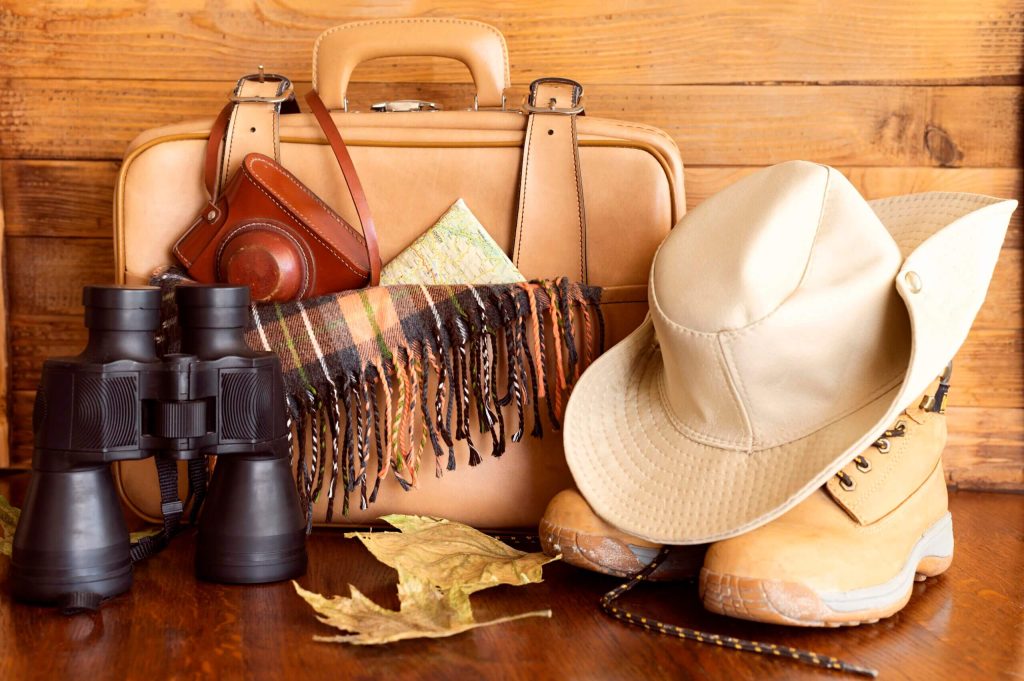
Certain accessories can significantly enhance your safari experience. A wide-brimmed hat or cap is essential for sun protection, particularly during midday game drives. Sunglasses with UV protection help reduce glare and protect your eyes from dust.
A good-quality daypack is useful for carrying personal items such as a camera, sunscreen, water bottle, and extra clothing layers during game drives. A reusable water bottle is also highly recommended, as staying hydrated is important in Tanzania’s warm climate. Astro Safaris encourages travelers to pack a small torch or headlamp, especially for tented camps where lighting may be limited at night.
Camera and Electronics for a Safari Adventure
A Tanzania safari offers countless photography opportunities, from dramatic wildlife encounters to breathtaking landscapes. A camera with a good zoom lens allows you to capture animals at a distance without disturbing them. Spare batteries and memory cards are essential, as charging facilities may be limited in remote camps.
Binoculars are another valuable item for wildlife viewing, particularly for birdwatching or spotting animals far from the vehicle. Although guides often carry binoculars, having your own enhances the experience.
Power adapters, portable chargers, and voltage converters are useful, as electricity availability varies by lodge and camp. Astro Safaris advises travelers to check charging options in advance when planning their safari.
Health, Safety, and Personal Care Items
Health and safety should always be a priority when traveling on safari. A basic personal first-aid kit is recommended, including items such as pain relievers, motion sickness tablets, bandages, and personal medications. Insect repellent is essential, especially in the evenings and during the green season.
High-SPF sunscreen and lip balm protect against strong equatorial sun exposure. Hand sanitizer and wet wipes are useful during long game drives and remote travel days.Travel insurance documents, vaccination certificates if required, and copies of important documents should be kept safely and easily accessible.
Documents and Travel Essentials
Important travel documents should always be packed securely. These include your passport, visa confirmation, travel insurance details, flight tickets, and safari itinerary. It is wise to carry both physical and digital copies of essential documents.
Cash in small denominations is useful for tips, souvenirs, and small purchases in remote areas. While some lodges accept cards, cash is often preferred in rural regions. Astro Safaris provides guidance on tipping and payment expectations before departure.
Packing for Different Safari Types
Packing requirements can vary depending on the type of safari you choose. Lodge safaris often provide more amenities, while camping safaris require more personal preparation. Luxury safaris may offer laundry services, allowing travelers to pack lighter.
If your itinerary includes mountain trekking, such as Mount Kilimanjaro or Mount Meru, additional specialized gear is required. Astro Safaris helps travelers understand specific packing needs based on their customized safari itinerary.
What Not to Pack for a Tanzania Safari
Overpacking is a common mistake among first-time safari travelers. Heavy luggage, unnecessary valuables, and overly bright clothing are best avoided. Drones are restricted in Tanzania’s national parks and require special permits, so travelers should confirm regulations before bringing them.
Large hard-shell suitcases are impractical for safari vehicles and small aircraft transfers. Soft-sided luggage is strongly recommended for flexibility and ease of transport.
Get Ready for Your Tanzania Safari With Astro Safaris
Packing properly is one of the most important steps in preparing for a successful Tanzania safari. With the right essentials, you can focus on enjoying wildlife encounters, stunning landscapes, and unforgettable moments rather than worrying about what you forgot to bring.
Astro Safaris is committed to helping travelers experience Tanzania comfortably and confidently. From personalized safari itineraries to expert pre-travel advice, we ensure every detail is carefully planned. Contact Astro Safaris today and start preparing for your Tanzania safari adventure with expert guidance you can trust.
Frequently Asked Questions About Beach Excursions After Safari
Soft-sided duffel bags are the best option for Tanzania safaris, especially when flying on small bush planes or traveling in safari vehicles with limited space.
Most safari flights have strict luggage limits, usually around 15 kilograms per person. Astro Safaris provides exact luggage guidelines based on your itinerary.
Comfortable, neutral-colored clothing is ideal. There is no need for special safari uniforms, but practicality and comfort are key.
Many lodges and camps offer laundry services, allowing travelers to pack fewer clothes. However, underwear is often excluded for cultural reasons.
While guides often carry binoculars, having your own allows for a more personal and flexible wildlife viewing experience.
Power availability varies by camp. Some offer limited charging hours, so portable chargers are recommended.
Travelers often forget sun protection, insect repellent, reusable water bottles, and spare camera batteries.
RELATED BLOGS
Exploring Africa’s Iconic Experience in Tanzania
Explore Astro
Our Dream Vacation
Day Trips (Short Safari)
Top Experiences