
- About Us
- Blogs
- Terms And Conditions

Based on Tripadvisor reviews
Based on Tripadvisor reviews
- About Us
- Blogs

Tanzania Safari Health Concerns, A Comprehensive Guide for Safe, Confident Travel

Preparing Your Health for a Once-in-a-Lifetime Safari
A safari in Tanzania is an extraordinary experience—vast savannahs, iconic wildlife, and unforgettable landscapes. Yet even the most carefully planned itinerary can be overshadowed if health considerations are overlooked. Understanding Tanzania safari health concerns is not about fear; it is about preparation, confidence, and enjoyment.
Health planning for a safari differs from routine travel. You may move through remote areas, experience changing climates, spend long days outdoors, and encounter unfamiliar food, water, and insects. The good news is that most health risks are manageable and preventable with the right knowledge and sensible precautions.
This in-depth guide addresses the most important health topics for Tanzania safaris, from vaccinations and malaria prevention to food safety, altitude effects, heat management, and medical preparedness. It is designed to help travelers feel informed, empowered, and ready to focus on what truly matters—experiencing Africa at its wildest and most beautiful.
Understanding Health Risks on a Tanzania Safari
Tanzania is generally a safe country for travelers, and thousands of visitors enjoy safaris every year without health issues. Most safari-related health concerns arise not from dangerous diseases but from environmental exposure, dehydration, sun, insects, or minor digestive upsets.
Safaris often involve long game drives, early mornings, and dusty roads. You may travel far from major hospitals, making prevention and preparation essential. Understanding these realities allows you to plan responsibly and avoid unnecessary stress.
Vaccinations and Medical Preparation Before Travel
Before traveling to Tanzania, it is essential to consult a travel-health professional several weeks in advance. Routine vaccinations should be up to date, including tetanus, measles, and influenza. Many travelers are also advised to consider vaccinations for hepatitis A and B, typhoid, and yellow fever depending on travel history and routing.
Yellow fever vaccination is not always required for entry into Tanzania, but proof may be necessary if you are arriving from or transiting through a country where yellow fever is endemic. This requirement is about border control rather than actual risk inside Tanzania, where yellow fever transmission is extremely rare.
Pre-travel medical consultations also allow travelers to discuss existing health conditions, medications, and fitness for safari activities such as walking safaris or high-altitude travel.
Malaria Awareness and Prevention
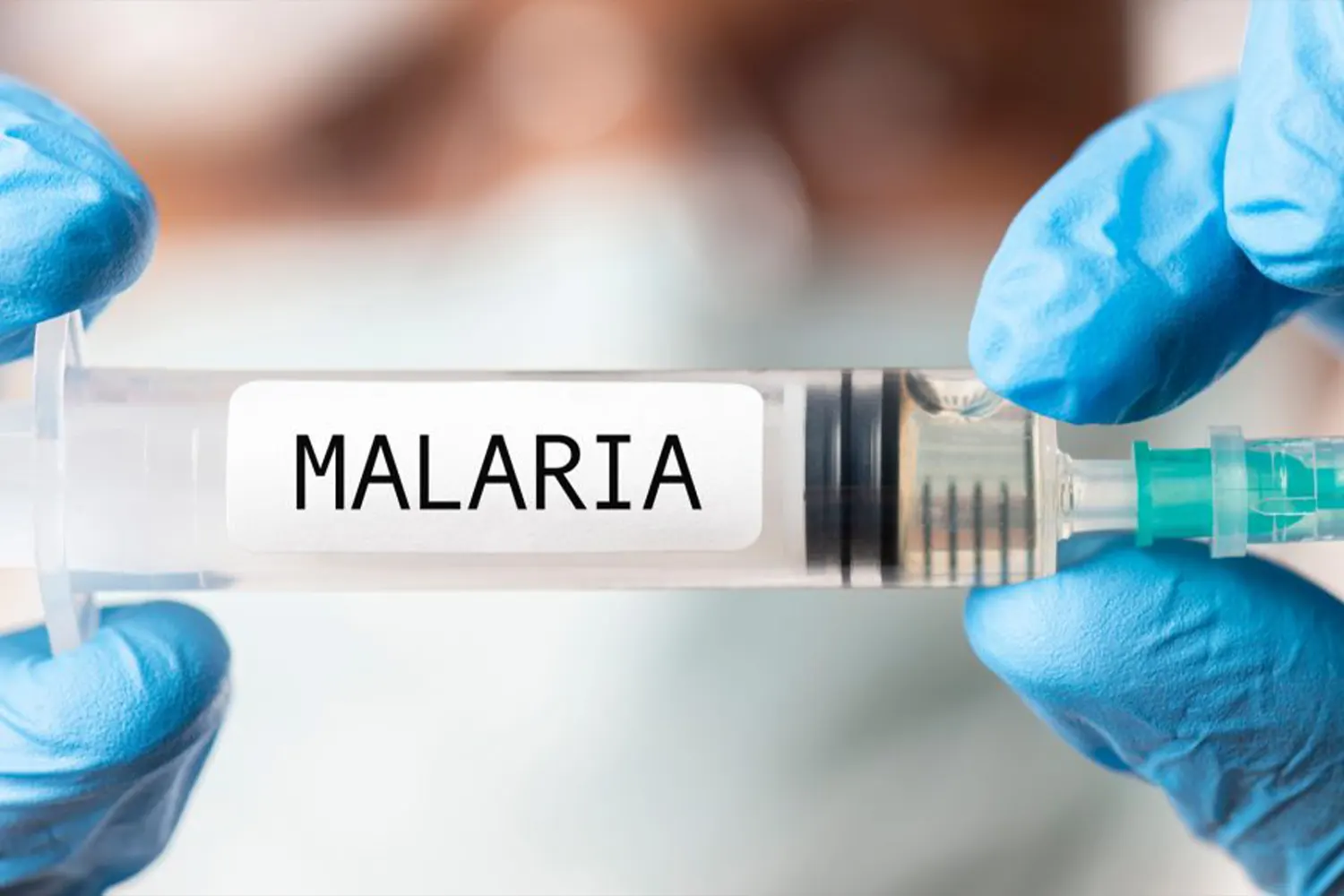
Malaria is one of the most discussed Tanzania safari health concerns, and understandably so. However, the risk is lower than many travelers expect, especially on lodge-based safaris where accommodations use mosquito control measures.
Malaria prevention relies on a layered approach. Travelers are commonly prescribed anti-malarial medication, chosen based on medical history and tolerance. Just as important are behavioral precautions, including wearing long sleeves and trousers in the evening, using insect repellent, and sleeping under treated mosquito nets when provided.
Safari lodges are well aware of malaria concerns and often implement measures such as screened rooms, fans, and repellents. Awareness and consistency are key, not anxiety.

Food Safety and Drinking Water on Safari
Food-related illness is one of the most common issues travelers experience, yet it is also one of the most preventable. Safari lodges and camps typically maintain high food safety standards, often exceeding those found in urban restaurants.
Drinking water on safari should always be bottled or purified. Lodges provide safe drinking water, and guests are advised not to drink tap water or use it for brushing teeth unless specifically advised it is safe.
When it comes to food, freshly prepared meals are safest. Travelers should avoid unwashed raw produce in informal settings and be cautious with street food if spending time in cities before or after safari.
Heat, Sun Exposure, and Dehydration
Tanzania’s climate varies by region and season, but sun exposure is a consistent factor on safari. Long hours in open vehicles can lead to dehydration and heat exhaustion if travelers are not careful.
Hydration is essential. Drinking water regularly even when not thirsty helps prevent fatigue, headaches, and dizziness. Wearing wide-brimmed hats, lightweight long sleeves, and high-SPF sunscreen protects against sunburn and heat stress.
Safari guides frequently remind guests to hydrate, and vehicles usually carry water, but personal awareness makes a significant difference.
Altitude and Physical Exertion Considerations
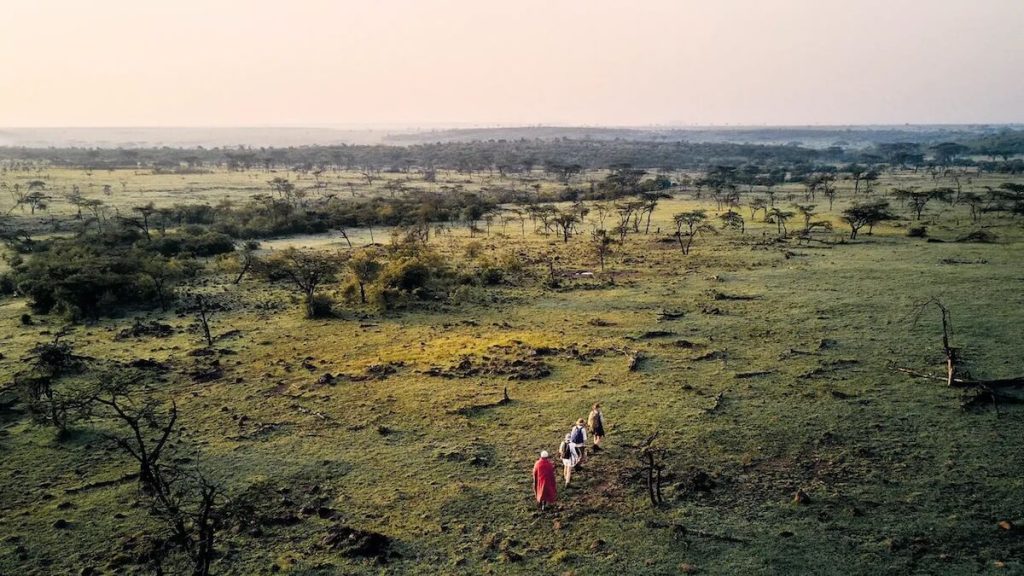
Most safari destinations in Tanzania sit at moderate altitudes that pose little risk to healthy travelers. However, areas near highlands or mountainous regions can affect those sensitive to altitude, especially when combined with physical activity.
Symptoms such as mild headaches or shortness of breath may occur, but serious altitude illness is rare outside high-mountain trekking. Taking it easy on arrival, staying hydrated, and avoiding alcohol during the first days can help the body adjust naturally.
Travelers planning both safari and mountain activities should space their itinerary thoughtfully to allow acclimatization.
Insect Bites Beyond Malaria
Mosquitoes are not the only insects travelers encounter on safari. Tsetse flies, ticks, and ants are part of the ecosystem, particularly in certain regions.
Wearing neutral-colored clothing, avoiding perfumes, and using insect repellent reduces attraction to insects. Checking clothing and skin after walking safaris helps prevent tick-related issues. While bites can be irritating, serious complications are rare with prompt care.
Most safari guides are well trained to identify insect-related concerns and offer immediate advice if needed.
Medical Facilities and Emergency Care
Tanzania has reputable hospitals in major cities, but safari areas are often remote. This reality makes travel medical insurance and evacuation coverage essential. Comprehensive insurance ensures access to air evacuation if necessary, transporting travelers to facilities capable of advanced care.
Safari operators maintain communication protocols and emergency plans, and lodges often have first-aid-trained staff. While serious incidents are rare, preparedness provides peace of mind.
Managing Existing Medical Conditions on Safari
Travelers with chronic conditions such as asthma, diabetes, or heart disease can safely enjoy Tanzania safaris with proper planning. Carrying sufficient medication, copies of prescriptions, and a brief medical summary is advisable.
Safari days can be long, but schedules are flexible. Communicating needs to guides allows for rest breaks, adjusted pacing, and dietary accommodations. Tanzania’s safari industry is accustomed to hosting travelers of all ages and health backgrounds.
Mental Wellbeing and Travel Fatigue
Health is not only physical. Long flights, time-zone changes, and packed itineraries can cause fatigue and stress. Allowing time to rest, especially during the first days, enhances enjoyment and resilience.
Safaris naturally encourage slower rhythms—sunrise drives, midday rest, and evening reflection—which supports mental wellbeing. Listening to your body and communicating openly with guides contributes to a balanced experience.
Children, Seniors, and Special Health Needs
Tanzania safaris are suitable for families and older travelers when planned appropriately. Health considerations include hydration, sun protection, and pacing rather than inherent risk.
Lodges often cater to special dietary needs and mobility considerations. Clear communication with safari planners ensures appropriate accommodations and activities for all travelers.
Post-Safari Health Awareness
After returning home, travelers should monitor their health for a few weeks. Fever, persistent diarrhea, or unusual symptoms should prompt medical consultation, mentioning recent travel to East Africa.
Early diagnosis ensures effective treatment and peace of mind. In most cases, post-travel issues are minor and resolve quickly.
Health Awareness Enhances the Safari Experience
Understanding Tanzania safari health concerns does not diminish the magic of travel it enhances it. Prepared travelers feel confident, comfortable, and free to immerse themselves in the experience.
With sensible precautions, informed choices, and professional safari support, Tanzania remains one of the world’s most rewarding and accessible safari destinations. Health planning is simply part of the journey, ensuring that memories are defined by wildlife encounters and landscapes not preventable worries.
Frequently Asked Questions Tanzania Safari Health Concerns
Is Tanzania safe for safari travelers from a health perspective?
Yes, Tanzania is generally safe for safari travelers when basic health precautions are followed. The majority of visitors complete their safaris without any health-related issues. Most concerns relate to dehydration, sun exposure, or mild digestive discomfort rather than serious illness.
Safari lodges maintain high hygiene standards, guides are trained in first aid, and itineraries are paced to allow rest. With sensible preparation such as staying hydrated, protecting yourself from the sun, and following food and water guidance health risks are minimal and manageable.
Do I need vaccinations before going on a Tanzania safari?
While Tanzania does not mandate many vaccinations for entry, travelers are strongly encouraged to consult a travel health clinic well in advance of departure. Routine vaccinations should be up to date, and additional vaccines such as hepatitis A or typhoid may be recommended depending on personal health history and travel plans.
Yellow fever vaccination is not required for most travelers arriving directly from non-endemic countries, but proof may be requested if transiting through certain regions. A medical professional can provide tailored advice based on your itinerary.
How serious is malaria risk on safari in Tanzania?
Malaria exists in Tanzania, but the actual risk to safari travelers is lower than many expect. Safari lodges are proactive in mosquito control, and most exposure occurs during evening and nighttime hours.
Travelers reduce risk significantly by taking prescribed anti-malarial medication, using insect repellent, wearing long sleeves after sunset, and sleeping in screened or net-protected rooms. Awareness and consistency are far more effective than fear, and serious cases among safari visitors are rare.
Can I drink tap water while on safari in Tanzania?
No, travelers should avoid drinking tap water in Tanzania. Instead, bottled or purified water is provided by safari lodges and camps and is safe for drinking and brushing teeth.
Using lodge-provided water eliminates most water-related health concerns. Ice in reputable lodges is usually made from purified water, but travelers can confirm if unsure. Avoiding tap water is a simple but important precaution that prevents most digestive issues.
What medical insurance do I need for a Tanzania safari?
Comprehensive travel medical insurance is essential for any Tanzania safari. This should include coverage for emergency medical treatment, evacuation by air, and repatriation if necessary.
Because many safari destinations are remote, access to advanced medical care may require air evacuation to larger cities or neighboring countries. Having the right insurance ensures prompt assistance and peace of mind. Travelers should also carry insurance details and emergency contact information at all times.
Is altitude sickness a concern during Tanzania safaris?
For most safari travelers, altitude sickness is not a significant concern. The majority of wildlife parks are located at moderate elevations that do not cause serious altitude-related issues.
Mild symptoms such as slight headaches or fatigue may occur in highland areas, particularly if traveling from sea level, but these usually resolve with rest and hydration. Travelers combining safari with mountain trekking should plan acclimatization days and follow professional guidance.
What should I do if I feel unwell during a safari?
If you feel unwell during a safari, it is important to inform your guide immediately. Safari guides are trained to respond calmly and appropriately, whether that means adjusting the day’s activities, providing first aid, or arranging medical evaluation.
Lodges often have staff trained in basic medical care, and emergency protocols are in place if further treatment is required. Early communication ensures quick response and minimizes disruption to your safari experience.
RELATED BLOGS
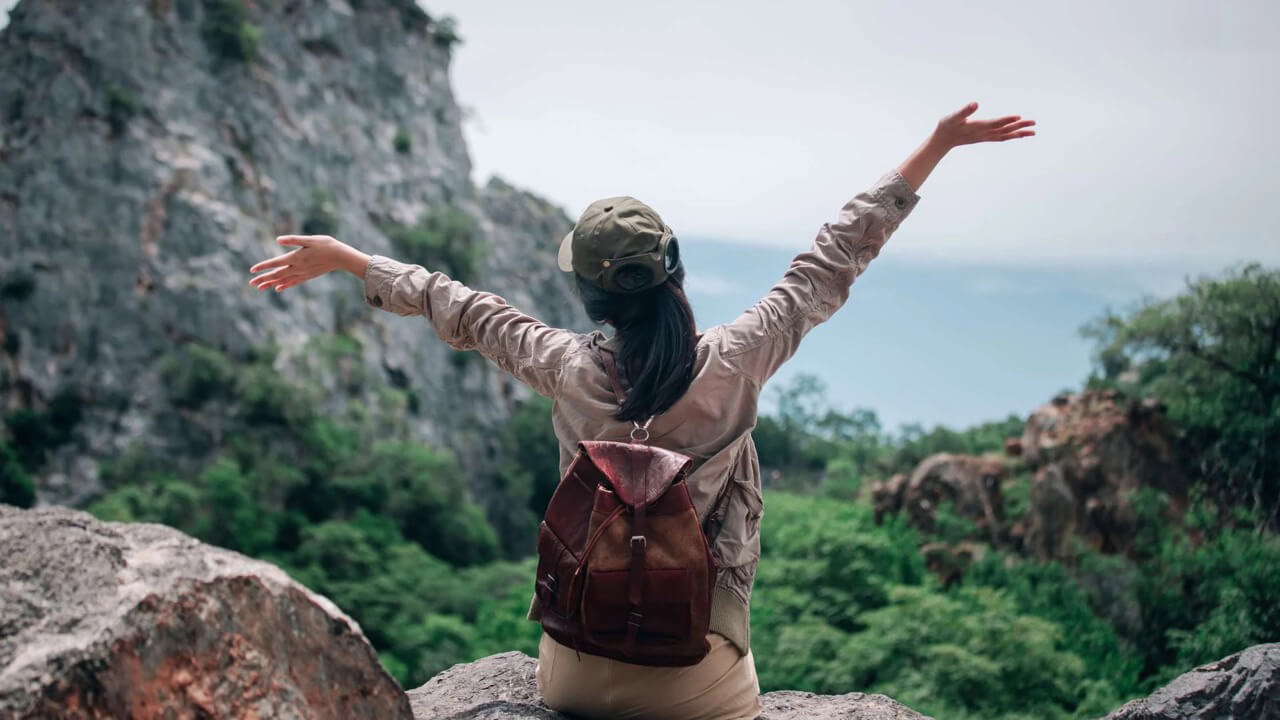
Exploring Africa’s Iconic Experience in Tanzania


Explore Astro
Our Dream Vacation
Day Trips (Short Safari)
Top Experiences
© Copyright 2026 Astro Safaris and Tours
