

Based on Tripadvisor reviews

Based on Tripadvisor reviews
Based on Tripadvisor reviews





Tanzania is celebrated worldwide for its wildlife safaris, sweeping savannahs, and iconic national parks. Yet beyond the game drives and crater views lies another Tanzania—one shaped by people, traditions, and everyday life that has endured for centuries. Cultural tourism villages offer travelers the chance to step into this living heritage through authentic, community-run experiences that complement classic safari journeys.
Unlike staged performances or quick roadside stops, genuine cultural tourism in Tanzania is rooted in partnership. Communities invite visitors into their homes, farms, forests, and stories, sharing daily routines and knowledge while benefiting directly from tourism income. When done responsibly, cultural tourism strengthens local livelihoods, preserves traditions, and deepens a traveler’s understanding of the land they are exploring.
This guide focuses on three of Tanzania’s most meaningful cultural tourism experiences: Mto wa Mbu cultural tours, the Hadzabe bushmen experience near Lake Eyasi, and authentic Maasai boma stays with real social impact. Together, they reveal a Tanzania that is human, diverse, and deeply connected to nature.
What Is Cultural Tourism in Tanzania?
Cultural tourism in Tanzania centers on community-led experiences where local people design, host, and benefit from visitor interactions. These experiences are not about observation from a distance. They involve conversation, participation, and shared moments—whether that means cooking a meal, learning traditional hunting techniques, or walking through farmland with a local guide.
Because Tanzania is home to more than 120 ethnic groups, cultural tourism reflects remarkable diversity. Languages, belief systems, livelihoods, and architecture change dramatically across regions. Cultural visits are often woven into safari itineraries in the northern circuit, around Lake Eyasi, and near major wildlife areas, offering travelers balance between nature and culture.
Why Authentic, Community-Run Experiences Matter
Authenticity is the cornerstone of meaningful cultural tourism. Community-run projects ensure that tourism revenue stays local, supporting education, healthcare, conservation, and cultural preservation. Visitors gain genuine insight, while communities retain control over how their culture is shared.
In contrast to superficial encounters, authentic experiences are slower and more personal. Travelers are encouraged to ask questions, listen, and reflect. These interactions often become the most memorable part of a safari, leaving lasting impressions long after wildlife sightings fade.
Mto wa Mbu Cultural Tours,Tanzania in One Village
Located near Lake Manyara National Park, Mto wa Mbu is one of Tanzania’s most celebrated cultural tourism hubs. What makes Mto wa Mbu unique is its diversity. More than 120 tribes are represented in this single town, earning it the reputation of being “Tanzania in miniature.”
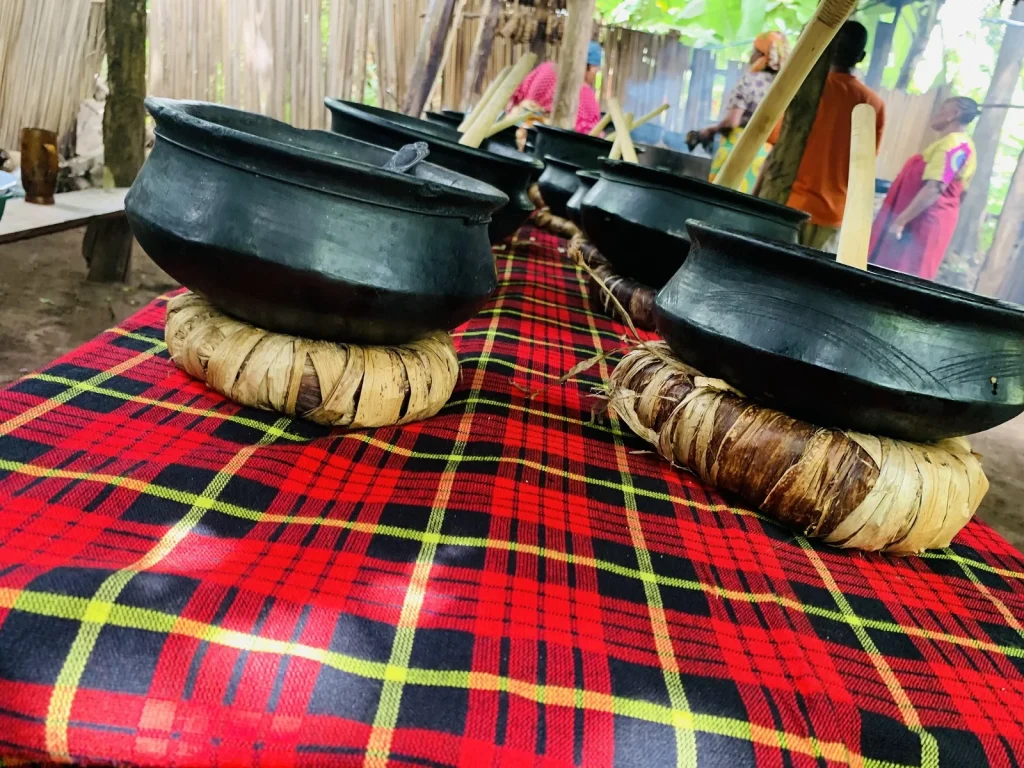
A cultural tour in Mto wa Mbu is guided entirely by local residents. Visitors walk or cycle through banana plantations, rice paddies, and village streets while learning how people from different ethnic backgrounds live side by side. Guides explain farming techniques, irrigation systems, and the role of food in daily life, often inviting guests to taste local banana beer or traditional dishes.
Home visits are a key element of the experience. Guests are welcomed into family compounds to learn about cooking, child-rearing, and social traditions. Artisans demonstrate wood carving, painting, and craftwork, while storytellers share oral history passed down through generations.
What makes Mto wa Mbu especially valuable for safari travelers is its location. It fits naturally between Arusha, Lake Manyara, and Ngorongoro, making it an ideal cultural stop without adding long travel days.
The Hadzabe Bushmen Experience Near Lake Eyasi
Near the shores of Lake Eyasi lives one of Africa’s last remaining hunter-gatherer communities: the Hadzabe. The Hadzabe people have lived in this region for thousands of years, maintaining a lifestyle based on hunting, foraging, and deep ecological knowledge.
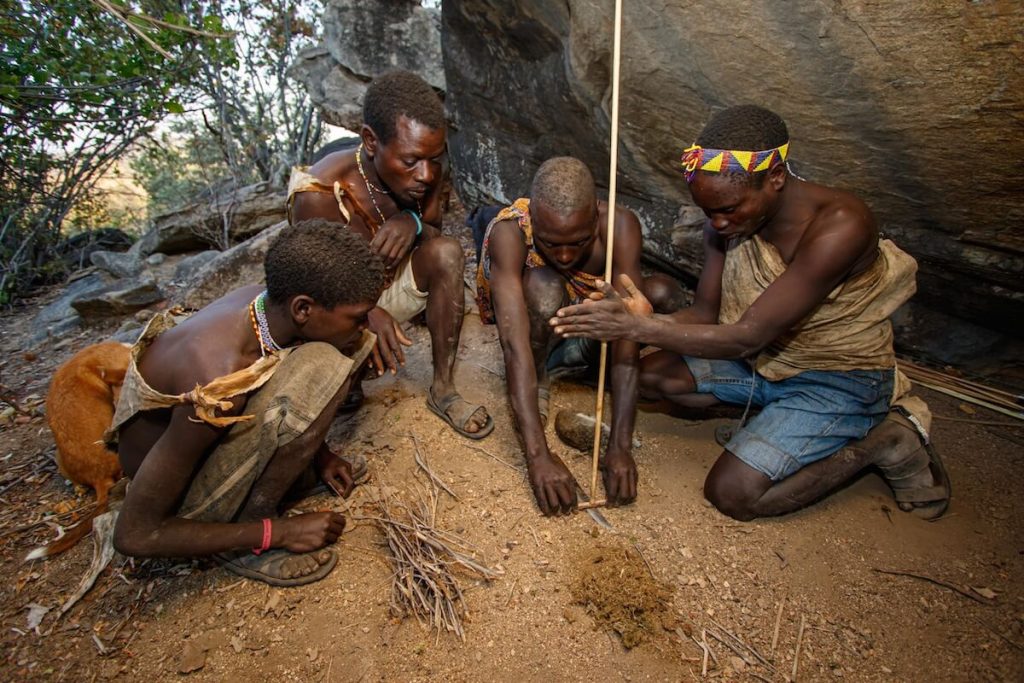
A Hadzabe cultural experience is unlike any other in Tanzania. Visits are arranged through community leaders and ethical operators to ensure respect and fair compensation. Travelers typically join Hadzabe men on an early morning hunt, learning how to track animals, identify edible plants, and use traditional bows and arrows.
Women often demonstrate foraging techniques, fire-making, and food preparation, while elders share stories of ancestry, survival, and change. Communication may involve translators, but much is conveyed through observation and shared activity.
This experience is powerful because it challenges modern assumptions about progress and sustainability. The Hadzabe live with minimal environmental impact, relying on intimate knowledge of the land rather than technology. For many travelers, this encounter becomes a profound reminder of humanity’s original relationship with nature.
Maasai Boma Stays
Culture, Cattle, and Community
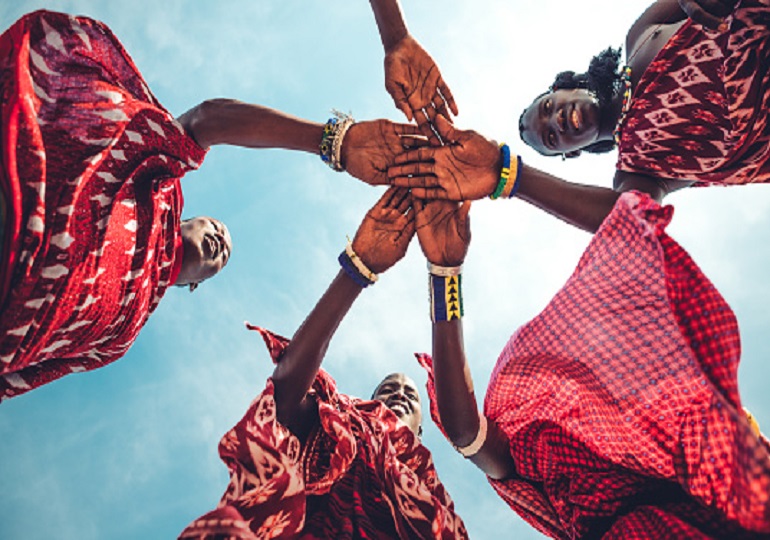
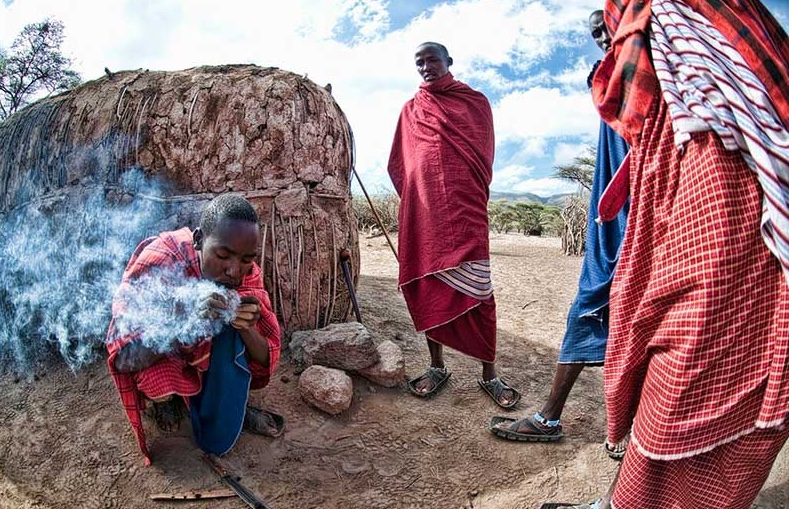
The Maasai are Tanzania’s most internationally recognized pastoral community, yet authentic engagement goes far beyond photo opportunities. Genuine Maasai boma stays offer travelers the chance to experience daily life while contributing directly to community development.
An authentic boma visit begins with understanding the role of cattle, which are central to Maasai identity, economy, and spirituality. Guests learn about herding practices, seasonal movement, and how the Maasai coexist with wildlife in protected areas like the Ngorongoro Conservation Area.
During overnight or extended stays, visitors may participate in milking, cooking, and storytelling around the fire. Women demonstrate beadwork and explain its cultural symbolism, while elders discuss traditions, leadership, and the challenges of balancing modern education with heritage preservation.
The most impactful Maasai boma experiences are those linked to community projects such as schools, water initiatives, or healthcare programs. These visits ensure that tourism supports long-term benefits rather than one-time encounters.
How Cultural Tourism Enhances a Safari Experience
Cultural tourism adds context to safari travel. Wildlife encounters become richer when travelers understand how local communities interpret animal behavior, seasons, and landscapes. Cultural guides explain migration patterns, plant uses, and conservation challenges from lived experience rather than textbooks.
For many visitors, cultural experiences provide emotional connection. Sharing a meal, hearing a life story, or walking alongside a community member creates empathy and understanding that no game drive alone can offer.
Cultural tourism also breaks the rhythm of long safari drives, offering active exploration and meaningful rest days between national parks.
Responsible Travel and Ethical Considerations
Responsible cultural tourism requires thoughtful choices. Travelers should seek experiences that are community-owned or community-approved, avoid exploitative photography, and respect local customs. Asking permission, dressing modestly, and listening more than speaking are simple but powerful practices.
Ethical operators are transparent about where money goes and how communities benefit. Supporting these initiatives helps protect cultural heritage while encouraging sustainable tourism growth.
Best Time to Visit Cultural Tourism Villages in Tanzania
Cultural tourism is available year-round, but experiences vary slightly by season. The dry season from June to October offers easier walking conditions and pairs well with peak wildlife safaris. The green season from November to May brings lush scenery and fewer visitors, often resulting in more personal interactions.
Because cultural activities are not dependent on wildlife migration, they remain rewarding regardless of travel dates.
Who Should Choose Cultural Tourism Experiences?
Cultural tourism villages appeal to travelers seeking depth and meaning. They are ideal for families with older children, repeat safari guests, photographers interested in people and stories, and travelers curious about anthropology, sustainability, and social impact.
For first-time visitors, cultural experiences provide grounding and perspective, transforming Tanzania from a destination into a lived experience.
Discovering Tanzania Through Its People
Tanzania’s cultural tourism villages reveal the human heart of the safari landscape. From the multicultural harmony of Mto wa Mbu to the ancient knowledge of the Hadzabe and the proud traditions of the Maasai, these experiences deepen understanding and connection.
Authentic, community-run cultural tourism reminds travelers that Tanzania is not only a land of wildlife wonders, but also a country of resilient, diverse, and welcoming people. When approached with respect, curiosity, and care, cultural tourism becomes one of the most rewarding journeys a traveler can take.
Frequently Asked Questions Tanzania Cultural Tourism Villages Authentic Community-Run Experiences
Cultural tourism in Tanzania involves visiting local communities to learn about traditions, livelihoods, and daily life through experiences that are designed and led by community members. These visits emphasize mutual respect, education, and direct local benefit.
Yes, when experiences are community-run or community-approved. Ethical cultural tourism ensures fair compensation, respects privacy, and supports local development projects such as education and healthcare.
Mto wa Mbu is home to many ethnic groups living together in one village. Its cultural tours showcase farming, food, art, and everyday life, offering a broad overview of Tanzanian culture in a single visit.
When arranged responsibly, the Hadzabe experience is one of Tanzania’s most authentic cultural encounters. It focuses on learning, participation, and respect rather than performance or display.
Yes, some Maasai communities offer overnight stays that include daily activities, storytelling, and cultural exchange. These stays often support community projects and provide deeper understanding than short visits.
Cultural tourism experiences are often added between national parks, such as between Lake Manyara and Ngorongoro or near Lake Eyasi. They balance wildlife viewing with human connection.
Cultural tourism is available year-round. The dry season offers easier travel, while the green season provides lush scenery and more intimate village experiences.
RELATED BLOGS
Exploring Africa’s Iconic Experience in Tanzania
Explore Astro
Our Dream Vacation
Day Trips (Short Safari)
Top Experiences