

Based on Tripadvisor reviews

Based on Tripadvisor reviews
Based on Tripadvisor reviews






Beyond the Safari Tanzania’s Agricultural Soul
Tanzania is celebrated worldwide for its classic safaris, dramatic landscapes, and wildlife spectacles. Yet beyond the game drives and crater views lies another story equally rich in character and craft: the country’s coffee farms and tea estates. A Tanzania coffee tour or a visit to Tanzanian tea estates reveals how climate, culture, and careful cultivation shape everyday livelihoods and global flavors. These experiences add depth to a safari itinerary, grounding travel in people, place, and process.
Coffee and tea tourism in Tanzania is immersive rather than performative. Travelers walk through fields with farmers, learn how altitude and rainfall influence taste, and trace each step from harvest to cup. The result is not only a better beverage, but a deeper understanding of Tanzania’s highland ecosystems and rural economies—an ideal complement to wildlife-focused journeys.
Why Choose a Tanzania Coffee or Tea Tour?
Choosing a coffee or tea tour in Tanzania offers a slower, more tactile way to travel. It replaces spectacle with substance and invites curiosity about how landscapes are lived in, not just admired. These tours are typically community-connected, educational, and sensory, making them appealing to travelers who value authenticity and sustainability.
From a safari planning perspective, coffee and tea experiences fit seamlessly between national parks or as gentle activities before or after more intense wildlife days. They also provide insight into conservation, because healthy farms and forests are intertwined with watershed protection and biodiversity corridors—key themes across Tanzania’s northern and eastern highlands.
Tanzania Coffee at a Glance: Origins, Varieties, and Flavor
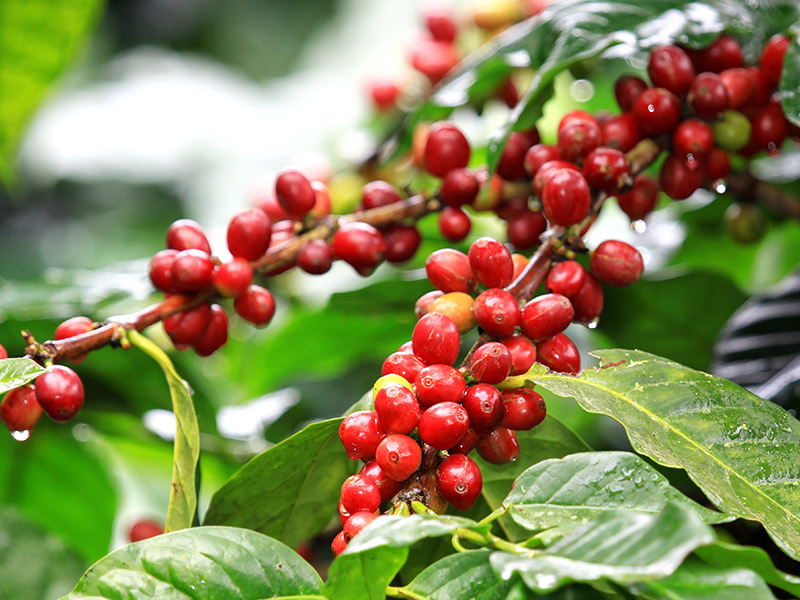
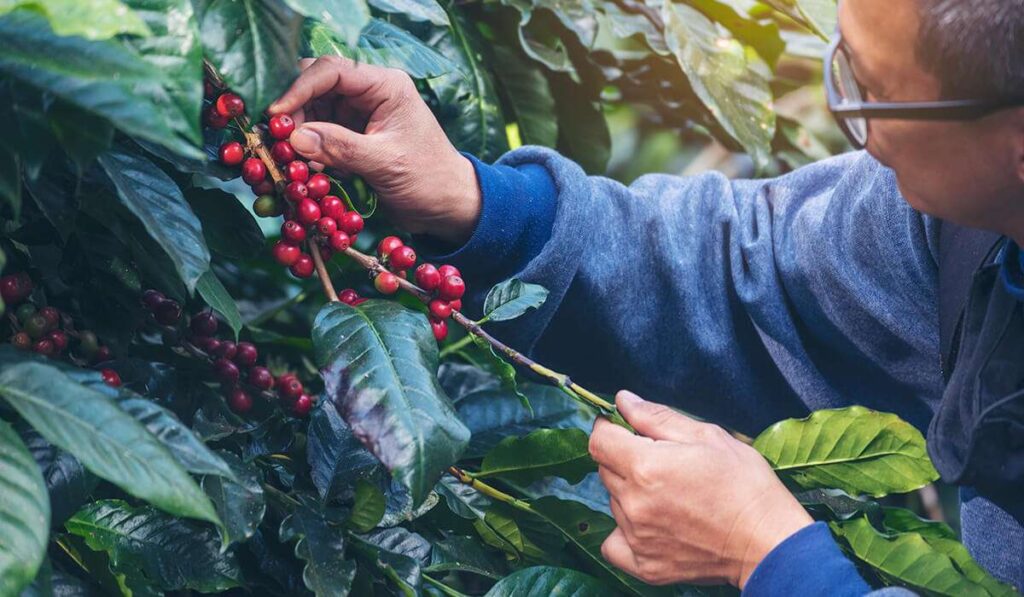
Tanzania produces predominantly Arabica coffee, grown at altitude on fertile volcanic soils. The country’s beans are known for bright acidity, floral aromas, and layered sweetness, often with citrus or stone-fruit notes. Flavor varies by region, influenced by elevation, soil composition, and post-harvest methods.
Most coffee is produced by smallholder farmers organized into cooperatives. This structure shapes the visitor experience: tours are intimate, hands-on, and rooted in family farms rather than industrial plantations. Travelers encounter coffee as a living crop tied to seasons, weather, and community rhythms.
Coffee on the Slopes of Mount Kilimanjaro
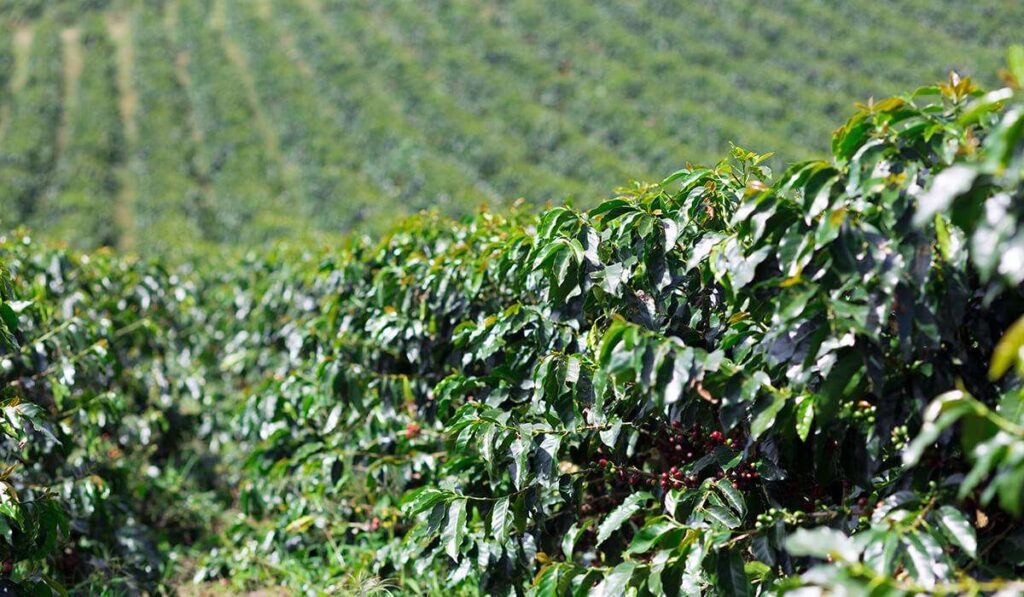
The southern and eastern slopes of Mount Kilimanjaro are among Tanzania’s most iconic coffee-growing areas. Here, coffee gardens sit beneath banana canopies, a traditional agroforestry system that conserves moisture and enriches soil. Walking these farms reveals how shade, altitude, and careful pruning protect quality while supporting food security.
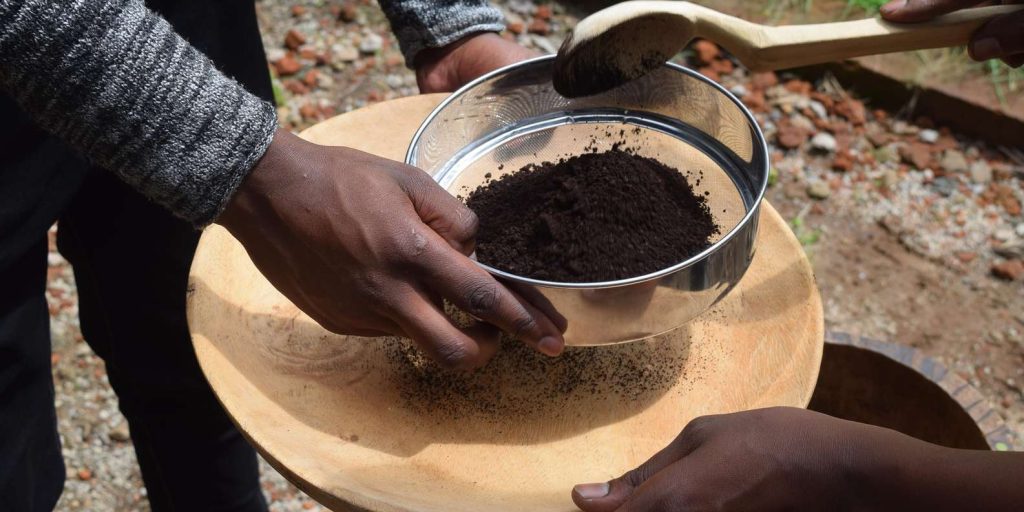
Tours often begin with a stroll through coffee gardens, where guides explain varietals and growth cycles. Visitors then follow cherries to pulping stations, fermentation tanks, drying racks, and roasting hearths. Tasting sessions highlight how subtle changes in processing alter aroma and body. Because Kilimanjaro farms are close to Moshi, these tours pair easily with Kilimanjaro trekking or cycling routes around the mountain.
Arusha and Mount Meru: Coffee Close to the Safari Gateway
Around Arusha and the foothills of Mount Meru, coffee farms benefit from cooler temperatures and reliable rainfall. This region is a natural bridge between agriculture and safari travel, making it ideal for half-day coffee tours before or after visits to Arusha National Park, Tarangire, or Ngorongoro.
Coffee tours here emphasize cooperative models and value addition. Travelers learn how quality control works across many small farms and how direct trade improves farmer incomes. The proximity to safari hubs makes Arusha-area coffee experiences accessible without sacrificing depth.
Karatu Highlands: Coffee Between Crater and Plains
Near Karatu, coffee thrives in fertile soils between Lake Manyara and the Ngorongoro Highlands. This location allows travelers to weave a coffee experience into classic northern circuit routes. The landscape—rolling hills, forest edges, and farms—contrasts beautifully with the open savannahs nearby.
Karatu coffee tours often include walking paths through mixed farms where coffee grows alongside maize, beans, and fruit trees. Guides discuss soil health, composting, and water use, connecting coffee quality to conservation. Tastings here frequently reveal balanced cups with gentle acidity, reflecting the region’s moderate elevations.
Understanding the Coffee Process: From Cherry to Cup
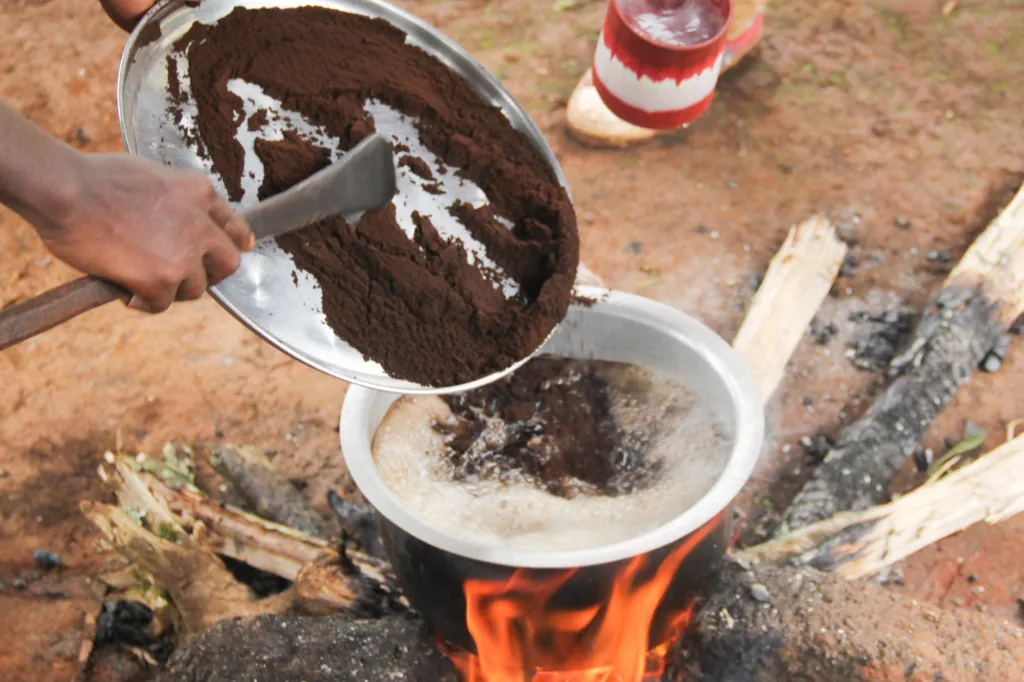
A Tanzania coffee tour is most rewarding when travelers understand each step of production. Harvesting is done by hand, selecting ripe cherries to ensure sweetness. Pulping removes outer skin, followed by fermentation to break down mucilage. Drying—often on raised beds stabilizes flavor, while roasting unlocks aroma and character.
Participating in these steps transforms coffee from commodity to craft. Travelers gain practical insight into why timing, cleanliness, and patience matter, and how small variations shape the final cup. This knowledge deepens appreciation long after the journey ends.
Tanzanian Tea Estates: Green Hills and Gentle Rhythms
Tea tells a different story in Tanzania. Where coffee thrives under shade and mixed cropping, tea prefers open, misty hills with steady rainfall. Tanzania’s tea estates are scenic and serene, defined by rolling green fields and cool air.
The most famous tea-growing regions lie in the eastern highlands, particularly the Usambara Mountains near Lushoto. Here, estates stretch across hillsides, forming a patchwork of green that feels worlds away from the savannah.
Usambara Mountains: Tea, Forests, and Heritage
Tea estates in the Usambara Mountains offer a blend of agriculture and ecology. The region’s biodiversity is exceptional, and responsible estates integrate forest conservation with production. Guided walks explain plucking cycles, with leaves harvested every few weeks to maintain quality.
Processing facilities demonstrate withering, rolling, oxidation, and drying—steps that determine whether tea becomes black, green, or specialty styles. Tastings emphasize freshness and terroir, while estate histories reveal colonial legacies and modern sustainability efforts.
Usambara tea visits pair beautifully with forest hikes, birding, and cultural walks, creating a balanced itinerary focused on landscapes and learning.
Tea and Community: Labor, Learning, and Sustainability
Tea estates employ many local residents, and tours increasingly highlight labor standards, education initiatives, and environmental stewardship. Travelers learn how estates manage water, reduce chemical inputs, and protect surrounding forests.
Community-focused experiences may include school visits or village walks that contextualize tea within daily life. These encounters underscore how agriculture supports regional stability and conservation key themes for responsible travel.
Coffee vs. Tea: Choosing the Right Experience
Coffee and tea tours offer distinct rhythms. Coffee experiences are often intimate and participatory, ideal for travelers who enjoy hands-on learning. Tea estates provide expansive scenery and structured processing insights, appealing to those who enjoy landscape immersion and production scale.
Many travelers choose both, creating a narrative arc across Tanzania’s highlands. Combining coffee near safari routes with tea in the eastern mountains delivers contrast without redundancy.
Best Time to Visit Coffee Farms and Tea Estates
Coffee harvesting seasons vary by region but often peak between July and December, offering the most interactive experiences. Tea can be visited year-round, as plucking occurs continuously in suitable climates. The dry seasons generally provide easier travel and clearer views, while green seasons enhance color and freshness.
Because these experiences are not dependent on wildlife migration, they remain rewarding throughout the year and add flexibility to safari planning.
Pairing Coffee and Tea Tours with Safari Travel
Coffee and tea tourism integrates naturally with Tanzania’s safari circuits. A morning on a coffee farm can precede an afternoon game drive, while a tea estate stay offers a restorative pause between parks. These experiences balance adrenaline with reflection, making itineraries richer and more humane.
For photographers, cyclists, and cultural travelers, farms and estates provide texture and narrative that elevate a journey beyond sightings.
Ethical Travel and Buying with Impact
Responsible coffee and tea tours prioritize transparency and fair compensation. Travelers are encouraged to purchase directly from cooperatives or estates, ensuring income returns to producers. Learning about certifications and direct trade helps visitors make informed choices that extend impact beyond the trip.
Ethical engagement—asking questions, respecting privacy, and valuing labor—builds trust and sustains access.
From Cup to Country
A Tanzania coffee tour or visit to Tanzanian tea estates reveals the country through its cultivated landscapes and skilled hands. These experiences connect soil to flavor, people to place, and travel to purpose. When paired with safaris, they complete a portrait of Tanzania that is as grounded as it is grand.
Long after the journey ends, each cup becomes a memory—of hills walked, stories shared, and a country experienced beyond the obvious.
Frequently Asked Questions Tanzania Coffee Tours & Tanzanian Tea Estates
A Tanzania coffee tour is an immersive visit to smallholder farms or cooperatives where travelers learn how coffee is grown, processed, roasted, and tasted. These tours emphasize hands-on participation, regional terroir, and community livelihoods, often pairing naturally with safari itineraries.
Top regions include the slopes of Mount Kilimanjaro, the Arusha and Mount Meru area, and the Karatu Highlands near Ngorongoro. Each region offers distinct flavors and landscapes, making them easy to combine with northern circuit safaris.
Visitors explore rolling tea fields, learn plucking and processing methods, and taste fresh teas. Estate tours often include discussions on sustainability, labor practices, and forest conservation, especially in the Usambara Mountains.
Yes, farms can be visited year-round, though harvest months offer the most interactive experiences. Outside peak harvest, tours focus more on processing, tasting, and farm ecology.
Coffee tours typically last two to four hours, while tea estate visits can range from half-day walks to overnight stays. Both can be tailored to fit safari schedules.
Absolutely. Guides adapt explanations for all levels, making tours enjoyable for families, casual travelers, and enthusiasts alike.
Revenue supports farmers, workers, and local projects. Direct purchases and responsible operators ensure economic benefits remain within the community.
RELATED BLOGS
Exploring Africa’s Iconic Experience in Tanzania
Explore Astro
Our Dream Vacation
Day Trips (Short Safari)
Top Experiences