

Based on Tripadvisor reviews

Based on Tripadvisor reviews
Based on Tripadvisor reviews



Where the Serengeti Rises from Stone
When most travelers imagine the Serengeti, they picture endless golden plains stretching toward the horizon, broken only by acacia trees and moving herds. Yet rising abruptly from these plains are ancient stone formations that quietly define the ecosystem. These are the Serengeti rocky hills, locally known as kopjes islands of granite that transform the open savannah into a landscape of strategy, shelter, and survival.
Kopjes may appear static and timeless, but they are among the most dynamic places in the Serengeti. They influence predator behavior, concentrate wildlife activity, provide refuge during harsh seasons, and create some of the most iconic safari scenes in Africa. For photographers, naturalists, and experienced safari travelers, kopjes are often where the most memorable moments unfold.
To truly understand the Serengeti ecosystem, one must understand its rocky hills. They are not just geological features; they are the Serengeti’s natural fortresses.
What Are Serengeti Kopjes?
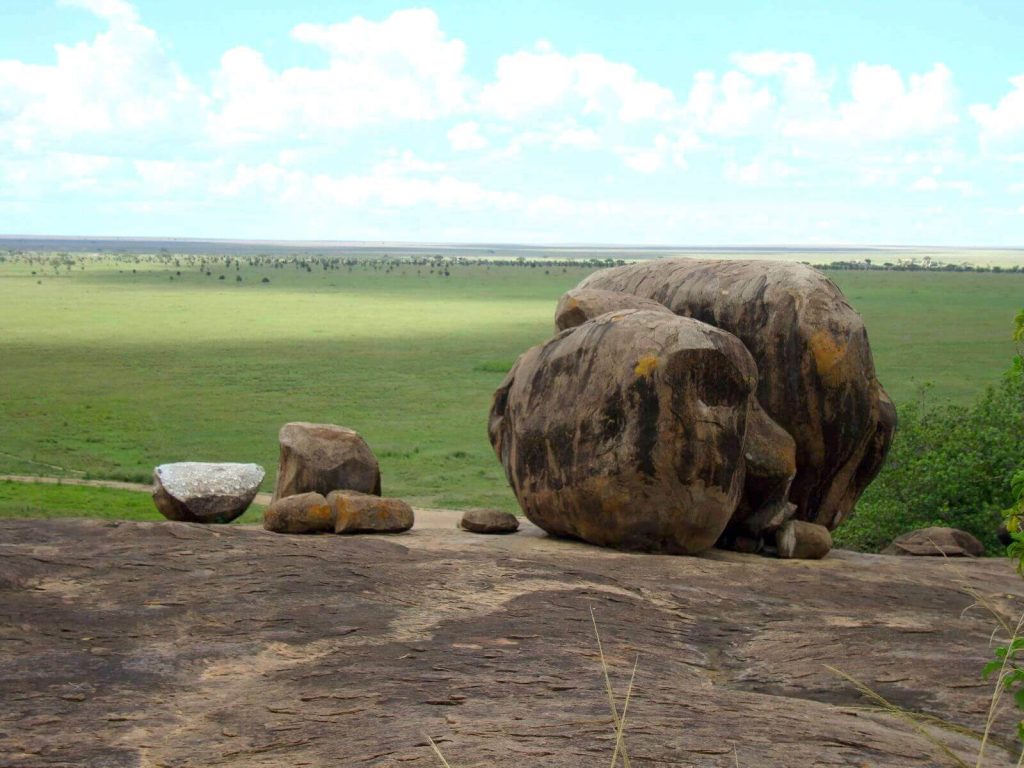
The word kopje comes from Afrikaans, meaning “small hill,” but the Serengeti’s kopjes are far more significant than their name suggests. These rocky outcrops are composed primarily of ancient granite and gneiss, formed more than 500 million years ago. Over immense periods of time, wind and rain eroded the softer surrounding soils, leaving behind these resistant stone formations exposed above the plains.
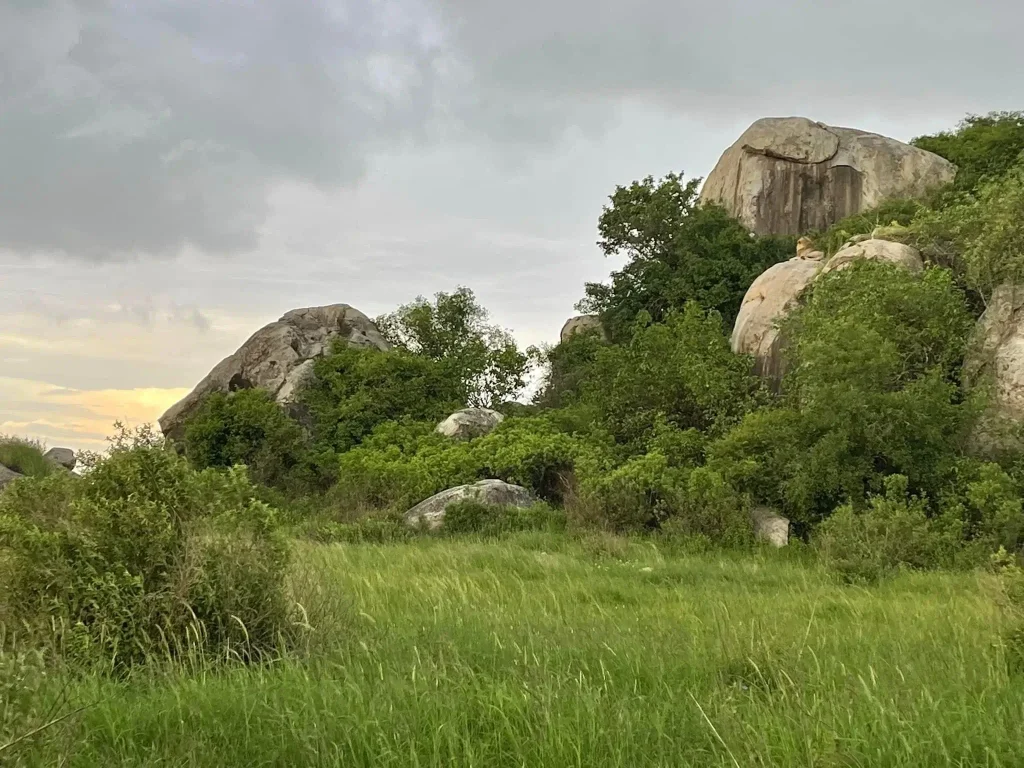
Kopjes vary greatly in size and shape. Some rise only a few meters above the grass, while others form massive complexes of stacked boulders, caves, crevices, and ridges stretching hundreds of meters across. Their sudden appearance within flat grassland creates dramatic visual contrast and ecological opportunity.
Despite their rocky nature, kopjes are far from lifeless. They host micro-ecosystems with plants, insects, reptiles, birds, and mammals that depend on the shelter and resources these formations provide.
The Geological Story Behind the Kopjes
The Serengeti’s kopjes are remnants of an ancient volcanic and tectonic past. Long before the Serengeti became a grassland, this region was shaped by volcanic eruptions and continental movement. As climates changed and erosion intensified, the harder granite resisted weathering while softer sediments were gradually worn away.
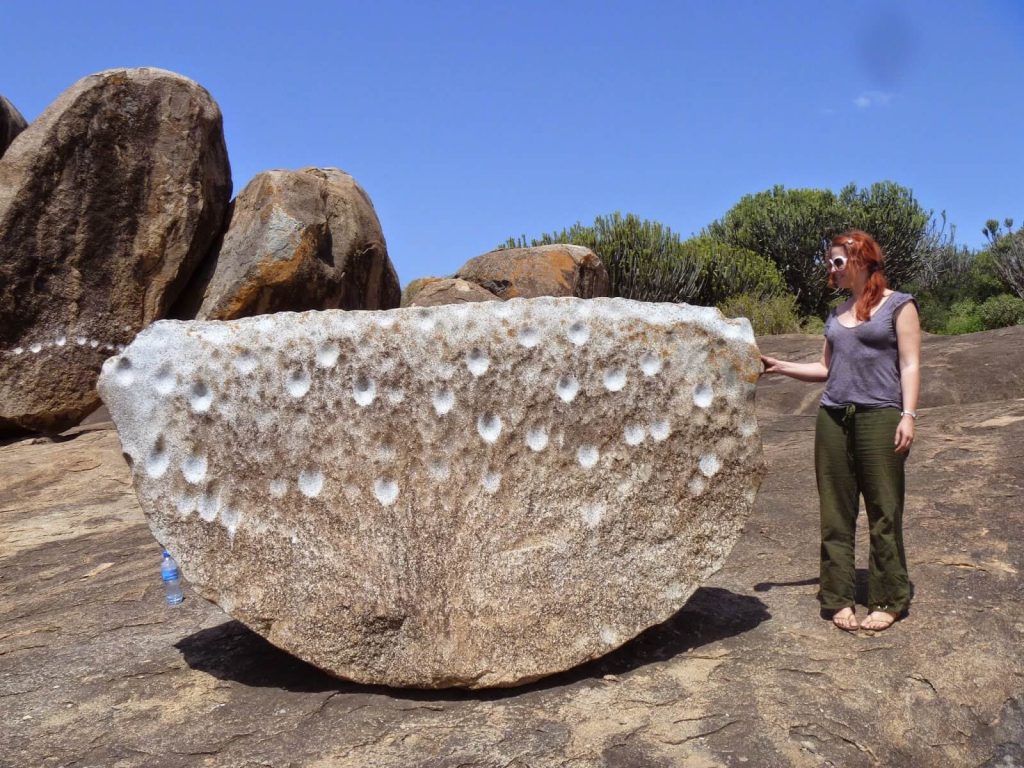
Cracks formed in the stone, collecting dust and organic material. Rainwater pooled in depressions, allowing plants to take root directly on bare rock. Today, fig trees, aloes, lichens, and grasses grow from these crevices, creating green pockets in an otherwise open landscape.
This geological resilience makes kopjes permanent landmarks in a system defined by seasonal change. While rivers dry and grasslands shift, kopjes remain constant.
Why Kopjes Are Vital to the Serengeti Ecosystem
Kopjes function as ecological anchors in the Serengeti. In an ecosystem driven by movement migration, rainfall, predator-prey dynamics kopjes provide stability and predictability.
They offer shade and cooler temperatures during the intense African heat. Rock crevices remain cool throughout the day, providing refuge for animals during the hottest hours. During the dry season, kopjes retain moisture longer than surrounding plains, supporting vegetation when grass elsewhere has withered.
Equally important, kopjes provide elevation. From their summits, predators can scan vast areas of savannah without expending energy. This strategic advantage explains why kopjes are so closely associated with big cats. Without kopjes, the Serengeti would be flatter, harsher, and far less efficient as a wildlife habitat.
Kopjes and Big Cats: A Strategic Alliance
If kopjes are famous for one reason, it is their relationship with big cats.
Lions of the Rocks
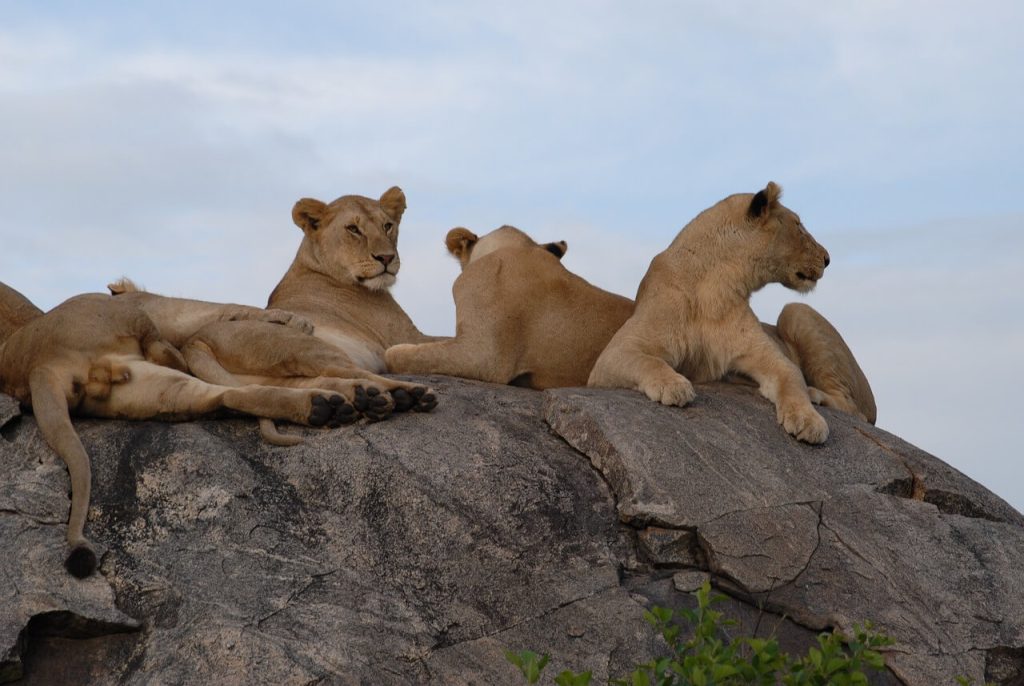
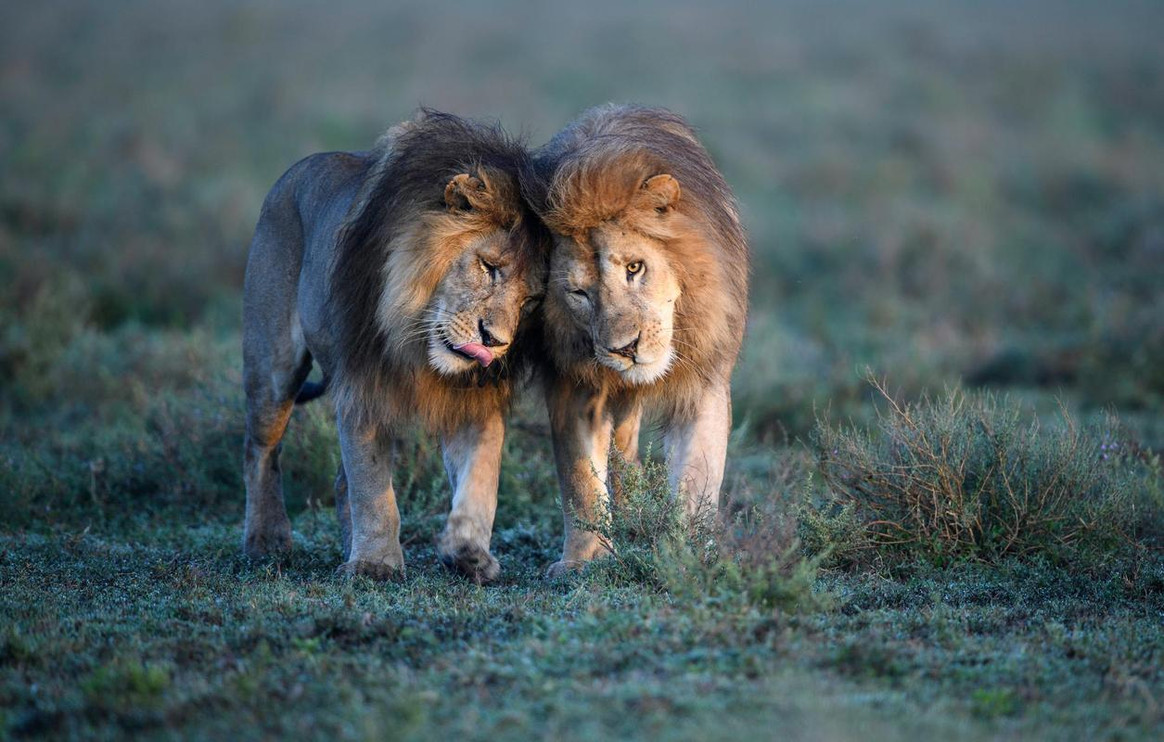
Lions are the undisputed rulers of the kopjes. They use them as resting platforms, lookout points, and nurseries. From the elevated rocks, lions can monitor herds moving across the plains, observe rival prides, and identify potential hunting opportunities without unnecessary movement.
Lionesses frequently hide cubs within sheltered kopje caves, where they are protected from hyenas and other predators. Some of the Serengeti’s most stable lion prides are permanently associated with specific kopjes, particularly in the central Seronera region.
Leopards: Masters of Stone and Shadow
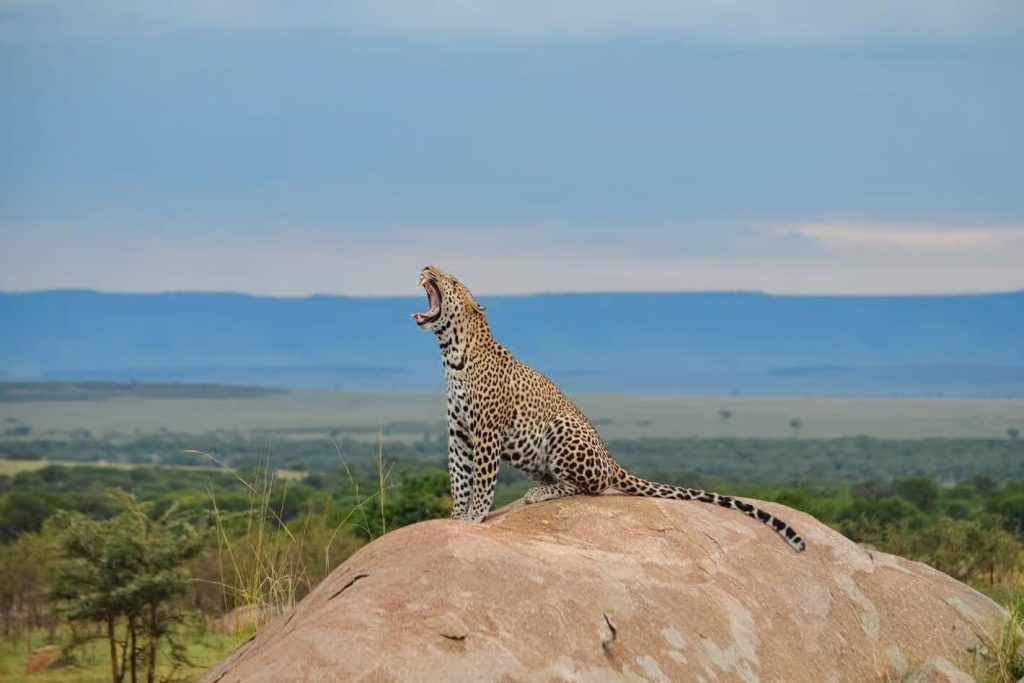
Leopards are naturally drawn to kopjes. The broken terrain suits their secretive nature, offering shade, concealment, and escape routes. Leopards often drag kills into trees growing from kopjes or stash prey within rocky crevices, safe from scavengers.
For safari guides and photographers, kopjes are among the best places to search for leopards, especially during early morning and late afternoon.
Cheetahs and Elevated Strategy
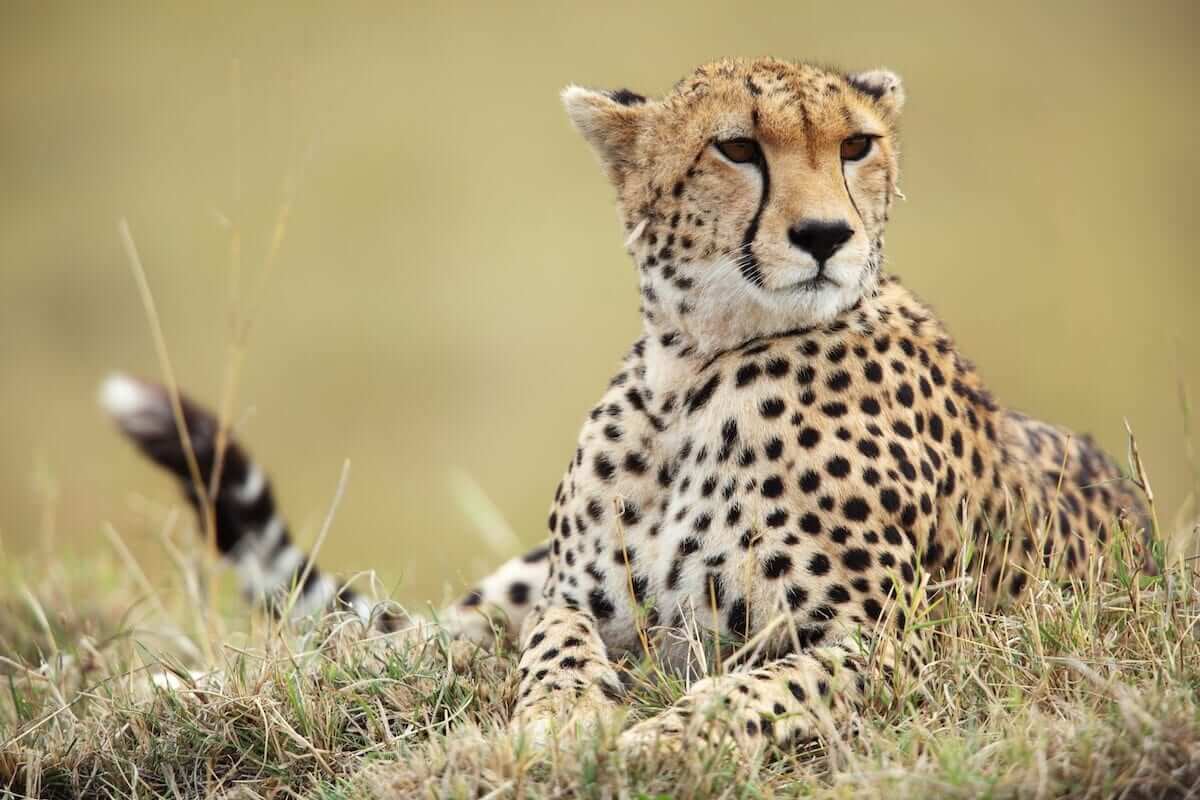
Although cheetahs prefer open plains for high-speed chases, they frequently use kopjes as observation posts.
From a rock summit, a cheetah can scan for prey before descending into open ground to hunt. This behavior highlights that even the fastest predator relies on strategy as much as speed.
Other Wildlife That Depends on Kopjes
Kopjes support far more than big cats. Rock hyraxes live permanently among the stones, darting between cracks and alerting predators with their calls. Klipspringers, small antelopes adapted to rocky terrain, move effortlessly across steep surfaces. Reptiles bask on warm stone, while insects thrive in sheltered crevices.
Birdlife is particularly rich around kopjes. Birds of prey nest on ledges, while smaller species feed on insects attracted by vegetation growing on the rocks. Even elephants interact with kopjes, rubbing against stone to scratch their skin or accessing mineral-rich soil.Each kopje functions as a self-contained habitat within the wider Serengeti ecosystem.
Kopjes and the Great Wildebeest Migration
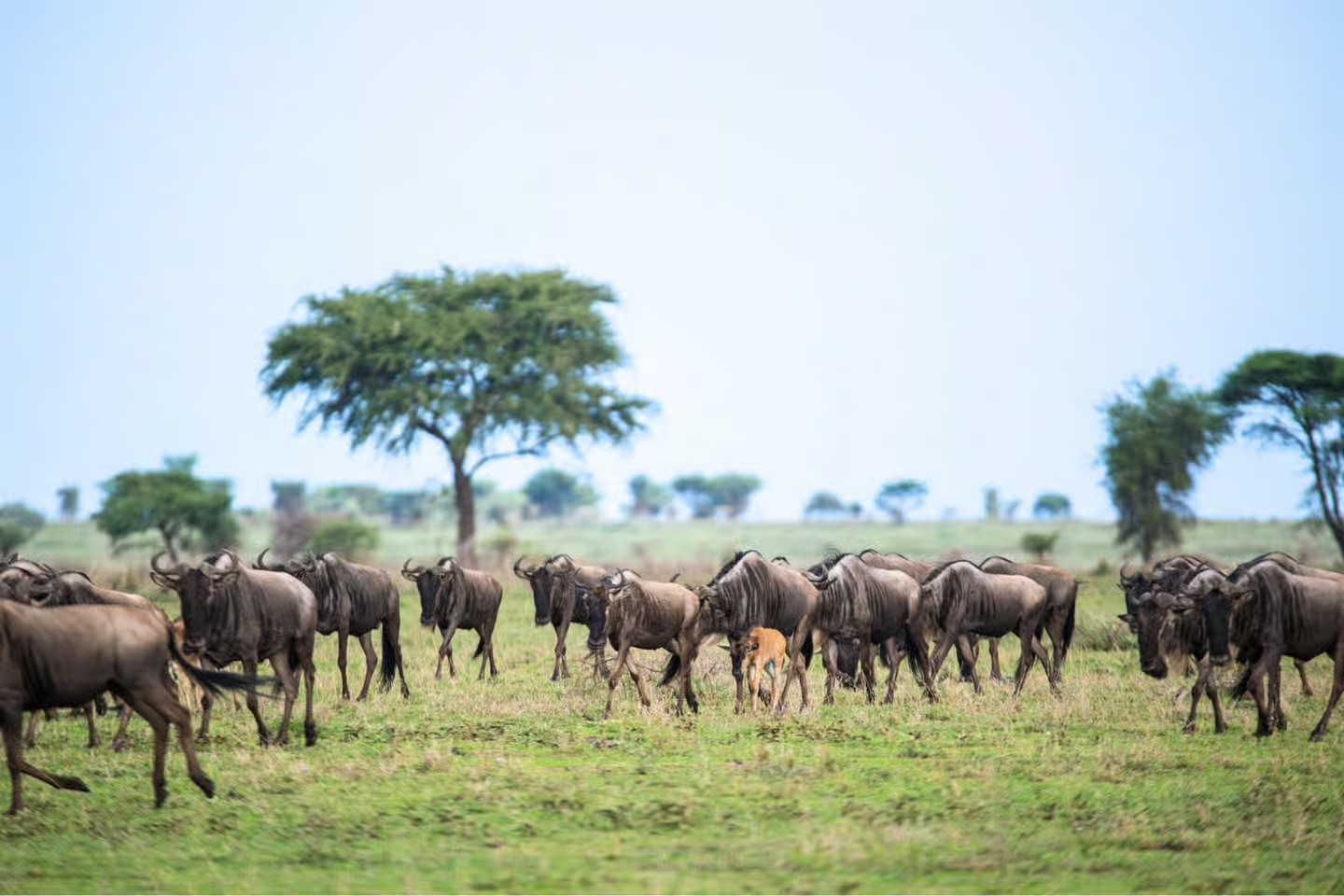
During the Great Wildebeest Migration, kopjes become strategic focal points. As millions of wildebeest and zebra move across the plains, predators position themselves near kopjes to monitor and ambush passing herds.
In the southern Serengeti during the calving season, kopjes are often surrounded by thousands of wildebeest. Lions use elevated positions to identify weak or isolated calves, creating intense predator-prey interactions that define this time of year.
For safari travelers, kopje areas during migration months offer some of the most dramatic wildlife encounters imaginable.
Human History and Cultural Significance of Kopjes
Kopjes are not only natural features; they are historical landmarks. Archaeological evidence shows that early humans used kopjes for shelter, observation, and tool-making. Their elevated position offered safety and visibility in a predator-rich environment.
The famous Olduvai Gorge lies near kopje-rich areas, reinforcing the connection between early humans and rocky landscapes. For the Maasai, kopjes have long served as navigation points and storytelling landmarks, each with its own name and meaning.These stones have witnessed the full arc of human history in East Africa.
Best Places to See Serengeti Kopjes
While kopjes are scattered throughout the park, certain regions are especially renowned. The central Serengeti, particularly around Seronera, contains the highest concentration and offers year-round wildlife viewing. The Moru Kopjes are historically significant and known for black rhino sightings. The Gol Kopjes dominate the southern plains and are iconic during the calving season.
Each area offers a distinct kopje experience shaped by wildlife density, vegetation, and seasonal movement.
Photography and Safari Experience Around Kopjes
From a safari photography perspective, kopjes add depth, scale, and drama to images. A lion silhouetted against the sky, a leopard emerging from shadow, or elephants moving past ancient rock formations create timeless compositions.
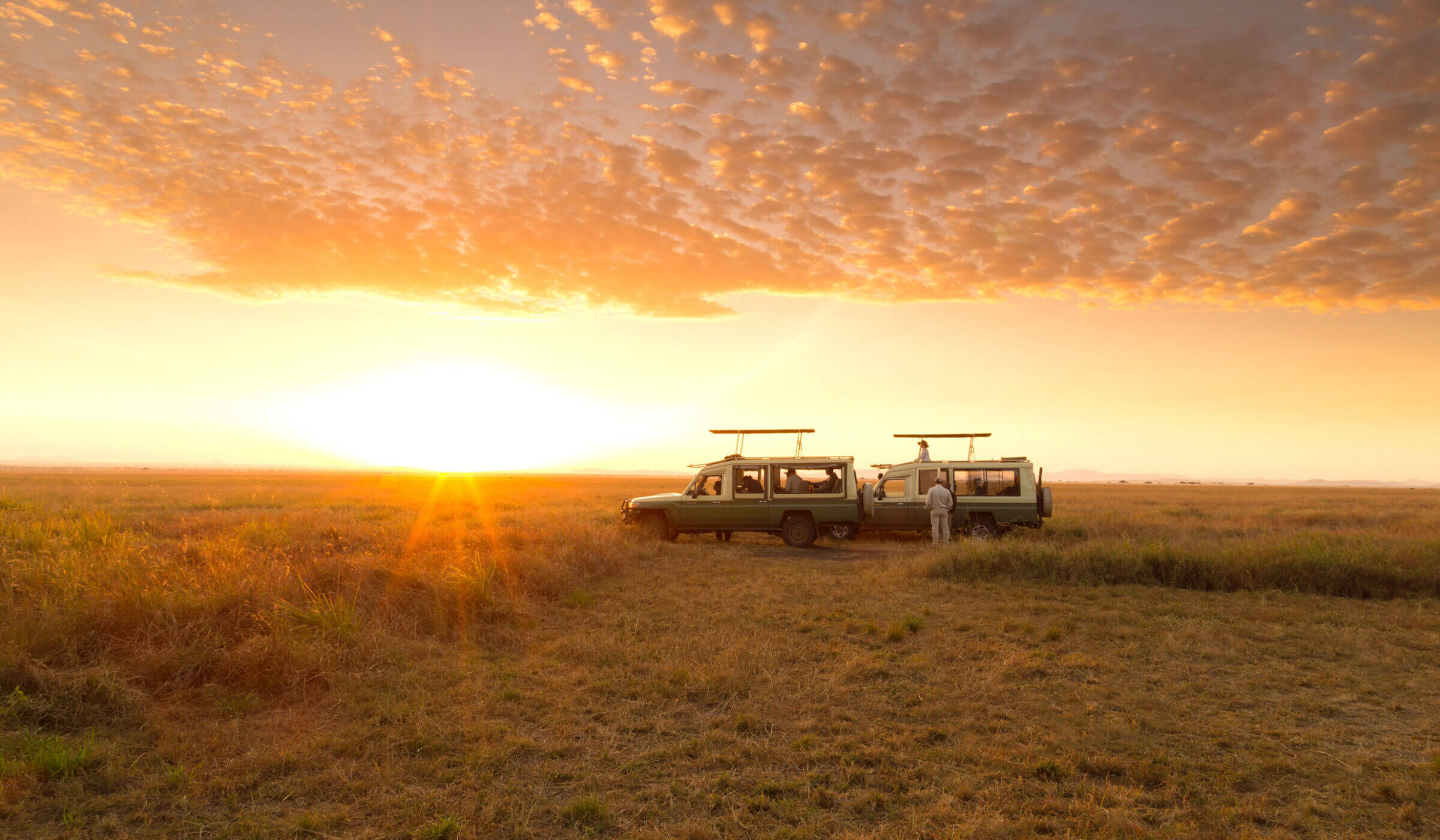
Early morning and late afternoon are the best times to photograph kopjes, when soft light enhances texture and animals are most active. Guides often pause near kopjes during game drives, allowing guests to observe behavior unfold naturally.
Kopjes encourage patience, observation, and storytelling key elements of a meaningful safari.
Best Time to Visit Kopje Areas
Kopjes can be visited year-round, but experiences vary by season. During the dry season from June to October, wildlife concentrates near permanent features like kopjes, making sightings frequent and predictable. Visibility is excellent, and vegetation is sparse.
During the green season from November to May, landscapes become lush and dramatic. Birdlife increases, skies are photogenic, and calving season brings intense predator action near kopjes in the south.
Conservation and Protection of Kopjes
Kopjes are protected from off-road driving and disturbance because they serve as breeding and resting areas. Responsible safari practices ensure animals can continue using these spaces naturally.
Many long-term lion and leopard studies focus on kopje associated prides, contributing valuable data to conservation science and wildlife management.
The Soul of the Serengeti in Stone
The Serengeti rocky hills kopjes are far more than scenic backdrops. They are the strategic heart of the ecosystem, shaping wildlife behavior, human history, and the safari experience itself.
To watch lions resting on sun-warmed stone or a leopard melting into shadow is to witness the Serengeti at its most timeless. These rocks have seen climates change, species evolve, and migrations continue unchanged.
If the plains are the Serengeti’s body, the kopjes are its memory.
Frequently Asked Questions About Serengeti Rocky Hills (Kopjes) Landscape
Kopjes are ancient granite rock formations that rise above the Serengeti plains. They create important habitats for wildlife by providing shade, shelter, water retention, and elevated viewpoints.
Lions use kopjes for shade, safety, and strategic advantage. From elevated rocks, they can monitor prey movement while conserving energy, and lionesses often hide cubs in sheltered crevices.
Yes. Predators use kopjes as observation and ambush points during migration periods, especially during the wildebeest calving season in the southern Serengeti.
Rock hyraxes, reptiles, insects, and certain bird species live almost entirely on kopjes, while big cats and other mammals use them regularly.
The Seronera kopjes, Moru Kopjes, and Gol Kopjes are among the most well-known, each offering unique wildlife viewing opportunities.
No. For safety and conservation reasons, visitors are not allowed to climb kopjes. All viewing is done from safari vehicles or designated viewpoints.
Early morning and late afternoon provide the best light and animal activity, creating dramatic shadows and ideal conditions for photography.
RELATED BLOGS
Exploring Africa’s Iconic Experience in Tanzania
Explore Astro
Our Dream Vacation
Day Trips (Short Safari)
Top Experiences