

Based on Tripadvisor reviews

Based on Tripadvisor reviews
Based on Tripadvisor reviews



A New Dimension of the Tanzania Safari
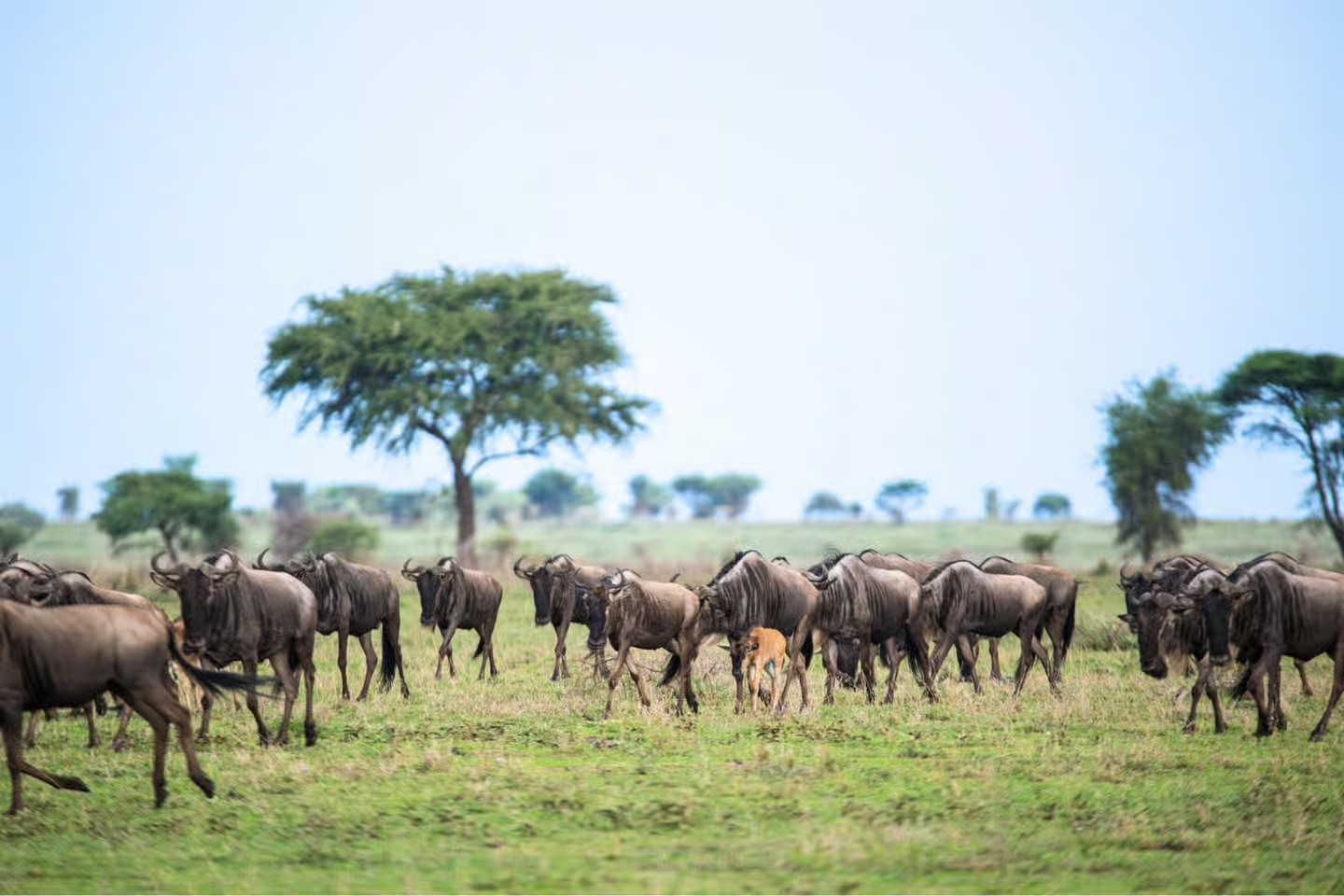
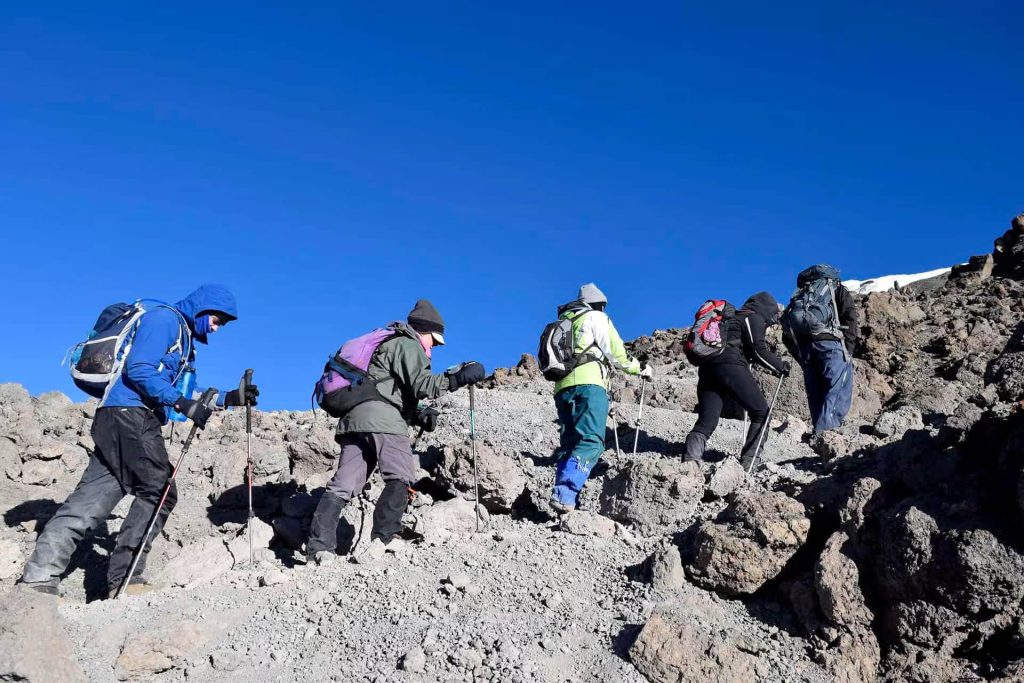
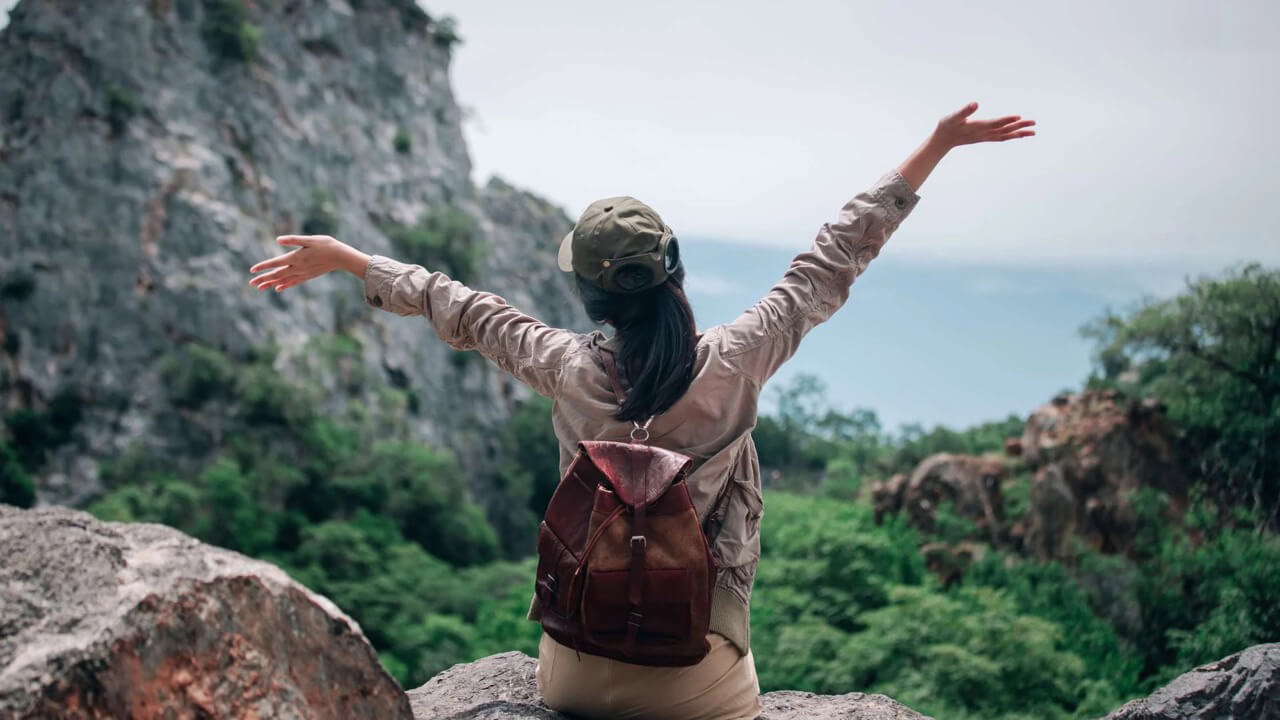
For decades, Tanzania has been defined by its legendary wildlife safaris vast savannahs, the Great Migration, and iconic predators roaming free. Yet beyond the game-drive circuits lies another Tanzania, one shaped by ancient granite, volcanic rock, and rugged escarpments. This is the world of the rock climbing Tanzania safari, where adventure travelers combine vertical exploration with classic African wildlife experiences.
Rock climbing in Tanzania is still a hidden gem. Unlike heavily commercialized climbing destinations, Tanzania offers raw landscapes, quiet crags, and an unmatched sense of discovery. When paired with safari experiences, climbing becomes more than a sport it becomes a journey through geology, culture, and wilderness.
From bolted sport routes in Kondoa to emerging bouldering opportunities scattered across the country, Tanzania is quietly establishing itself as an adventure destination for climbers who want something truly different.
What Is a Rock Climbing Tanzania Safari?
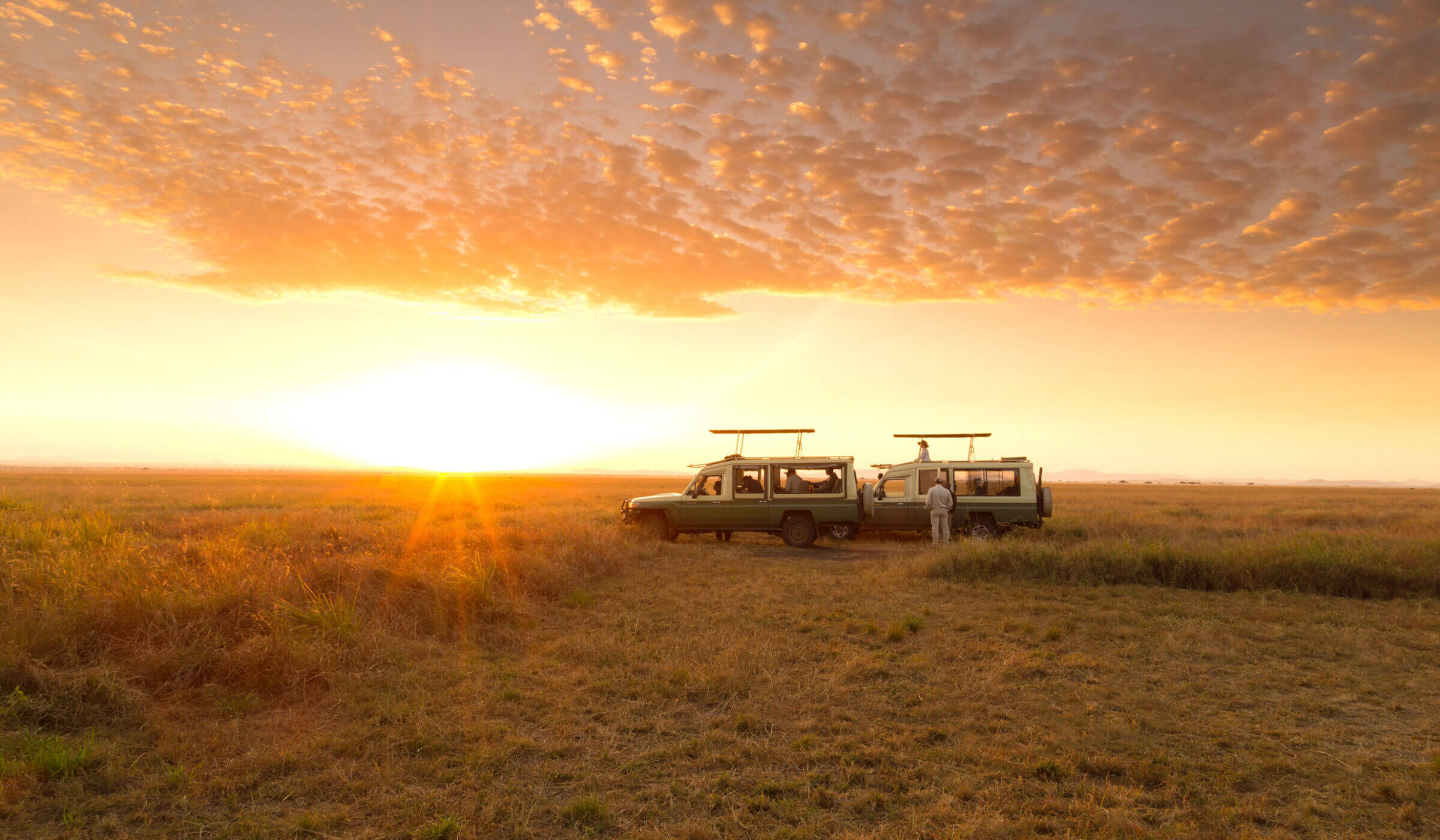
A rock climbing Tanzania safari blends traditional safari travel with climbing activities, often within the same itinerary. Mornings might be spent climbing granite faces or bouldering among ancient rocks, while afternoons transition into wildlife viewing, cultural encounters, or relaxation in safari lodges.
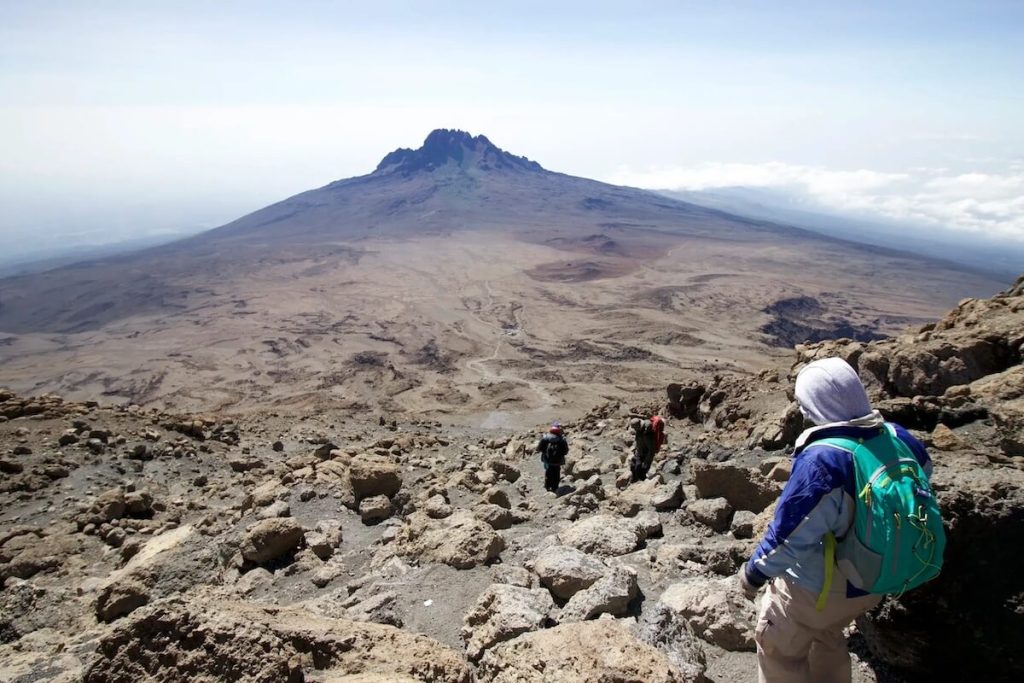
Unlike alpine climbing destinations, Tanzania’s climbing scene is mostly low-altitude and accessible, making it suitable for climbers of varied experience levels. The emphasis is on sport climbing, bouldering, and adventure scrambling, rather than extreme mountaineering.
What makes the experience unique is context. You are not climbing in isolation; you are climbing in landscapes shaped by wildlife migration, pastoral life, and volcanic history.
Why Tanzania Is an Emerging Rock Climbing Destination
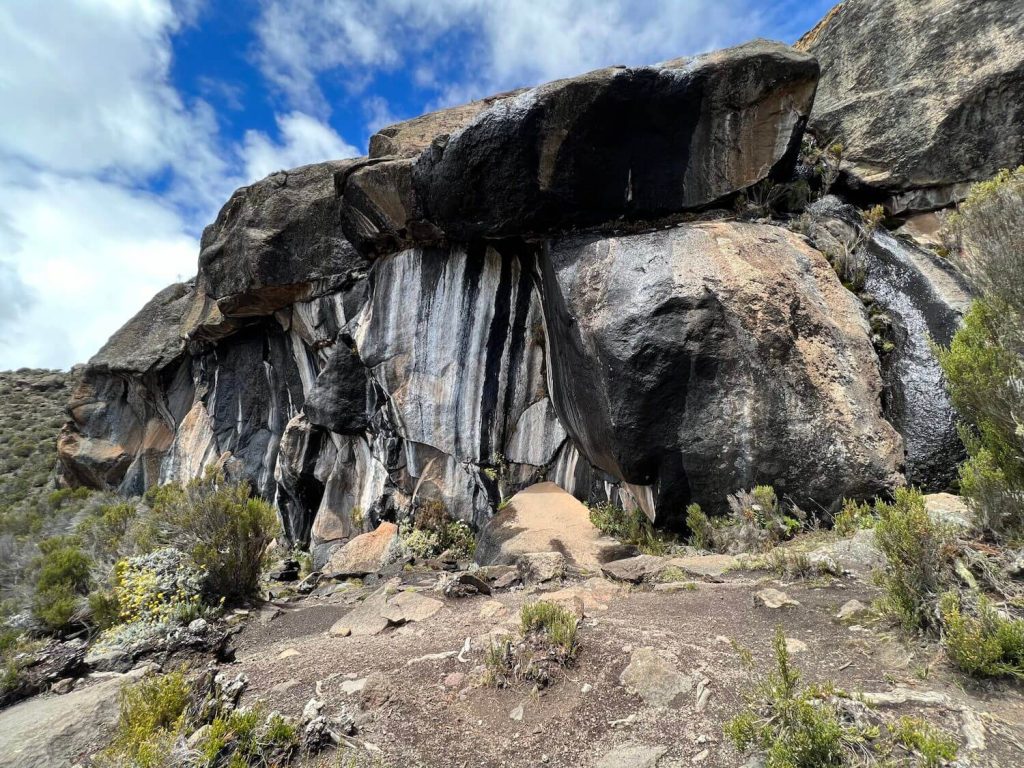
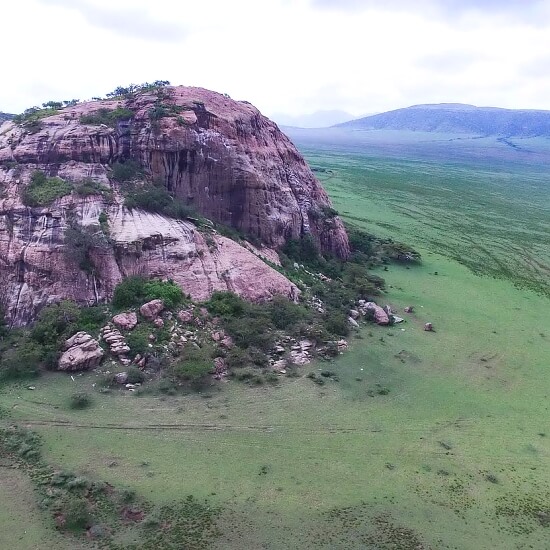
Tanzania’s geological diversity creates ideal conditions for climbing. Ancient granite outcrops, volcanic lava formations, and erosion-shaped cliffs provide varied textures and styles. Because climbing tourism is still developing, crags are quiet, routes feel adventurous, and the sense of exploration is strong.
Equally important is the cultural environment. Many climbing areas are located near traditional communities, particularly Maasai and rural farming regions. With proper local engagement and guiding, climbing becomes part of a broader cultural exchange rather than an isolated activity.
For safari travelers seeking movement, challenge, and perspective, rock climbing offers a powerful complement to wildlife experiences.
Kondoa: Tanzania’s Best Known Bolted Rock Climbing Area
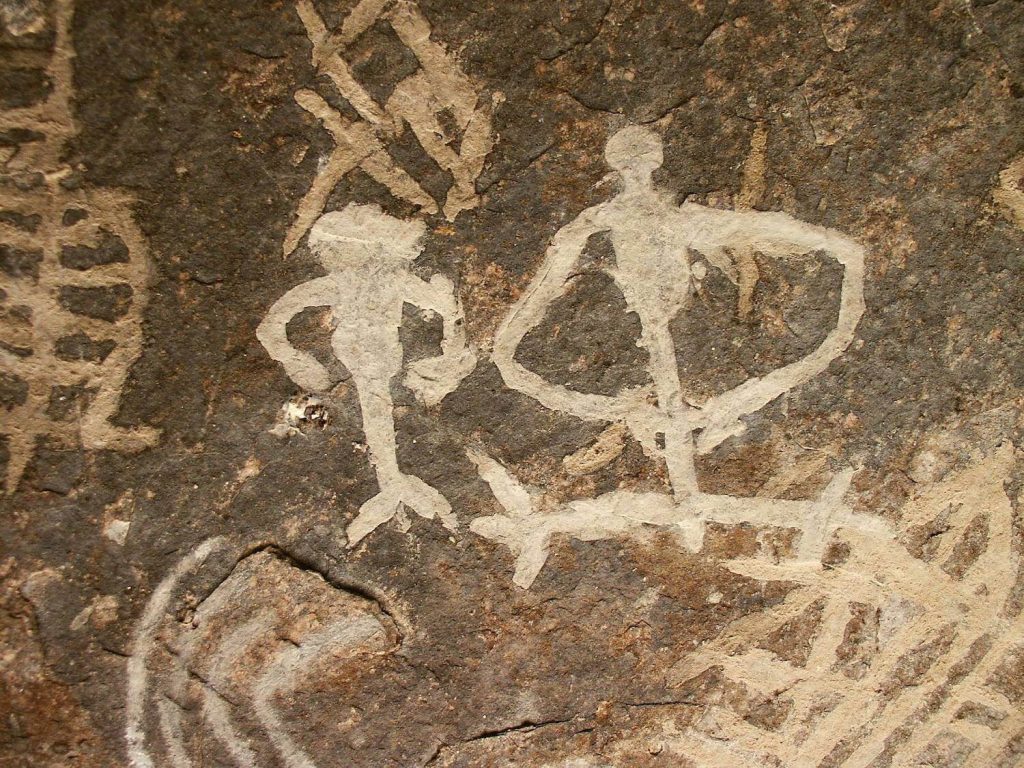
The town of Kondoa, located in central Tanzania, is currently the most established sport climbing destination in the country. Set within a landscape of rolling hills, ancient rock shelters, and baobab trees, Kondoa is best known archaeologically for its UNESCO-listed rock art but it is also home to Tanzania’s most developed bolted climbing routes.
The rock in Kondoa is predominantly granite, offering excellent friction, solid holds, and technical face climbing. Over the years, visiting climbers and local partners have established a growing number of bolted sport routes, making the area accessible to climbers without the need for traditional protection.
Routes in Kondoa vary in difficulty, generally ranging from beginner-friendly climbs to more challenging technical lines. The bolting style reflects a safety-conscious approach, with anchors and protection placed to international sport climbing standards. This makes Kondoa an ideal destination for climbers looking to explore Tanzania without committing to remote or dangerous first ascents.
Climbing days in Kondoa are often quiet and unhurried. You may have entire crags to yourself, climbing in silence broken only by wind and birdsong a stark contrast to crowded climbing hubs elsewhere in the world.
The Climbing Experience in Kondoa
Climbing in Kondoa feels exploratory rather than commercial. Access approaches are short, the environment is rural, and local curiosity often accompanies visiting climbers. The climate is generally warm and dry, making early morning and late afternoon sessions most comfortable.
The surrounding landscape adds depth to the experience. From the crags, views stretch across valleys dotted with villages, farmland, and ancient rock formations. It is easy to imagine how humans have interacted with this landscape for thousands of years, long before climbing became a sport.
For climbers traveling with non-climbing companions, Kondoa also offers cultural and historical interest, making it a rewarding stop on a longer Tanzania journey.
Bouldering Opportunities in Tanzania
Beyond Kondoa’s bolted routes, Tanzania offers significant potential for bouldering, much of it still unexplored. Granite boulders are scattered throughout the country, particularly in central and northern Tanzania, where erosion has created clusters of climbable rock.
Bouldering in Tanzania is informal and adventurous. There are few established problems, no guidebooks, and minimal chalk marks. This appeals to climbers who enjoy problem-solving, creativity, and the thrill of discovering new lines.
Areas near Kondoa, parts of the Rift Valley, and regions bordering the Ngorongoro Highlands show strong potential for bouldering, though exploration should always be done responsibly and with local awareness.
Bouldering pairs exceptionally well with safari travel, as sessions are short, flexible, and do not require extensive gear or logistics.
Combining Rock Climbing with a Classic Tanzania Safari
One of the greatest advantages of rock climbing in Tanzania is how seamlessly it integrates with safari itineraries. After several days of wildlife viewing in national parks, climbers often appreciate the physical engagement and mental focus that climbing provides.
A typical itinerary might include climbing in Kondoa or bouldering in rural areas, followed by safari experiences in destinations such as Tarangire, Lake Manyara, or the Ngorongoro Conservation Area. This balance between movement and observation keeps travel dynamic and rewarding.
For photographers and naturalists, climbing also offers elevated viewpoints and a deeper understanding of the terrain wildlife depends on.
Wildlife and Environment Around Climbing Areas
While rock climbing areas are generally away from high-density predator zones, wildlife is still part of the experience. Birdlife is abundant, and it is not uncommon to see antelope, monkeys, or grazing livestock near climbing sites.
This proximity reinforces the importance of respectful behavior. Climbers should minimize noise, avoid disturbing vegetation, and always follow local guidance. In Tanzania, conservation and community coexistence are central to sustainable adventure tourism.
Best Time for a Rock Climbing Tanzania Safari
The best seasons for rock climbing in Tanzania are during the dry months from June to October and the short dry season from January to February. During these periods, rock conditions are optimal, temperatures are manageable, and access routes are clear.
The green season, from March to May, brings lush landscapes and dramatic skies but may limit climbing due to rain and humidity. However, bouldering and exploratory climbing can still be enjoyable during dry spells.
Timing climbing sessions early in the morning or late in the afternoon helps avoid heat and enhances comfort.
Safety, Ethics, and Local Engagement
Safety in Tanzania’s climbing areas depends on preparation and respect. Climbers should bring appropriate gear, inspect bolts carefully, and avoid climbing alone in remote areas. Hiring local guides where available adds both safety and cultural value.
Ethically, climbers should engage with local communities transparently, seek permission where appropriate, and support local businesses. Responsible climbing helps ensure that Tanzania’s emerging climbing scene develops sustainably.
Who Is a Rock Climbing Tanzania Safari For?
This experience appeals to adventurous travelers who want more than a traditional safari. It suits climbers seeking uncrowded destinations, safari enthusiasts looking for physical engagement, and photographers drawn to unique landscapes.
It is particularly well suited to repeat safari visitors who want to deepen their connection with Tanzania beyond game drives
Tanzania from the Rock Face
A rock climbing Tanzania safari offers a rare blend of adventure, culture, and wilderness. From the bolted granite routes of Kondoa to emerging bouldering opportunities across the country, Tanzania invites climbers to explore its landscapes from a new perspective.
When combined with wildlife safaris, climbing transforms travel into a multi-dimensional experience one that challenges the body, sharpens the mind, and deepens appreciation for Africa’s wild places.This is Tanzania seen not only from a safari vehicle, but from the rock itself.
Frequently Asked Questions About Rock Climbing Tanzania Safari
Rock climbing in Tanzania is still emerging but growing steadily. Kondoa currently offers the most established bolted sport routes, while bouldering opportunities exist throughout the country for exploratory climbers.
Kondoa is the most recognized area for bolted sport climbing, featuring granite routes of varying difficulty set in a quiet rural landscape.
Yes. Tanzania has significant bouldering potential, especially on granite formations in central and northern regions. Most bouldering remains undeveloped and exploratory.
Absolutely. Rock climbing pairs well with safari travel, offering physical activity and landscape engagement alongside wildlife viewing in national parks and conservation areas.
With proper preparation, inspection of equipment, and respect for local conditions, climbing in Tanzania is safe. Using experienced guides and avoiding solo climbs in remote areas is recommended.
Tanzania caters to a wide range of climbers, from beginners on bolted routes in Kondoa to experienced climbers seeking new bouldering challenges.
The dry seasons from June to October and January to February offer the best climbing conditions, with cooler temperatures and reliable access.
RELATED BLOGS
Exploring Africa’s Iconic Experience in Tanzania
Explore Astro
Our Dream Vacation
Day Trips (Short Safari)
Top Experiences