

Based on Tripadvisor reviews

Based on Tripadvisor reviews
Based on Tripadvisor reviews



Few wildlife experiences on Earth compare to witnessing the Great Wildebeest Migration in the Serengeti. This extraordinary natural event, often described as the greatest wildlife spectacle in Africa, involves millions of animals moving across vast plains in search of fresh grazing and water. For many travelers, a Serengeti Great Migration safari is the ultimate reason to visit Tanzania, offering raw, dramatic, and deeply moving encounters with nature.
Planning a migration safari, however, requires more than choosing a date and booking a lodge. The migration is a year-round cycle influenced by rainfall patterns rather than fixed months, and understanding its movement is essential for a successful experience. In this guide, Astro Safaris shares expert insight into when to go, where to stay, and what to expect on a Serengeti Great Migration safari.
What Is the Great Wildebeest Migration?
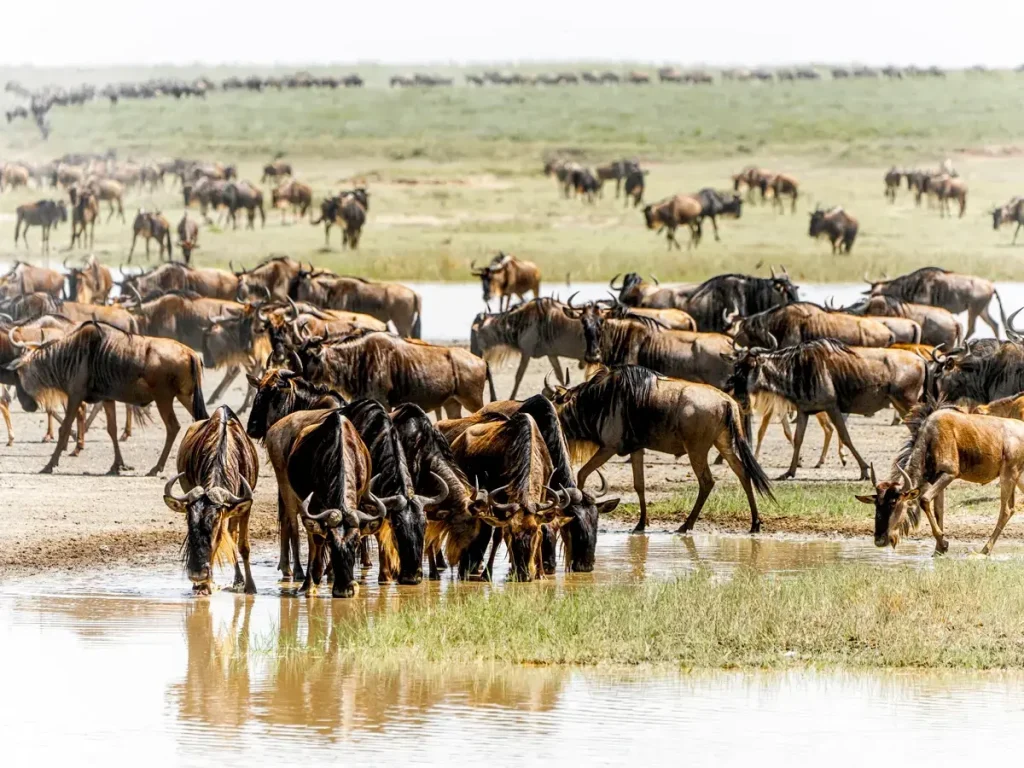
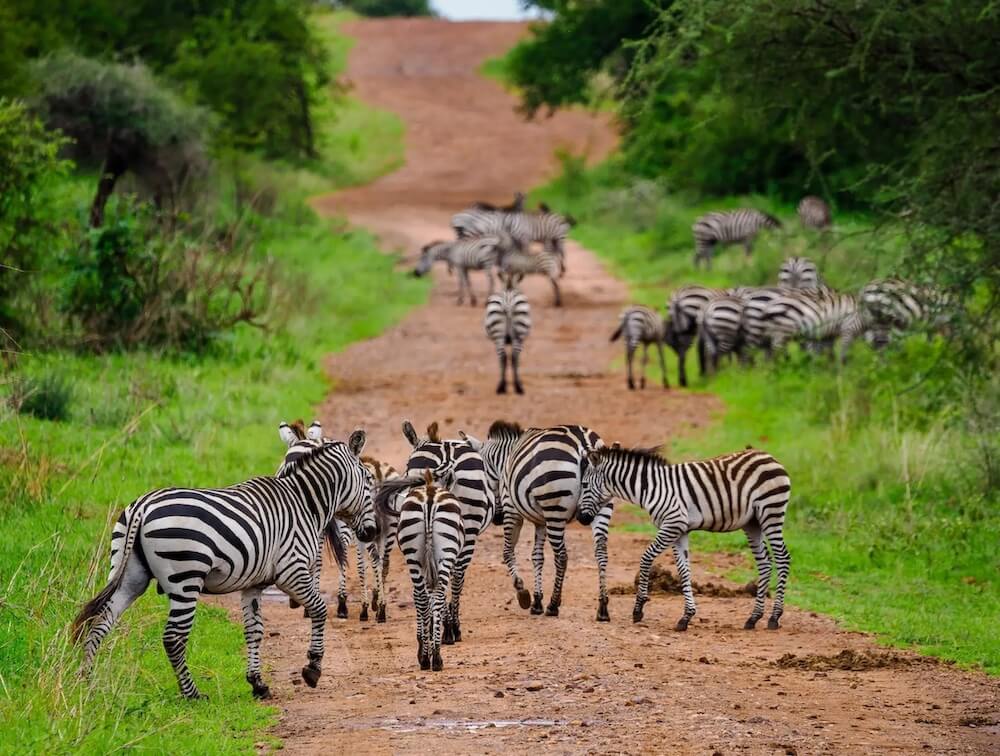
The Great Wildebeest Migration is a continuous, circular movement of over two million wildebeest, zebras, and gazelles across the Serengeti ecosystem in northern Tanzania and southern Kenya. Driven by seasonal rains and the search for fresh pasture, the herds travel hundreds of kilometers each year, followed closely by predators such as lions, cheetahs, leopards, and crocodiles.
Unlike many wildlife events, the migration does not have a clear beginning or end. Instead, it follows a natural rhythm shaped by rainfall, grass growth, and survival instincts. This dynamic nature is what makes the Serengeti migration so powerful and unpredictable.
When Is the Best Time to See the Serengeti Migration?
The best time to see the Serengeti Great Migration depends on which stage of the journey you want to experience. Each phase offers unique highlights and different wildlife behavior.
January to March: Calving Season in Southern Serengeti
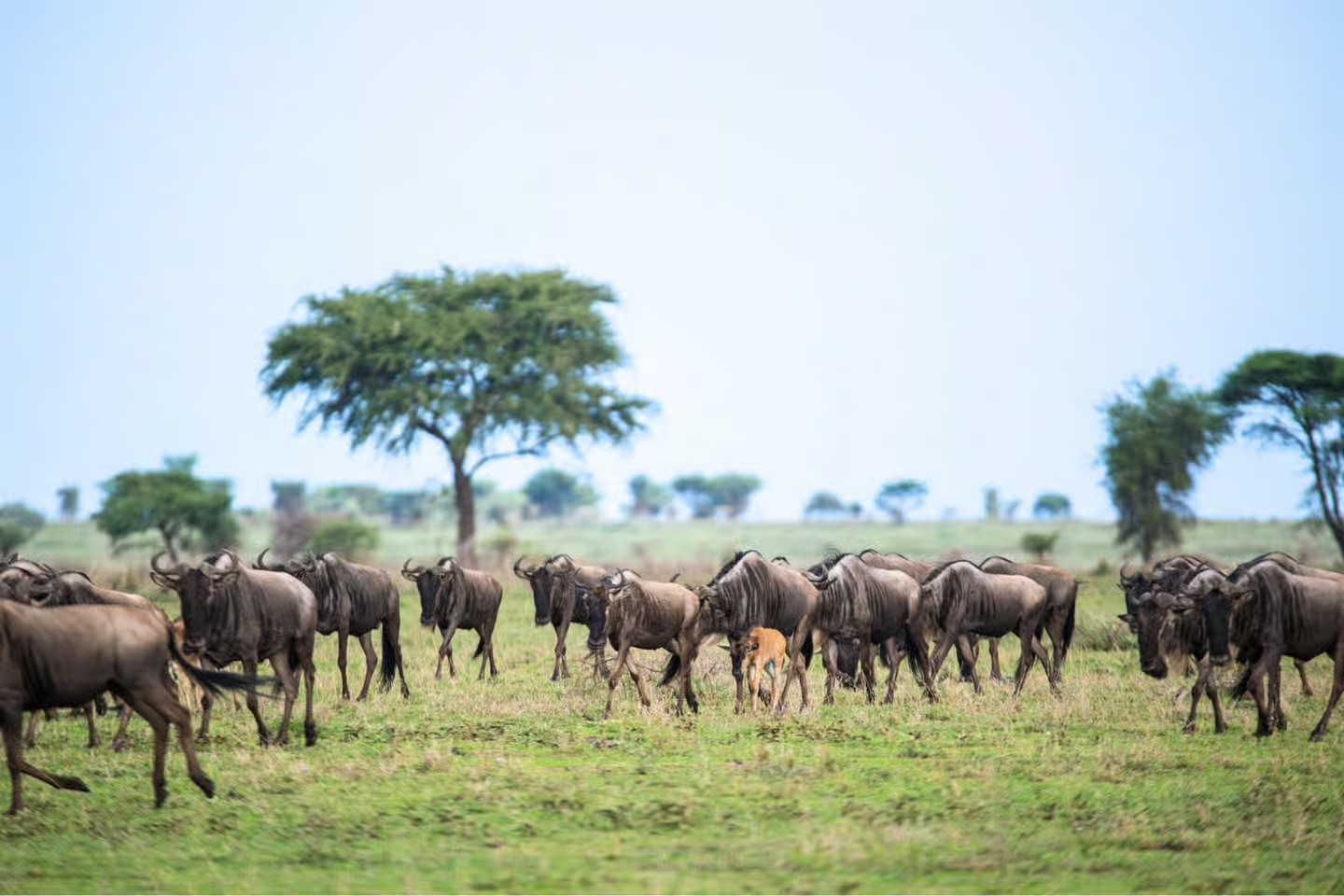
During the early months of the year, the herds gather in the southern Serengeti and Ndutu region. This period marks the calving season, when thousands of wildebeest calves are born each day. The abundance of newborns attracts predators, creating intense wildlife interactions and excellent photographic opportunities. This is an ideal time for travelers interested in predator action and wide-open landscapes.
April to June: Movement Toward Central and Western Serengeti
As the rains fade, the herds begin moving northwest through the central Serengeti toward the Western Corridor. This stage of the migration is characterized by long columns of animals moving across the plains. River crossings along the Grumeti River may occur during this period, though they are less predictable than later crossings in the north.
July to October: River Crossings in Northern Serengeti
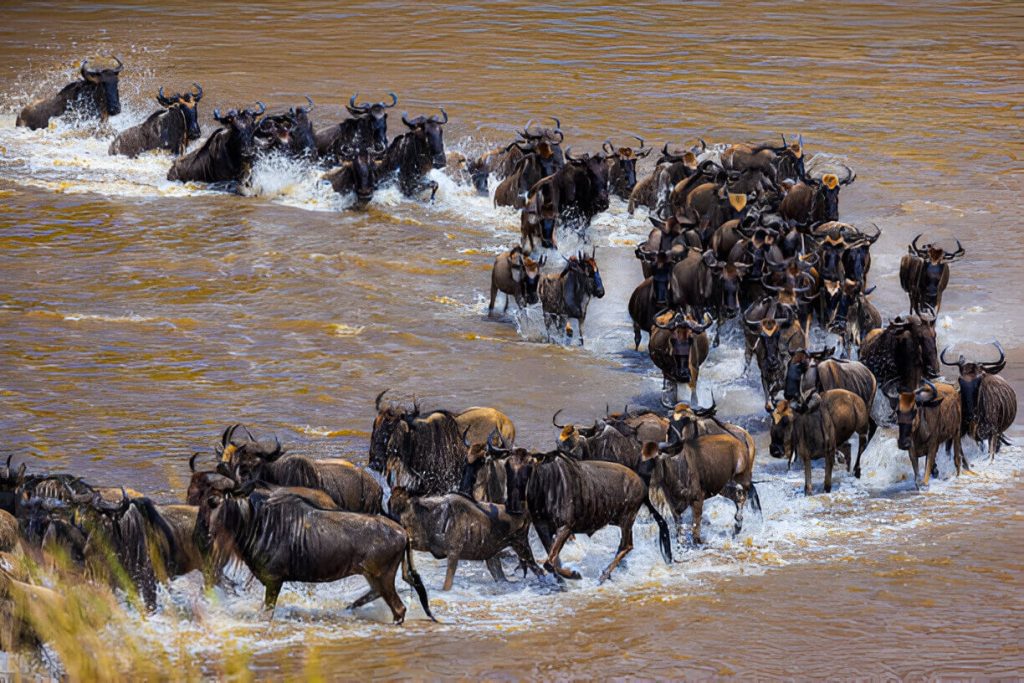
From July through October, the migration reaches the northern Serengeti near the Mara River. This phase is famous for dramatic river crossings, where thousands of animals brave strong currents and crocodile-infested waters. These crossings are among the most sought-after safari moments, though they require patience, as timing depends on rainfall and herd behavior.
November to December: Return to the Southern Plains
Toward the end of the year, the herds begin their journey back to the southern Serengeti as short rains rejuvenate the grasslands. This transition period offers beautiful scenery, fewer crowds, and excellent wildlife viewing as the cycle prepares to begin again.
Best Areas in the Serengeti for Migration Safaris
The Serengeti is vast, and choosing the right region is essential for a successful migration safari. The southern Serengeti and Ndutu area are best during calving season, while the central Serengeti offers year-round resident wildlife and serves as a migration corridor. The Western Corridor is important during mid-year movements, and the northern Serengeti is the prime location for river crossings later in the season. Astro Safaris designs itineraries based on real-time migration patterns rather than fixed dates, ensuring travelers are positioned in the most active areas during their visit.
What Wildlife Can You Expect to See?
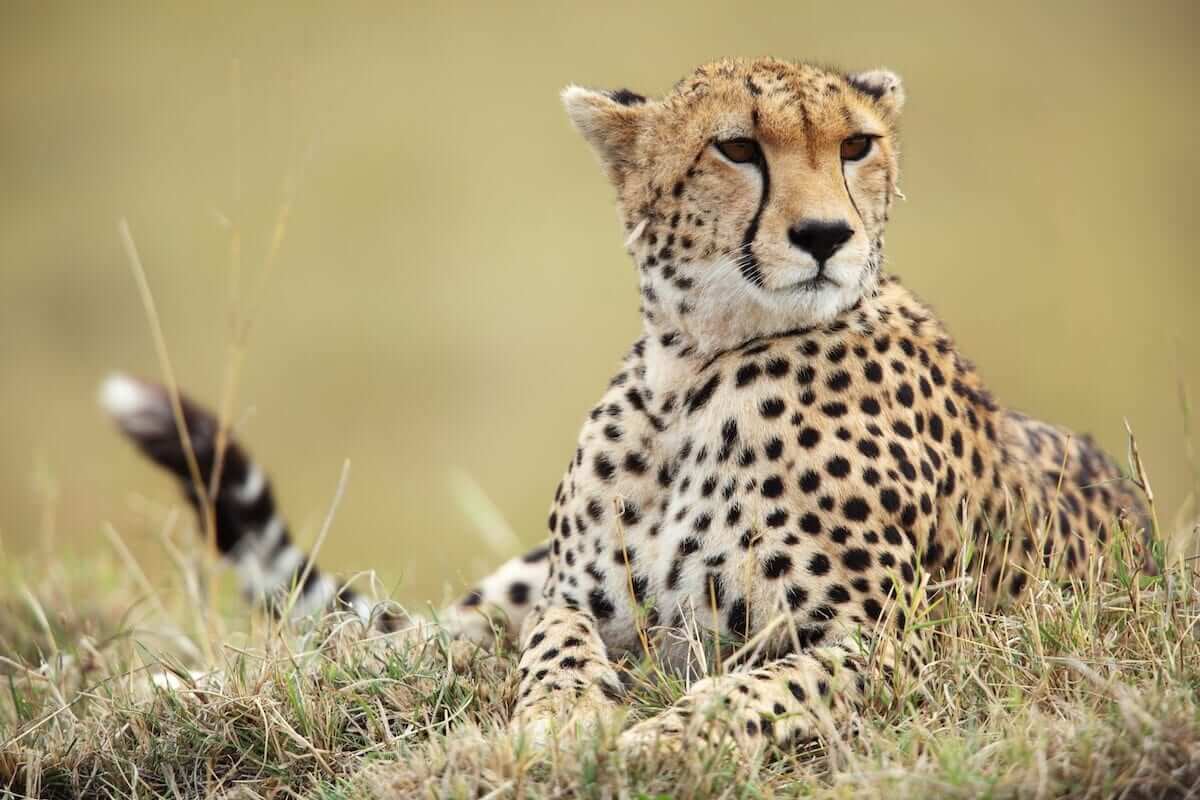
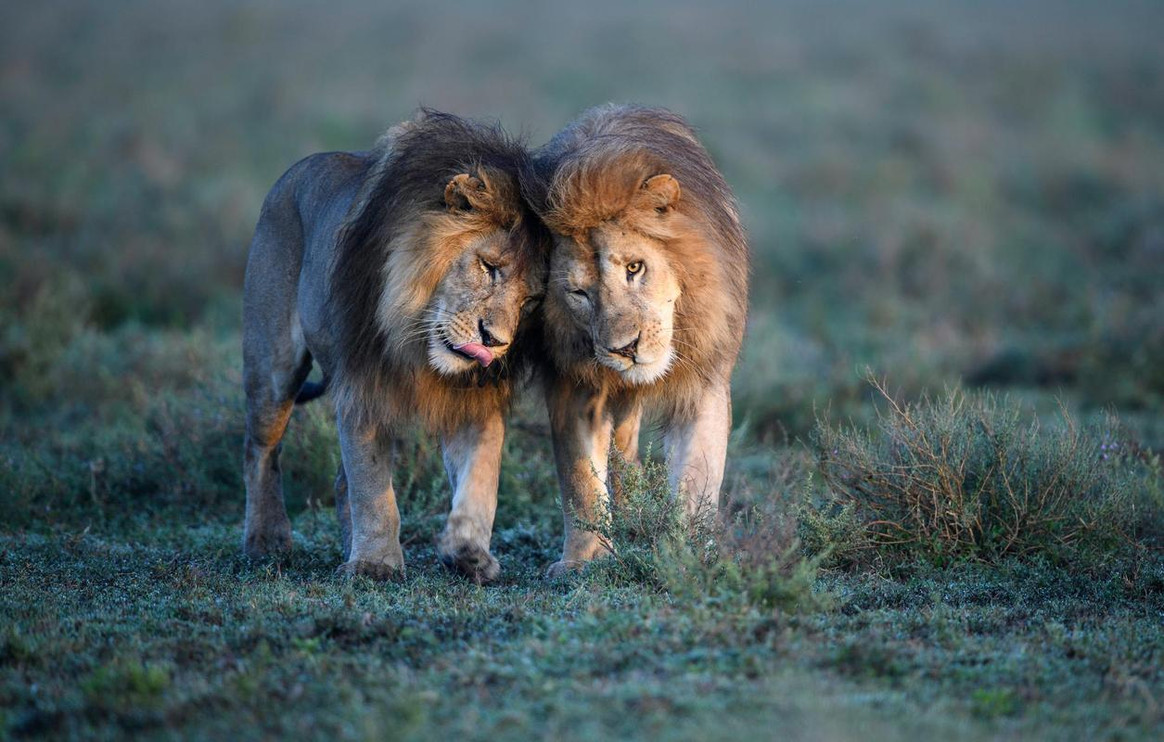
In addition to massive herds of wildebeest and zebras, the Serengeti supports a high density of predators year-round. Lions are commonly seen throughout the park, while cheetahs thrive in open grasslands where speed is crucial. Leopards are more elusive but often spotted in riverine areas and wooded regions. Elephants, giraffes, buffaloes, hippos, and a wide range of antelope species add to the diversity of wildlife encounters. Birdlife is also abundant, making the Serengeti appealing to bird enthusiasts as well as big-game lovers.
Types of Serengeti Migration Safari Experiences
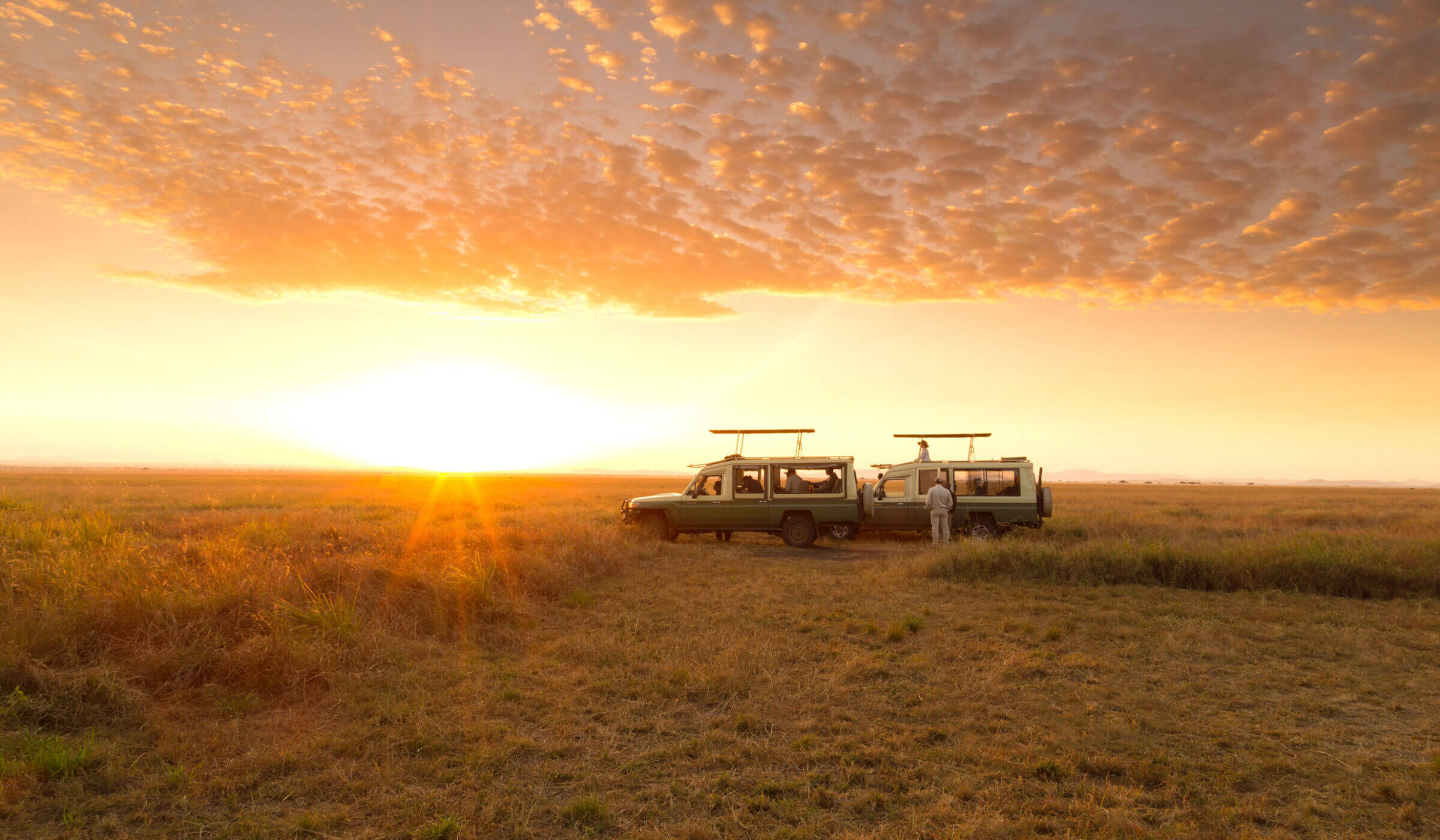
Serengeti migration safaris can be tailored to different travel styles and interests. Classic game drive safaris remain the most popular, offering daily exploration in 4×4 vehicles with experienced guides. Mobile tented safaris allow travelers to follow the migration more closely by relocating camps based on herd movements. Hot air balloon safaris provide a unique perspective over the Serengeti plains at sunrise, offering panoramic views of wildlife and landscapes. Photographic safaris are designed for photographers seeking extended time at river crossings and prime wildlife locations.
Best Time to Book a Serengeti Migration Safari
Because migration safaris are highly sought after, especially during peak river crossing months, early booking is strongly recommended. Lodges and camps in prime locations often fill up months in advance. Planning ahead also allows for better accommodation choices and more flexible itineraries. Astro Safaris assists travelers with early planning, lodge selection, and seasonal guidance to ensure the best possible migration experience.
Practical Tips for a Successful Migration Safari
Patience is essential during a migration safari, particularly during river crossings, which can take hours or even days to unfold. Dressing in neutral colors, carrying sun protection, and having appropriate camera equipment all enhance the experience. Understanding that the migration follows nature rather than schedules helps set realistic expectations and allows travelers to appreciate every moment.
Witness the Great Migration With Astro Safaris
A Serengeti Great Migration safari is one of the most powerful wildlife experiences on the planet. From the thunder of hooves across the plains to the tension of river crossings and the quiet beauty of endless landscapes, every moment tells a story of survival and renewal.
Astro Safaris is committed to helping travelers experience the Great Migration in the right place, at the right time, with expert guidance and thoughtful planning. Contact Astro Safaris today to begin planning your Serengeti Great Migration safari and experience one of nature’s greatest wonders firsthand.
Frequently Asked Questions About Serengeti Great Migration Spectacle
The Great Migration is a natural phenomenon driven by rainfall and environmental conditions, which means exact movements cannot be guaranteed. However, the migration occurs every year, and experienced operators like Astro Safaris track herd movements closely to position travelers in the most promising locations based on current conditions and historical patterns.
River crossings usually take place between July and October in the northern Serengeti, although exact timing varies from year to year. Crossings are unpredictable and may require patience, but witnessing one is often considered the highlight of a Serengeti Great Migration safari.
A minimum of three to four days in the Serengeti is recommended for a migration-focused safari, while five to seven days allows for deeper exploration and increased chances of witnessing key events such as river crossings or calving season. Astro Safaris designs itineraries based on travel goals and available time.
Yes, the Great Migration safari can be suitable for families, particularly when staying in family-friendly lodges and choosing private safari vehicles. Astro Safaris tailors family safaris with flexible schedules and experienced guides who ensure safety and engagement for travelers of all ages.
Packing for a migration safari should include lightweight neutral-colored clothing, warm layers for early mornings, sun protection, binoculars, and a quality camera. Astro Safaris provides detailed packing guidance based on the season and accommodation type.
Yes, migration safaris are often combined with Ngorongoro Crater, Tarangire, and Lake Manyara for a more complete Tanzania safari experience.
Yes, Astro Safaris specializes in Serengeti Great Migration safaris and designs itineraries based on current wildlife movements and guest preferences.
RELATED BLOGS
Exploring Africa’s Iconic Experience in Tanzania
Explore Astro
Our Dream Vacation
Day Trips (Short Safari)
Top Experiences