

Based on Tripadvisor reviews

Based on Tripadvisor reviews
Based on Tripadvisor reviews



When the African Wilderness Comes Alive at Night
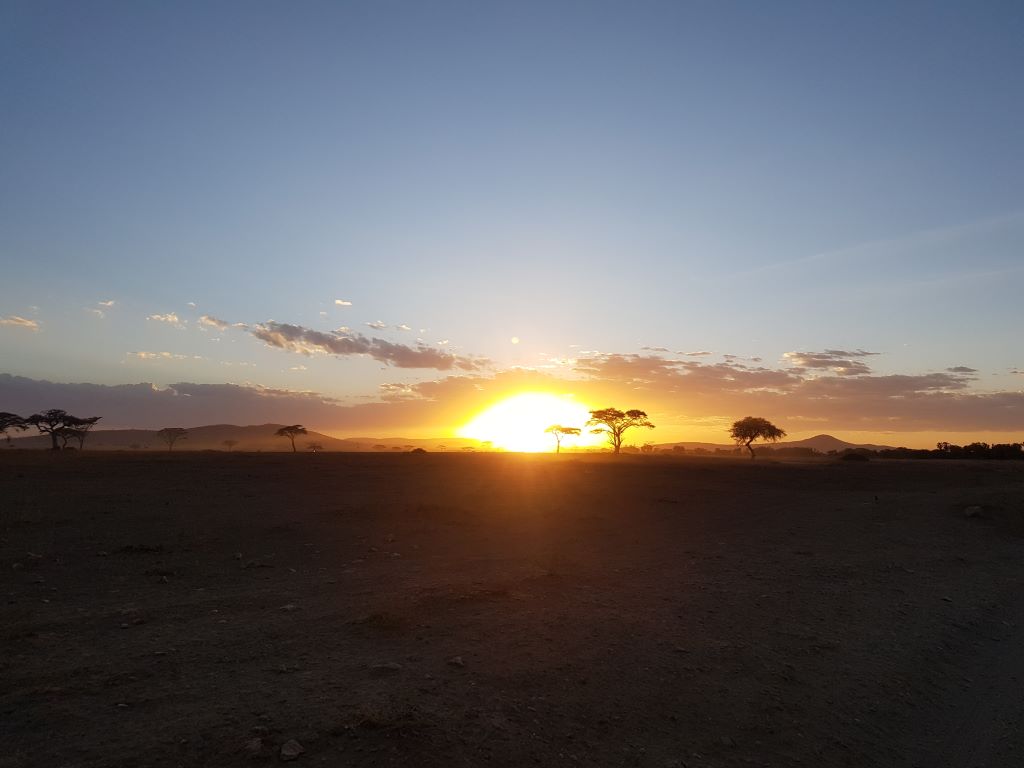
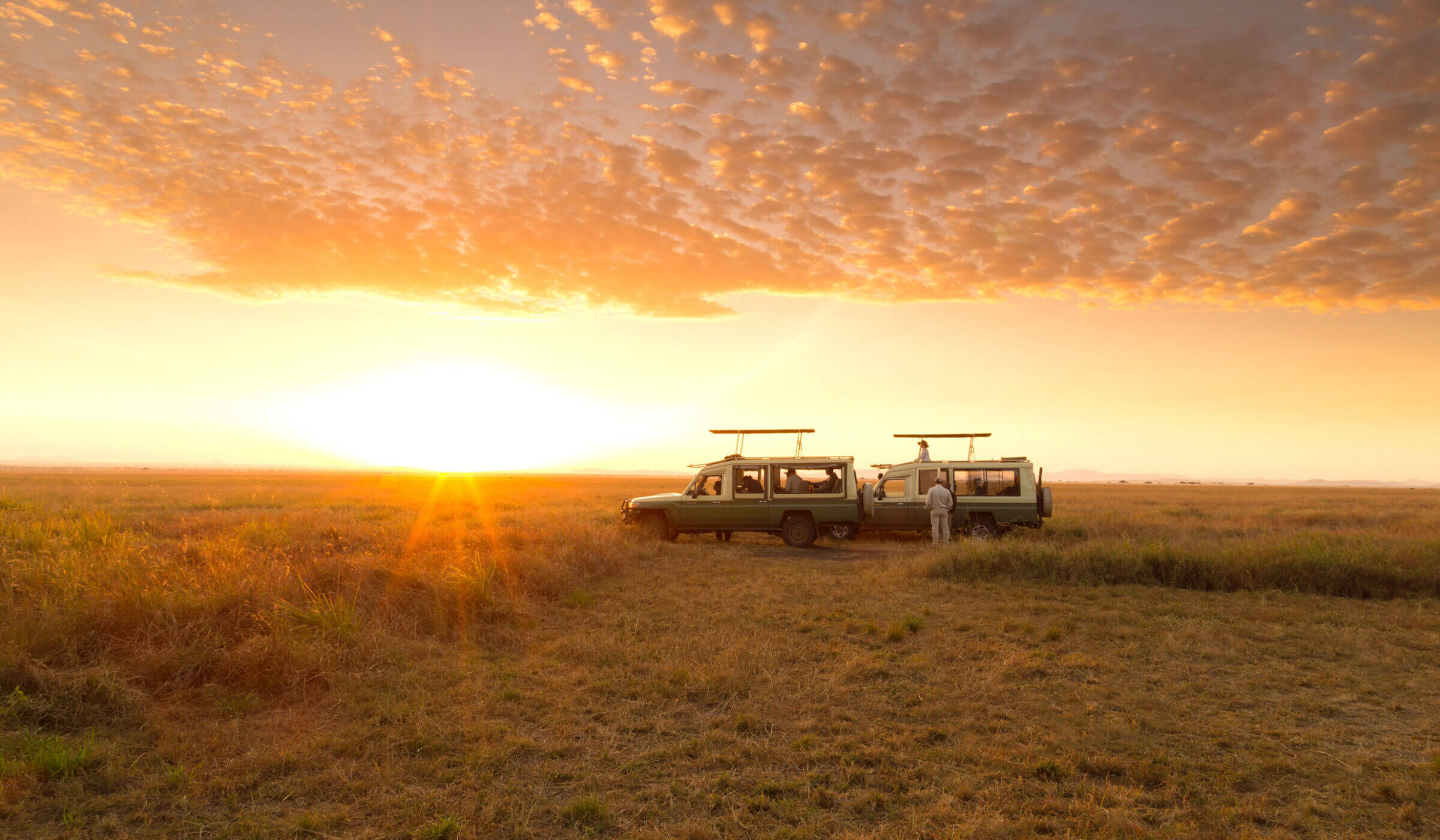
A traditional safari unfolds under golden sunlight, but Tanzania’s wilderness tells a very different story after dark. As the sun sinks below the horizon and the savannah cools, a hidden world awakens one filled with glowing eyes, stealthy predators, and sounds that echo through the night. This is the night safari experience in Tanzania, an adventure that reveals the country’s wild side in its most raw and mysterious form.
Unlike daytime game drives, night safaris focus on nocturnal animals, hunting behavior, and rare species that remain invisible during daylight hours. With the help of spotlights and expert guides, travelers gain access to an entirely different ecosystem one defined by silence, patience, and surprise.
For safari enthusiasts seeking something deeper, more thrilling, and less predictable, a night safari in Tanzania offers an unforgettable dimension to wildlife exploration.
What Is a Night Safari in Tanzania?
A night safari is a guided game drive conducted after sunset, usually within private conservancies or safari lodges that have special permits. These drives use filtered spotlights to scan the bush for animal movement while minimizing disturbance.
Night safaris are strictly regulated in Tanzania, which adds to their exclusivity. Unlike day safaris in national parks, night drives are only permitted in private concessions, wildlife management areas, and selected lodges. This ensures conservation standards are upheld while allowing guests to experience wildlife ethically and safely.
The focus of a night safari is not large herds or scenic landscapes, but behavior, adaptation, and survival. Animals behave differently after dark, and guides interpret tracks, sounds, and movement patterns in real time.
Why Night Safaris Are So Special
The night safari experience is defined by intimacy and unpredictability. Without crowds or competing vehicles, the bush feels vast and alive. Every rustle in the grass matters. Every pause carries anticipation.
Predators become more active at night, temperatures drop, and prey species rely on heightened senses to survive. Guides often cut the engine, allowing travelers to listen to lions roaring, hyenas whooping, and insects creating a constant nighttime chorus.
This sensory immersion is what sets night safaris apart. You are no longer observing wildlife you are sharing the same space in the same moment.
What Animals Can You See on a Night Safari in Tanzania?
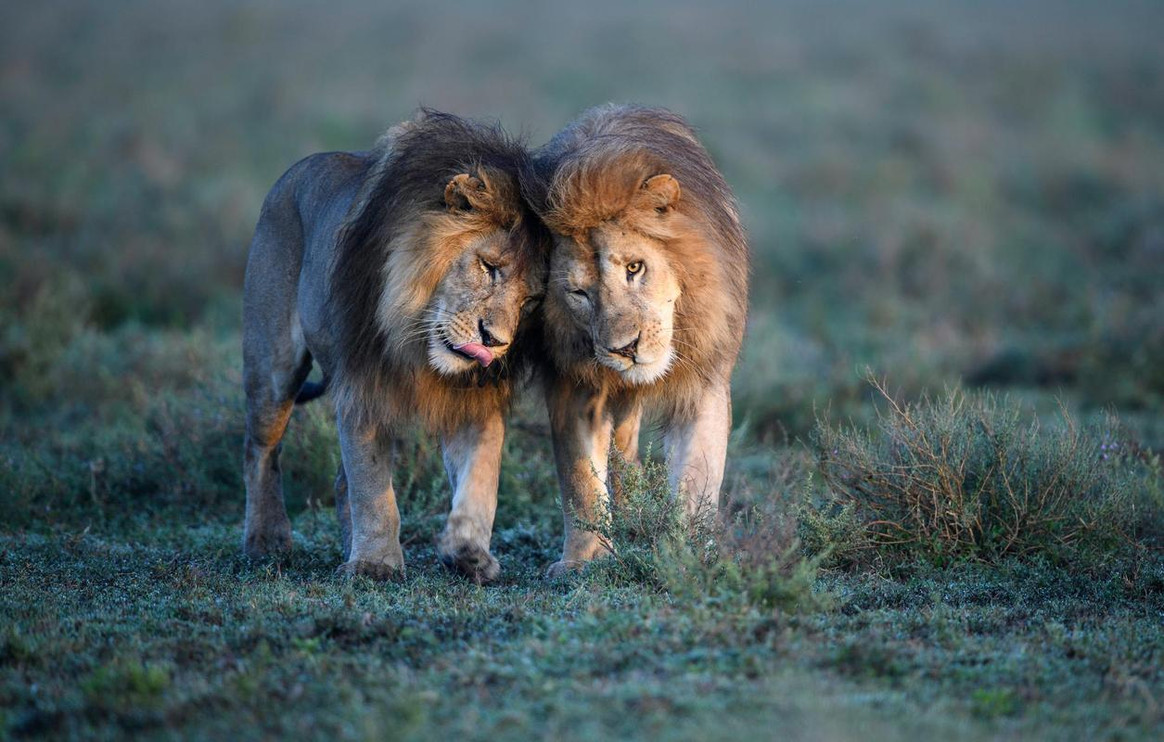
Night safaris reveal species rarely seen during the day. Some animals are strictly nocturnal, while others simply behave more openly after dark.Large predators such as lions are frequently encountered on night drives, often actively hunting or moving between territories.
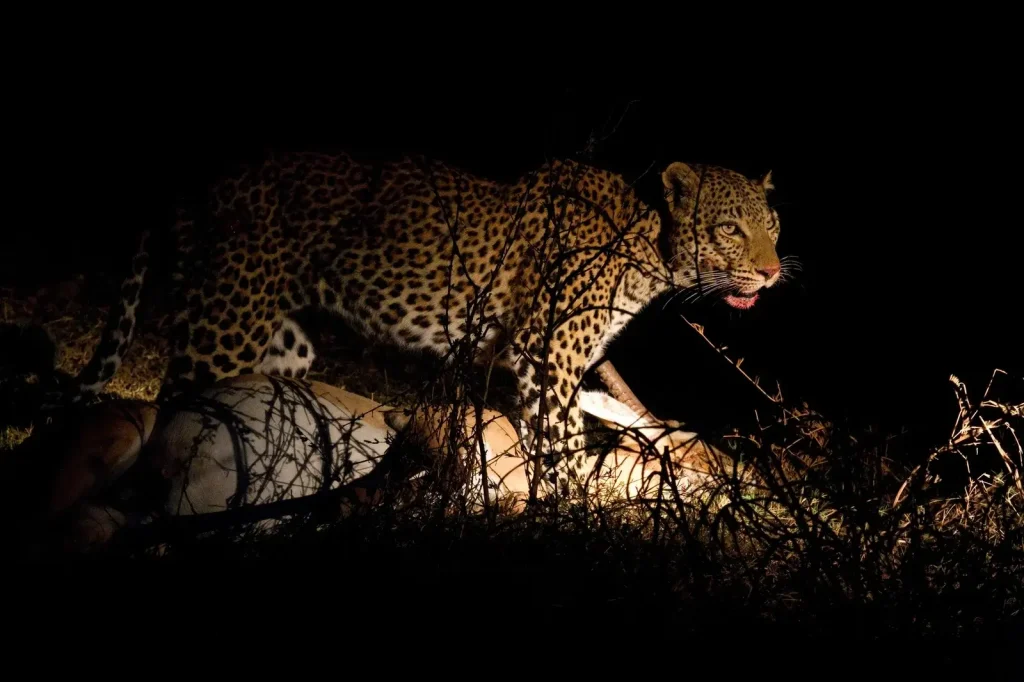
Leopards are more visible at night, when they patrol roads and riverbeds with confidence. Hyenas are especially active, using the cover of darkness to scavenge and hunt.
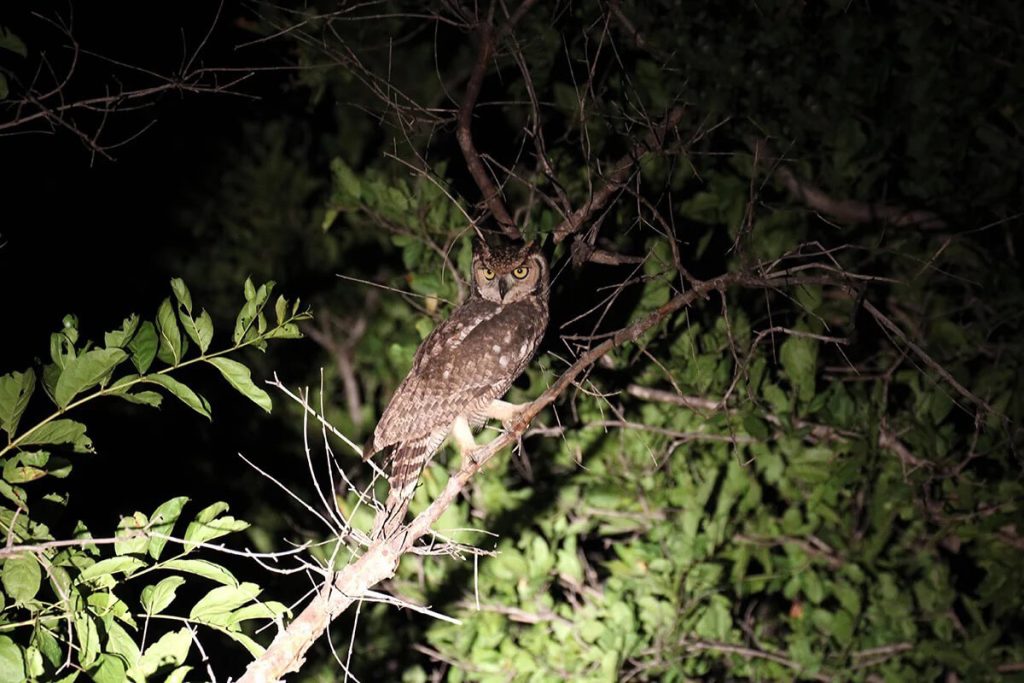
Smaller carnivores are among the biggest highlights. Genets, civets, and African wildcats often appear briefly in the spotlight before disappearing into the bush. Bush babies, with their oversized eyes, leap through trees, while porcupines shuffle along quietly.
Nocturnal herbivores such as bushbuck and hippo are commonly seen grazing far from water, behavior rarely witnessed during the day. Reptiles, including chameleons and nocturnal snakes, may also be spotted depending on location and season.Each sighting feels rare and fleeting, making night safaris especially rewarding for experienced safari travelers.
Best Time of Year for Night Safaris in Tanzania
Night safaris are possible year-round, but seasonal conditions influence sightings and comfort.The dry season, from June to October, offers the best visibility. Vegetation is thinner, animals concentrate near water sources, and temperatures are comfortable at night. Predator sightings are particularly strong during this period.
The green season, from November to May, brings lush landscapes and increased insect and amphibian activity. This season is excellent for seeing smaller nocturnal creatures and dramatic predator behavior, although nights may be warmer and more humid.Regardless of season, night safaris offer experiences that daylight safaris simply cannot replicate.
What to Expect on a Night Safari Drive
Night safaris usually begin shortly after sunset and last two to three hours. Vehicles are open or semi-open, allowing unobstructed views and better sound awareness. Guides use red or filtered white spotlights to locate animals without startling them.
Drives are slow and deliberate. Guides often stop to listen, scan, and interpret signs such as fresh tracks or alarm calls. The pace encourages patience and observation rather than rapid movement.
Safety is a priority. Guides are highly trained, routes are well known, and communication with lodges is constant. This allows guests to relax and fully engage with the experience.
Night Safari Photography Tips
Night safari photography is challenging but incredibly rewarding. Low light conditions require careful camera settings and patience.
Using a camera with strong low-light performance is essential. High ISO capability and fast lenses significantly improve results. Shutter speeds must balance motion and sharpness, as animals are often moving.
Spotlights provide directional light, which can create dramatic eye reflections and shadow contrast. Communicating with the guide is important so the light remains steady and animal behavior is not disturbed.
For many travelers, night safari photography is less about perfection and more about capturing mood, mystery, and movement.
How Night Safaris Enhance a Tanzania Safari Itinerary
Adding a night safari to a Tanzania itinerary creates balance. Day drives focus on landscapes, herds, and iconic species, while night drives reveal hidden behavior and rare animals.
Night safaris are especially valuable for repeat visitors who have already experienced classic safari highlights. They also appeal to photographers, wildlife enthusiasts, and travelers seeking immersive, less commercial experiences.
Combined with walking safaris, boat safaris, and cultural visits, night safaris complete the full spectrum of African wildlife exploration.
Responsible Night Safari Practices
Ethical night safaris prioritize animal welfare. Spotlights are used sparingly, animals are never chased, and viewing times are limited. Guides are trained to read stress signals and retreat when necessary.
Choosing reputable lodges and operators ensures that night safaris support conservation rather than disrupt ecosystems. Responsible tourism helps protect Tanzania’s nocturnal wildlife for future generations.
Discovering Tanzania’s Wildest Hours
The night safari experience in Tanzania reveals a world that most travelers never see. It strips the wilderness down to instinct, sound, and shadow, offering encounters that feel raw and unforgettable.
From prowling leopards to glowing eyes in the grass, night safaris transform the familiar safari landscape into something mysterious and powerful. For travelers willing to venture beyond daylight, Tanzania’s nights deliver stories that last a lifetime.
Frequently Asked Questions About Night Safari Experience in Tanzania
A night safari is a guided game drive conducted after sunset in private conservancies or lodge concessions. It focuses on nocturnal wildlife and predator behavior using spotlights and expert interpretation.
Common sightings include lions, leopards, hyenas, bush babies, genets, civets, porcupines, and hippos grazing on land. Smaller nocturnal species are often the highlight.
No. Night safaris are not permitted in Serengeti or most national parks. They are allowed in private concessions and wildlife management areas.
Yes. Night safaris are led by highly trained guides in controlled areas with strict safety protocols, making them safe and well-managed experiences.
Neutral-colored clothing, warm layers, and closed shoes are recommended, as temperatures can drop significantly after dark.
Yes, but it requires low-light camera equipment and patience. Many travelers focus on atmosphere rather than technical perfection.
Absolutely. Night safaris reveal wildlife behavior unseen during the day and add depth, excitement, and exclusivity to any safari experience.
RELATED BLOGS
Exploring Africa’s Iconic Experience in Tanzania
Explore Astro
Our Dream Vacation
Day Trips (Short Safari)
Top Experiences