

Based on Tripadvisor reviews

Based on Tripadvisor reviews
Based on Tripadvisor reviews
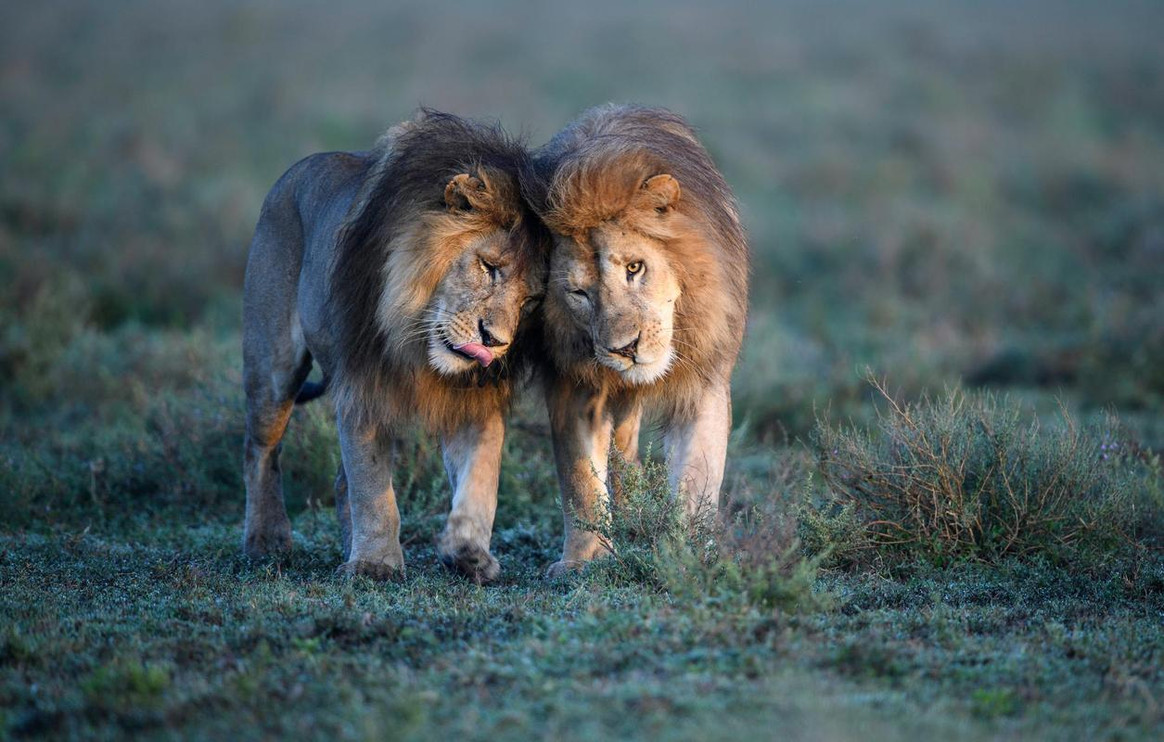



Asking the Right Question Before Your Safari
“Is a Tanzania safari safe?” is one of the most common questions travelers ask before committing to an African adventure and it is a smart one. Tanzania is home to some of the world’s most iconic wildlife, vast national parks, and remote wilderness areas, which naturally raises questions about personal safety, health, logistics, and risk.
The short answer is yes: Tanzania safaris are safe, especially when properly planned. However, safety in Tanzania, as in any wild destination, depends on understanding how safaris work, respecting local regulations, and choosing the right routes, accommodations, and travel style.
This guide goes beyond surface reassurance. It explains what safety really means on safari, how permits and logistics protect visitors, where it is safest to drive and camp, and how travelers can confidently explore Tanzania while minimizing risk.
Tanzania’s Reputation as a Safari Destination
anzania has hosted safari travelers for decades and is one of Africa’s most politically stable countries. Tourism is a cornerstone of the national economy, which means safety standards, park management, and guiding professionalism are taken seriously.
National parks such as Serengeti, Tarangire, Lake Manyara, and Ngorongoro are heavily regulated environments. Rangers, wardens, and park infrastructure exist specifically to protect both wildlife and visitors. For guided safaris, travelers are accompanied by trained professionals whose sole responsibility is guest safety and experience.
Even independent travelers benefit from this structure, as long as they follow regulations and travel responsibly.
Understanding Safari Safety: Wildlife vs Reality
Many first-time visitors assume wildlife is the biggest danger on safari. In reality, wildlife-related incidents are extremely rare and almost always linked to ignoring rules.
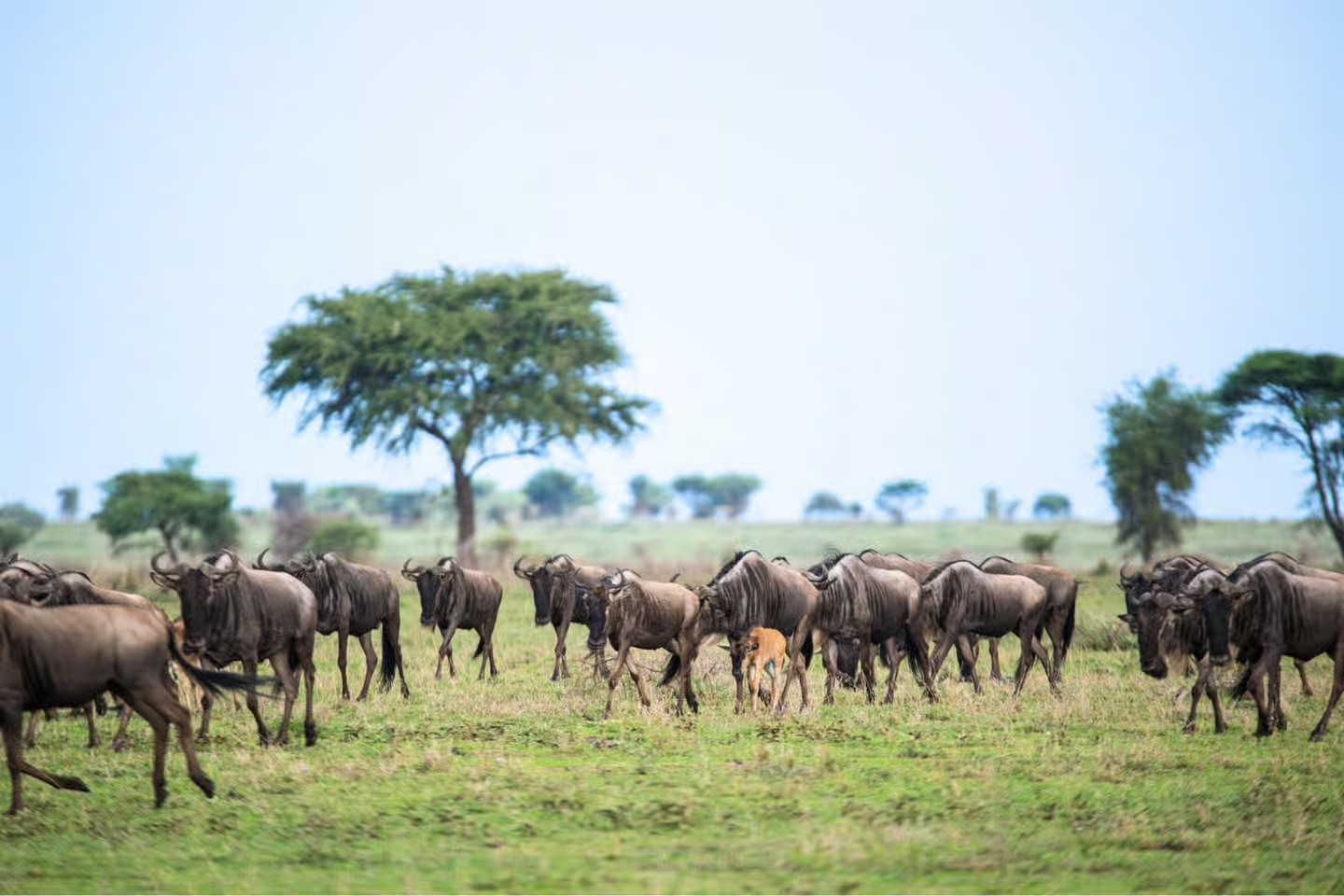
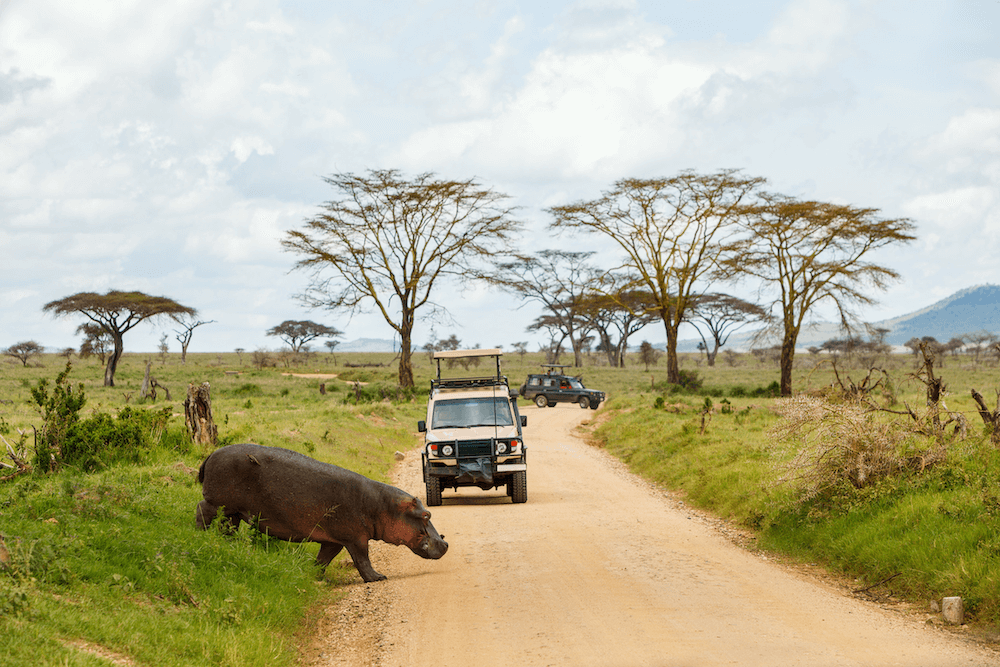
Animals in Tanzania’s parks are not habituated to humans on foot. Safari vehicles are recognized as neutral objects, and animals generally ignore them. Problems arise only when visitors attempt to walk alone, approach animals too closely, or behave unpredictably.
Professional guides understand animal behavior deeply. They read warning signs, maintain safe distances, and know when to move away. This expertise dramatically reduces risk and is why guided safaris are considered one of the safest ways to experience African wildlife.
Permit Logistics and How They Enhance Safety
Safari permits are not just bureaucratic requirements; they are a core part of Tanzania’s safety system. Park entry permits regulate how many vehicles enter each park per day, reducing overcrowding and minimizing dangerous encounters.
Vehicle permits ensure that only roadworthy vehicles access park tracks. Camping permits ensure visitors stay only in designated, safe locations.
In areas such as the Ngorongoro Conservation Area, additional rules govern where vehicles may go, how long they may stay, and which activities are allowed. These rules exist to manage both conservation and visitor safety.
Travelers who follow permit procedures are effectively traveling within a controlled environment designed to minimize risk.
Is Tanzania Safe for Self-Drive Safaris?
Self-drive safaris are legal in Tanzania, but they require experience and careful planning. Safety concerns for self-drivers are less about crime and more about logistics, navigation, and mechanical reliability.
Northern Tanzania offers the safest self-drive conditions. Routes between Arusha, Tarangire, Lake Manyara, and Ngorongoro are well traveled and relatively well maintained. Park roads are clearly marked, and ranger presence is consistent.
Southern and western parks are far more remote. Self-driving in places such as Nyerere or Ruaha requires advanced overlanding skills, satellite communication, and contingency planning. For most travelers, guided safaris remain the safest and most practical option.
Best and Safest 4x4 Routes for Safari Travel
Road safety is an important aspect of safari planning. Tanzania’s safest safari routes are those that combine good infrastructure with regular ranger oversight.
The Arusha–Tarangire route is paved and reliable, making it ideal for first-time safari travelers. The road from Lake Manyara to Ngorongoro is steep but well maintained and frequently used by safari vehicles.
Within parks, main game-viewing tracks are designed for tourism and are regularly monitored. Experienced drivers know which routes to avoid during rainy seasons and how to handle river crossings safely.
Driving at night inside national parks is prohibited, which significantly reduces accident risk involving wildlife.
Camping Safety on a Tanzania Safari
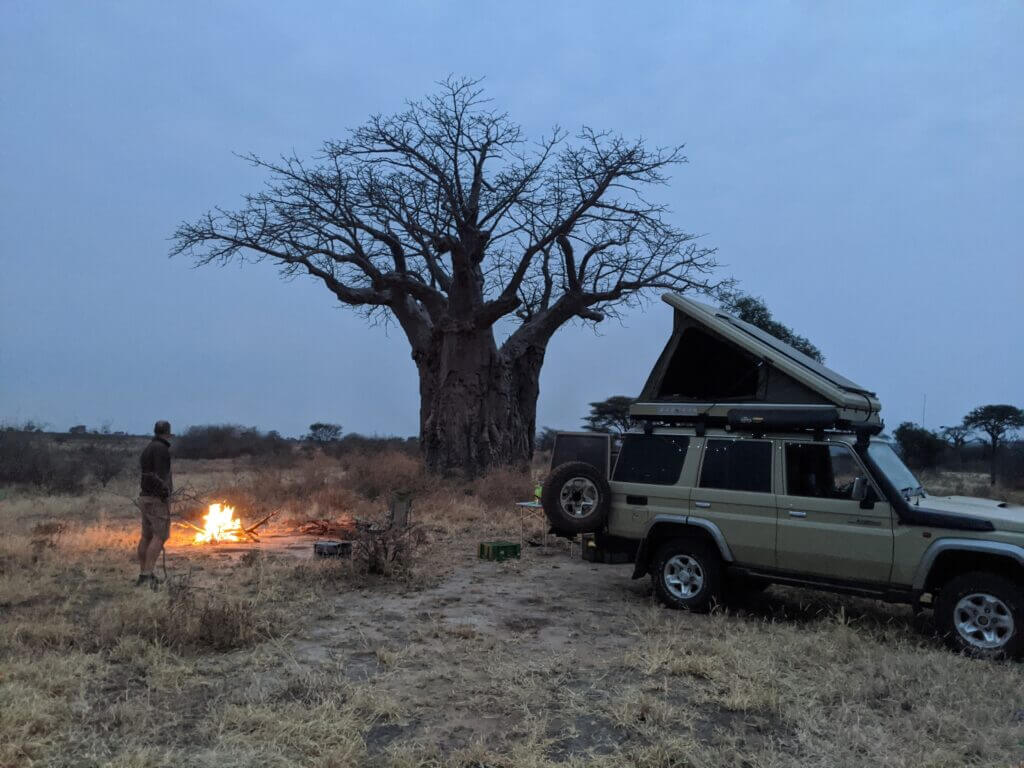
Camping on safari is safe when done correctly and at designated sites. Tanzania does not allow wild camping in national parks. All camping must take place at official public campsites or special campsites approved by park authorities.
These campsites are chosen based on animal movement patterns, terrain safety, and ranger access. Many are visited nightly by rangers who monitor activity and ensure guest security.
The key to camping safety is discipline. Visitors must remain inside camp boundaries after dark, store food securely, and follow ranger instructions at all times. When these rules are respected, camping is not only safe but deeply rewarding.
Families and first-time travelers often choose mobile tented camps, which offer professional staff, secure layouts, and emergency readiness while retaining the feel of camping.
Health and Medical Safety on Safari
Health concerns are often more important than wildlife concerns. Tanzania has good medical facilities in major cities, but remote safari areas rely on evacuation procedures.
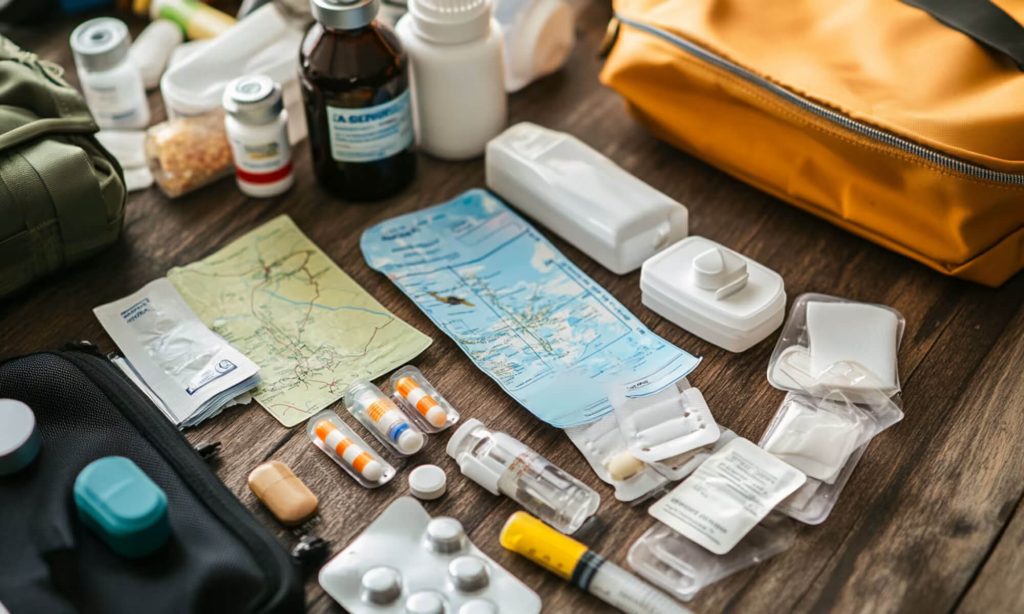
Travel insurance with medical evacuation coverage is essential. Most lodges and safari operators have protocols for emergencies and direct access to air evacuation services.
Preventative measures such as malaria prophylaxis, hydration, sun protection, and basic hygiene greatly reduce health risks. Food at lodges and camps is prepared to international standards, and bottled or filtered water is widely used.
Crime and Personal Safety in Tanzania
Tanzania is generally safe from violent crime, especially in safari areas. National parks and lodges are isolated from urban crime concerns.
In cities such as Arusha or Dar es Salaam, basic precautions apply. Avoid displaying valuables, use reputable transport, and follow local advice. These are standard travel practices, not safari-specific risks.
Safari travelers spend most of their time in controlled environments where staff, guides, and security measures are in place.
Guided Safaris vs Independent Travel
From a safety perspective, guided safaris are the safest way to explore Tanzania. Guides handle navigation, permits, wildlife behavior, and emergency situations.
Independent travelers can be safe as well, but only with proper experience, planning, and respect for regulations. First-time visitors are strongly advised to choose guided options, especially when traveling to iconic parks like the Serengeti.
Why Tanzania Safaris Feel Safer Than Expected
Many travelers are surprised by how safe they feel once on safari. The structure of safari travel, the professionalism of guides, and the predictability of wildlife behavior combine to create a reassuring experience.
The rhythm of safari life is calm and controlled. Days begin early, activities are timed carefully, and evenings are spent in secure camps or lodges. This predictability is a key reason safaris are considered low-risk despite the wild setting.
So, Is a Tanzania Safari Safe?
Yes a Tanzania safari is safe, especially when planned responsibly. Safety on safari is not accidental; it is the result of decades of experience, strong regulations, professional guiding, and traveler cooperation.
By following park rules, choosing appropriate routes, respecting wildlife, and understanding logistics, travelers can explore Tanzania with confidence and peace of mind. A safari here is not about danger it is about discovery, connection, and awe.
Frequently Asked Questions About Is a Tanzania Safari Safe?
Yes, Tanzania is one of the safest African safari destinations for first-time visitors. The tourism industry is well established, guides are highly trained, and parks are carefully managed. Most first-time travelers feel more secure than they expected once they arrive.
Wild animals are dangerous only when rules are ignored. Staying inside vehicles, following guide instructions, and respecting animal space make encounters extremely safe. Incidents involving tourists are exceptionally rare.
Camping is safe when done at official campsites. These sites are chosen for safety, monitored by rangers, and governed by strict rules. Following campsite protocols ensures a secure experience.
While self-drive safaris are allowed, guided safaris are safer for most travelers. Guides manage wildlife behavior, navigation, and emergencies, significantly reducing risk.
Yes, Tanzania is very suitable for families and older travelers. Lodges cater to different comfort levels, and activities can be adapted to suit physical ability and energy levels.
The biggest risks are not wildlife-related but logistical, such as dehydration, sun exposure, or poor planning. These risks are easily managed with preparation and professional support.
Yes, comprehensive travel insurance including medical evacuation is strongly recommended. It provides peace of mind and ensures access to emergency care if needed.
RELATED BLOGS
Exploring Africa’s Iconic Experience in Tanzania
Explore Astro
Our Dream Vacation
Day Trips (Short Safari)
Top Experiences