


Based on Tripadvisor reviews

Based on Tripadvisor reviews
Based on Tripadvisor reviews
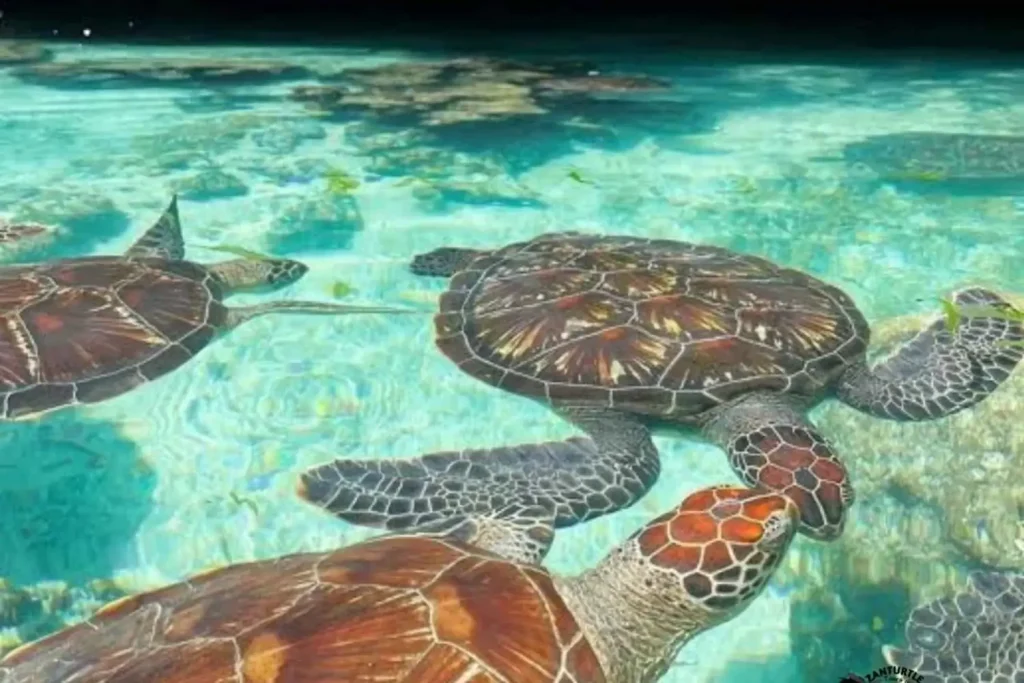







Zanzibar’s reputation as a beach destination often begins with images of white sand and turquoise water, but beneath the surface lies a complex marine ecosystem that defines the island’s snorkeling and diving experiences. Coral reefs, tidal systems, ocean currents, and seasonal changes all influence what travelers see, how they explore, and when conditions are at their best.
For visitors who want more than casual swimming, understanding Zanzibar’s marine environment adds depth to every underwater encounter. Whether floating above shallow coral gardens or descending into deeper reef systems, the experience is shaped by nature rather than chance. At Astro Safaris, Zanzibar’s marine activities are approached with the same respect and planning as wildlife safaris guided by ecosystems, seasons, and local knowledge.
Zanzibar’s Marine Ecosystem
Zanzibar sits along the western edge of the Indian Ocean, where warm tropical waters meet coral reef systems that have developed over thousands of years. These reefs act as natural barriers, protecting coastlines while supporting a diverse range of marine species.
The ecosystem is not uniform across the island. Differences in reef structure, water depth, tides, and exposure to currents create varied snorkeling and diving conditions from one coast to another. This diversity is what makes Zanzibar appealing to both beginners and experienced divers.
Coral Reefs: The Foundation of Zanzibar’s Marine Life
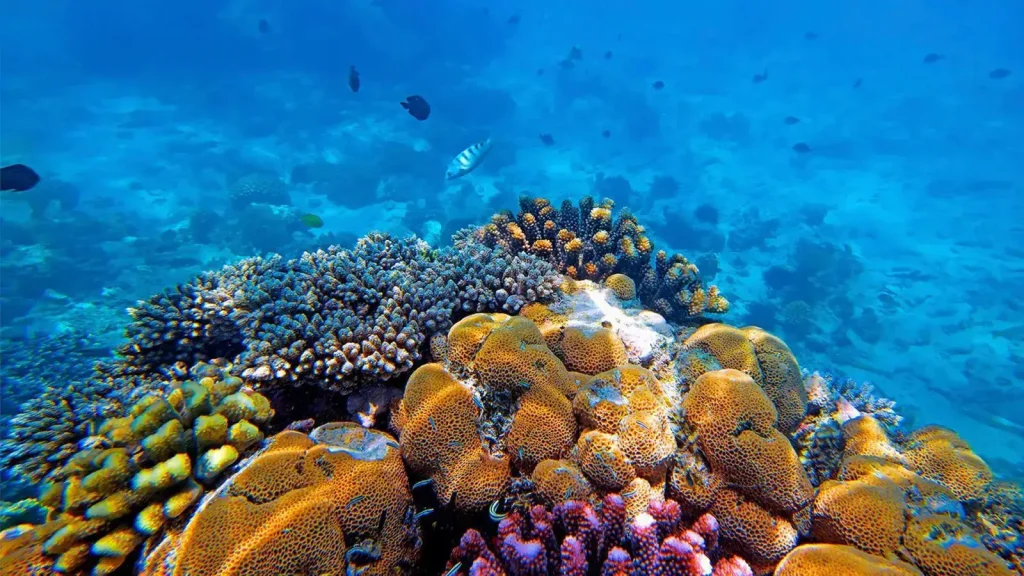
Coral reefs form the backbone of Zanzibar’s underwater world. These living structures provide shelter, feeding grounds, and breeding sites for countless marine organisms.
Shallow Reef Systems for Snorkeling
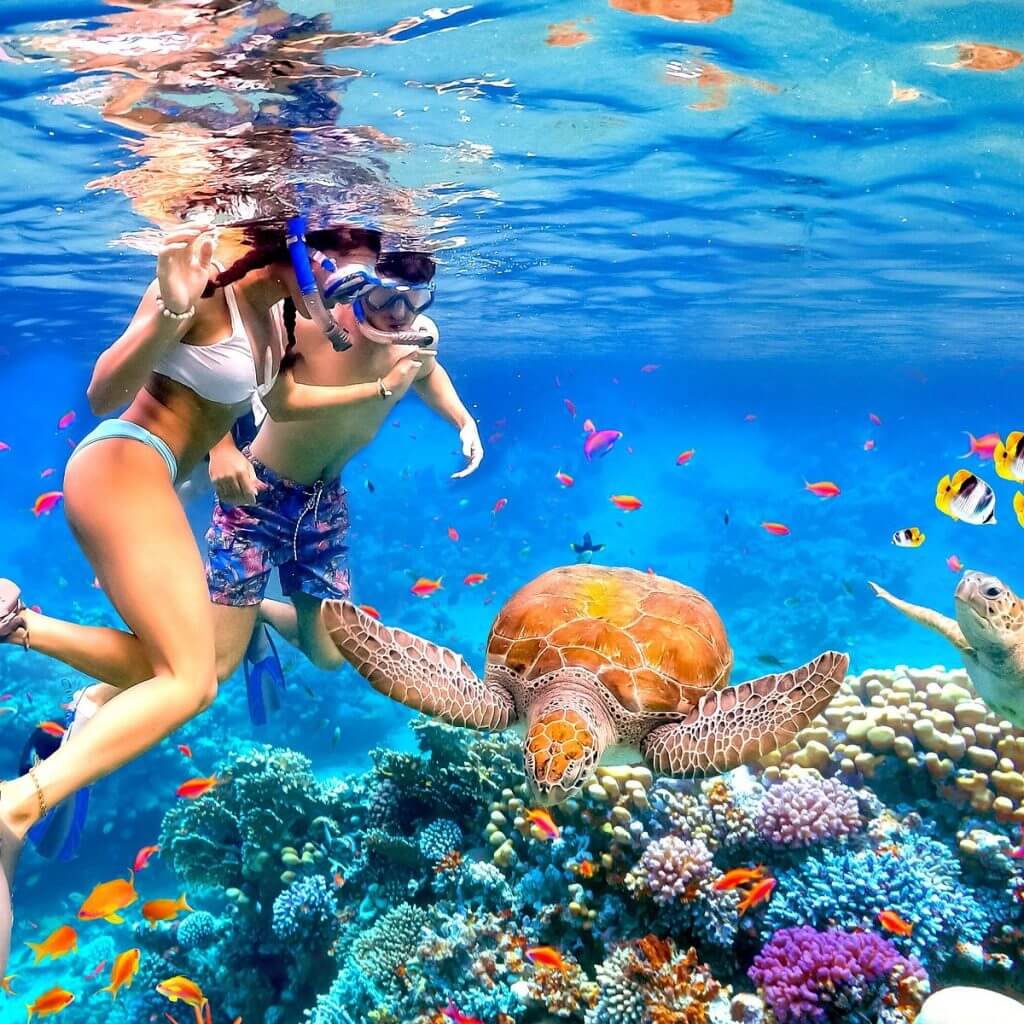
Many of Zanzibar’s reefs lie close to shore in shallow waters, making them ideal for snorkeling. These reefs are often found along the eastern and northern coasts, where coral gardens host colorful reef fish, sea urchins, starfish, and soft corals.
Shallow reefs are especially suitable for first-time snorkelers, as calm conditions and good visibility allow relaxed exploration without specialized equipment. Astro Safaris often recommends these areas for travelers combining safari adventure with light marine activities.
Deeper Reefs for Diving
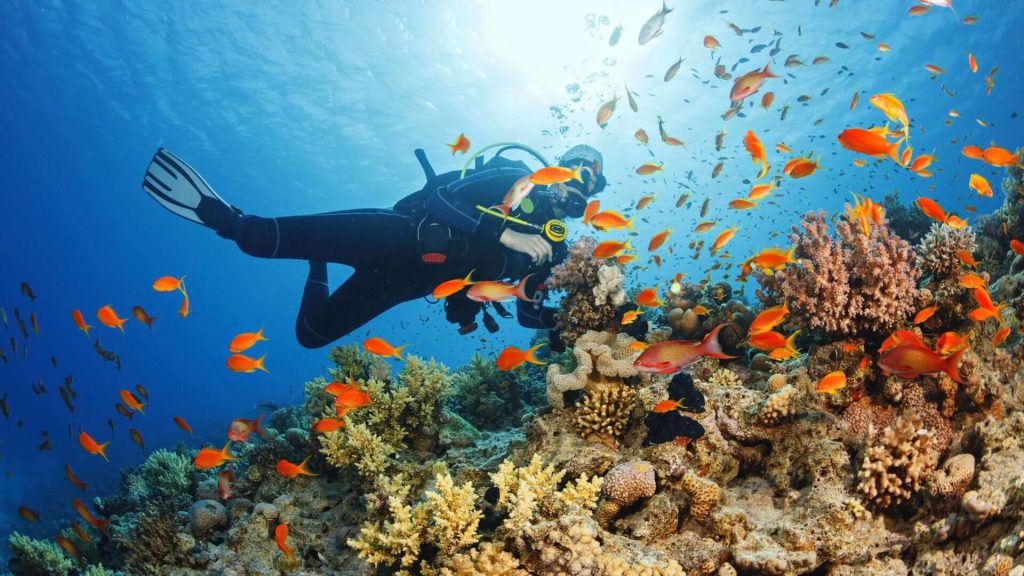
Further offshore, deeper reef systems drop into channels and walls that attract larger marine species. These areas are popular with divers seeking more complex underwater terrain. Hard corals, sponges, and overhangs create environments where turtles, rays, and reef sharks may be encountered.
The Role of Tides in Snorkeling and Diving
Tides play a central role in shaping Zanzibar’s marine experiences. Unlike destinations with minimal tidal variation, Zanzibar experiences noticeable tidal changes that affect water depth, visibility, and access to reefs.
How Tides Affect Snorkeling
During high tide, reefs closer to shore become accessible, allowing snorkelers to glide above coral without disturbing the ecosystem. At low tide, water recedes in some areas, exposing reef flats and limiting snorkeling opportunities.
Understanding tide schedules helps travelers plan activities at optimal times. Astro Safaris advises guests on daily timing to ensure safe and enjoyable marine exploration.
Tides and Diving Conditions
For diving, tides influence current strength and visibility. Certain dive sites are best explored during slack tide, when water movement is minimal and conditions are calmer. Local dive guides adjust schedules accordingly, ensuring safety and clarity underwater.
Ocean Currents and Water Visibility
Ocean currents around Zanzibar vary by season and location. These currents influence nutrient flow, which in turn affects marine life distribution.
Moderate currents can enhance diving experiences by bringing nutrients that attract fish and larger species. However, strong currents require experience and proper guidance. Visibility is generally good year-round, but it improves during calmer sea conditions, particularly in dry seasons.
Marine Species You’re Likely to Encounter
Zanzibar’s marine ecosystem supports a wide range of species that make snorkeling and diving rewarding for nature-focused travelers.
Reef Fish and Small Marine Life
Colorful reef fish dominate shallow snorkeling areas. Butterflyfish, parrotfish, angelfish, and clownfish are commonly seen, moving among coral formations. These species form the foundation of the reef ecosystem and are present throughout the year.
Larger Marine Species
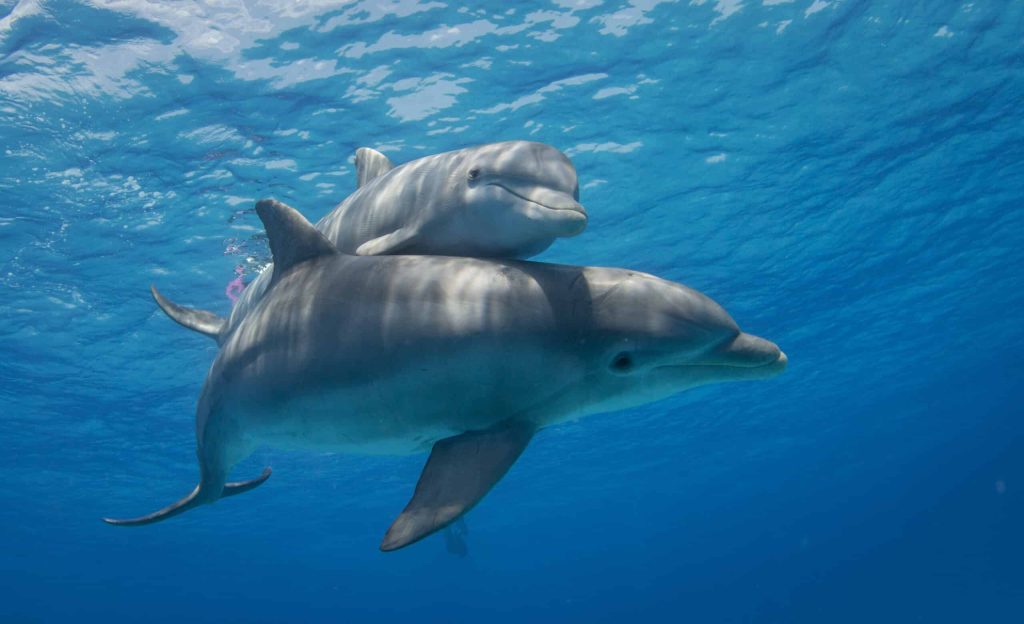
Divers may encounter green turtles, hawksbill turtles, stingrays, and reef sharks, particularly in deeper or less disturbed areas. Dolphin sightings occur offshore, though interactions are regulated to protect animal welfare.
Seasonal Visitors
Certain species appear seasonally depending on water temperature and food availability. This seasonal variation keeps Zanzibar’s marine experiences dynamic rather than repetitive.
Best Areas in Zanzibar for Snorkeling and Diving
Different parts of Zanzibar offer distinct marine experiences
The northern coast is known for consistent conditions and accessible reefs suitable for beginners. The eastern coast offers coral lagoons influenced by tides, providing rich snorkeling when timed correctly. Offshore islands and marine reserves host healthier reef systems due to reduced human impact.
Astro Safaris helps travelers choose locations based on experience level, comfort, and travel style.
Seasonal Influence on Marine Activities
Dry Seasons and Clear Water
During the dry months, calmer seas and lower rainfall contribute to clearer water and more predictable conditions. This period is ideal for both snorkeling and diving, especially for first-time visitors.
Green Seasons and Marine Activity
The green season brings warmer water and increased marine activity, though visibility may fluctuate after rainfall. Fewer visitors during this time offer a quieter experience for those comfortable with flexible conditions.
Combining Marine Exploration with Safari Travel
For many travelers, snorkeling and diving in Zanzibar follow days spent on safari. This shift from land-based wildlife to marine ecosystems creates a broader understanding of Tanzania’s natural diversity.
Astro Safaris designs itineraries that allow travelers to appreciate both environments without fatigue, ensuring marine activities complement rather than overwhelm the journey.
Practical Tips for First-Time Snorkelers and Divers
Choosing the right equipment, understanding tides, and following local guidance enhance safety and enjoyment. Even confident swimmers benefit from guided experiences, as local knowledge improves both visibility and wildlife encounters.
Beneath the Surface of Zanzibar
Zanzibar’s snorkeling and diving experiences are shaped by a living marine ecosystem that responds to tides, seasons, and conservation practices. Understanding this environment transforms underwater activities from simple recreation into meaningful exploration.
Astro Safaris believes that the best travel experiences come from informed choices. By guiding travelers through Zanzibar’s marine landscapes with respect and insight, Astro Safaris ensures that every moment beneath the surface adds depth to the journey.
Frequently Asked Questions About How Zanzibar’s Marine Ecosystem Shapes Snorkeling and Diving Experiences
Yes, many areas offer shallow, calm waters ideal for beginners.
Certified divers can access deeper sites, while beginners can participate in introductory dives with instructors.
High tide during dry seasons offers the best conditions for snorkeling.
Many reef areas remain vibrant, especially in protected zones, though conservation efforts are ongoing.
In some areas, yes, but guided trips often provide better reef access and safety.
Yes, though species diversity and visibility vary slightly by season.
Astro Safaris advises on timing, locations, and ethical operators to ensure safe and meaningful marine exploration.
RELATED BLOGS
Exploring Africa’s Iconic Experience in Tanzania
Explore Astro
Our Dream Vacation
Day Trips (Short Safari)
Top Experiences