

Based on Tripadvisor reviews

Based on Tripadvisor reviews
Based on Tripadvisor reviews
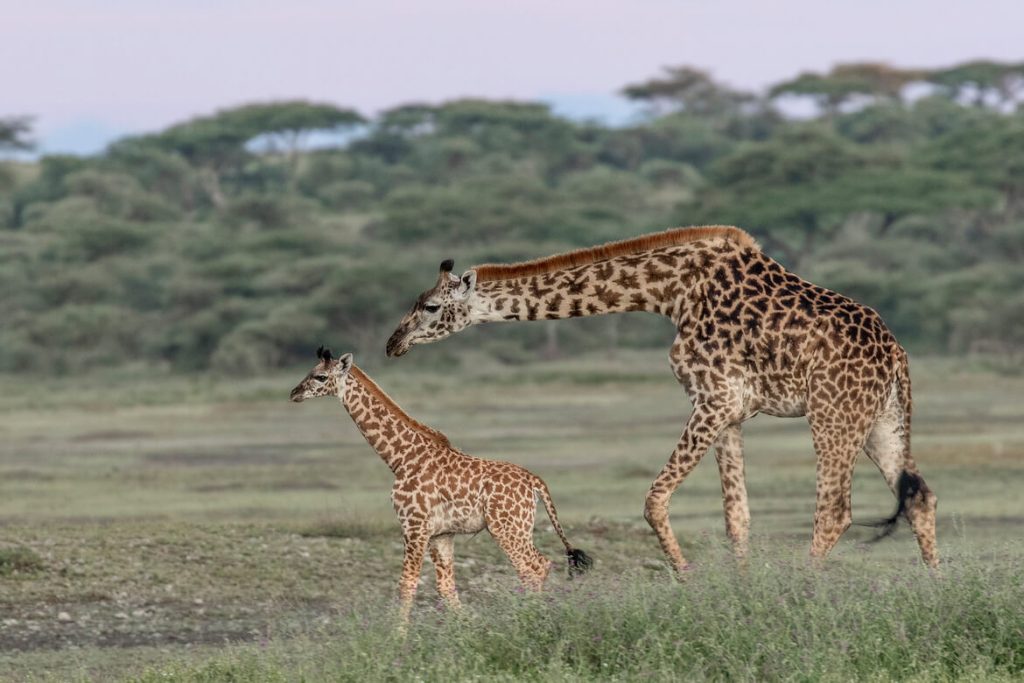
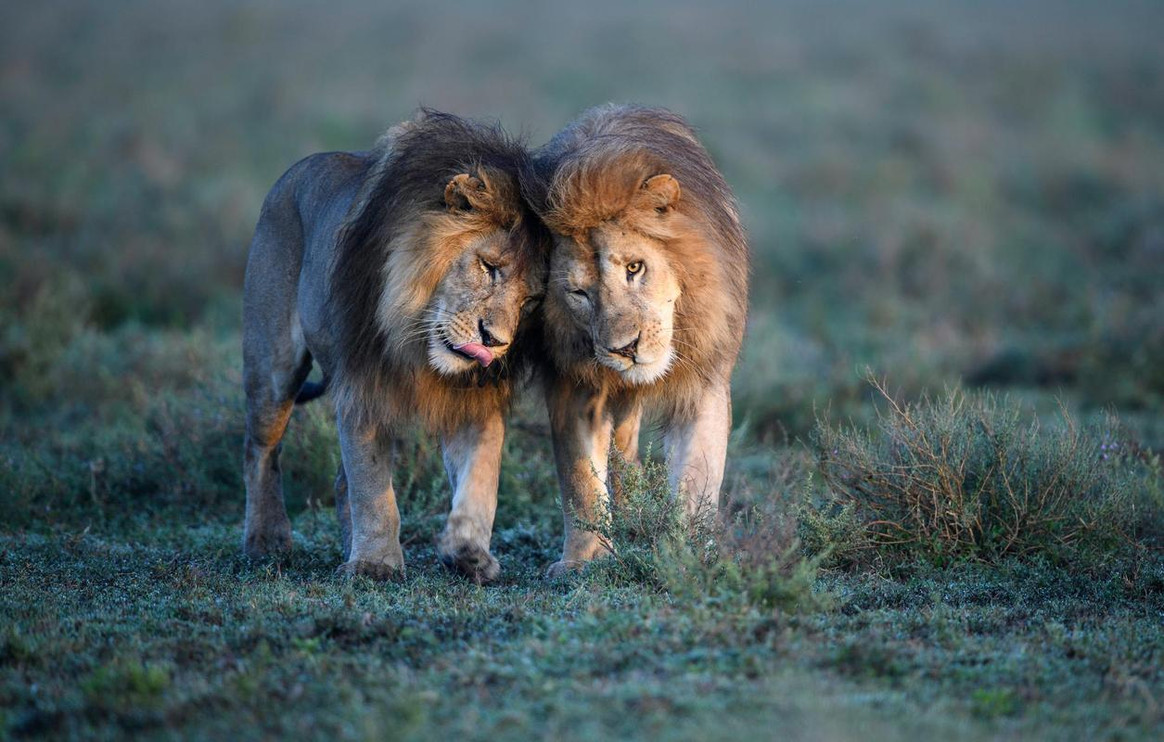



Tanzania is one of the few places on Earth where wildlife movement still follows ancient natural rhythms rather than artificial boundaries. Animals move not because of borders on a map, but in response to rainfall, fresh grazing, water availability, and survival instincts refined over thousands of years. Understanding how wildlife moves across Tanzania’s national parks throughout the year transforms a safari from a simple sightseeing trip into a deeper, more informed experience.
For travelers planning a Tanzania safari, knowing when and why animals move can make the difference between occasional sightings and truly immersive wildlife encounters. At Astro Safaris, safari itineraries are designed around these seasonal patterns, ensuring guests experience wildlife at its most active and authentic.
Understanding Wildlife Movement in Tanzania
Wildlife movement in Tanzania is not random. It is shaped by predictable ecological forces that repeat each year, even though the exact timing may shift slightly depending on rainfall. Unlike fenced reserves, Tanzania’s parks remain largely open, allowing animals to move freely between ecosystems.
These movements range from short daily shifts around water sources to long seasonal journeys across multiple parks and conservation areas. While the Great Wildebeest Migration is the most famous example, many other species follow their own movement patterns that are equally important to understand.
The Role of Rainfall and Seasons
Rainfall is the primary driver of wildlife movement in Tanzania. When rains arrive, grasses regenerate and water fills seasonal rivers and wetlands. Herbivores move toward these fresh grazing areas, and predators follow closely behind.
Tanzania experiences two main seasons: the dry season and the green (wet) season. Each season influences animal behavior differently, shaping where wildlife is concentrated and how visible it is to safari travelers.
Wildlife Movement During the Green Season
The green season typically runs from November to May, with lighter rains early and heavier rains from March to May. During this time, the landscape transforms, and wildlife spreads out across wider areas.
Grazing Patterns and Calving Grounds
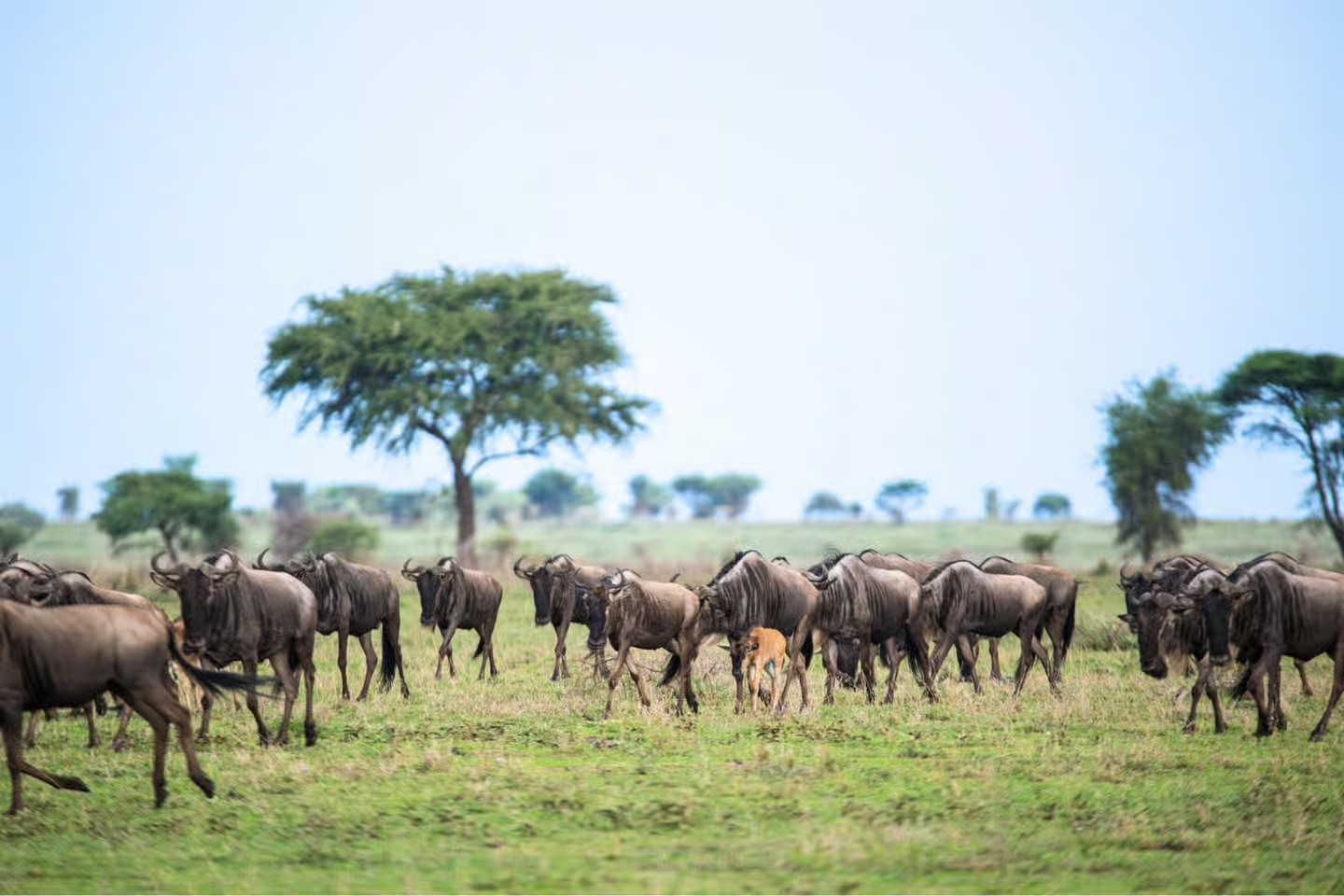
Fresh grass appears across the southern Serengeti plains and other open ecosystems. Large herbivores such as wildebeest, zebra, and gazelle move into these nutrient-rich areas to feed and give birth. Calving season usually peaks between January and February, when thousands of newborns arrive within a short period.
This abundance of young animals attracts predators, making the green season one of the most dynamic periods for observing hunting behavior. Although vegetation can be denser, wildlife activity is intense and rewarding for patient observers.
Birdlife and Seasonal Arrivals
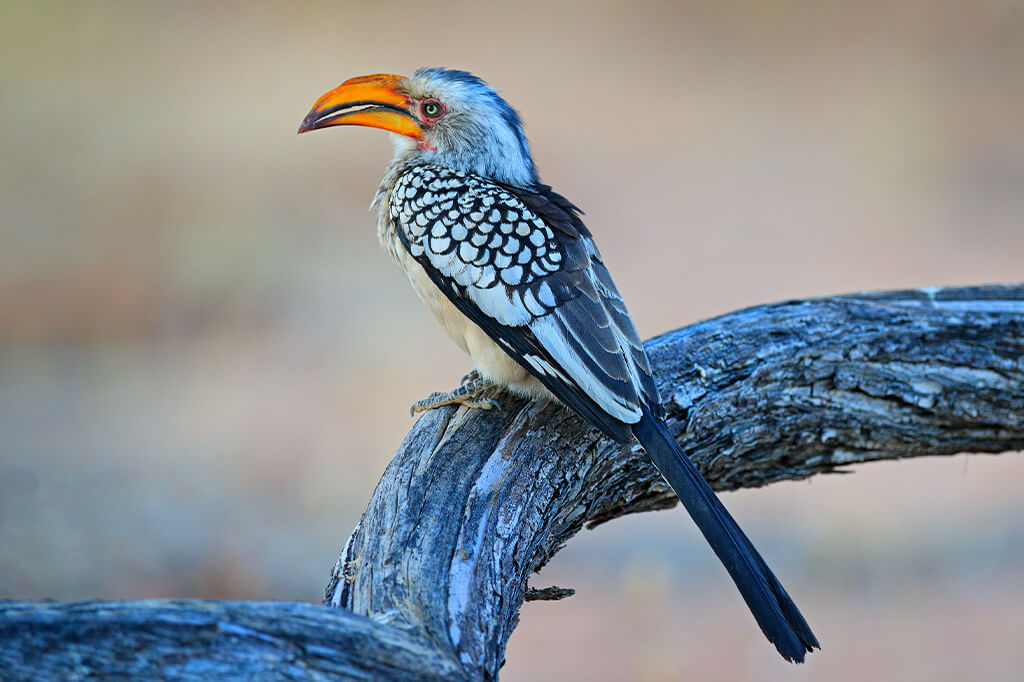
The green season also marks the arrival of migratory birds from Europe and Asia. Wetlands, lakes, and floodplains become especially active, making this period ideal for birdwatching across parks such as Lake Manyara, Serengeti, and Tarangire.
Wildlife Movement During the Dry Season
From June to October, rainfall decreases, and water sources become limited. This causes wildlife to concentrate around permanent rivers, lakes, and waterholes.
Concentration Around Water Sources
As grasses dry out, herbivores move toward areas with reliable water and remaining vegetation. In parks like Tarangire National Park, animals gather along the Tarangire River, creating some of the highest wildlife densities in northern Tanzania during the dry season.
Predators take advantage of this concentration, making sightings of lions, leopards, and cheetahs more frequent and easier to observe.
Improved Visibility and Tracking
With shorter grass and less foliage, animals are easier to spot. Tracks and signs become more visible, allowing experienced guides to interpret movements and anticipate wildlife behavior. This is one reason the dry season is often considered the best time for classic game viewing.
The Great Wildebeest Migration: Tanzania’s Most Famous Movement
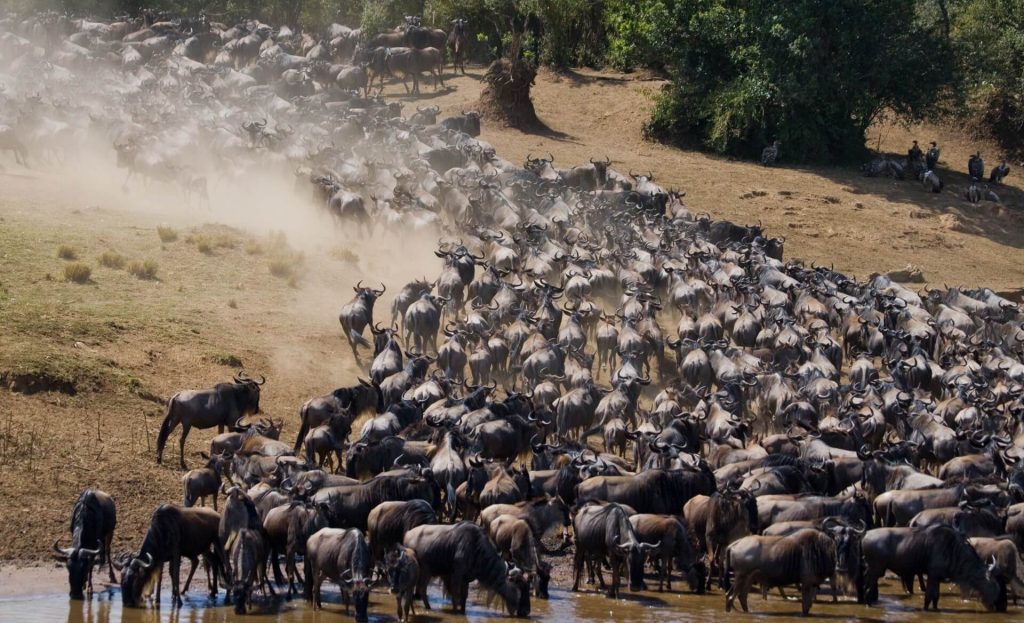
The Great Wildebeest Migration is the largest and most complex wildlife movement in the world, involving over a million wildebeest along with hundreds of thousands of zebra and gazelle.
Southern Serengeti: Calving Season
From December to March, the herds concentrate in the southern Serengeti, where nutrient-rich grasses support calving. Predator activity is intense during this period, offering dramatic wildlife interactions.
Western and Central Serengeti: River Crossings
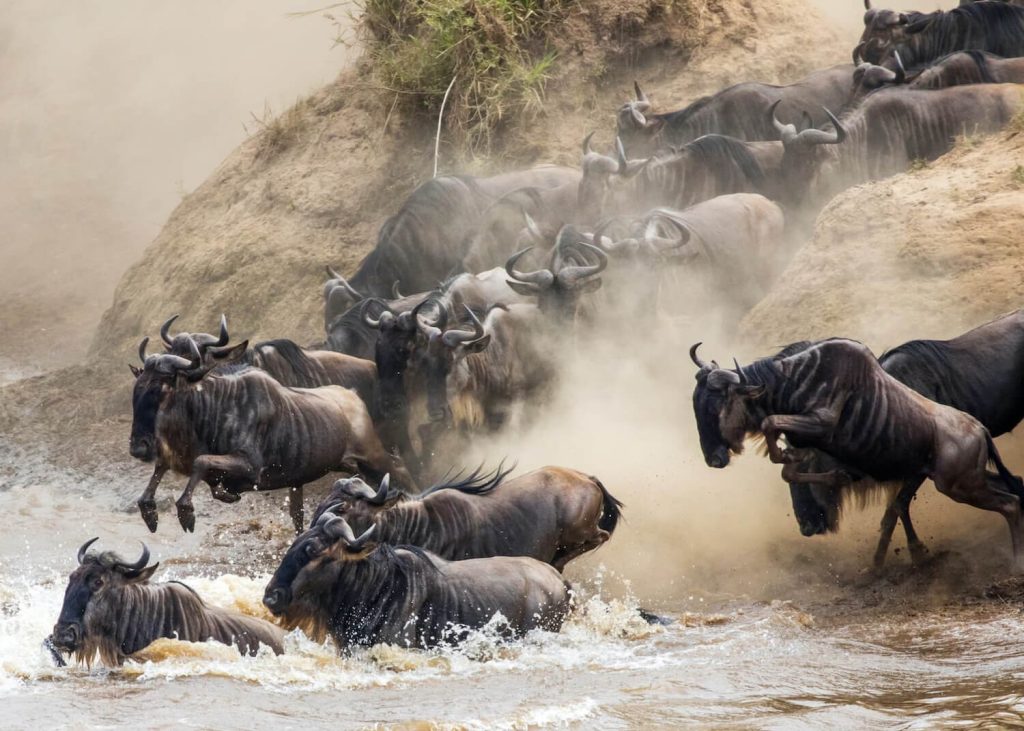
As grasses are depleted, the herds begin moving northwest toward the Grumeti River around May and June. River crossings here test the endurance of the herds and attract large predators, including crocodiles.
Northern Serengeti: Mara River Crossings
Between July and October, many herds reach the northern Serengeti and face the Mara River crossings. These crossings are unpredictable and represent one of the most iconic wildlife spectacles in Tanzania safari travel.
The Continuous Cycle
The migration is not a single event but a year-round cycle driven by rainfall. Some herds move ahead while others lag behind, meaning wildlife movement is always happening somewhere within the Serengeti ecosystem.
Wildlife Movement Beyond the Serengeti
While the migration receives most attention, other parks also experience important seasonal shifts.
Tarangire National Park
Tarangire acts as a dry-season refuge for elephants and plains game. During the wet season, animals disperse into surrounding areas, but they return in large numbers as water becomes scarce.
Ngorongoro Conservation Area
The Ngorongoro Crater holds wildlife year-round due to permanent water sources. However, surrounding plains play a role in seasonal movements, especially for grazing species during the green season.
Lake Manyara National Park
Wildlife movement in Lake Manyara is more localized, influenced by water levels and vegetation growth. Elephants, buffalo, and birds adjust their movements between forest, floodplain, and lake shore habitats depending on seasonal conditions.
How Predators Respond to Seasonal Movement
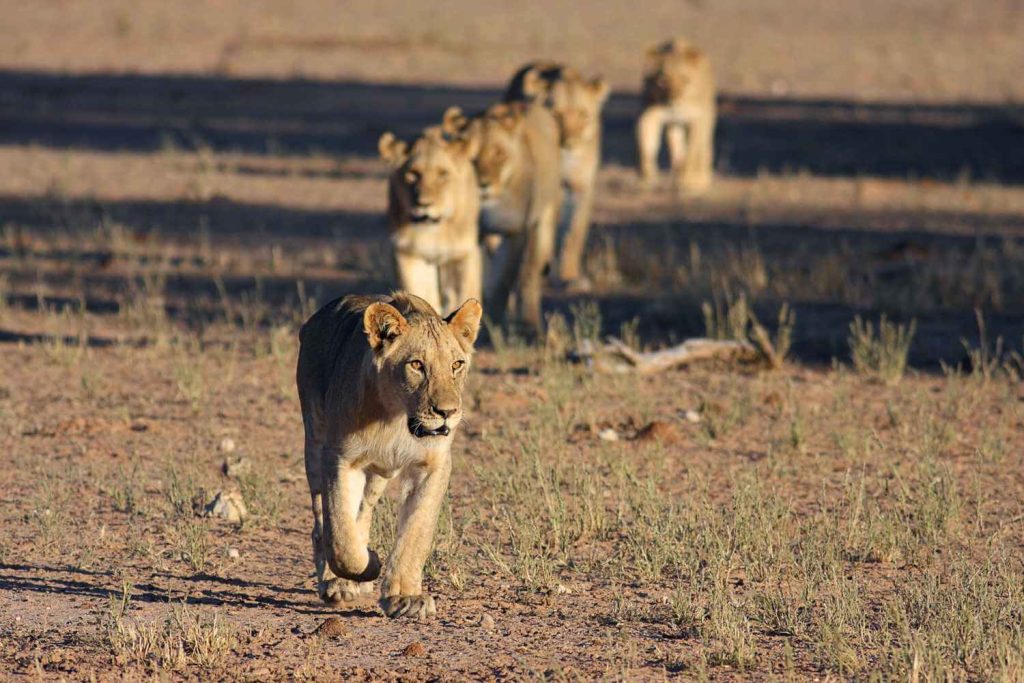
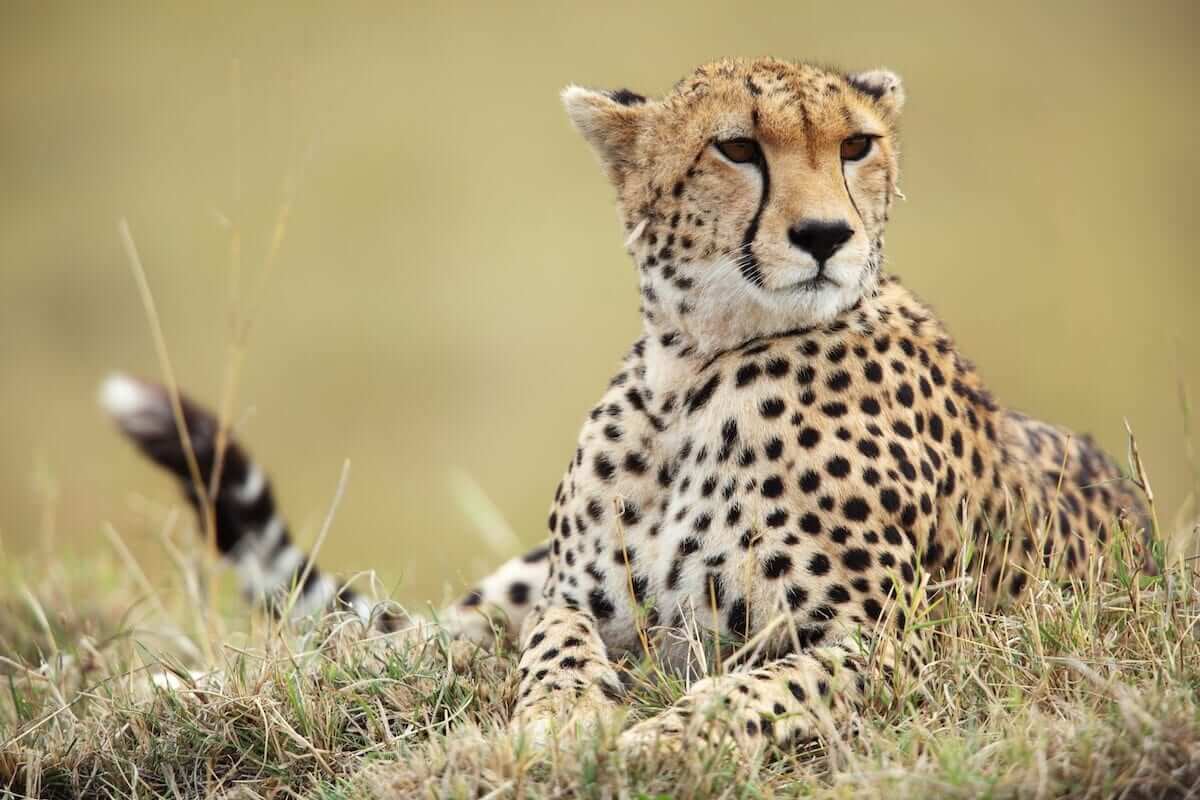
Predators in Tanzania do not migrate in the same way herbivores do, but they adjust territories and hunting strategies based on prey availability. Lions may shift pride ranges, cheetahs favor open plains during certain seasons, and leopards remain adaptable by using riverine forests and woodlands.
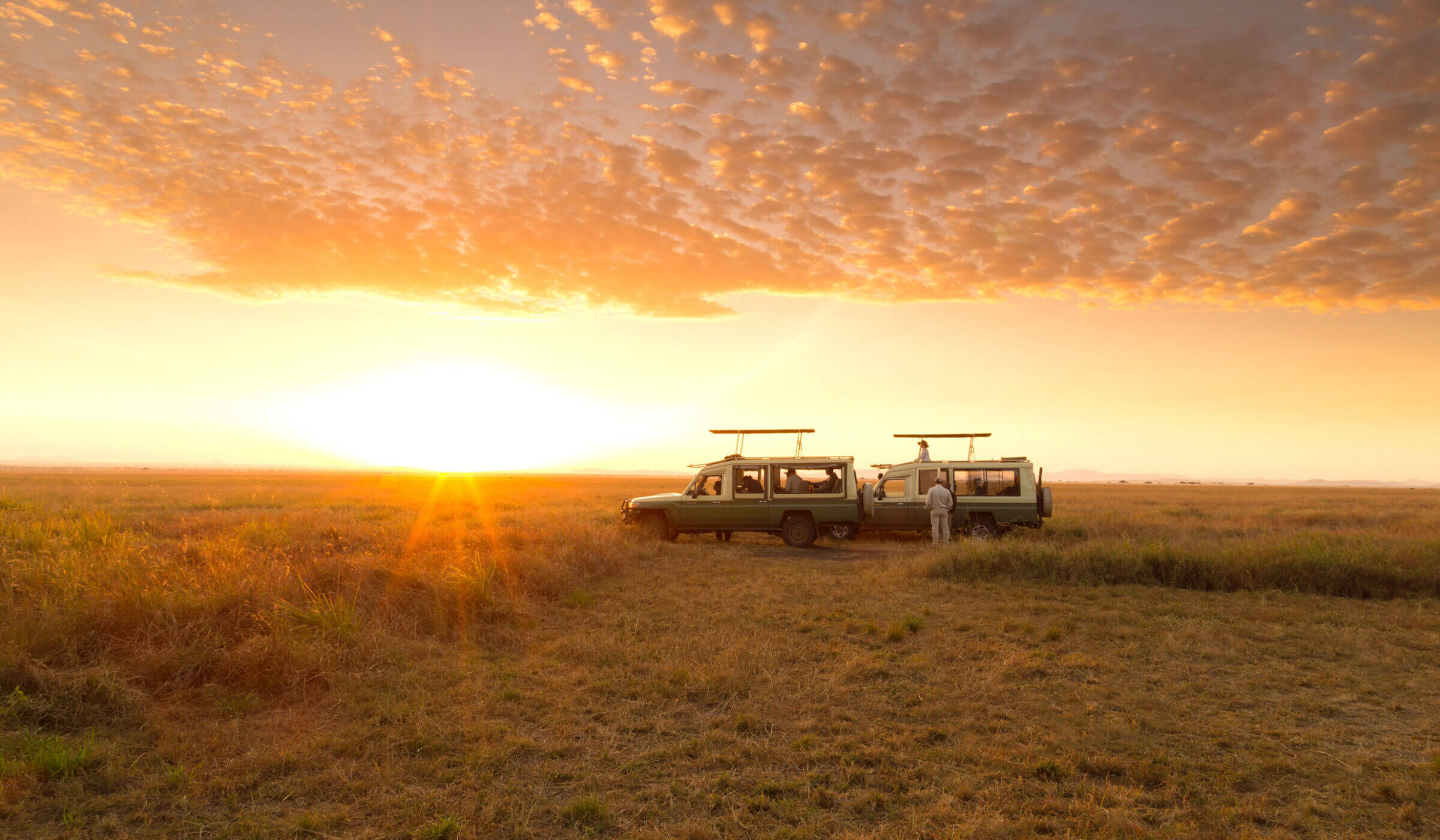
Understanding these subtle changes allows experienced guides to position safari vehicles effectively and increase sighting opportunities.
Why Understanding Wildlife Movement Matters for Safari Planning
Knowing how wildlife moves throughout the year allows travelers to choose the right parks at the right time. A well-planned itinerary aligns with natural cycles rather than fixed expectations.
At Astro Safaris, itineraries are crafted based on seasonal wildlife behavior, park accessibility, and guest interests. This approach ensures each safari is both realistic and rewarding.
Experience Tanzania’s Living Landscape
Wildlife movement across Tanzania’s national parks is a powerful reminder that nature operates on its own terms. Animals follow rain, grass, and water, creating ever-changing patterns that shape each safari experience.
By understanding these movements, travelers gain more than sightings—they gain context, meaning, and connection. Astro Safaris combines local expertise with careful planning to help guests experience Tanzania’s wildlife as it truly lives and moves.
Frequently Asked Questions About Wildlife Moves Across Tanzania’s National Parks Throughout the Year
Wildlife movement follows consistent seasonal patterns driven by rainfall, but exact timing can vary slightly each year depending on weather conditions.
Yes. The migration is continuous, but different stages occur in different regions throughout the year.
Both seasons are excellent. The dry season offers easier visibility, while the green season provides intense activity and fewer crowds.
Predators do not migrate long distances but adjust territories and hunting behavior based on prey movement.
Yes. Many parks and conservation areas are connected, allowing animals to move naturally across ecosystems.
Absolutely. Parks like Tarangire, Ngorongoro, and Lake Manyara offer excellent wildlife viewing based on seasonal movements.
Astro Safaris designs itineraries based on seasonal data, local knowledge, and real-time conditions to maximize wildlife encounters.
RELATED BLOGS
Exploring Africa’s Iconic Experience in Tanzania
Explore Astro
Our Dream Vacation
Day Trips (Short Safari)
Top Experiences