

Based on Tripadvisor reviews

Based on Tripadvisor reviews
Based on Tripadvisor reviews
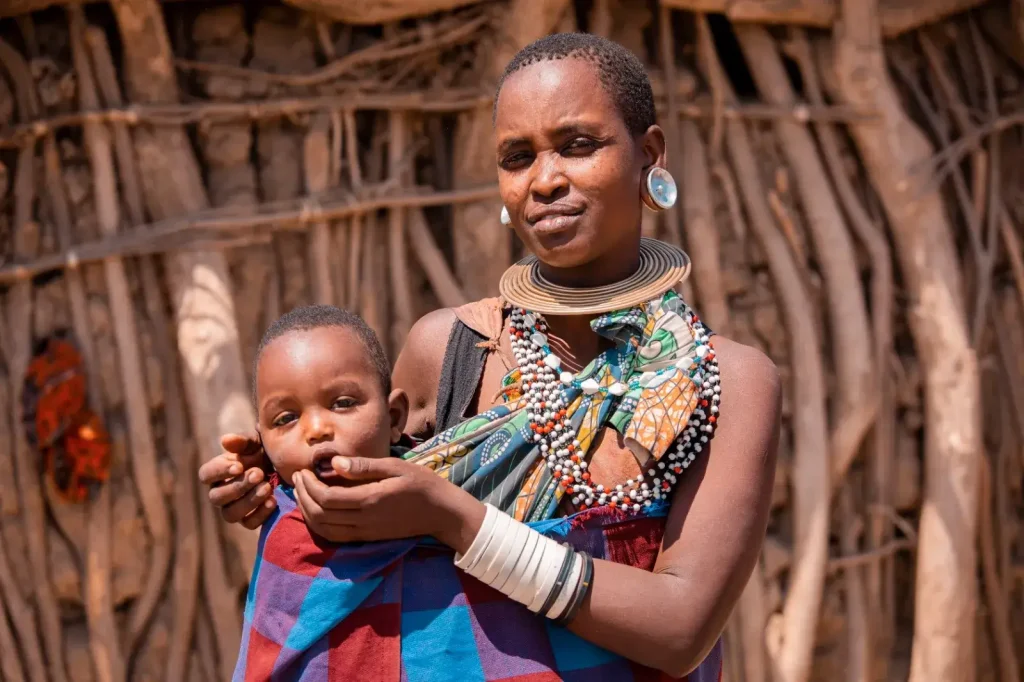
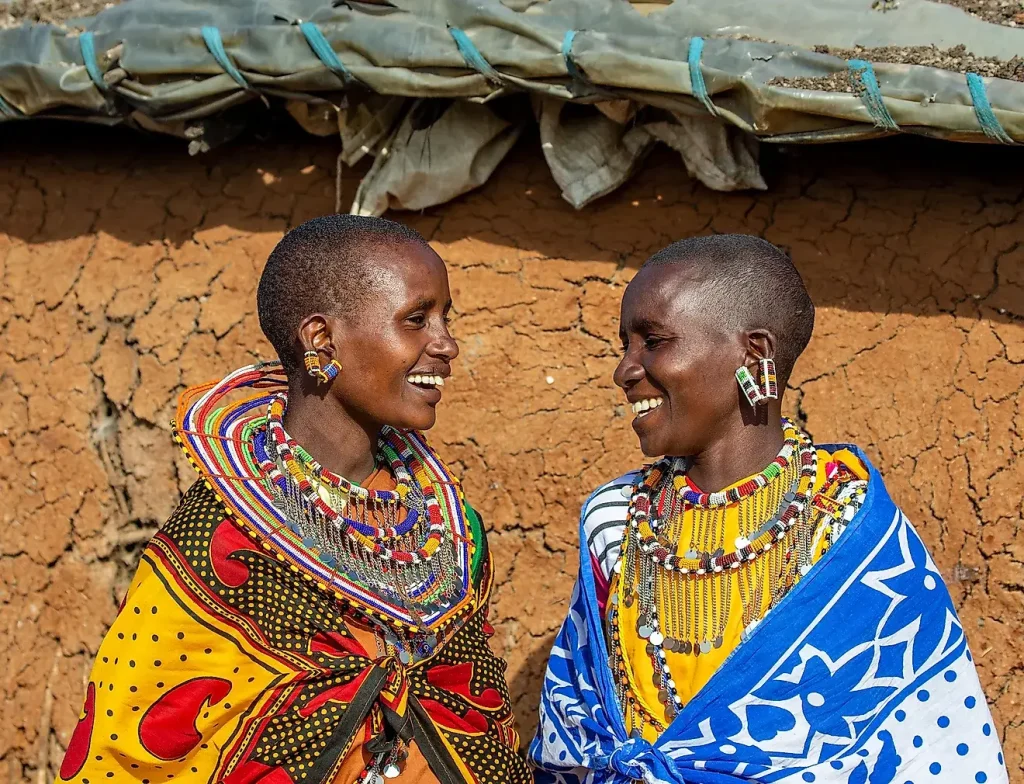
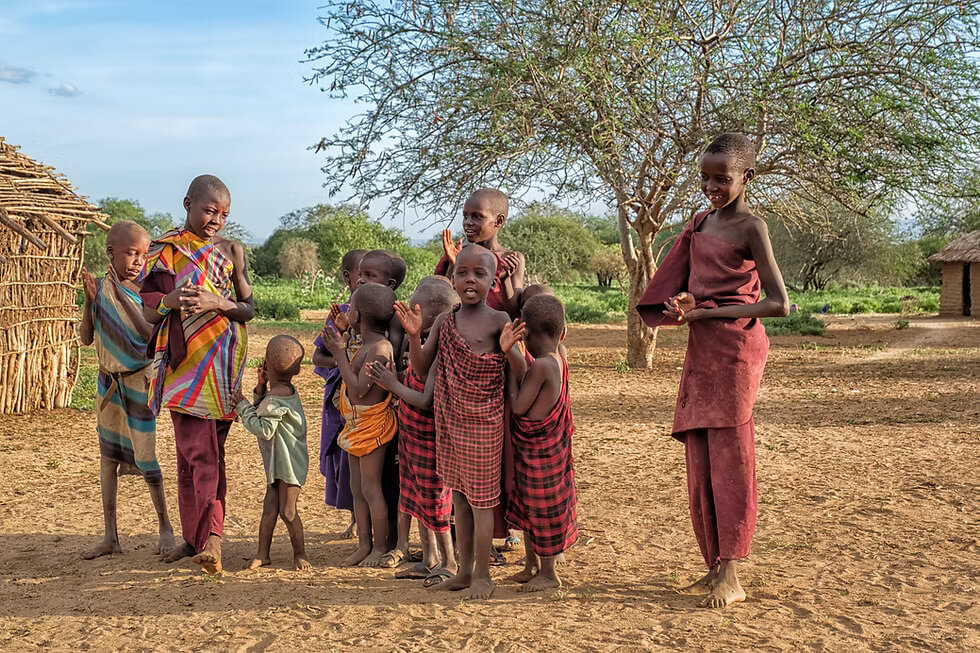

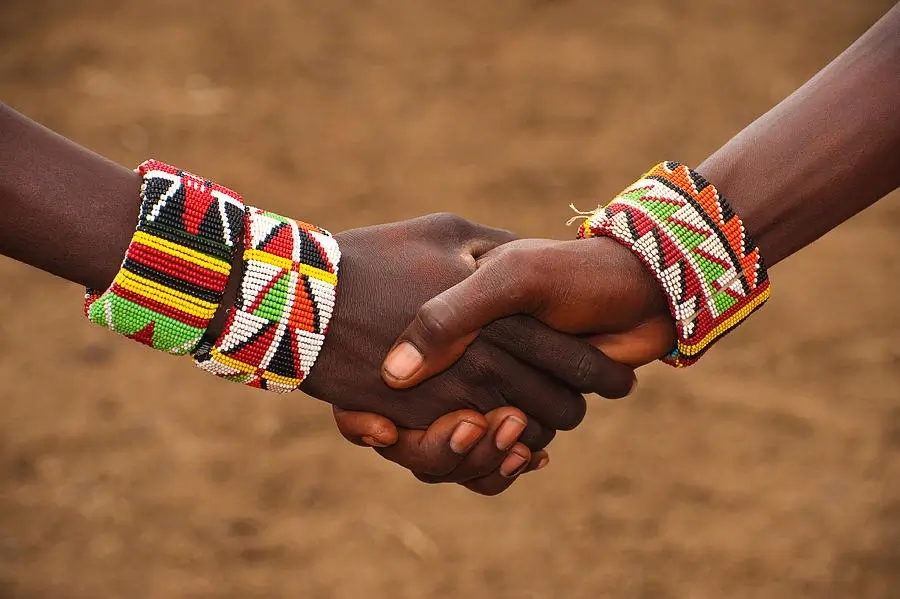






Tanzania is often introduced to the world through its wildlife, landscapes, and iconic safari experiences. Yet beneath the savannahs, forests, and coastlines lies a deeply layered cultural identity shaped by language, ritual, and storytelling. These elements form the backbone of Tanzanian society, influencing how communities understand history, pass down knowledge, and relate to the natural world.
For travelers, especially those seeking cultural depth alongside wildlife safaris, understanding these foundations transforms a journey into a meaningful exchange. At Astro Safaris, cultural experiences are designed not as brief encounters, but as opportunities to learn how Tanzanians communicate values, preserve memory, and sustain identity through generations.
Tanzania’s Cultural Diversity in Context
Tanzania is home to more than 120 ethnic groups, each with its own linguistic traditions, social customs, and oral histories. Despite this diversity, shared cultural threads unite communities across regions, creating a sense of national identity without erasing local distinctiveness.
Language, ritual, and storytelling serve as the connective tissue between past and present. They guide social behavior, mark life transitions, and explain humanity’s place within nature. For visitors, these elements provide insight into how Tanzanian communities interpret the world around them.
Language as a Cultural Foundation
Kiswahili: A Unifying Language
Kiswahili is one of Tanzania’s greatest cultural unifiers. Spoken across ethnic lines, it allows communication between communities with different mother tongues. More than a practical language, Kiswahili carries values of respect, hospitality, and social harmony.
Greetings in Kiswahili are often extended and meaningful, reflecting the importance of acknowledging others. This linguistic culture of politeness shapes daily interactions and reinforces communal bonds.
Indigenous Languages and Identity
Alongside Kiswahili, dozens of indigenous languages continue to thrive. These languages preserve unique worldviews, ecological knowledge, and social structures. For example, pastoralist and hunter-gatherer communities encode survival skills, environmental cues, and moral lessons directly into their language.
Astro Safaris emphasizes respectful listening during cultural visits, recognizing that language is not simply spoken but lived.
Rituals as Markers of Life and Belonging
Rituals play a central role in Tanzanian culture, marking transitions such as birth, adulthood, marriage, and elderhood. These ceremonies are not performances, but deeply meaningful expressions of identity and continuity.
Rites of Passage
Many communities use initiation rituals to guide young people into adulthood. These rites teach responsibility, social roles, and cultural values. While the specific practices vary between groups, the underlying purpose remains consistent: preparing individuals to contribute to the community.
Rituals and the Natural World
Rituals often align with seasonal cycles, rainfall patterns, and livestock movements. In this way, cultural practices are closely linked to the environment. Understanding these rituals helps travelers appreciate how culture and conservation intersect in Tanzania.
Storytelling as Living History
Oral Tradition and Memory
Storytelling is one of the most powerful cultural tools in Tanzania. Long before written records, communities preserved history, ethics, and knowledge through spoken narratives. Elders play a vital role as custodians of memory, sharing stories that explain origins, migrations, and moral lessons.
These stories are not fixed texts. They evolve slightly with each telling, allowing culture to adapt while retaining core values.
Stories as Education
Folktales often teach practical lessons about cooperation, respect, and survival. Animals frequently appear as characters, reinforcing lessons about human behavior and environmental balance. For safari travelers, these stories add context to wildlife encounters, revealing how animals are understood beyond biology.
Astro Safaris integrates storytelling into cultural experiences through guided interpretation, helping guests understand meaning rather than simply observe customs
How Language, Rituals, and Storytelling Interconnect
Language gives rituals structure, rituals give stories context, and storytelling ensures both endure. Together, they form a cycle that sustains cultural continuity. A ritual without language loses meaning, and a story without ritual loses relevance.
This interconnected system explains why Tanzanian culture remains resilient despite modernization and globalization.
Cultural Expression in Daily Life
Cultural expression in Tanzania is not limited to ceremonies or special occasions. It appears in daily greetings, shared meals, music, and communal decision-making. Even silence can carry meaning, reflecting respect or reflection rather than disengagement.
Travelers who slow down and observe these nuances gain a deeper understanding of Tanzanian life.
Cultural Experiences for Travelers
Learning Through Presence
Cultural understanding comes from listening, observing, and participating respectfully. Visits that prioritize conversation over photography often leave the strongest impressions.
Respectful Engagement
Astro Safaris prepares travelers to approach cultural experiences with sensitivity, emphasizing consent, appropriate behavior, and mutual respect. This ensures encounters benefit both visitors and host communities.
Why Cultural Understanding Enriches Safari Travel
Wildlife safaris focus on ecosystems, but cultural experiences reveal how humans live within those ecosystems. Together, they provide a complete picture of Tanzania as a living landscape shaped by both nature and people.
For many travelers, cultural moments become as memorable as wildlife sightings, offering perspective that lasts beyond the journey.
Practical Tips for Cultural Travelers
Patience, curiosity, and humility are essential. Asking thoughtful questions and allowing conversations to unfold naturally leads to deeper understanding. Astro Safaris encourages travelers to see culture as a dialogue rather than a checklist.
Culture as the Soul of Tanzania
Language, rituals, and storytelling are not relics of the past in Tanzania—they are living systems that continue to shape identity, relationships, and worldview. Understanding these elements allows travelers to connect with Tanzania on a deeper level, beyond landscapes and wildlife.
Astro Safaris believes that meaningful travel begins with understanding. By guiding guests through Tanzania’s cultural foundations with respect and insight, Astro Safaris creates journeys that are not only memorable, but transformative.
Frequently Asked Questions About How Language, Rituals, and Storytelling Shape Tanzanian Culture
Language carries values, social norms, and historical knowledge.
Yes, Kiswahili is widely spoken alongside local languages.
Yes, many rituals remain central to community life.
Some rituals are open to visitors when approached respectfully.
Storytelling adapts over time and emphasizes shared memory.
Yes, they are educational and engaging for all ages.
Astro Safaris works with local guides to provide respectful, informative cultural encounters.
RELATED BLOGS
Exploring Africa’s Iconic Experience in Tanzania
Explore Astro
Our Dream Vacation
Day Trips (Short Safari)
Top Experiences