

Based on Tripadvisor reviews

Based on Tripadvisor reviews
Based on Tripadvisor reviews



The Safari Surprise Nobody Warns You About
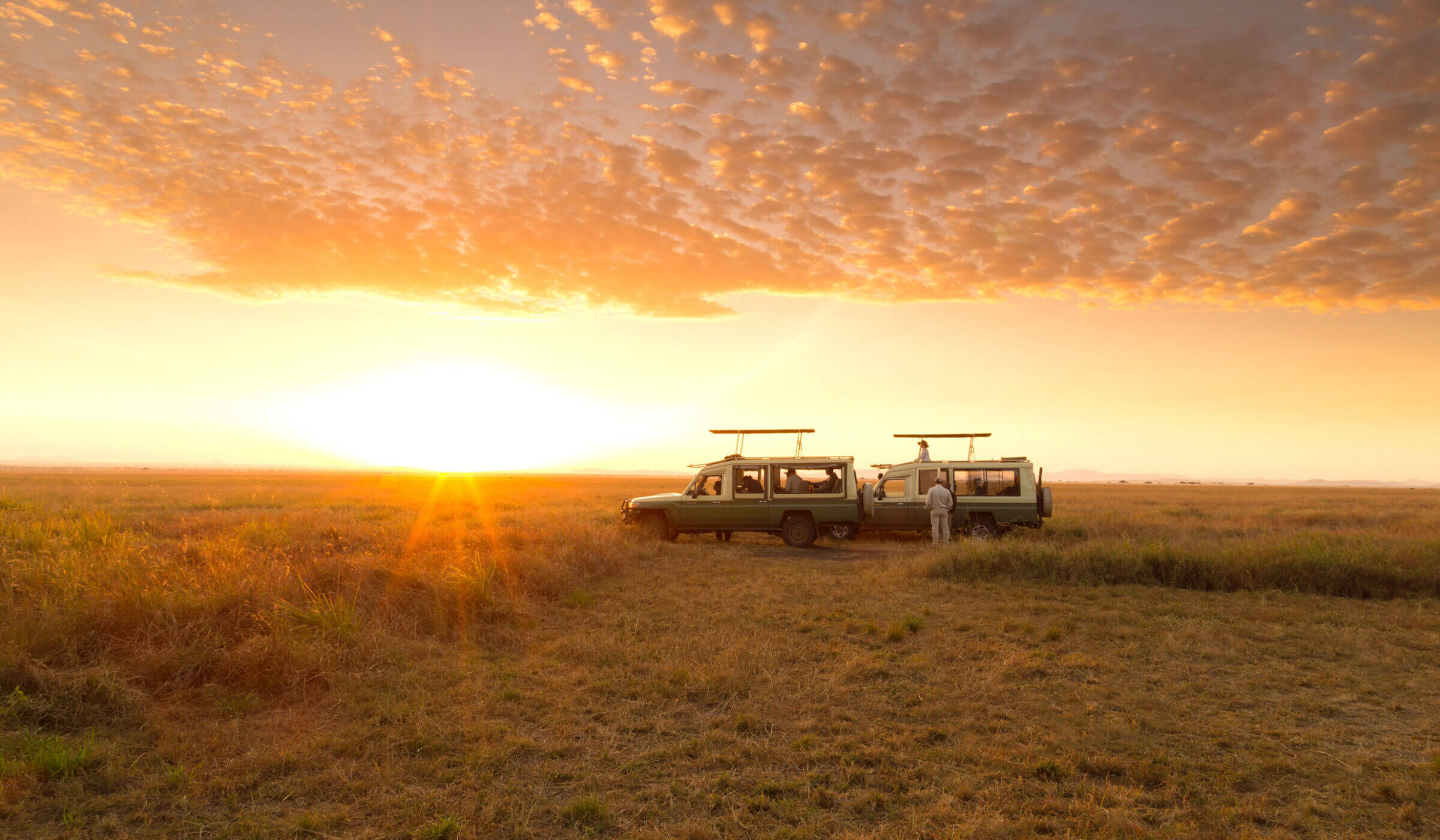
For many travelers, Africa equals heat. Sun-drenched savannahs, golden plains, and endless blue skies dominate the imagination. So it often comes as a surprise when safari guests step into an open 4×4 vehicle before sunrise and feel… cold. Sometimes very cold.
One of the most common questions asked before a safari especially by first-time travelers is how cold early-morning game drives really are. It’s a practical concern and an important one. Early mornings are when wildlife is most active, predators are still on the move, and the light is perfect for photography. They are also the coldest part of the safari day.
This guide explains what “cold” actually means on safari, why mornings feel colder than expected, how temperatures vary by region and season, and how experienced safari travelers stay warm without overpacking. By the end, you’ll know exactly what to expect and how to prepare so the chill never distracts you from the magic of the bush.
Why Safari Game Drives Start Before Sunrise
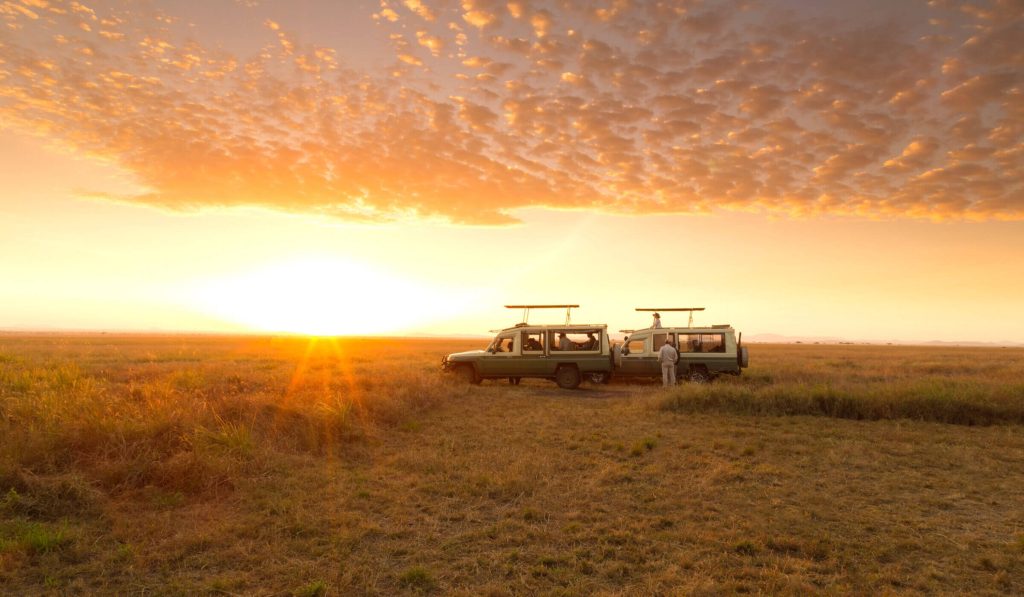
Early-morning game drives are not about testing your tolerance for cold. They are about timing. Wildlife behavior is closely tied to temperature. As the sun rises and the heat builds, animals become less active, seek shade, and rest through the hottest hours.
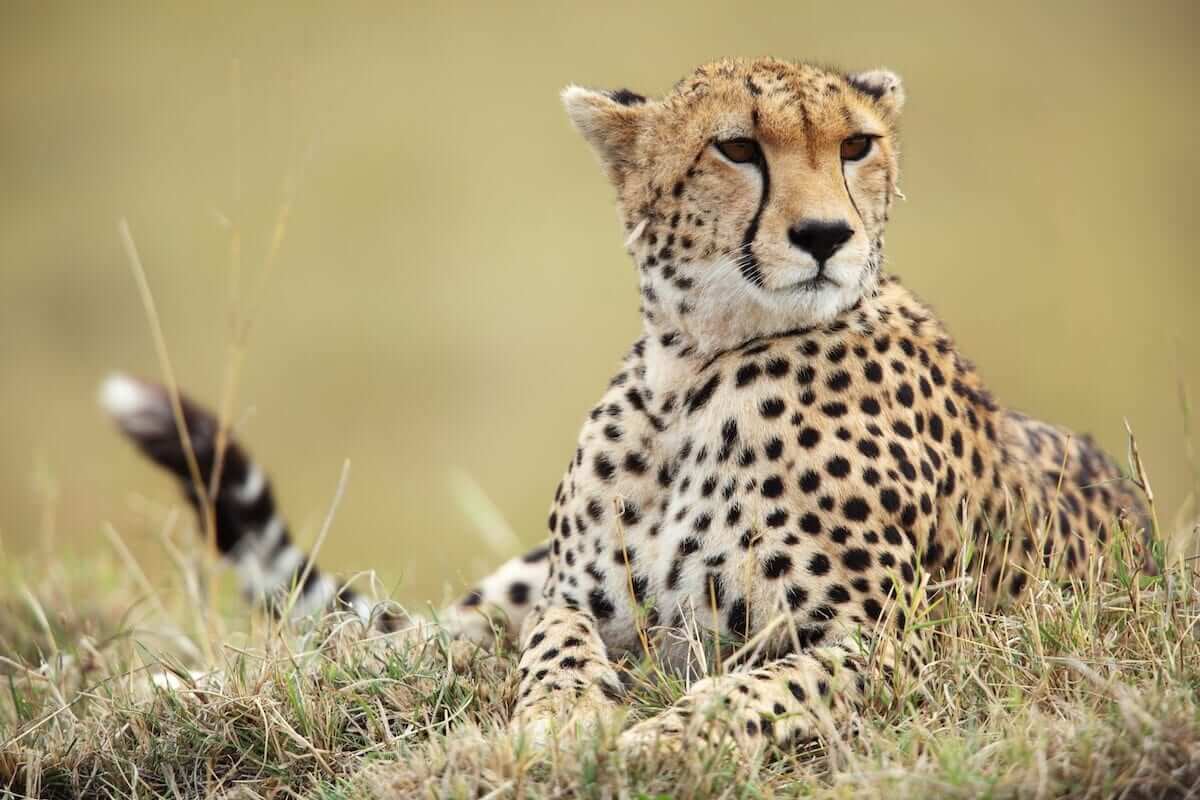
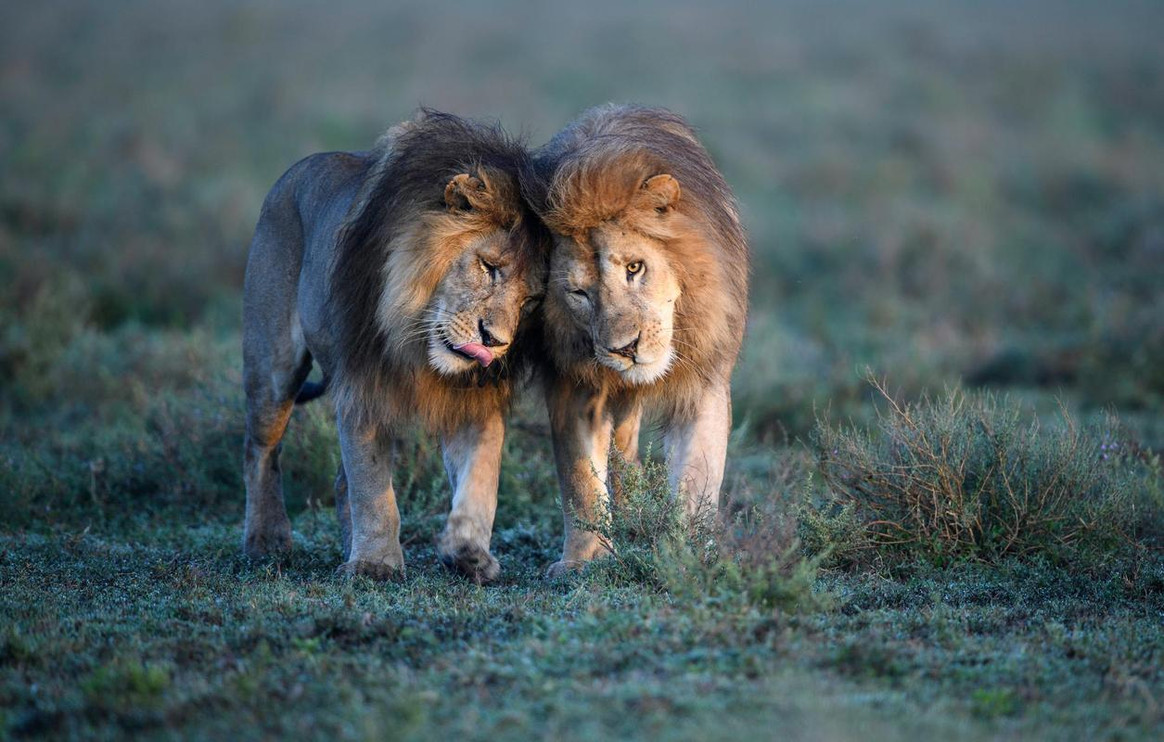
Before sunrise, the bush is alive. Lions are finishing night hunts, leopards are still moving, hyenas are active, and herbivores are alert. This is when sightings are most dynamic and rewarding. Guides plan departures early to place guests in the best possible position when wildlife activity peaks.
The trade-off for these extraordinary moments is the cool air of dawn but that chill is temporary and manageable.
What “Cold” Really Means on Safari
When people hear “cold,” they often imagine freezing temperatures. In most safari destinations, that’s not the reality. Early-morning game drives are cool, sometimes chilly, but rarely extreme.
In many popular safari regions, pre-dawn temperatures range between 10°C and 15°C (50°F to 59°F). In higher-altitude areas such as the Ngorongoro Highlands, temperatures can dip closer to 5°C to 8°C (41°F to 46°F), especially during the dry season.
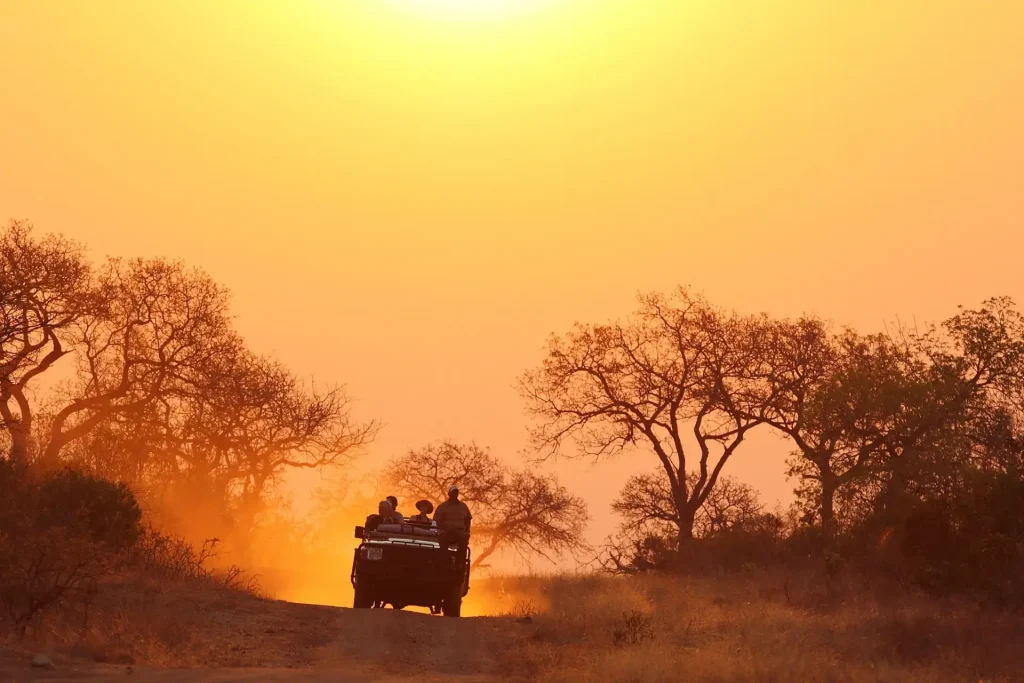
The sensation of cold is intensified by several factors. Open-sided safari vehicles allow airflow. The vehicle is moving, creating wind chill. You are seated and still, which makes your body generate less heat. Combined, these elements can make even moderate temperatures feel colder than expected.
How Safari Regions Affect Morning Temperatures
Not all safaris feel the same at dawn. Geography plays a major role in how cold early-morning game drives feel. Lowland parks such as the Serengeti plains, Tarangire National Park, and Ruaha tend to have milder mornings. While cool, these areas warm quickly once the sun rises.
Highland regions, particularly the Ngorongoro Conservation Area and areas near crater rims, experience noticeably colder mornings. Elevation reduces air temperature, and mist or cloud cover can add to the chill.
Coastal and southern parks generally feel less cold, but humidity can make cool air feel sharper in the early hours. Understanding where you are going helps set realistic expectations for morning conditions.
Seasonal Differences: Dry Season vs Green Season
The time of year you travel also influences how cold early-morning game drives feel. During the dry season, typically from June to October, nights are cooler and mornings can feel crisp. Clear skies allow heat to escape overnight, leading to lower dawn temperatures. This is when travelers are most likely to feel cold at the start of a game drive.
During the green season, from November to March, nights are warmer due to cloud cover and higher humidity. Early mornings are still cool but generally less chilly than during the dry season.
April and May, the long rainy season, can bring damp air and occasional mist, which may feel cool but is often offset by slightly higher temperatures.
Why It Feels Colder Than the Thermometer Says
Many travelers are surprised not by the actual temperature, but by how cold it feels. This comes down to wind chill and exposure. Safari vehicles are designed for visibility, not insulation. Open sides, raised seating, and slow movement mean air circulates freely. Even a light breeze can significantly increase heat loss from the body.
Additionally, mornings often begin before you’ve fully warmed up. You step out of bed, climb into a vehicle, and immediately feel the cool air without time for your body to adjust. The good news is that as soon as the sun rises higher, temperatures climb rapidly. Most game drives start cold and finish comfortably warm.
How Long Does the Cold Actually Last?
This is one of the most reassuring facts for nervous travelers: the cold part of a morning game drive is usually short.
In most safari regions, the coldest window lasts between 45 minutes and 90 minutes after departure. As the sun clears the horizon, warmth returns quickly. By mid-morning, many travelers are peeling off layers and enjoying mild, pleasant temperatures.
Safari vehicles often stop for tea or coffee during this transition, giving guests a chance to warm up while watching the bush come alive.
How Experienced Safari Travelers Stay Warm
Seasoned safari travelers rarely suffer from cold because they understand one simple principle: layering is everything.
Rather than heavy coats, lightweight layers trap heat and adapt easily to changing temperatures. A warm fleece or jacket, a long-sleeved shirt, and a wind-resistant outer layer are usually sufficient.
Scarves, buffs, or light gloves make a surprising difference, especially for hands and necks exposed to airflow. Closed shoes and socks help keep feet warm during the early hours.Many safari lodges provide blankets in vehicles for morning drives, particularly in cooler regions. These are designed for comfort and convenience and are commonly used.
What Not to Worry About
One common fear is that cold mornings will ruin the safari experience. In reality, most guests find the cool air refreshing and invigorating. Another concern is overpacking heavy winter clothing. This is rarely necessary and can become inconvenient once the day warms up.
Safari cold is not harsh, prolonged, or uncomfortable when approached with realistic expectations. It is a brief, natural part of the rhythm of the bush.
Cold Mornings and Safari Photography
Early-morning chill is actually a gift for photographers. Cold air often brings clearer skies, misty landscapes, and dramatic light.
Animals are active, breath is visible, and the golden hour feels magical. Many iconic safari photographs are taken during the coldest part of the day.For photographers, staying warm ensures steady hands and comfort, allowing full focus on capturing the moment.
Why Early-Morning Drives Are Always Worth It
Despite the chill, early-morning game drives consistently rank as the highlight of safari trips. The combination of quiet, anticipation, and raw wildlife activity creates an atmosphere that cannot be replicated later in the day.
Most travelers look back and laugh at how worried they were about the cold. The experience itself quickly overshadows any initial discomfort.
Cool Mornings, Warm Memories
Early-morning game drives are cool, sometimes chilly, but rarely uncomfortable and always temporary. With basic preparation and the right mindset, the cold becomes part of the experience rather than a drawback.
Understanding what to expect removes anxiety and allows you to fully embrace the magic of dawn in the African bush. By the time the sun rises and the plains glow gold, most travelers forget about the cold entirely. What remains are warm memories, unforgettable sightings, and the quiet thrill of being present as the day begins.
Frequently Asked Questions About How Cold Early Morning Game Drives Really Are
Early-morning game drives typically feel cool to chilly, with temperatures ranging from about 5°C to 15°C depending on location and season. Wind chill from open vehicles can make it feel colder, but the cold is short-lived.
High-altitude regions such as the Ngorongoro Conservation Area and crater rims experience the coldest mornings. Lowland parks like Serengeti plains and Tarangire are generally milder.
The cold usually lasts for the first one to two hours. Once the sun rises, temperatures warm quickly and become comfortable.
Many lodges and camps provide blankets in safari vehicles, especially in cooler regions. However, travelers should still bring personal layers for comfort.
Light layers, a warm jacket or fleece, long sleeves, closed shoes, and optional accessories like a scarf or gloves are usually sufficient. Heavy winter clothing is not necessary.
Yes. The dry season, especially from June to August, has colder mornings due to clear skies and cooler nights. The green season tends to be warmer in the early hours.
Absolutely. Early-morning drives offer the best wildlife activity, beautiful light, and unforgettable safari moments. Most travelers consider them the highlight of their trip despite the initial chill.
RELATED BLOGS
Exploring Africa’s Iconic Experience in Tanzania
Explore Astro
Our Dream Vacation
Day Trips (Short Safari)
Top Experiences