

Based on Tripadvisor reviews

Based on Tripadvisor reviews
Based on Tripadvisor reviews






Why Pre-Trip Fear Is Completely Normal
Almost every traveler experiences fear before arrival, especially when heading to a destination that feels unfamiliar, remote, or culturally different. Whether it’s a first safari, a long-haul flight to Africa, or a journey far from familiar routines and comforts, the mind naturally fills the unknown with imagined risks. This reaction isn’t weakness it’s human instinct responding to uncertainty.
Before arriving in Tanzania or any safari destination travelers often worry about safety, health, wildlife, logistics, comfort, communication, and whether they’ve made the right decision at all. These fears are rarely spoken aloud, yet they quietly surface during packing, flight connections, and those final days before departure. Even seasoned travelers experience them, especially when a trip carries emotional or financial significance.
The reassuring truth is that most pre-arrival fears dissolve within the first 24 hours on the ground. This article explores the most common worries travelers carry before arrival, explains why those fears feel so real, and replaces them with grounded, experience-based insight so you can arrive confident, informed, and excited rather than anxious.
Fear of Safety: “Is It Really Safe?”
Safety is the number one concern travelers express before arrival, particularly when traveling to Africa for a safari. News headlines, outdated narratives, and secondhand stories often create an image that feels far removed from reality. When people haven’t experienced safari travel firsthand, imagination fills in the gaps usually with worst-case scenarios.
In reality, safari destinations such as Tanzania are highly structured, regulated, and professionally managed environments. National parks operate under strict rules, guides undergo extensive training, and tourism is a vital part of the national economy. Visitors are monitored through entry permits, vehicle regulations, ranger patrols, and secure lodge systems that work quietly in the background.
Most travelers are surprised to realize that safari areas often feel safer than many major cities back home. There is no wandering into unknown neighborhoods, no navigating risky transport, and no exposure to chaotic environments. Once on safari, movement is planned, schedules are clear, and support is always nearby. Fear fades quickly when travelers understand that safety is not incidental it is built into the safari experience itself.
Fear of Wild Animals: “What If Something Goes Wrong?”
Many first-time safari travelers secretly fear close encounters with dangerous animals. Lions, elephants, buffalo, and predators trigger deep instinctive reactions, especially when imagined without context. The idea of being surrounded by wild animals can feel overwhelming before arrival.
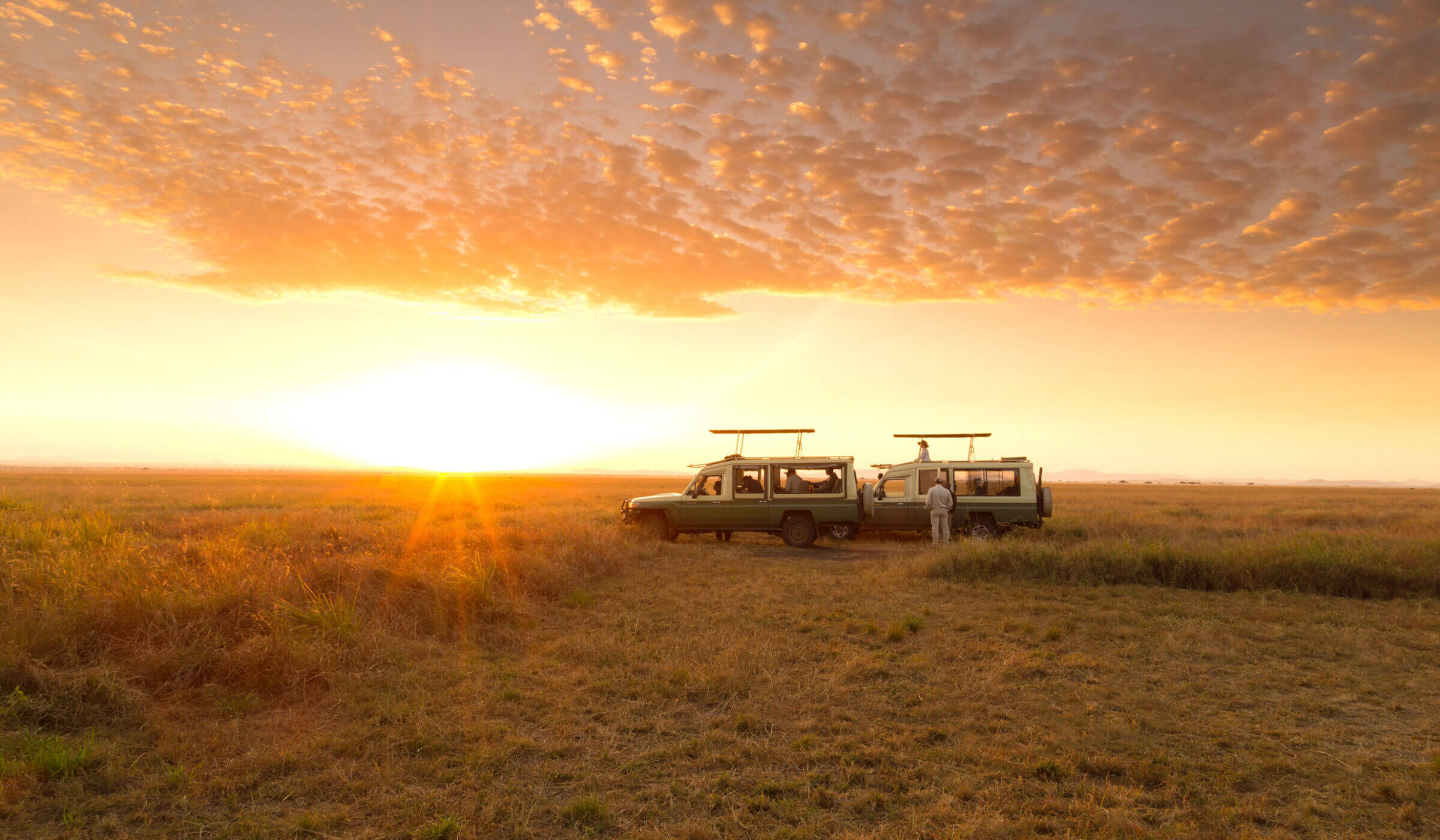
What surprises most visitors is how calm, predictable, and controlled wildlife encounters actually are. Safari animals do not view vehicles as prey or threats. After decades of coexistence, they treat safari vehicles as neutral parts of the landscape. Encounters happen on the animals’ terms, guided by experienced professionals.
Safari guides understand animal behavior intimately. They read subtle signals, know when to stop or move away, and position vehicles carefully. Visitors are always inside vehicles or within protected lodge environments, and rules are clearly explained and enforced. For most travelers, the fear of wildlife is strongest before arrival and weakest after the first game drive. What replaces fear is fascination, respect, and awe.
Fear of Health and Illness
Concerns about health, malaria, food safety, and medical access are common before arrival, particularly for travelers unfamiliar with tropical regions. Questions about hospitals, medication, and hygiene often surface late at night during trip preparation.
Tanzania’s safari circuit is well equipped for international travelers. Lodges and camps maintain high hygiene standards, meals are freshly prepared, and bottled or filtered water is standard practice. Guides are trained in first aid, and established emergency evacuation systems exist throughout safari regions.
Most health risks are easily managed through preparation rather than fear. Vaccinations, malaria prevention, hydration, sun protection, and common-sense precautions go a long way. Many travelers later realize that the fear of illness was far greater than the actual risk they encountered.
Fear of the Unknown: “What If I Don’t Know What to Do?”
Uncertainty is a powerful source of anxiety. Travelers often worry about airport arrivals, visa procedures, tipping customs, cultural expectations, and what daily safari life will actually look like. The fear is not danger it is unfamiliarity.
This concern fades quickly because safari travel is intentionally guided and intuitive. From airport pickup to lodge arrival, processes are explained clearly and patiently. Staff are accustomed to first-time visitors and anticipate questions before they arise.
Daily routines on safari follow a gentle rhythm that creates comfort. Morning game drives, relaxed meals, afternoon rest, and evening activities bring structure without pressure. Even travelers who describe themselves as anxious often say they felt calm and grounded within their first full day.
Fear of Discomfort: “Will I Be Comfortable Enough?”
Some travelers fear that safaris will be physically uncomfortable, overly rustic, or exhausting. Images of basic camping and rough conditions can linger, particularly for older travelers, families, or those new to adventure travel.
In reality, safari accommodation in Tanzania ranges from well-appointed lodges to luxurious tented camps that rival five-star hotels. Comfortable beds, private bathrooms, hot showers, excellent cuisine, and attentive service are standard rather than exceptional.
Even mobile camps are designed with comfort and safety in mind. The fear of discomfort often comes from outdated assumptions, not from the modern safari experience most travelers encounter today.
Fear of Long Drives and Travel Fatigue
Concerns about long distances, bumpy roads, and physical exhaustion are common, especially among multigenerational travelers or those unfamiliar with safari logistics.
While safari days can involve extended drives, they are deliberately paced. Vehicles are designed for comfort and visibility, guides stop frequently, and schedules are adapted to guest energy levels. No one is expected to endure unnecessary discomfort.
Most travelers discover that time passes quickly on safari drives because wildlife sightings, landscapes, and conversation constantly engage attention. Fatigue is far less than anticipated, and rest periods are naturally built into each day.
Fear of Cultural Misunderstanding
Travelers often worry about offending local customs, saying the wrong thing, or feeling out of place in a different culture. This fear is rooted in respect but amplified by unfamiliarity.
Tanzanian culture is widely known for warmth, politeness, and hospitality. Guides serve as cultural bridges, explaining customs, language basics, and etiquette in an approachable way. Visitors are never expected to navigate cultural interactions alone.
What travelers fear as awkward often becomes one of the most enriching parts of the journey. Cultural exchanges tend to be gentle, human, and deeply memorable.
Fear of Regret: “What If This Isn’t Worth It?”
Perhaps the deepest fear before arrival is the fear of regret. Safaris are often once-in-a-lifetime experiences involving significant emotional and financial investment, which raises internal pressure to “get it right.”
Interestingly, safari regret is extremely rare. What travelers most often regret is not staying longer, not exploring more, or not returning sooner. Once immersed in the experience, doubts fade rapidly.
This fear usually disappears during the first sunrise game drive, when anticipation turns into presence and imagination is replaced by reality.
Why These Fears Feel So Strong Before Arrival
Fear thrives in imagination. Before arrival, travelers rely on secondhand stories, assumptions, and unfamiliar images. Once on the ground, real experiences replace imagined scenarios almost immediately.
Safari travel is immersive but structured, adventurous but controlled, wild yet deeply human. This balance is what surprises travelers most and explains why fears dissolve so quickly.
How to Mentally Prepare Before Arrival
Understanding that fear is part of anticipation not a warning sign helps travelers reframe their emotions. Asking questions, reading reliable sources, and choosing experienced safari operators build confidence well before departure.
The goal is not to eliminate fear completely, but to arrive informed rather than fearful. When preparation replaces uncertainty, excitement naturally takes its place.
Fear Is the Doorway to Wonder
Every meaningful journey begins with uncertainty. The fears travelers carry before arrival are not signs of danger they are signs of stepping into something new and significant.
On safari, fear transforms into perspective. What once felt intimidating becomes grounding, what felt unfamiliar becomes welcoming, and what felt risky becomes deeply rewarding.
Most travelers leave Tanzania not asking whether it was safe, but wondering how a place so wild could feel so profoundly peaceful.
Frequently Asked Questions About Common Fears Before Arrival
Yes, pre-arrival anxiety is extremely common. Even experienced travelers feel nervous before unfamiliar journeys. This anxiety usually fades quickly once travel begins.
Yes. Many travelers report feeling more secure on safari than in everyday urban environments due to structure, professionalism, and clear routines.
Fear of wildlife encounters is most often cited as unnecessary. Animals behave predictably, and guides manage situations carefully.
For most travelers, fears fade within the first day, often after the first game drive or lodge experience.
No. Fear often signals personal growth and meaningful experiences ahead. Many transformative journeys begin with hesitation.
Accurate information, experienced operators, realistic expectations, and conversations with past travelers all help ease anxiety.
Regret is extremely rare. Most travelers wish they had stayed longer or returned sooner.
RELATED BLOGS
Exploring Africa’s Iconic Experience in Tanzania
Explore Astro
Our Dream Vacation
Day Trips (Short Safari)
Top Experiences