

Based on Tripadvisor reviews

Based on Tripadvisor reviews
Based on Tripadvisor reviews



The Question Every Safari Dreamer Asks
A Tanzania safari is often described as a once-in-a-lifetime experience—but it also comes with a price tag that makes many travelers pause. As soon as people begin researching, one question rises above all others: is a Tanzania safari really worth the money?
This is not just a financial question. It’s an emotional one. A safari represents savings, expectations, and dreams built over years. Travelers want to know whether the experience truly delivers value, meaning, and memories that justify the cost.
The short answer, for most travelers, is yes. But the long answer is more nuanced—and more useful. This article breaks down what you are actually paying for, what you gain in return, and why Tanzania continues to rank among the world’s most rewarding safari destinations.
Understanding the Cost of a Tanzania Safari
Before deciding whether something is worth the money, it helps to understand why it costs what it does. Tanzania safari prices reflect a combination of conservation, logistics, expertise, and exclusivity.
National park fees are a major component. Parks such as Serengeti, Ngorongoro, Tarangire, and Lake Manyara charge daily conservation fees that fund wildlife protection, ranger salaries, anti-poaching operations, and habitat preservation. These fees are not add-ons; they are the backbone of sustainable tourism.
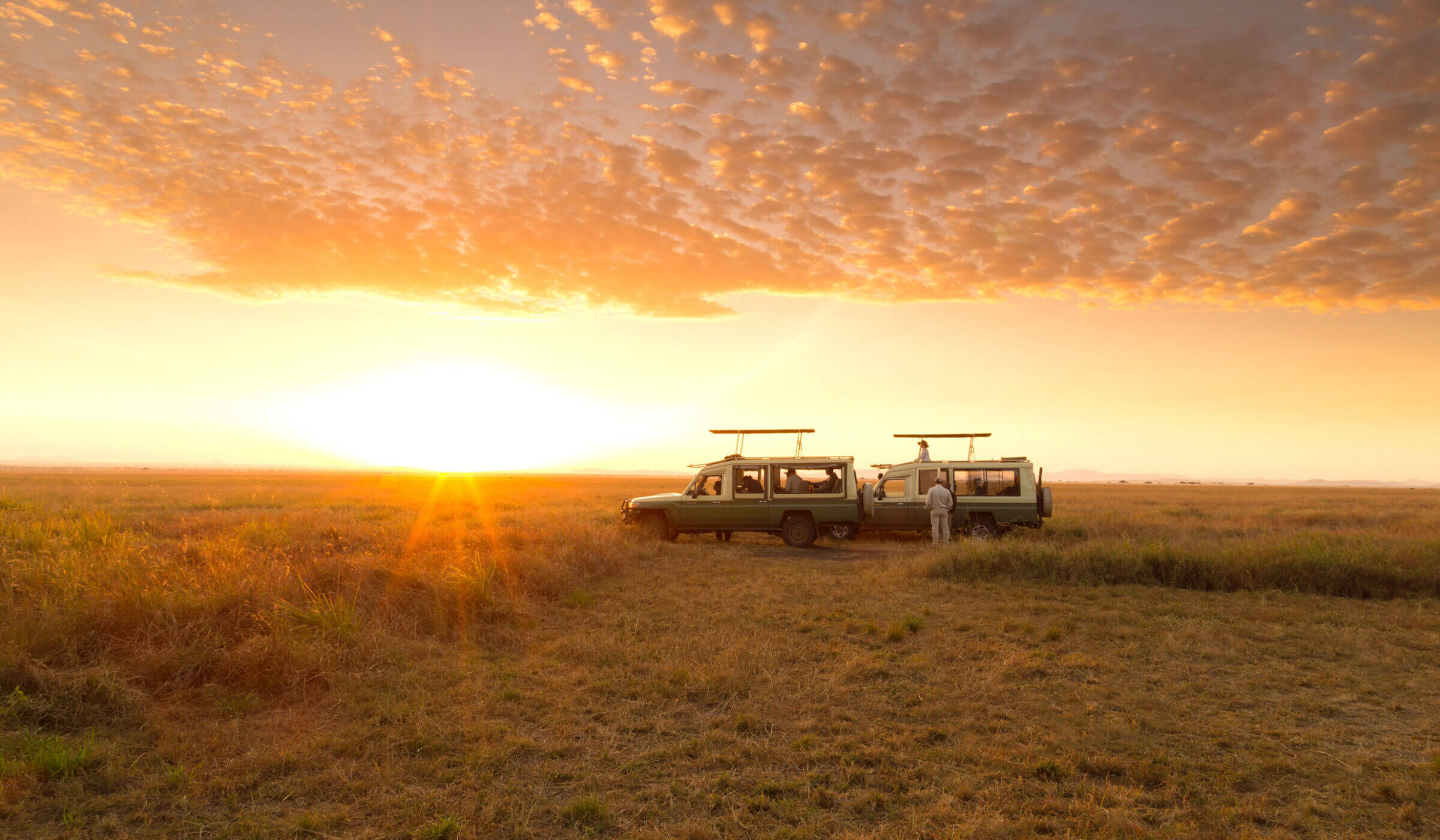
Beyond park fees, safaris require specialized vehicles, trained guides, fuel for long distances, maintenance in remote conditions, and carefully planned itineraries. Lodges and camps operate far from urban centers, meaning everything from food to electricity must be transported and managed independently.
When travelers see safari costs in context, it becomes clear that they are not paying for luxury alone. They are investing in access to protected wilderness that few places on Earth can offer.
What Makes Tanzania Different from Other Safari Destinations
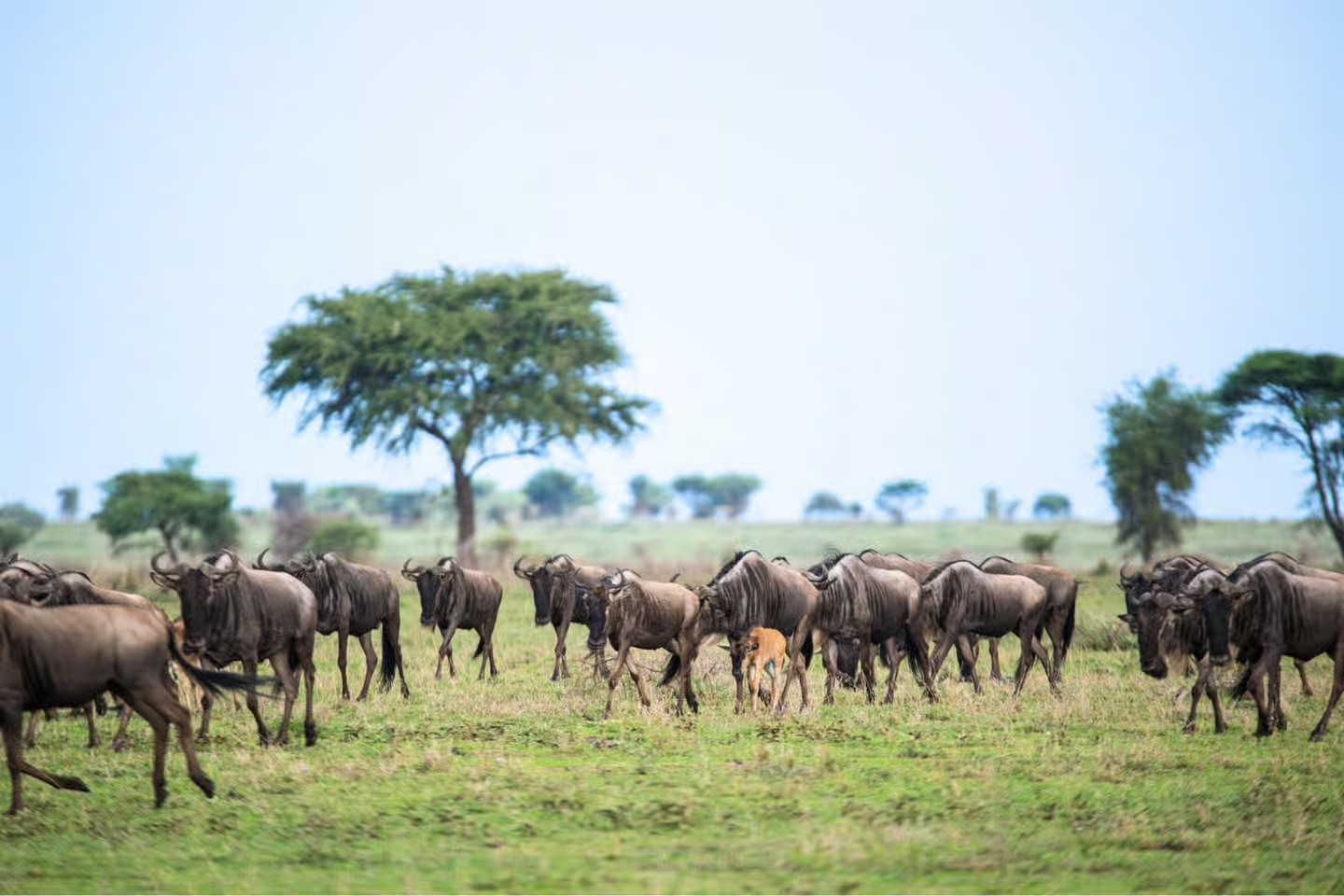
Not all safaris are created equal. Tanzania stands out because of the sheer scale and diversity of its wildlife experiences. The Serengeti alone spans thousands of square kilometers and hosts the Great Wildebeest Migration, one of the most dramatic natural events on the planet.
Ngorongoro Crater offers a unique, concentrated wildlife experience found nowhere else. Tarangire is known for massive elephant herds, while Lake Manyara adds forests, birdlife, and dramatic scenery.
Tanzania’s parks are vast, uncrowded, and largely unfenced, allowing animals to move naturally. This sense of openness and authenticity is a key reason travelers feel Tanzania safaris deliver exceptional value compared to more commercialized destinations.
The Value of Expert Safari Guides
One of the most overlooked aspects of safari value is the guide. A great safari guide transforms sightings into stories, landscapes into ecosystems, and moments into understanding.
Tanzanian safari guides undergo years of training. They study animal behavior, tracking, ecology, bird identification, and guest safety. Their ability to read the land and anticipate wildlife movement is what turns a drive into an unforgettable experience.
When travelers say a safari changed how they see the world, it’s often because of a guide who brought the environment to life. That level of expertise is part of what you are paying for and it’s something money can’t easily replicate elsewhere.
Wildlife Encounters You Cannot Put a Price On
Seeing wildlife in the wild is fundamentally different from seeing animals in zoos or documentaries. On safari, nothing is guaranteed, yet everything feels real.
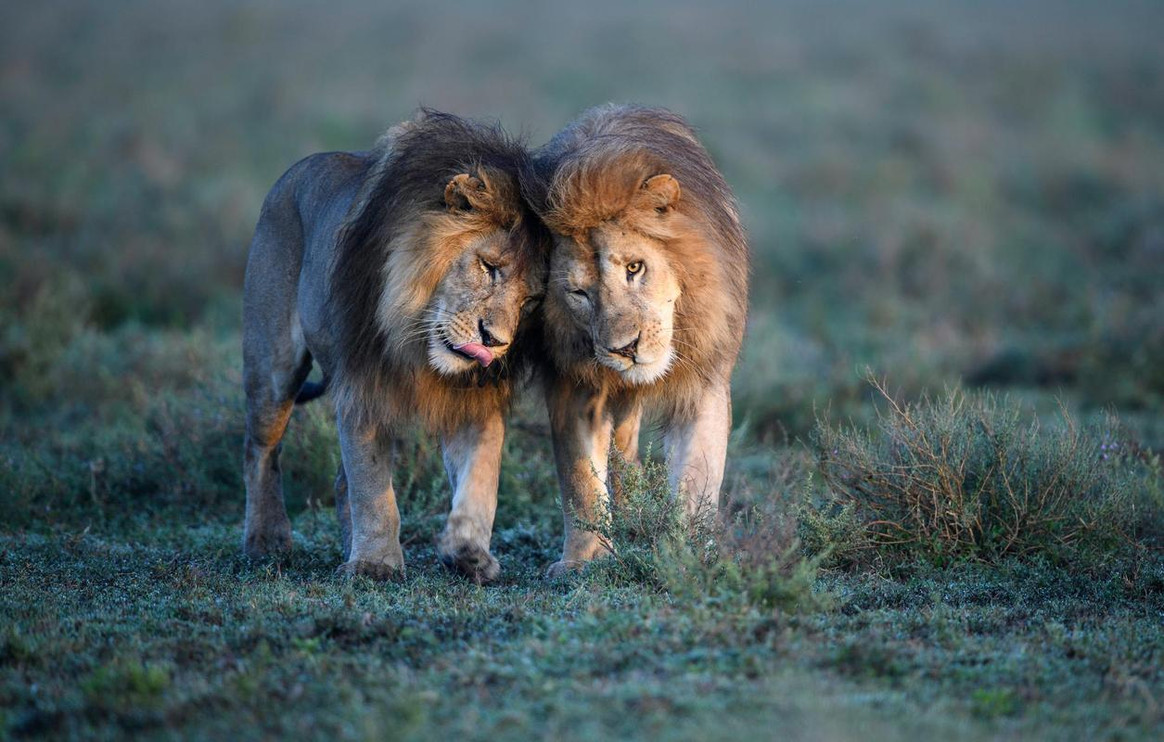
Watching a pride of lions wake at dawn, seeing elephants cross a river at sunset, or witnessing the tension of a hunt during the Great Migration creates a visceral connection that photos and videos cannot capture.
These encounters are not staged. They happen on nature’s terms. That unpredictability is what makes them so powerful and why travelers often describe safaris as life-changing rather than simply enjoyable.
Is a Tanzania Safari Luxury or Adventure?
One misconception is that Tanzania safaris are purely luxury experiences. In reality, safaris blend comfort with adventure in a way few trips do.
Yes, many lodges offer beautiful rooms, excellent food, and attentive service. But these comforts exist to support the experience, not replace it. You are still waking before dawn, traveling on dirt roads, and spending hours immersed in nature.
This balance allows travelers to enjoy wilderness without sacrificing well-being. For many, that combination is exactly what makes a safari worth the investment.
Comparing a Safari to Other Types of Travel
Travelers often compare safari costs to beach holidays, city breaks, or cruises. On paper, a safari may appear more expensive per day. But the comparison misses an important point.
Safaris include guiding, transportation, accommodation, meals, park access, and often flights between regions. Many other trips charge these elements separately. When viewed holistically, the value proposition becomes clearer.
More importantly, safaris offer experiences that cannot be repeated or replicated. You may visit another city or beach many times, but each safari is entirely unique.
The Emotional Return on Investment
Value is not just financial. It’s emotional. Many travelers say their safari was the most meaningful trip they have ever taken.
Being disconnected from screens, surrounded by nature, and immersed in a slower rhythm often leads to reflection and perspective. Couples reconnect. Families bond. Solo travelers gain confidence and clarity.
Years later, people remember specific safari moments with surprising clarity. That lasting impact is a powerful measure of value.
Budget, Mid-Range, and Luxury Safaris: Is Worth Dependent on Price?
A safari does not have to be ultra-luxury to be worth the money. Tanzania offers a range of safari styles, from budget camping to high-end lodges.
What matters most is not the price point, but how well the safari is planned. A thoughtfully designed mid-range safari with a great guide can be far more rewarding than an expensive trip with poor logistics.
Travelers who focus on wildlife-rich areas, experienced operators, and realistic itineraries tend to feel satisfied regardless of budget.
Common Regrets and How to Avoid Them
Tea estates employ many local residents, and tours increasingly highlight labor standards, education initiatives, and environmental stewardship. Travelers learn how estates manage water, reduce chemical inputs, and protect surrounding forests.
Community-focused experiences may include school visits or village walks that contextualize tea within daily life. These encounters underscore how agriculture supports regional stability and conservation key themes for responsible travel.
Who Might Feel a Safari Is Not Worth It
While most travelers find a Tanzania safari worth the cost, it’s not for everyone. Those who prefer constant entertainment, nightlife, or tightly scheduled activities may find safari pacing slow.
Similarly, travelers seeking bargain travel may struggle with conservation fees and remote logistics. Understanding personal travel style is essential before committing.
Why So Many Travelers Say “I’d Do It Again”
Repeat visitors are one of the strongest indicators of value. Tanzania attracts travelers who return multiple times, often exploring different regions or seasons.
The landscape changes, wildlife behavior evolves, and each visit feels new. This repeat appeal speaks volumes about the long-term value of a safari experience.
Is a Tanzania Safari Worth the Money?
For most travelers, the answer is a resounding yes. A Tanzania safari offers rare access to some of the world’s last great wilderness areas, guided by experts and supported by conservation systems that protect wildlife for future generations.
You are not just paying for a trip. You are investing in memories, perspective, and experiences that stay with you long after you return home. In a world filled with fleeting experiences, a Tanzania safari stands out as something enduring and that is why so many travelers say it was worth every penny.
Frequently Asked Questions About Is a Tanzania Safari Worth the Money?
Safari costs reflect conservation fees, expert guides, remote logistics, and sustainable operations. Much of the cost directly supports wildlife protection and local communities.
Many travelers believe so due to Tanzania’s vast parks, diverse wildlife, and iconic experiences like the Great Migration and Ngorongoro Crater.
Yes. A well-planned budget or mid-range safari with a knowledgeable guide can be deeply rewarding and offer excellent value.
Most travelers find that 7 to 10 days allows enough time to settle into the safari rhythm and experience multiple ecosystems without rushing.
Absolutely. Tanzania is one of the best introductions to African safaris due to its wildlife density, infrastructure, and guiding standards.
The most common regret is not staying longer or not allowing enough time in one location.
Yes. Safaris leave a lasting impression. Many travelers recall specific moments and emotions long after the trip ends.
RELATED BLOGS
Exploring Africa’s Iconic Experience in Tanzania
Explore Astro
Our Dream Vacation
Day Trips (Short Safari)
Top Experiences