

Based on Tripadvisor reviews

Based on Tripadvisor reviews
Based on Tripadvisor reviews




Why Safety Feels Different When You Travel Alone or as a Couple
Traveling solo or as a couple is one of the most rewarding ways to explore the world. It offers freedom, intimacy, and a deeper connection to destinations and experiences. Yet it also raises important safety questions. Without the buffer of a group, travelers often feel more exposed, more responsible for decisions, and more aware of potential risks.
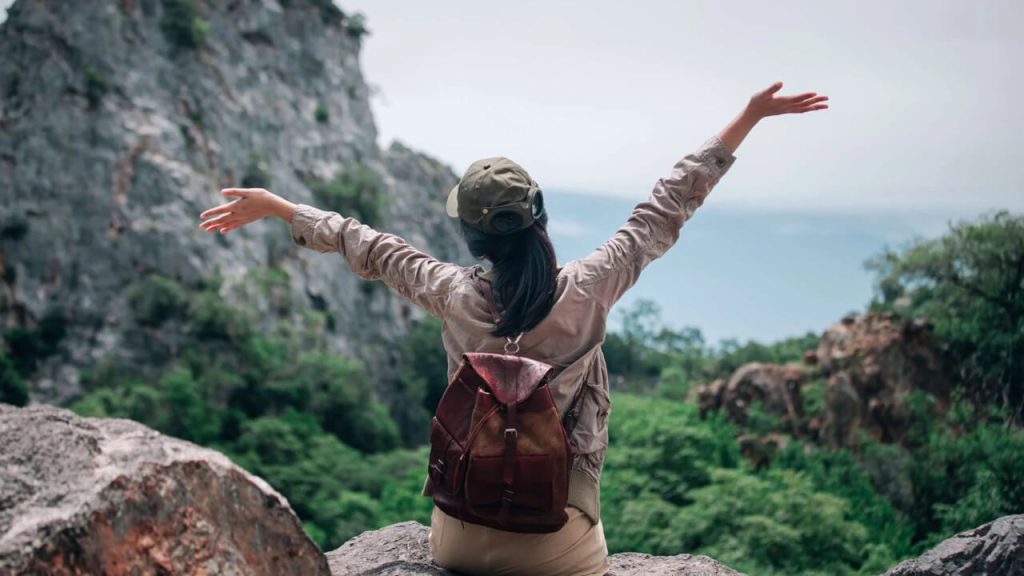
For solo travelers, safety concerns often revolve around vulnerability, isolation, and navigating unfamiliar environments alone. For couples, worries may focus on shared responsibility, health emergencies, or navigating remote destinations together. These concerns are completely normal and, importantly, manageable.
Whether you are planning a safari, an overland journey, or a remote escape, understanding how safety actually works for solo travelers and couples can transform anxiety into confidence. This guide explains the realities of safety, dispels common myths, and offers grounded insight so you can travel independently without fear.
Is Solo and Couple Travel Actually Safe?
The idea that solo travelers or couples are inherently unsafe is one of the most persistent myths in travel culture. In reality, millions of people travel alone or as pairs every year without incident, including in destinations that are perceived as adventurous or remote.
Safety is less about the number of people you travel with and more about awareness, preparation, and structure. Solo travelers often become more observant, more cautious, and more adaptable, which actually enhances safety. Couples benefit from shared decision-making and mutual support, which can reduce stress and risk.
In safari destinations such as Tanzania, Kenya, or Namibia, solo travelers and couples often feel especially secure because travel is guided, regulated, and supported by professional systems designed for visitor safety.
Why Safari Destinations Are Surprisingly Safe for Solo Travelers and Couples
Safari destinations operate very differently from typical tourist cities. National parks, reserves, and lodges are controlled environments where movement, activities, and timing are structured. This structure significantly reduces risk.
Guides, drivers, and lodge staff are trained not only in wildlife behavior but also in guest care and safety. Permits regulate who enters parks, where vehicles go, and where people stay overnight. Camps and lodges operate under strict safety protocols, including ranger oversight and emergency procedures.
For solo travelers and couples, this means you are rarely “on your own” in the way people imagine. Support systems exist even when you feel immersed in wilderness.
Solo Travelers: Understanding Real vs Imagined Risks
Solo travelers often fear being targeted, getting lost, or facing emergencies without help. While these fears are understandable, they are often based on imagined scenarios rather than real patterns.
In practice, solo travelers tend to move more deliberately. They ask more questions, pay closer attention to instructions, and avoid unnecessary risks. This heightened awareness often makes solo travelers safer than those traveling in groups who may feel overconfident.
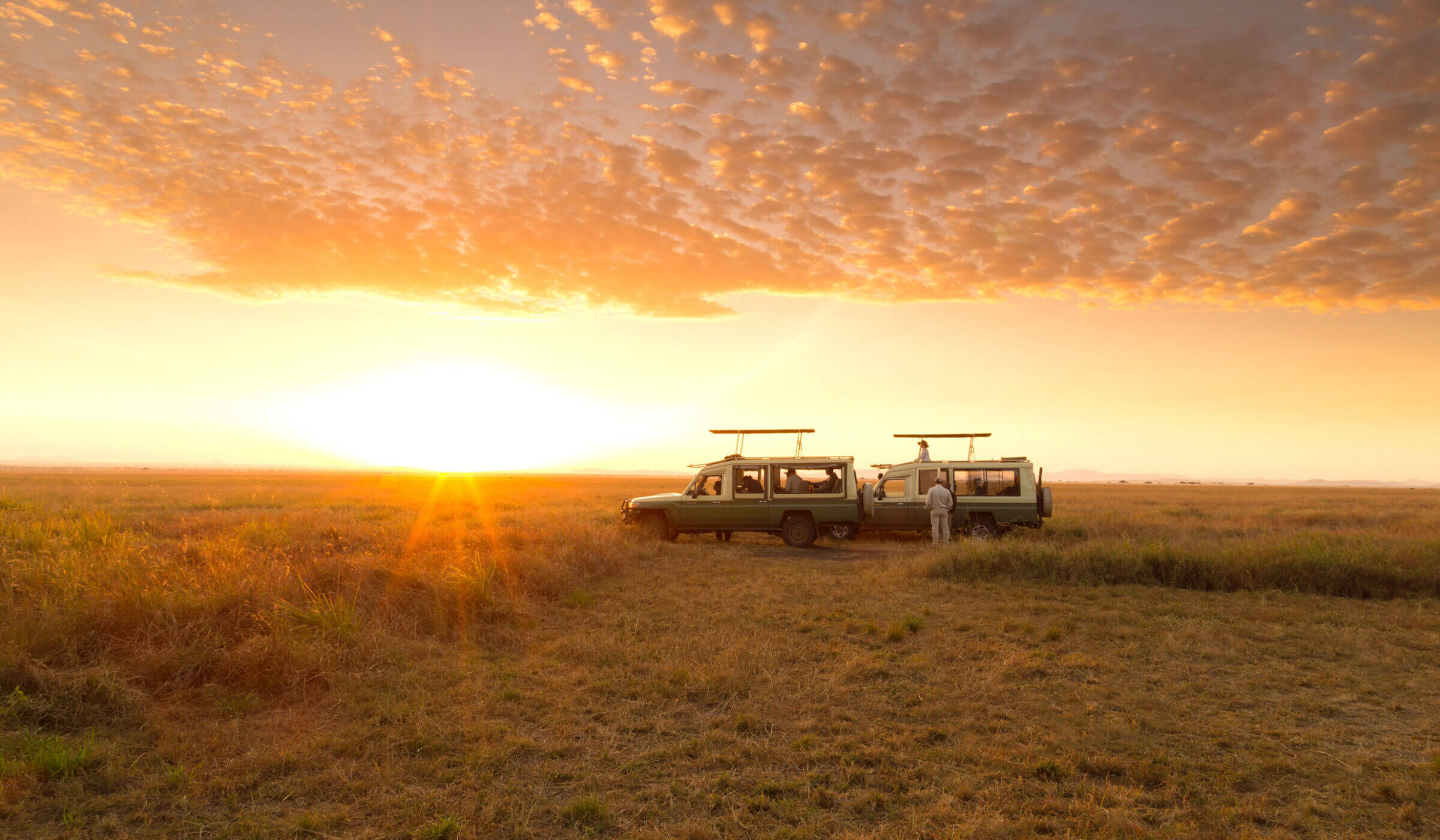
In safari contexts, solo travelers are usually paired with professional guides or placed in shared safari vehicles, which eliminates isolation. Lodges are social environments where staff and guests interact naturally, reducing feelings of vulnerability.
Couples Safety: Traveling Together Without Added Risk
Couples sometimes worry that traveling together increases responsibility or pressure, especially in remote destinations. In reality, couples often experience increased safety due to shared awareness and communication.
Traveling as a couple allows for mutual observation, discussion of decisions, and emotional support. One person may notice details the other misses, creating a balanced approach to safety.
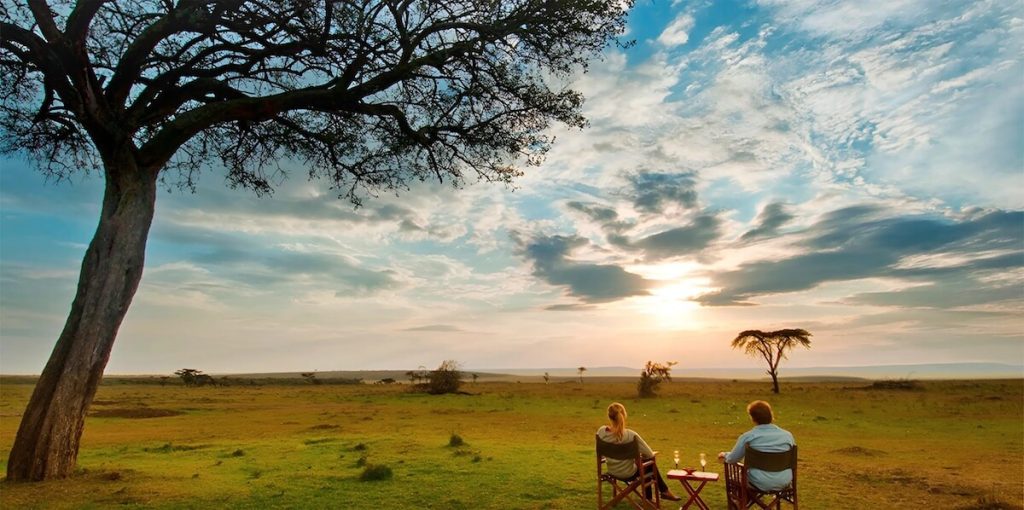
In safari travel, couples benefit from private vehicles, flexible schedules, and accommodations designed for privacy and comfort. Rather than increasing risk, traveling as a couple often creates a more grounded and secure travel experience.
Accommodation Safety for Solo Travelers and Couples
Accommodation choice plays a significant role in travel safety. In safari regions, lodges and camps are designed with safety as a priority.
Rooms and tents are positioned strategically, often elevated or set back from wildlife corridors. Staff escort guests after dark, maintain night watch systems, and communicate via radio. Doors and tents are secure, and clear instructions are given upon arrival.
For solo travelers, staying in reputable lodges provides community and oversight. For couples, accommodations offer privacy without isolation. In both cases, accommodation safety is far higher than many travelers expect before arrival.
Transportation and Movement Safety
Transportation is another common concern, particularly for solo travelers. In safari destinations, transportation is usually arranged and driven by trained professionals familiar with routes, conditions, and wildlife behavior.
Self-drive travel is possible in some regions, but guided travel remains the safest option for most solo travelers and couples. Guides manage navigation, road conditions, and timing, reducing exposure to risk.
Even in cities, using hotel-arranged transfers or reputable transport services significantly improves safety and ease of movement.
Health and Emergency Preparedness
Health safety is often more important than personal security. Solo travelers worry about facing illness alone, while couples worry about caring for each other in emergencies.
Safari destinations are well prepared for medical situations. Lodges and guides follow emergency protocols, and evacuation systems are in place. Travel insurance with medical evacuation coverage is strongly recommended for all travelers, especially those traveling independently.
Most health issues are preventable with preparation, hydration, sun protection, and basic awareness. Knowing that systems exist to support you provides peace of mind.
Personal Awareness Without Fear
One of the most important safety skills for solo travelers and couples is balanced awareness. This means staying observant without becoming anxious, and prepared without becoming fearful.
Following instructions, respecting local customs, and trusting professional guidance goes a long way. Most safety issues arise not from external threats but from ignoring advice or pushing beyond reasonable limits. Traveling confidently does not mean being fearless. It means being informed, calm, and responsive.
Why Solo and Couple Travelers Often Feel Empowered After the Trip
Many solo travelers and couples report that their biggest surprise was how safe they felt once traveling. The experience often builds confidence, independence, and trust in their own judgment.
Safari travel, in particular, creates a sense of grounded presence. Being surrounded by nature, guided by professionals, and removed from daily stress helps travelers reconnect with intuition rather than fear.
This empowerment often extends beyond travel, influencing how people approach challenges back home.
Safety Is a Skill, Not a Barrier
Solo and couples travel is not inherently dangerous. In many cases, it is more intentional, more mindful, and more secure than group travel.
With the right preparation, reliable operators, and realistic expectations, solo travelers and couples can explore even remote safari destinations with confidence and peace of mind. Safety should never stop you from traveling. Instead, it should guide how you travel thoughtfully, respectfully, and fully present.
Frequently Asked Questions About Solo Travelers & Couples Safety
Yes. Safari destinations are highly regulated and guided, making them especially safe for solo travelers. Professional guides, structured activities, and controlled environments reduce risk significantly.
Both can be equally safe. Couples benefit from shared awareness and support, while solo travelers often compensate with heightened attention and caution.
Yes. Lodges and camps prioritize guest safety through secure layouts, staff escorts, night patrols, and clear instructions. Solo guests are common and well supported.
Ignoring local advice or trying to operate independently in unfamiliar environments. Listening to guides and staff is key to staying safe.
In safari environments, solo female travelers are generally very safe due to professional oversight and structured travel. Choosing reputable operators further reduces risk.
Self-drive can be safe for experienced travelers, but guided safaris are recommended for first-time visitors or those traveling alone.
Most solo travelers feel supported rather than isolated. Lodges are social spaces, and staff interactions create a sense of community and security.
RELATED BLOGS
Exploring Africa’s Iconic Experience in Tanzania
Explore Astro
Our Dream Vacation
Day Trips (Short Safari)
Top Experiences