
- About Us
- Blogs
- Terms And Conditions

Based on Tripadvisor reviews
Based on Tripadvisor reviews
- About Us
- Blogs

Food Safety on a Tanzania Safari, What Travelers Need to Know
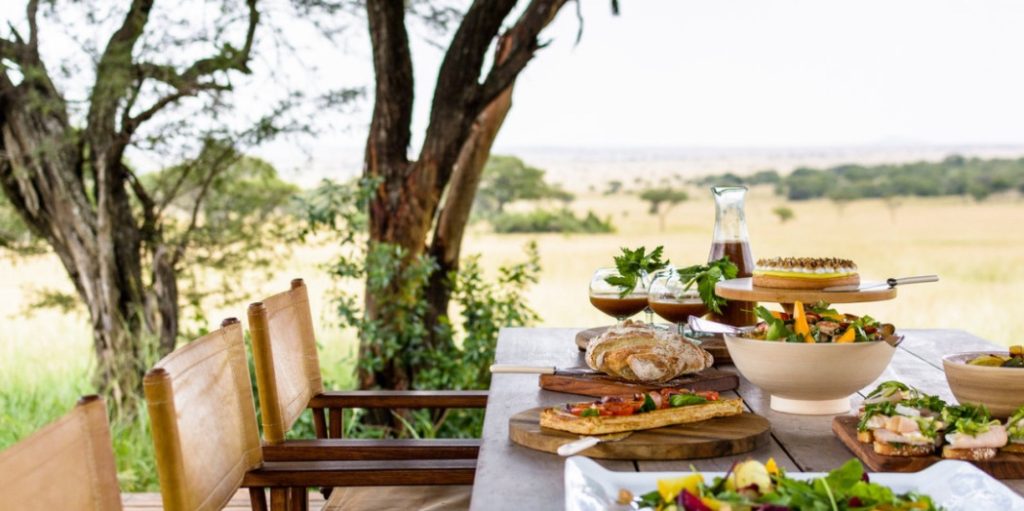
Enjoying Tanzania’s Cuisine Without Worry
A safari in Tanzania is an unforgettable journey through wildlife-rich landscapes, luxury lodges, and remote wilderness. Alongside game drives and dramatic scenery, food plays an important role in the overall safari experience. Many travelers, however, arrive with concerns about food safety on a Tanzania safari, wondering whether meals are safe, how water is handled, and what precautions they should take.
The good news is that food safety standards on Tanzania safaris are generally very high, especially in reputable lodges and camps that cater to international travelers. Most safari-related stomach issues are preventable with basic awareness rather than strict avoidance. Understanding how food is sourced, prepared, and served on safari allows travelers to relax and fully enjoy the culinary side of their adventure.
This in-depth guide explores food safety in Tanzania safari settings, from lodge kitchens and bush meals to fresh produce, water use, special diets, and common misconceptions. With the right information, eating on safari becomes a pleasure rather than a concern.
Understanding Food Safety in the Tanzania Safari Context
Food safety in Tanzania varies by setting. What travelers experience on safari is very different from casual street dining in busy cities. Safari lodges and camps operate in remote areas, yet they maintain strict hygiene protocols because guest health is critical to their reputation and operations.
Most safari kitchens are staffed by professionally trained chefs who understand international food safety standards. Supplies are carefully sourced, stored, and prepared under controlled conditions. Refrigeration, clean water systems, and regular inspections are standard in well-established camps.
Health issues related to food are far more likely to arise from dehydration or unfamiliar eating patterns than from poor hygiene in safari lodges.
How Safari Lodges Maintain Food Hygiene
Safari lodges operate like small, self-contained ecosystems. Because they are far from hospitals, prevention is essential. Kitchens follow strict procedures for food handling, including frequent handwashing, sanitized preparation surfaces, and controlled cooking temperatures.
Fresh ingredients are delivered on scheduled supply runs, and perishables are stored in refrigeration or cold rooms. Meat and dairy products are carefully monitored, and meals are typically cooked fresh rather than reheated multiple times.
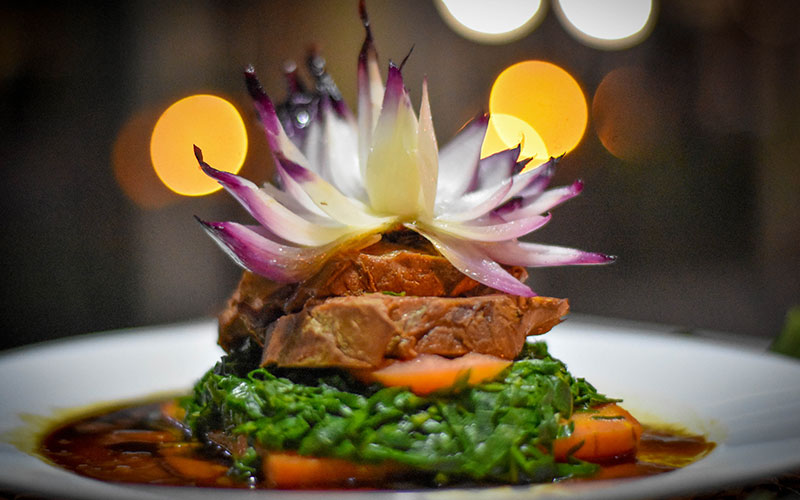
Guests often notice that safari meals feel both hearty and refined, reflecting the effort lodges put into quality and safety. Many camps exceed urban restaurant standards due to the remote nature of their operations.
Drinking Water Safety on Safari
Water safety is one of the most important aspects of food safety on a Tanzania safari. Travelers should not drink untreated tap water. Instead, safari lodges provide bottled water or filtered and purified water that is safe for drinking and brushing teeth.
High-end lodges often use advanced filtration systems that produce clean, mineral-balanced water on-site. This reduces plastic waste while ensuring safety. Guests are advised to use lodge-provided water for all consumption, including taking medication and brushing teeth.
Ice served in safari lodges is typically made from purified water, but travelers can always ask staff if they are unsure. Staying hydrated with safe water is one of the most effective ways to prevent discomfort on safari.
Fresh Produce, Fruits, and Salads: What to Expect
One of the most common traveler concerns involves raw fruits and vegetables. In safari lodges, produce is washed with purified water and often treated with food-safe disinfectants before preparation.
Fruits that are peeled before eating, such as bananas, oranges, and avocados, are particularly safe. Salads served in reputable lodges are generally safe as well, as they are prepared under strict hygiene standards.
Travelers who are particularly sensitive may choose to favor cooked vegetables during the first days of travel, but there is no need for excessive restriction in safari environments.
Meat, Fish, and Dairy on Safari
Meat dishes are a highlight of safari cuisine, often grilled or slow-cooked to ensure proper temperatures. Beef, chicken, and game meats are thoroughly cooked, reducing any risk of foodborne illness.
Fish is commonly served near lakes or coastal areas and is prepared fresh. Dairy products used in lodges are usually pasteurized and sourced from trusted suppliers. Milk served with tea or coffee in lodges is safe for consumption.
Avoiding undercooked meat is a sensible rule anywhere in the world, but safari kitchens rarely serve food that poses a risk.
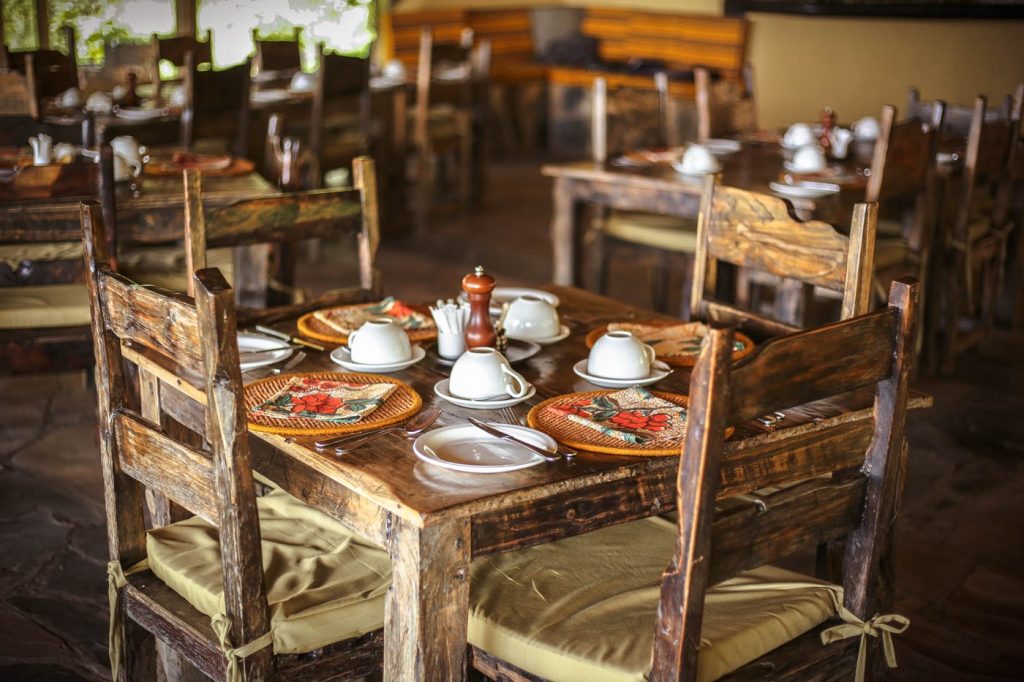
Bush Meals and Picnic Lunches
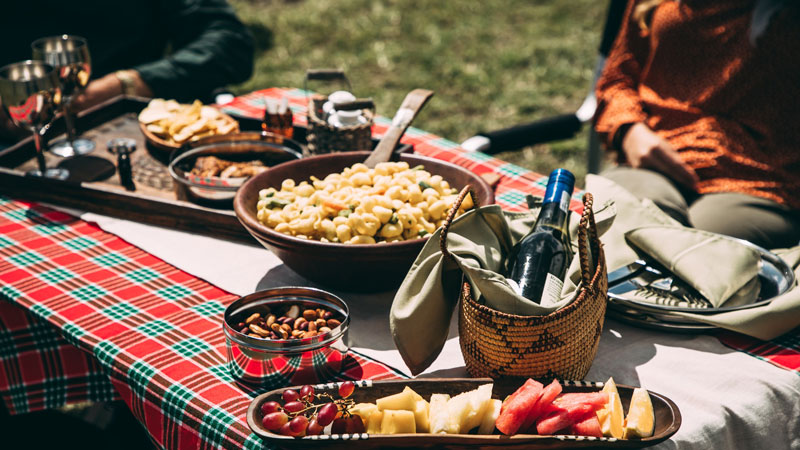
Bush breakfasts and picnic lunches are memorable safari experiences, often enjoyed in scenic locations surrounded by wildlife. Food for these meals is prepared in lodge kitchens and transported in insulated containers to maintain safe temperatures.
Utensils, tables, and serving areas are cleaned and set up with care. Guides and staff follow hygiene practices even in outdoor settings. While the setting may feel rustic, food safety standards remain consistent.
Travelers should wash or sanitize hands before eating and drink only the water provided by their guide.
Street Food vs. Safari Dining
Some travelers spend time in cities like Arusha or Moshi before or after safari. Street food in Tanzania can be delicious, but it requires more caution than lodge dining.
Safari food safety advice does not automatically apply to informal street settings. Travelers who wish to try local street food should choose busy stalls where food is freshly cooked and served hot. However, those with sensitive stomachs may prefer restaurants recommended by guides or hotels.
On safari itself, street food is not part of the experience, and food safety risks are significantly lower.
Special Dietary Requirements on Safari
Safari lodges are accustomed to accommodating dietary needs, including vegetarian, vegan, gluten-free, lactose-free, and allergy-specific diets. Guests are encouraged to communicate requirements in advance so kitchens can prepare accordingly.
Food safety for special diets is taken seriously, and cross-contamination is carefully managed. Travelers with severe allergies should carry medication and inform guides and lodge staff upon arrival.
Clear communication ensures both safety and enjoyment.
Food Safety for Children and Seniors
Families and older travelers often have heightened concerns about food safety. Safari lodges regularly host multigenerational guests and adapt meals accordingly.
Children’s meals are simple, well-cooked, and familiar, while seniors may request lighter portions or specific dietary adjustments. Clean water, safe food preparation, and attentive service make safaris suitable for all ages when planned properly.
Common Causes of Stomach Upset on Safari
When stomach discomfort occurs on safari, it is often due to factors unrelated to food safety. Changes in routine, dehydration, long travel days, and altered meal times can affect digestion.
Eating smaller portions, staying hydrated, and allowing the body time to adjust helps prevent discomfort. Alcohol consumption should be moderate, especially in hot climates.
Understanding these factors prevents unnecessary worry about food quality.
Food Safety Myths About Tanzania Safaris
A common myth is that travelers must avoid fresh food entirely on safari. In reality, safari lodges pride themselves on fresh, well-prepared meals.
Another misconception is that African destinations inherently have poor food hygiene. Tanzania’s safari industry is internationally regulated and deeply invested in guest wellbeing.
Replacing myths with knowledge allows travelers to enjoy meals with confidence.
Practical Food Safety Tips for Safari Travelers
While safari lodges handle most food safety concerns, travelers play a role too. Washing hands before meals, drinking only provided water, and listening to guide advice are simple but effective practices.
Carrying hand sanitizer and staying mindful during transit days enhances comfort without restricting enjoyment.
Eating Well and Safely on a Tanzania Safari
Food safety on a Tanzania safari is far less daunting than many travelers expect. Reputable lodges, trained staff, purified water systems, and thoughtful preparation ensure meals are safe, nourishing, and enjoyable.
With basic awareness and sensible habits, travelers can confidently embrace Tanzania’s safari cuisine, from bush breakfasts to elegant lodge dinners. When food safety is understood, meals become another highlight of the safari rather than a source of concern.
Frequently Asked Questions Tanzania Safari Health Concerns
Is food safe to eat at Tanzania safari lodges?
Yes, food at reputable Tanzania safari lodges is generally very safe. Safari lodges depend heavily on guest wellbeing and operate under strict hygiene standards because they are often located far from medical facilities. Kitchens are staffed by professionally trained chefs who follow international food safety practices, including proper refrigeration, temperature control, and sanitation.
Ingredients are sourced carefully, meals are prepared fresh, and kitchens are regularly inspected. For most travelers, food safety at safari lodges is equal to or better than what they might expect in many urban restaurants around the world.
Can I drink the water at safari camps and lodges?
You should not drink untreated tap water in Tanzania, but safari camps and lodges provide safe alternatives at all times. This includes bottled water or purified and filtered water produced on-site using advanced systems.
This water is safe for drinking, brushing teeth, and taking medication. Many lodges also use purified water to make ice. Guests are advised to use only lodge-provided water, but when this guidance is followed, water-related illness is extremely rare on safari.
Are salads and fresh fruits safe to eat on safari?
In safari lodges, salads and fresh fruits are generally safe because they are washed using purified water and food-safe disinfectants. Lodges understand that raw produce can be a concern for travelers and take extra precautions during preparation.
Fruits that are peeled before eating, such as bananas, mangoes, and oranges, are particularly low risk. Travelers with sensitive stomachs may choose to limit raw foods during the first days of travel, but there is no need to avoid them entirely when dining at reputable safari lodges.
What usually causes stomach upset on safari if food is safe?
When travelers experience stomach discomfort on safari, it is more often caused by non-food-related factors. Dehydration is the most common culprit, especially due to hot weather and long game drives.
Changes in meal timing, rich foods compared to usual diets, jet lag, alcohol consumption, and general travel fatigue can also affect digestion. In most cases, these symptoms are mild and temporary. Drinking enough water, eating moderate portions, and allowing time to rest usually resolves the issue quickly.
Is bush picnic food safe to eat during game drives?
Yes, bush picnic meals and breakfasts are safe when organized by reputable safari lodges. All food is prepared in the lodge kitchen under controlled conditions and transported in insulated containers to maintain proper temperature.
Guides and staff set up meals using clean surfaces and utensils, and hand hygiene is observed even in outdoor settings. Although the setting may feel rustic, food safety standards are not relaxed simply because the meal is served in the bush.
Can safari lodges accommodate special diets and food allergies safely?
Yes, most safari lodges are well equipped to handle special dietary requirements, including vegetarian, vegan, gluten-free, lactose-free, and allergy-specific needs. The key to safety is communication. Travelers should inform their safari operator of any dietary restrictions well in advance.
Lodge kitchens take care to avoid cross-contamination and adjust menus accordingly. Guests with severe allergies should also carry personal medication and remind staff upon arrival to ensure extra caution.
Should I avoid all local food while traveling in Tanzania?
There is no need to avoid local food while staying at safari lodges, as these meals are prepared specifically for international guests under strict hygiene standards. However, caution is advised when eating outside safari settings, particularly with informal street food in cities.
Travelers who wish to try local dishes in towns should choose well-reviewed restaurants or eat freshly cooked food served hot. On safari itself, local cuisine served in lodges is safe, controlled, and one of the highlights of the experience.
RELATED BLOGS





Exploring Africa’s Iconic Experience in Tanzania


Explore Astro
Our Dream Vacation
Day Trips (Short Safari)
Top Experiences
© Copyright 2026 Astro Safaris and Tours
