
- About Us
- Blogs
- Terms And Conditions

Based on Tripadvisor reviews
Based on Tripadvisor reviews
- About Us
- Blogs

A Complete Guide for Serious Safari Photographers
Why Tanzania Is the Ultimate Destination for Photographic Safaris
Tanzania is widely regarded as one of the greatest wildlife photography destinations on Earth. Its vast protected areas, dramatic light, extraordinary animal density, and well-established safari infrastructure create near-perfect conditions for photographic safari tours designed specifically for serious photographers. Unlike general wildlife safaris, photographic safaris in Tanzania are built around light, behavior, positioning, and time—four elements that define exceptional wildlife images.
From the endless plains of the Serengeti to the volcanic drama of Ngorongoro, from elephant-filled river corridors in Tarangire to flamingo-lined lakes and predator-rich ecosystems, Tanzania offers photographers not just subjects, but stories. Every game drive becomes a moving studio where composition, patience, and anticipation determine success.
This guide is written for photographers who want more than sightings. It is for those who want images with purpose, portfolios with depth, and experiences that elevate both skill and vision.
What Is a Tanzania Photographic Safari Tour?
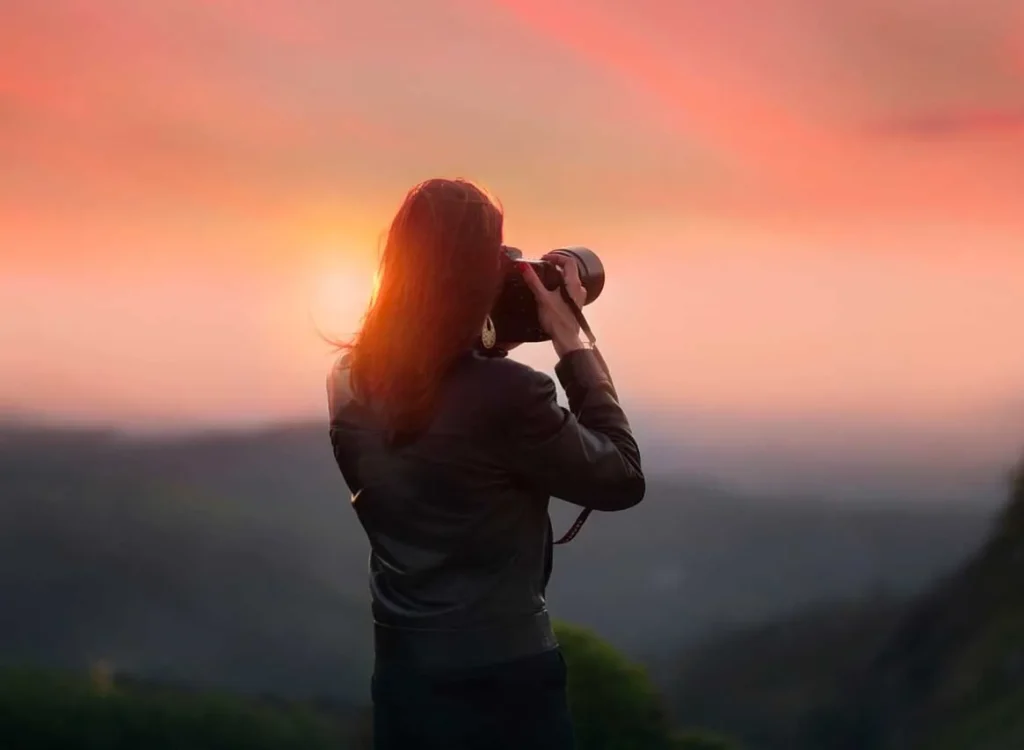
A Tanzania photographic safari tour is a specialized safari experience designed specifically around the needs of photographers rather than general wildlife viewing. These safaris prioritize flexible schedules, longer sightings, ideal vehicle positioning, and expert guidance focused on photography rather than checklist tourism.
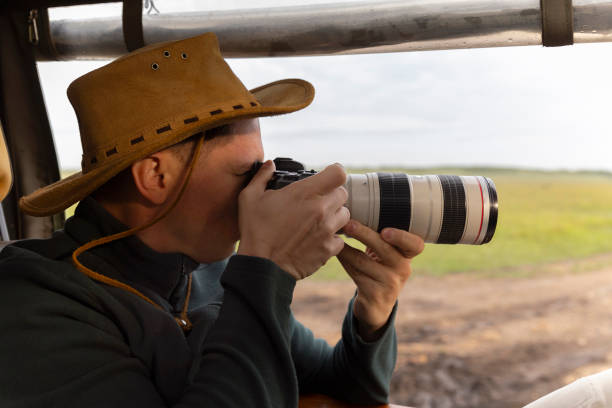
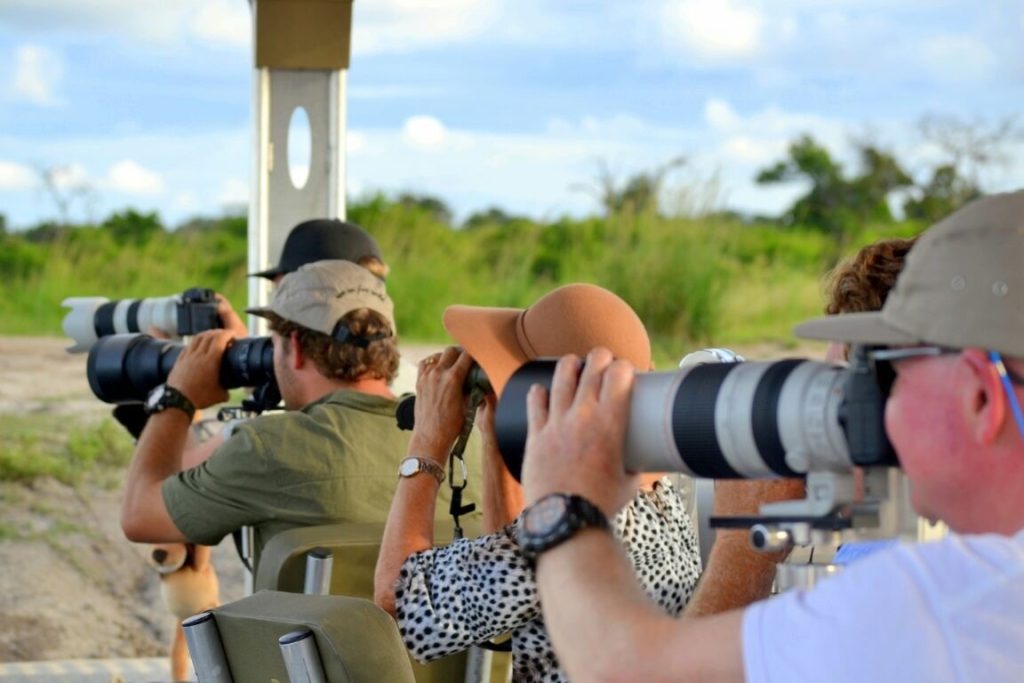
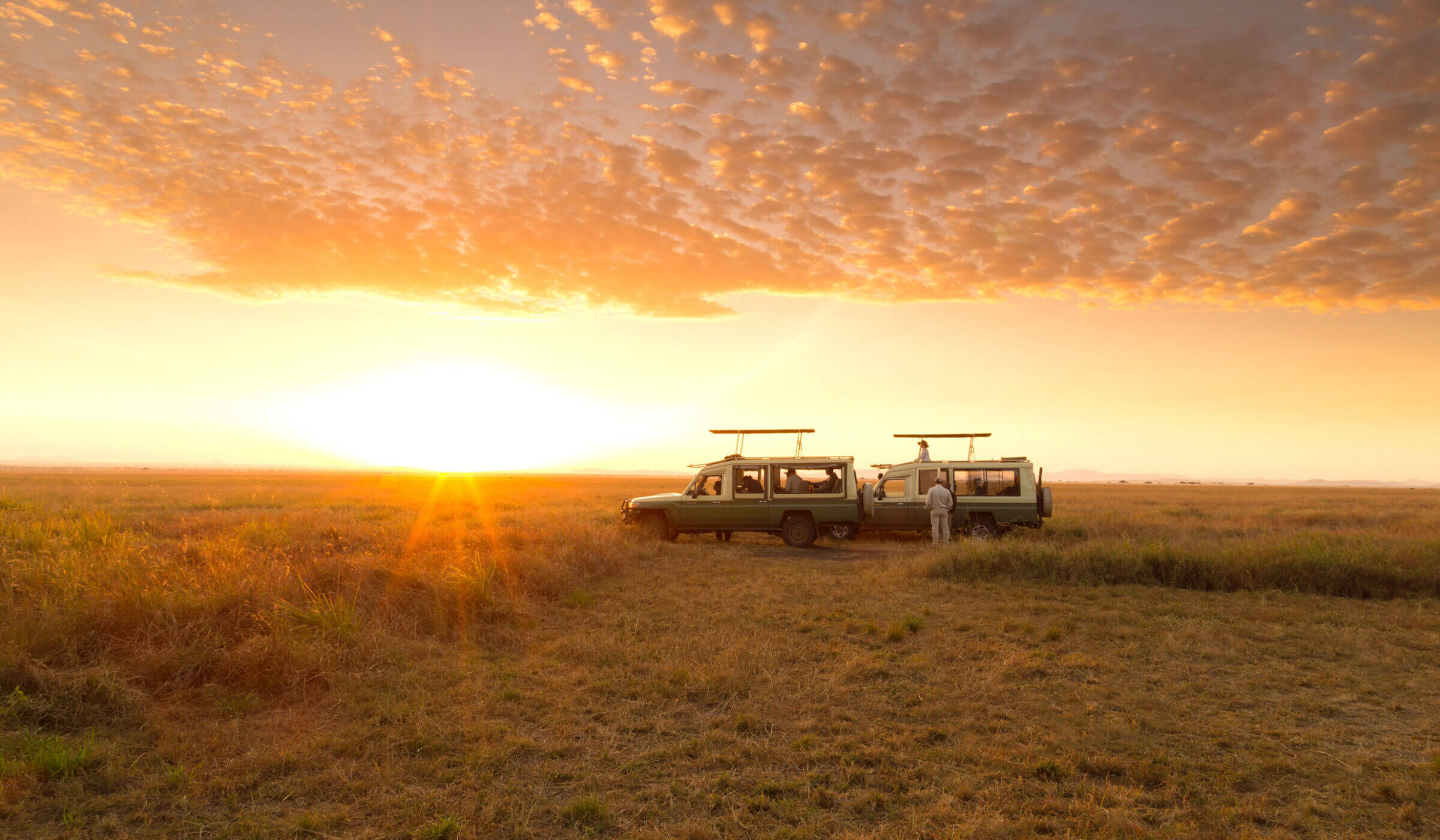
Photographic safaris typically use custom-built vehicles with open sides, beanbags, charging ports, and limited seating to ensure unobstructed shooting angles. Guides are trained to understand light direction, animal behavior, background control, and movement patterns, allowing photographers to anticipate moments rather than react to them.
Unlike standard safaris that may rush from sighting to sighting, photographic safaris slow the pace. A single subject—such as a lion pride, cheetah hunt, or elephant family—may be observed for hours as light and behavior evolve.
Why Tanzania Stands Above Other Photographic Safari Destinations
Tanzania’s strength lies in scale and protection. Over a quarter of the country is set aside for wildlife conservation, allowing animals to behave naturally without excessive vehicle pressure. This natural behavior is critical for authentic wildlife photography.
The country’s ecosystems are diverse yet accessible. In a single itinerary, photographers can move from open savannahs to crater floors, from riverine forests to soda lakes, each offering different lighting conditions, species, and compositional opportunities.
Equally important is Tanzania’s guiding culture. Many safari guides have decades of experience and work closely with photographers, understanding how small shifts in vehicle position can dramatically change an image.
Photographing the Serengeti: Movement, Light, and Scale
Serengeti National Park
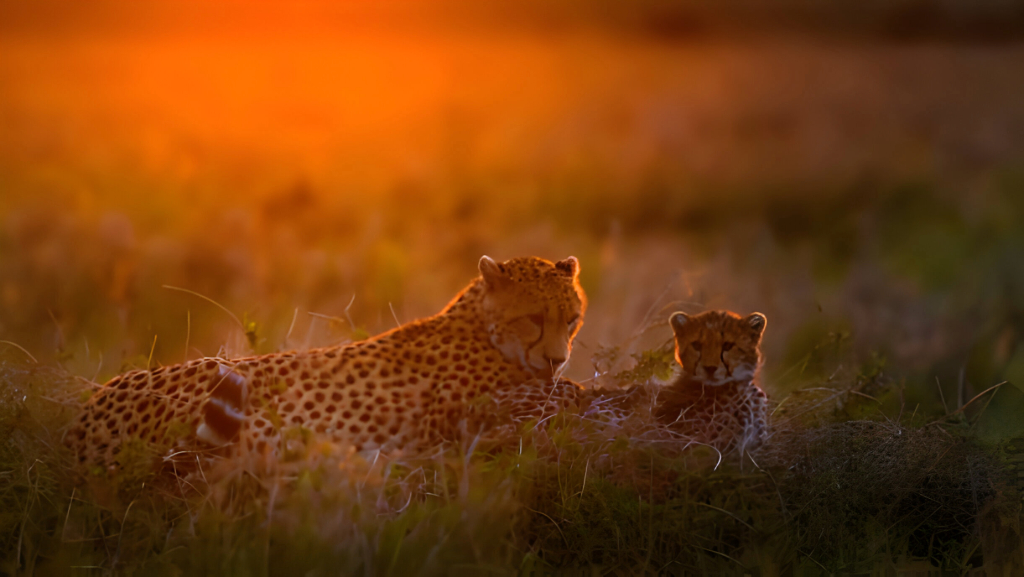
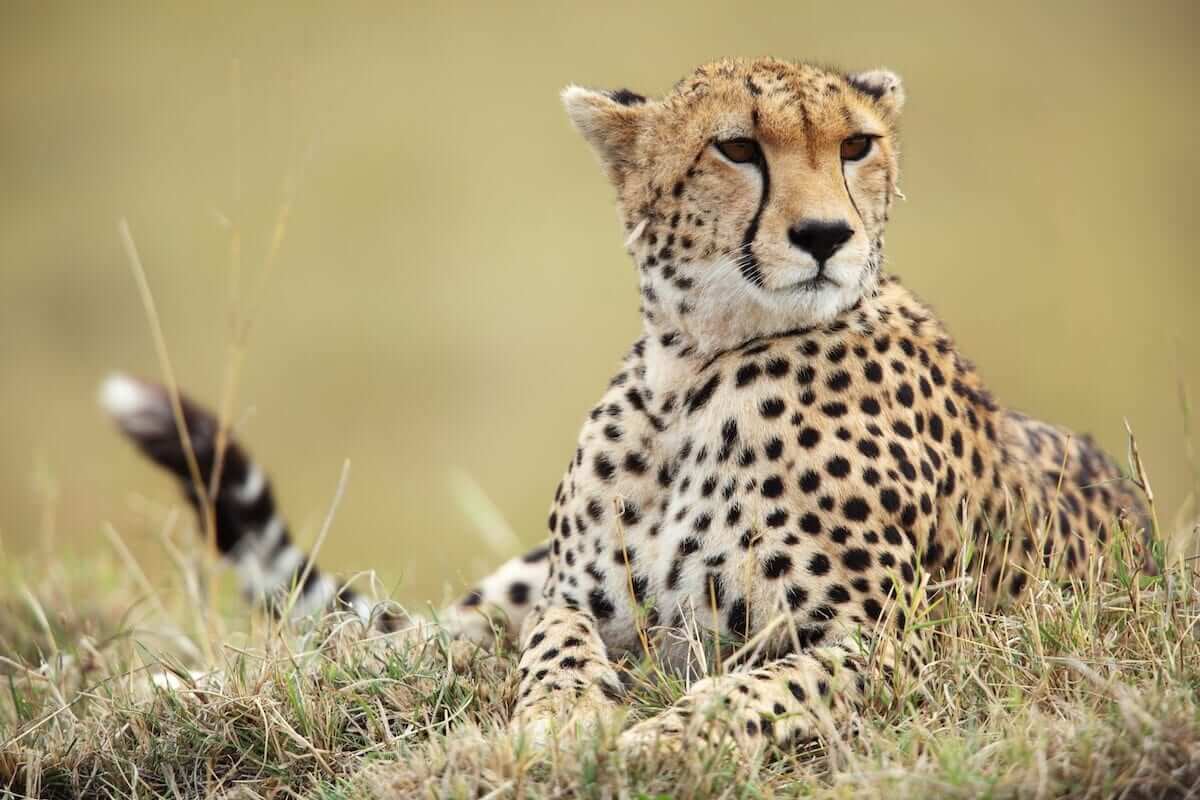
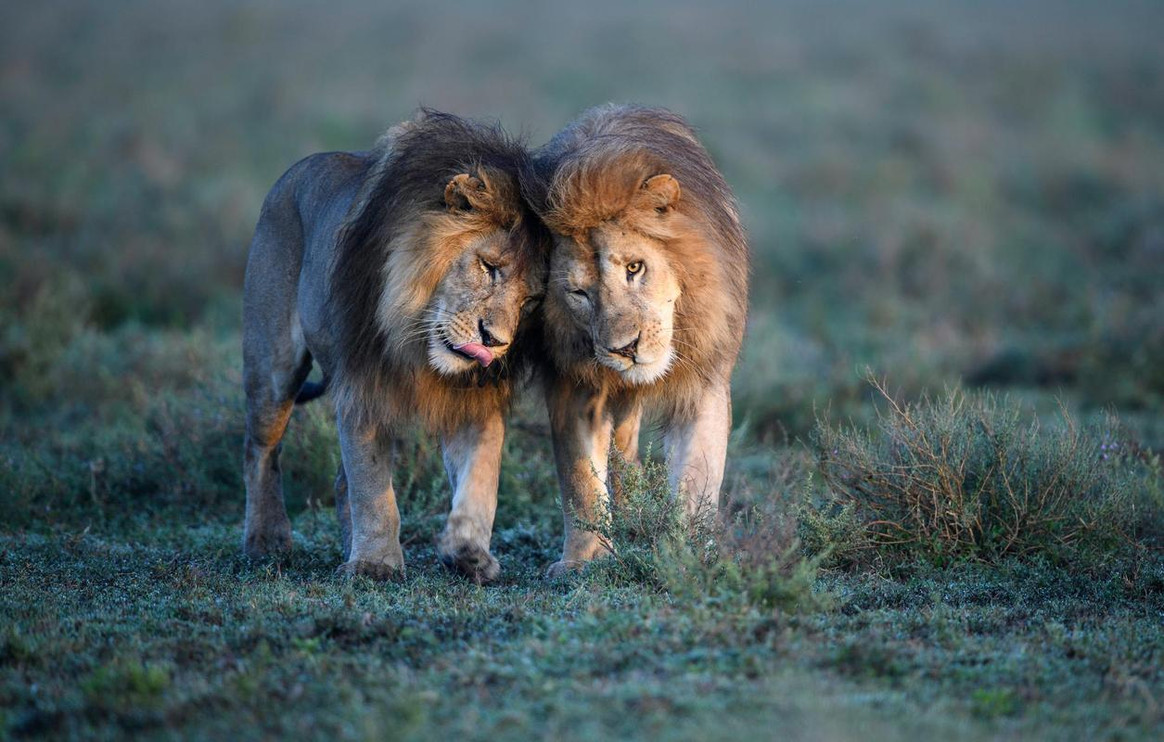
The Serengeti is the backbone of Tanzania photographic safaris. Its vast open plains create clean backgrounds, expansive skies, and powerful sense of scale—ideal for storytelling images. The Serengeti is especially prized for predator photography, with strong populations of lions, cheetahs, and leopards.
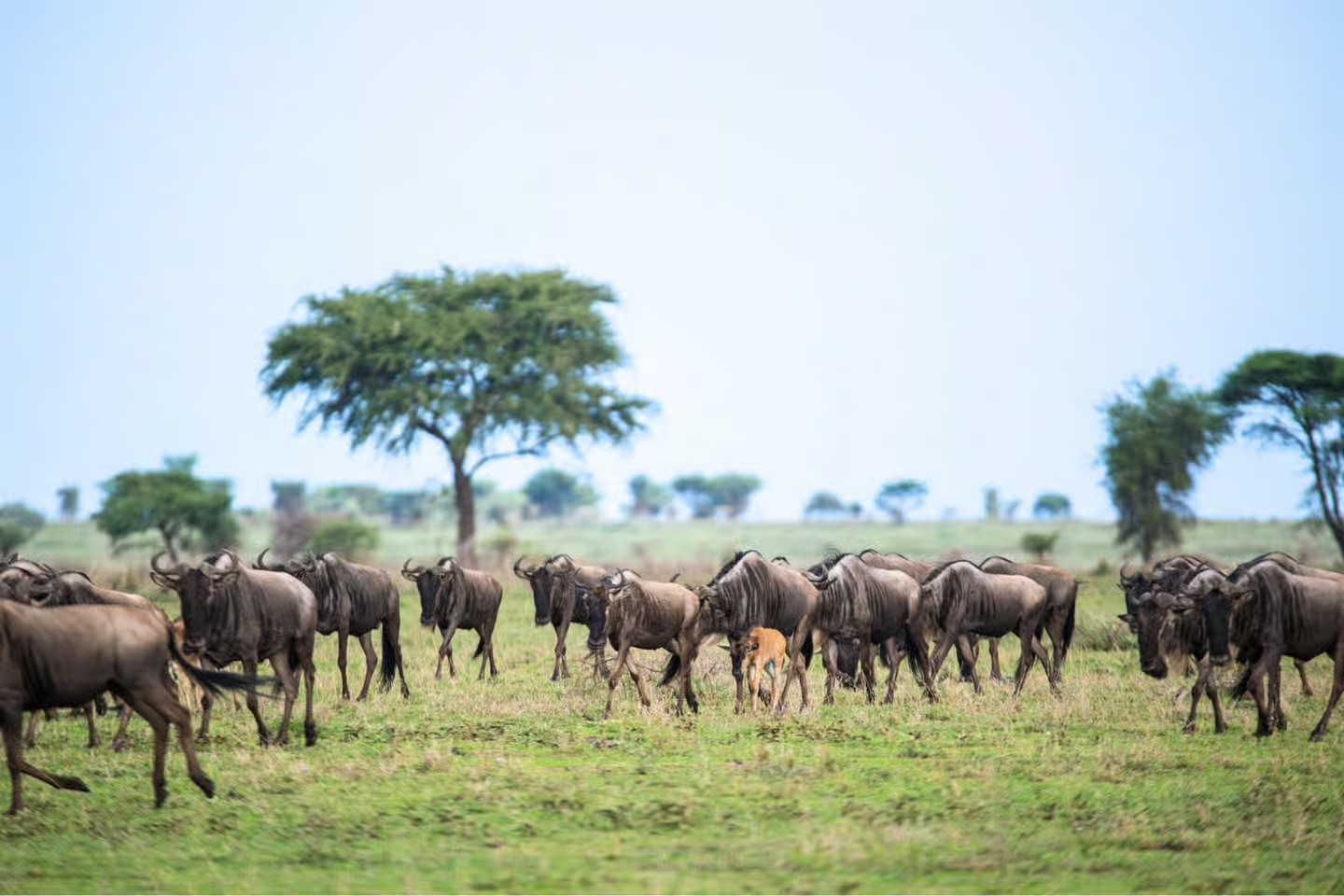
Photographically, the Serengeti rewards patience. Light travels unobstructed across the plains, creating dramatic sunrises, long shadows, and dust-filled backlighting. During the Great Migration, photographers can capture raw energy as wildebeest and zebras move across the landscape, often accompanied by predators.
Because wildlife density is high year-round in central Serengeti, photographers are not dependent on seasonal timing alone. This flexibility allows repeated visits to the same subjects under changing conditions.
Ngorongoro Crater: Density and Drama in a Natural Amphitheater
Ngorongoro Conservation Area
Ngorongoro Crater offers a completely different photographic experience. The crater floor compresses wildlife into a relatively small area, resulting in extraordinary subject density. For photographers, this means frequent encounters with lions, elephants, rhinos, and large herds of plains game.
The crater’s steep walls create a dramatic backdrop, while early morning mist adds atmosphere rarely seen elsewhere. Light inside the crater is softer in the morning, favoring detailed portraits and layered compositions.
Because of vehicle regulations, photographers must work efficiently and ethically here, focusing on anticipation and positioning rather than movement. When done well, Ngorongoro produces some of Tanzania’s most iconic images.
Tarangire: Elephants, Baobabs, and Graphic Composition
Tarangire National Park
Tarangire is a favorite among serious photographers for its strong visual elements. Massive baobab trees dominate the landscape, providing powerful compositional anchors. During the dry season, large elephant herds gather along the Tarangire River, offering intimate opportunities to photograph social behavior.
The park’s open woodland allows photographers to isolate subjects against clean backgrounds while still incorporating environmental context. Birdlife is exceptional, adding diversity for photographers interested in both mammals and avian subjects.
Tarangire’s light tends to be warm and directional, particularly in the late afternoon, making it ideal for silhouette and backlit imagery.
Lake Manyara and Arusha National Park: Forests, Birds, and Contrast
Lake Manyara National Park & Arusha National Park
These parks provide contrast to the open plains. Lake Manyara’s groundwater forest offers dense vegetation, filtered light, and opportunities to photograph forest birds, primates, and tree-climbing lions. Arusha National Park adds montane forests, crater lakes, and dramatic views of Mount Meru.
Photographically, these environments challenge exposure and autofocus systems, rewarding photographers who understand low-light techniques and composition in complex backgrounds.
Understanding Light on a Tanzania Photographic Safari
Light in Tanzania is one of the greatest assets for photographers. Equatorial positioning creates strong, predictable sun paths, while dust, clouds, and seasonal haze add texture and mood.
Serious photographers learn to work with all types of light rather than avoiding difficult conditions. Backlighting dust at sunrise, using overcast skies for detail-rich portraits, and embracing harsh midday light for graphic compositions all expand creative possibilities.
Because safari schedules are flexible on photographic tours, photographers can remain with subjects until the light is right.
Wildlife Behavior: The Key to Great Safari Images
In Tanzania, behavior matters more than proximity. Understanding animal behavior allows photographers to anticipate moments such as hunts, interactions, yawns, grooming, and movement.
Guides play a critical role here. Experienced photographic guides read subtle cues—ear position, body posture, group dynamics—and position vehicles accordingly. This collaboration transforms sightings into storytelling sequences rather than isolated frames.
Behavior-based photography results in images that feel alive and intentional rather than accidental.
Ethics in Tanzania Photographic Safaris
Ethical photography is fundamental in Tanzania. Serious photographers respect wildlife space, avoid crowding subjects, and follow park regulations. Images gained through stress or disturbance lose value, regardless of technical quality.
Cultural sensitivity is equally important when photographing people. Permission, respect, and context matter. Ethical practice preserves access and ensures sustainability for future photographers.
Camera Gear for Tanzania Photographic Safaris
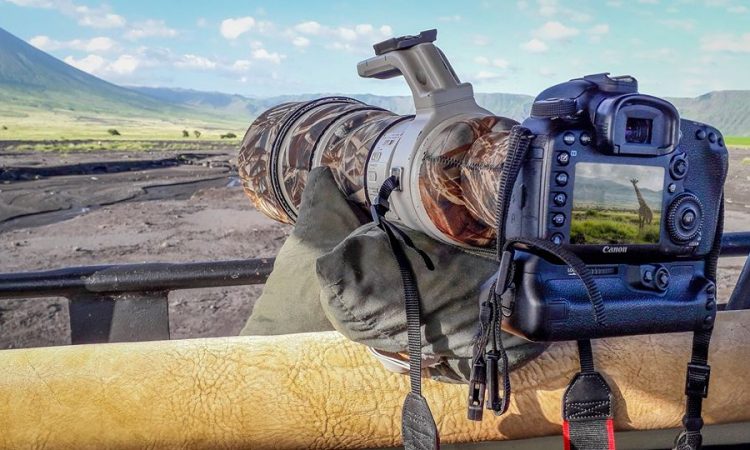
Successful photographic safaris in Tanzania require reliable gear suited to dust, movement, and changing light. Telephoto lenses are essential for wildlife behavior, while wide-angle lenses capture environmental context and dramatic skies.
Camera bodies with strong autofocus, fast frame rates, and good dynamic range perform best. However, familiarity with equipment matters more than specifications. Serious photographers know their gear instinctively and prepare backup systems for redundancy.
Post-Processing Safari Images with Integrity
Editing safari images should enhance reality, not distort it. Accurate color, controlled contrast, and natural textures preserve credibility. Consistent processing style helps build a recognizable portfolio identity.
Equally important is image selection. Strong photographic safaris produce thousands of frames, but only a few tell the story effectively. Discipline in editing separates professionals from hobbyists.
Best Time for a Tanzania Photographic Safari
The dry season from June to October offers excellent visibility, concentrated wildlife, and golden light. The green season from November to March brings dramatic skies, newborn animals, and fewer vehicles, making it ideal for creative photographers.
Each season offers different stories. Serious photographers often return multiple times to explore these variations.
Tanzania as a Classroom for Photographic Mastery
A Tanzania photographic safari tour is more than a trip—it is an education. It teaches patience, observation, ethical practice, and storytelling under real-world conditions. The landscapes are vast, the wildlife iconic, and the opportunities endless for photographers willing to slow down and see deeply.
For serious photographers, Tanzania is not just a destination. It is a place where vision is refined, portfolios are elevated, and photography becomes purposeful.
Frequently Asked Questions A Complete Guide for Serious Safari Photographers
What makes a Tanzania photographic safari different from a regular safari?
A Tanzania photographic safari is designed entirely around photography rather than general wildlife viewing. Unlike standard safaris, where vehicles move quickly from one sighting to another, photographic safaris allow extended time with individual subjects, sometimes staying with one animal or scene for hours as light, behavior, and background evolve.
Vehicles are custom-built with open sides, fewer seats, and photography-friendly features such as beanbags and charging ports. Guides are trained to position the vehicle based on light direction, background cleanliness, and anticipated animal movement, giving photographers optimal angles without disturbing wildlife. This approach transforms a safari from sightseeing into a creative, deliberate photographic experience.
Do I need professional-level camera equipment for a photographic safari in Tanzania?
Professional equipment is helpful but not mandatory. What matters most is how well you know your camera and lenses. Many successful safari images are created with mid-range cameras paired with quality telephoto lenses. Long lenses are important because ethical wildlife photography relies on maintaining respectful distance rather than approaching animals closely.
Equally important are fast autofocus performance, good low-light capability, and weather sealing to handle dust and movement. Serious photographers benefit far more from mastering their equipment and understanding exposure, focus modes, and behavior than from upgrading to the latest gear.
Is Tanzania suitable for beginner wildlife photographers?
Yes, Tanzania is one of the best places in the world for beginner wildlife photographers to learn and grow. Wildlife density is high, animals are accustomed to vehicles, and habitats such as the Serengeti offer open landscapes with clean sightlines.
These conditions make it easier to practice composition, focus tracking, and exposure without constant obstruction. On photographic safaris, guides often explain animal behavior and photographic opportunities, effectively mentoring photographers in the field. Beginners who approach the experience with patience and curiosity often leave with strong images and significantly improved skills.
How close can safari vehicles get to wildlife during a photographic safari?
Safari vehicles in Tanzania follow strict park regulations that prioritize animal welfare. Vehicles do not chase, crowd, or block wildlife movement. Instead, skilled guides use strategic positioning to place photographers at ideal distances where behavior remains natural.
With long lenses and careful framing, photographers can achieve intimate images without causing stress. Ethical distance often results in better photographs because animals behave naturally, creating authentic moments rather than defensive or agitated responses.
Which park in Tanzania is best for predator photography?
The Serengeti is widely regarded as the best park in Tanzania for predator photography due to its high densities of lions, cheetahs, and leopards, as well as its open terrain. Central Serengeti offers year-round predator activity, while seasonal movements during the Great Migration create intense hunting opportunities.
Ngorongoro Crater also provides excellent predator sightings within a confined space, though vehicle movement is more regulated. Serious photographers often combine both areas to capture a range of predator behavior under different conditions.
Can photographic safaris in Tanzania be private or customized?
Yes, private and fully customized photographic safaris are common in Tanzania. Private safaris allow photographers to control the pace, choose specific subjects, and spend as much time as needed at each sighting.
Custom itineraries can be designed around particular goals, such as big cats, birds, behavior, landscapes, or even black-and-white photography. Private safaris also allow flexible daily schedules, including early starts, late returns, and extended golden-hour shooting, which are essential for serious photographic work.
How long should a Tanzania photographic safari ideally last?
For meaningful photographic results, a Tanzania photographic safari should last at least 7 to 10 days. This duration allows time to revisit locations, work with changing light, and observe repeated behavior patterns rather than relying on chance encounters.
Longer safaris, such as 12 to 14 days, offer even greater creative depth, enabling photographers to develop cohesive stories and refine their vision. Serious photographers often find that the longer they stay, the stronger and more intentional their images become.
RELATED BLOGS

Exploring Africa’s Iconic Experience in Tanzania


Explore Astro
Our Dream Vacation
Day Trips (Short Safari)
Top Experiences
© Copyright 2026 Astro Safaris and Tours
