


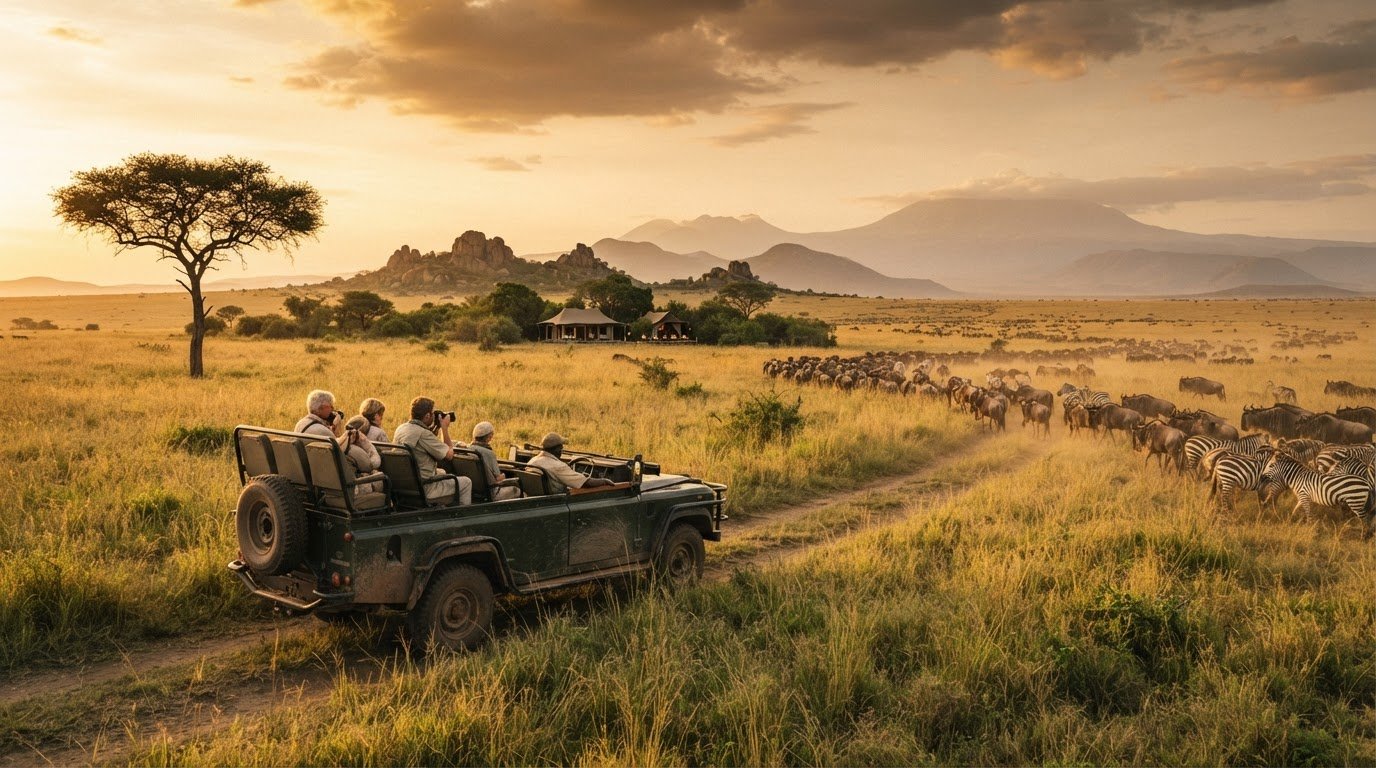
Self-Drive Tanzania Camping Safari
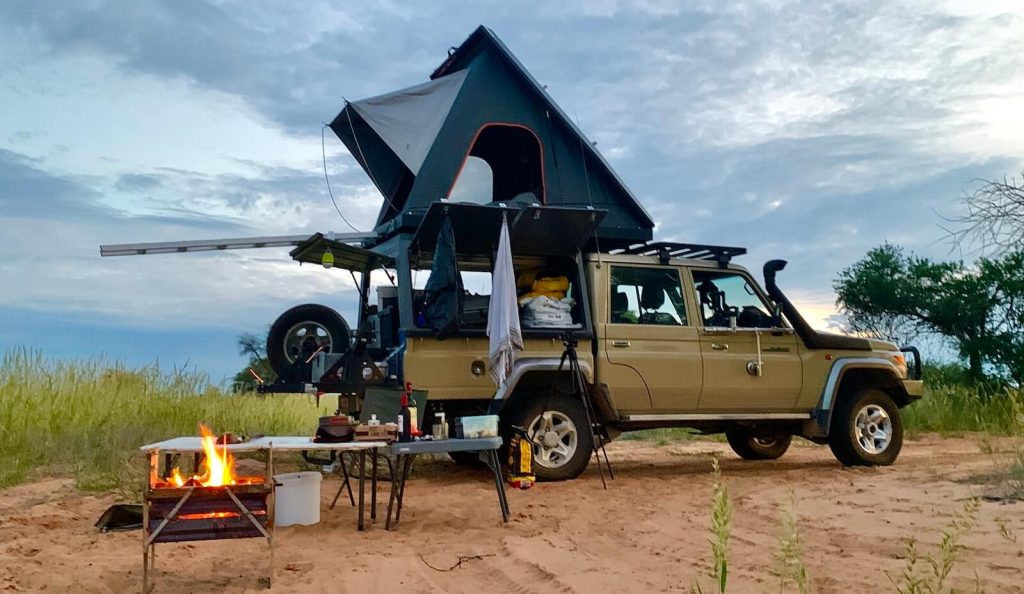
Why Choose a Self-Drive Camping Safari in Tanzania
For travelers who crave independence, raw wilderness, and the thrill of self-reliance, few experiences rival a self-drive Tanzania camping safari. This is safari at its most authentic navigating dusty tracks in a 4×4, pitching camp beneath acacia trees, and falling asleep to the sounds of lions roaring in the distance.
Unlike guided safaris, self-drive overlanding places you in full control of your journey. You decide where to stop, how long to linger, and which remote corner of Tanzania to explore next. From classic northern circuit parks to vast southern wilderness areas, Tanzania rewards those willing to plan carefully and travel responsibly.
This guide is written for serious adventurers travelers who want practical logistics, real-world advice, and honest insight into what it truly takes to self-drive and camp across Tanzania’s wild landscapes.
Understanding Self-Drive Safaris in Tanzania
A self-drive safari in Tanzania involves driving your own or rented 4×4 vehicle through national parks, game reserves, and wildlife management areas while staying at designated public or special campsites. Unlike countries such as Namibia or South Africa, Tanzania’s self-drive scene is less developed, which makes it more challenging but also far more rewarding.
Road conditions can be rough, distances are long, and regulations are strict. However, with proper preparation, a self-drive camping safari delivers unmatched freedom and immersion. You are not just observing Tanzania you are moving through it at ground level, day by day.
Is Tanzania Suitable for Self-Drive Overlanding?
Tanzania is suitable for self-drive safaris, but it is not beginner-friendly. This is a destination for confident drivers with experience in remote travel, navigation, and vehicle recovery. Infrastructure is improving, yet many park roads remain unpaved, seasonal, and unpredictable.
The rewards are significant. Tanzania offers iconic wildlife, diverse landscapes, and fewer self-drive tourists than neighboring countries. This means quieter campsites, less traffic on game-viewing tracks, and a deeper sense of adventure.
If your goal is comfort and ease, guided safaris are better. If your goal is exploration, challenge, and self-sufficiency, Tanzania is exceptional.
Permits, Fees, and Legal Requirements
Understanding permits is essential for a successful self-drive safari. Tanzania National Parks Authority (TANAPA) manages most national parks, while other areas fall under the Ngorongoro Conservation Area Authority (NCAA) or local wildlife management authorities.
Park entry fees are charged per person per day and must be paid in advance or at official gates. Vehicle entry fees apply separately and depend on vehicle weight. Camping fees are additional and vary between public campsites and special campsites.
Some areas require advance campsite reservations, particularly during high season. Special campsites offer exclusivity but must be booked through official channels well ahead of time. Failure to follow permit regulations can result in fines or removal from the park. Always carry printed permits, passports, and vehicle documents, as checkpoints are common.
Choosing the Right 4x4 Vehicle
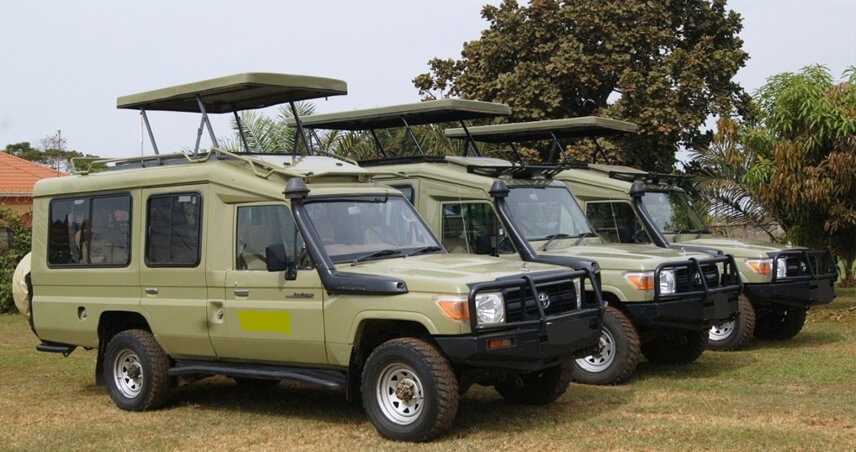
A reliable 4×4 vehicle is non-negotiable. High clearance, low-range gearing, and all-terrain tires are essential for navigating sand, mud, river crossings, and rocky tracks.
Most overlanders choose Land Cruisers or similar platforms due to durability and parts availability. Your vehicle should be equipped with dual spare tires, recovery gear, a jack suitable for soft ground, and a full tool kit.
Fuel availability inside parks is limited or nonexistent, so range matters. Carrying extra fuel in approved containers is standard practice.Mechanical self-sufficiency is critical. In remote parks, help may be days away.
Best Self-Drive Routes in Northern Tanzania
Northern Tanzania offers the most logical entry point for first-time self-drive travelers due to better infrastructure and clustered parks.
The classic route begins in Arusha and loops through Tarangire National Park, Lake Manyara, Ngorongoro Conservation Area, and parts of the Serengeti. Tarangire is particularly rewarding for self-drivers, with clear tracks, excellent wildlife density, and manageable distances.
The Serengeti is possible for self-drive but requires careful planning. Distances are vast, navigation is challenging, and fuel logistics must be precise. Staying within central Serengeti zones and using mapped routes is advisable. Ngorongoro Crater itself allows self-drive access, but strict timing, fees, and regulations apply.
Southern Tanzania: For Experienced Overlanders Only
Southern Tanzania offers some of Africa’s wildest self-drive experiences but is best suited to highly experienced travelers.
Nyerere National Park (formerly Selous) is massive, remote, and lightly trafficked. Roads can be rough, signage is minimal, and distances between camps are long. However, wildlife sightings are exceptional, and camping feels truly isolated.
Ruaha National Park is another advanced destination. It rewards careful planning with dramatic landscapes and high predator density but demands strong navigation skills and vehicle reliability. These parks are best tackled with satellite communication and emergency contingency plans.
Safe Camping in Tanzania’s National Parks
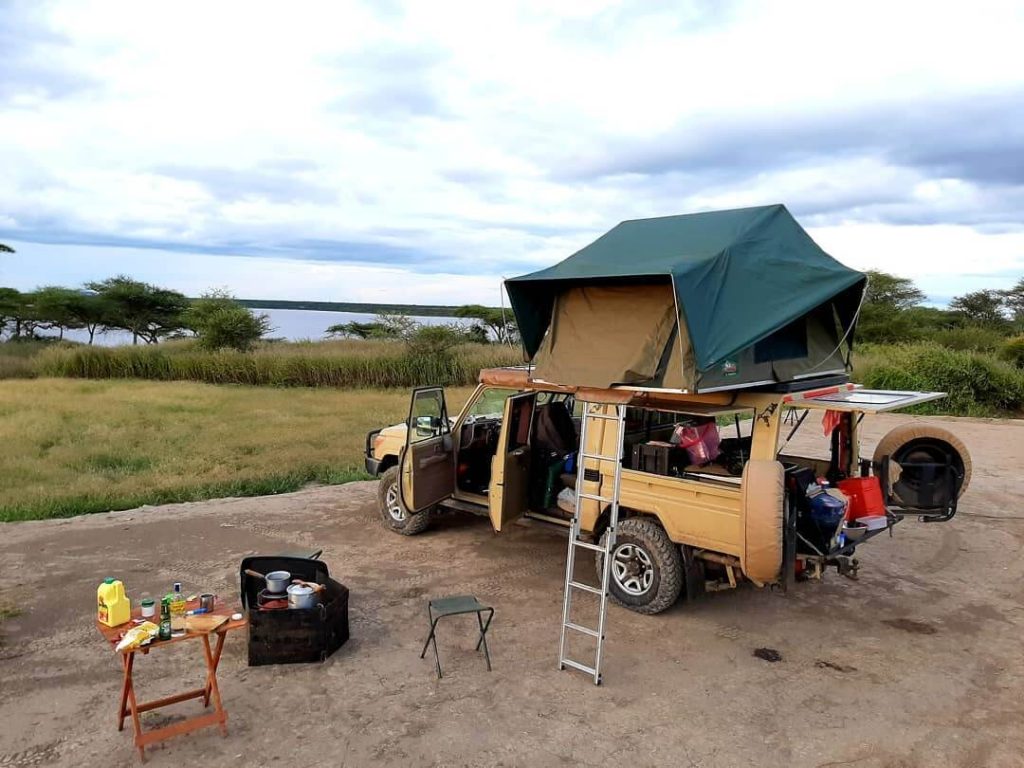
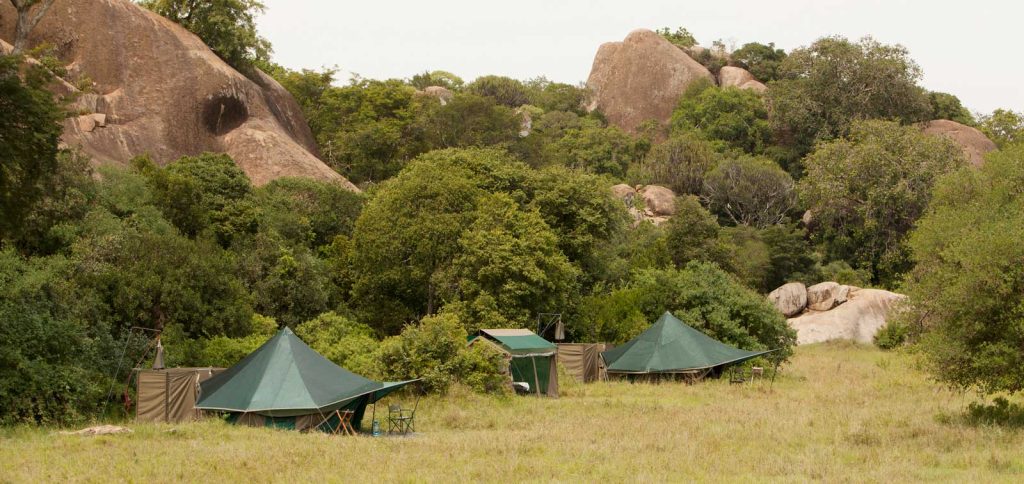
Camping in Tanzania is safe when done correctly, but it requires discipline and awareness. Only camp at designated public or special campsites. Wild camping is illegal and dangerous due to wildlife movement.
At camp, remain alert at all times. Do not walk far from your vehicle after dark, keep food securely stored, and never leave tents unattended with food inside. Hyenas and baboons are skilled scavengers.
Fires are allowed only where designated, and noise discipline is important. Rangers may patrol campsites, especially in high-risk areas. Sleeping under canvas in Tanzania is unforgettable but respect for wildlife is non-negotiable.
Food, Water, and Supplies
Self-drive campers must be fully self-sufficient. Stock up on food, water, and supplies in major towns such as Arusha, Moshi, or Iringa.
Water consumption increases significantly in hot climates. Plan for several liters per person per day, plus extra for emergencies. Treated or bottled water is recommended.
Coolers or fridge systems are common, but power management must be considered. Solar panels or dual-battery systems are highly recommended for longer trips.
Navigation and Communication
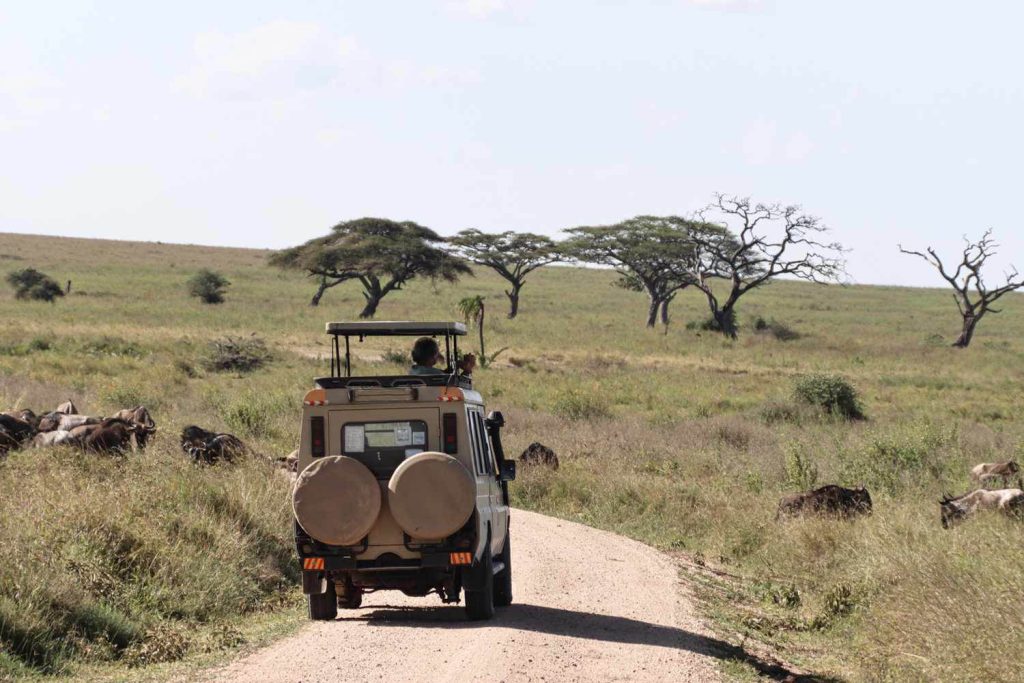
GPS navigation is essential, but it should never be your only tool. Offline maps, paper maps, and route notes are all important backups.
Mobile phone coverage is unreliable inside parks. Satellite phones or satellite messaging devices provide critical safety coverage, especially in southern Tanzania. Always inform someone of your route and expected check-in times.
Wildlife Awareness and Driving Etiquette
Self-driving places responsibility directly on you. Maintain safe distances from animals, never block roads, and avoid approaching predators too closely.
Driving off-road is strictly prohibited in most parks and damages fragile ecosystems. Rangers enforce these rules seriously. Respecting wildlife behavior ensures both safety and conservation.
Why Self-Drive in Tanzania Is Worth the Effort
A self-drive Tanzania camping safari is not easy but that is exactly why it is so rewarding. It strips safari travel back to its essentials: navigation, patience, awareness, and respect for nature.
You are not following a schedule. You are following instinct, tracks, and the rhythm of the land. For true overlanders, Tanzania delivers something rare wildness with meaning.
Tanzania at Your Own Pace
Self-driving and camping across Tanzania is one of Africa’s most powerful travel experiences. It demands preparation, humility, and responsibility, but it rewards you with solitude, discovery, and unforgettable moments under the stars.
If you are ready to plan carefully, drive respectfully, and camp wisely, Tanzania opens itself fully to those willing to meet it on its own terms.
Our Clients Reviews on Tripadvisor
Our Clients Reviews on Google
Frequently Asked Questions About Self-Drive Tanzania Camping Safari
Is a self-drive safari allowed in Tanzania?
Yes, self-drive safaris are legally permitted in Tanzania, but they operate under strict regulations set by park authorities such as TANAPA and the Ngorongoro Conservation Area Authority.
Do I need a special permit to camp inside national parks?
Yes, camping inside Tanzanian national parks requires additional camping permits beyond standard park entry fees.
Is Tanzania safe for solo overlanders?
Tanzania is generally safe for travelers, but solo overlanding demands high experience and preparation. Mechanical breakdowns, getting stuck in mud or sand, and navigation errors can become serious problems in remote parks where assistance may be hours or even days away.
What is the best vehicle for a self-drive safari?
A reliable, high-clearance 4×4 vehicle is essential for a self-drive safari in Tanzania. Models such as the Toyota Land Cruiser or similar heavy-duty vehicles are preferred due to their durability, parts availability, and off-road capability.
Can I self-drive in the Serengeti?
Yes, self-driving in the Serengeti is allowed, but it requires careful planning and realistic expectations.
Are night drives allowed for self-drivers?
No, night driving is strictly prohibited for self-drive visitors in Tanzania’s national parks. All vehicles must be off the roads by sunset unless part of an authorized night safari operated by licensed lodges in designated private concessions.
Is a self-drive safari cheaper than a guided safari?
Not necessarily. While self-drive safaris eliminate guide and vehicle service fees, costs for 4×4 rental, fuel, park entry fees, vehicle fees, camping permits, food supplies, and recovery equipment can add up quickly.
RELATED BLOGS
Exploring Africa’s Iconic Experience in Tanzania


