

Based on Tripadvisor reviews

Based on Tripadvisor reviews
Based on Tripadvisor reviews
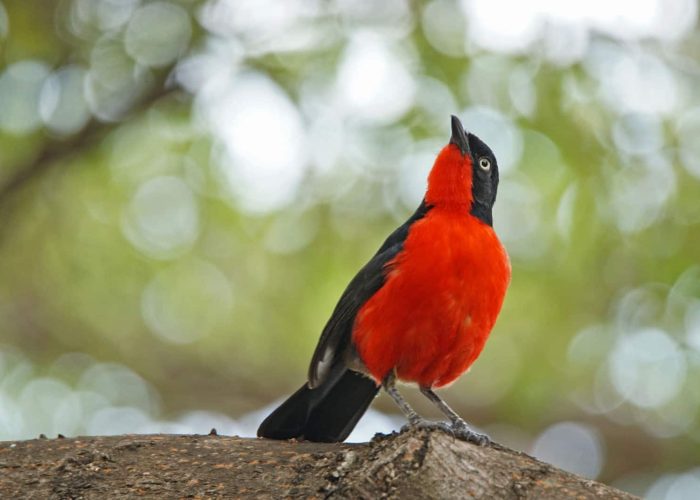
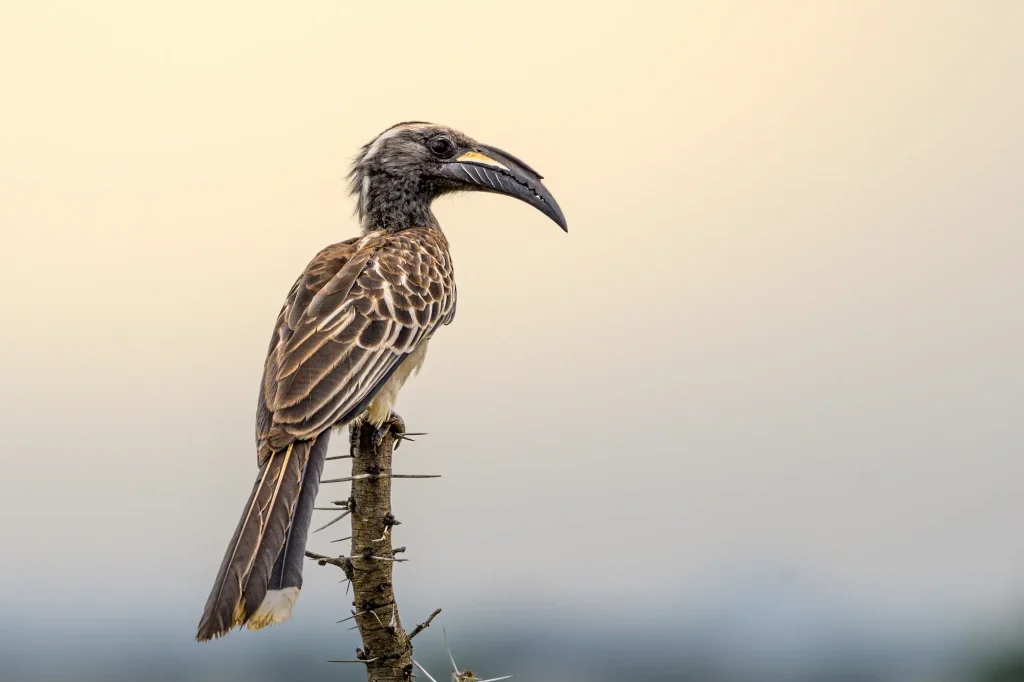





Why Northern Tanzania Is a Global Birding Destination
Northern Tanzania is often celebrated for the Big Five, the Great Migration, and iconic safari landscapes. Yet for birdwatchers, this region offers something equally remarkable: one of the most diverse and rewarding birding circuits in Africa. From alkaline lakes glowing pink with flamingos to montane forests echoing with turaco calls, the Northern Tanzania circuit is a mosaic of habitats that supports an extraordinary variety of birdlife.
Birding here is not a niche activity tucked between game drives. It is a full-bodied safari experience in its own right. A single itinerary can produce hundreds of species, including endemic birds, regional specialties, and long-distance migrants. Whether you are a seasoned birder chasing lifers or a safari traveler who enjoys adding depth to wildlife viewing, birding in Northern Tanzania delivers consistently high rewards.
What makes this circuit exceptional is its accessibility. Distances between habitats are relatively short, allowing travelers to move from savannah to forest to wetland in a matter of hours. Combined with excellent guiding, comfortable lodges, and year-round bird activity, Northern Tanzania stands among the world’s top birding safari destinations.
Understanding the Northern Tanzania Birding Circuit
The Northern Tanzania circuit is a network of national parks and conservation areas linked by geography, infrastructure, and ecological diversity. Birders typically explore a combination of savannah plains, soda lakes, river systems, and highland forests. Each ecosystem supports distinct bird communities, ensuring variety throughout the journey.
What sets this circuit apart is the overlap between classic wildlife safaris and prime birding habitats. Birders do not sacrifice big-game viewing; instead, they gain an added layer of richness. Raptors soar above elephant herds, bee-eaters flash color along riverbanks, and storks stride through wetlands shared with hippos and buffalo.
The circuit is also well suited to flexible itineraries. Birding can be the primary focus, or it can complement a traditional safari with targeted walks, lake visits, and forest excursions.
Birding in Serengeti National Park
The Serengeti is globally renowned for its vast plains and migrating ungulates, but it is equally impressive as a birding destination. More than 500 bird species have been recorded here, making it one of East Africa’s most productive birding areas.
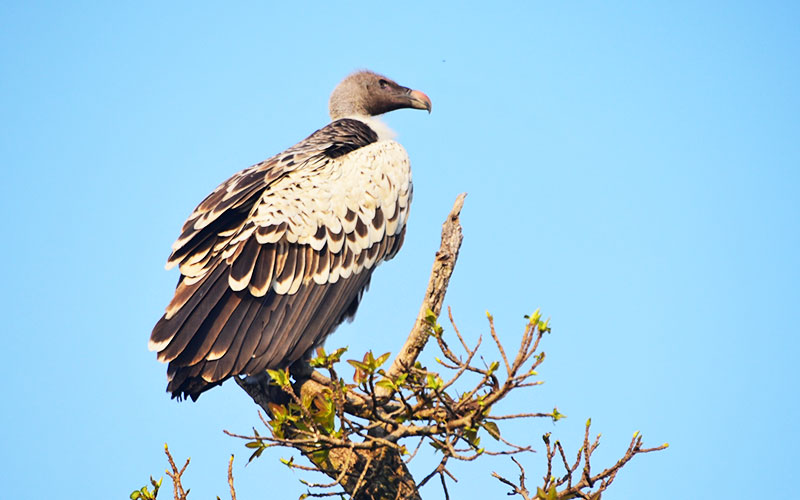
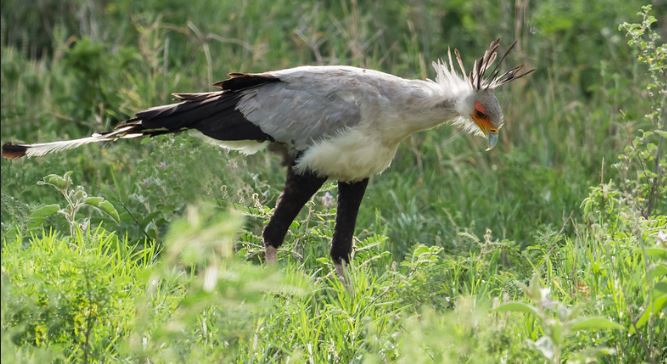
Open grasslands support ostriches, kori bustards, secretary birds, and numerous larks and pipits. During the migration season, large flocks of queleas attract birds of prey, creating spectacular raptor activity. Rivers and seasonal wetlands host herons, storks, and kingfishers, while kopjes provide nesting sites for vultures and eagles.
Birding in the Serengeti benefits from scale. Because habitats stretch uninterrupted for miles, bird behavior appears natural and undisturbed. Early mornings and late afternoons are especially rewarding, when light enhances visibility and birds are most active.
Birding in Ngorongoro Conservation Area
The Ngorongoro Conservation Area offers one of the most unique birding environments in Africa. Its varied elevation creates multiple habitats within a compact area, ranging from crater floor wetlands to highland forests.
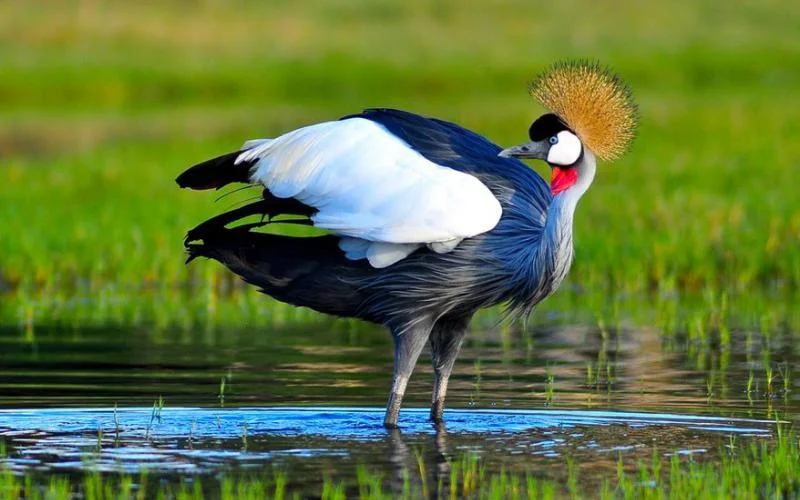
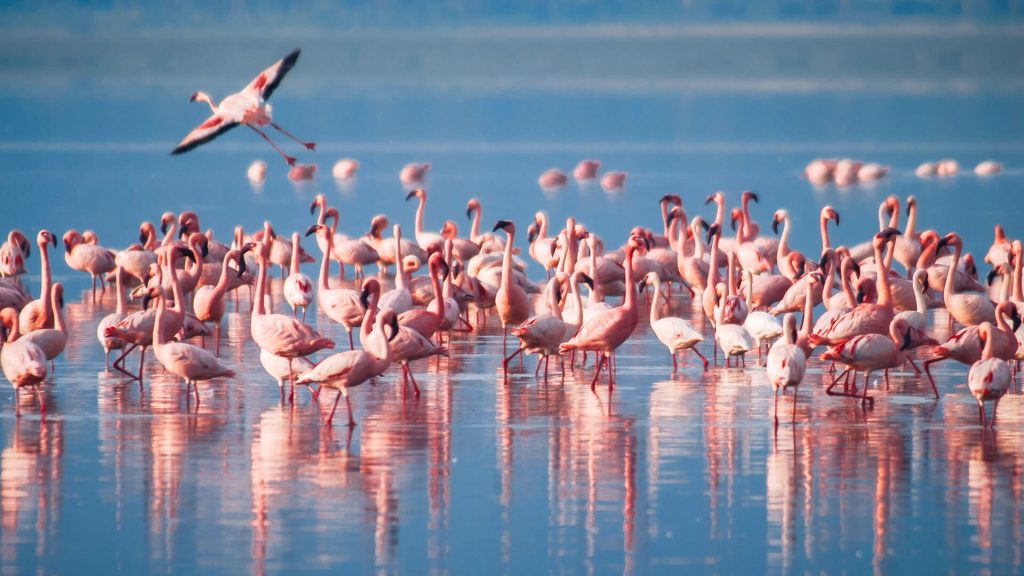
On the crater floor, birders encounter flamingos, pelicans, crowned cranes, and a wide array of waterbirds around soda lakes and marshes. Raptors are abundant, taking advantage of dense wildlife populations. Beyond the crater, montane forests support species such as Hartlaub’s turaco and silvery-cheeked hornbill.
What makes Ngorongoro exceptional for birding is its contrast. In a single day, birders can move from open grassland species to forest specialists, gaining diversity without long travel times.
Birding in Lake Manyara National Park
Lake Manyara is a jewel of the Northern Tanzania circuit for birdwatchers. Despite its relatively small size, it hosts more than 400 bird species, supported by groundwater forests, open floodplains, and an alkaline lake.
The lake itself attracts flamingos, pelicans, cormorants, and numerous waders, especially during seasonal fluctuations in water levels. The surrounding forest is home to forest specialists rarely seen elsewhere on safari routes, including trogons, barbets, and turacos.
Birding in Lake Manyara feels intimate. Dense vegetation and shorter distances encourage slower exploration, making it ideal for guided walks and focused birding sessions.
Birding in Tarangire National Park
Tarangire is best known for elephants and baobab trees, but for birders it is one of Tanzania’s richest parks. Over 550 bird species have been recorded, placing Tarangire among the top birding destinations in East Africa.
Riverine habitats along the Tarangire River attract kingfishers, bee-eaters, and waterbirds, while dry woodland supports hornbills, woodpeckers, and colorful starlings. During the green season, migratory species dramatically increase diversity.
Birding in Tarangire is especially rewarding because species are spread across open landscapes, making observation and photography easier than in dense forests.
Birding in Arusha National Park
Arusha National Park offers a completely different birding experience, defined by altitude and forest habitat. Located near Mount Meru, the park supports montane forests, crater lakes, and open grasslands.
Forest birding here is excellent, with chances to see species such as Hartlaub’s turaco, trogons, and various sunbirds. The Momella Lakes attract flamingos and waterbirds, while raptors patrol open areas.
Because of its proximity to Arusha town, Arusha National Park is often used as a birding warm-up or cool-down destination at the beginning or end of a safari.
Seasonality and Migration: When to Go Birding
Birding in Northern Tanzania is rewarding year-round, but seasonal patterns influence species presence. The dry season offers easier access and concentrated bird activity around water sources. The green season, particularly from November to April, brings migratory species from Europe and Asia, dramatically increasing diversity.
Rain also triggers breeding behavior, resulting in brighter plumage and more vocal birds. For birders seeking maximum species lists, the green season is particularly appealing despite occasional muddy conditions.
Guiding, Equipment, and Birding Style
Expert guiding is crucial for successful birding in Northern Tanzania. Knowledgeable guides recognize calls, behavior, and habitat preferences, dramatically increasing sightings. Many birding safaris combine game drives with short walks and focused stops, allowing deeper observation.
Binoculars with good light-gathering ability are essential, while spotting scopes are useful in open habitats such as Serengeti and Tarangire. Birding here favors patience and attentiveness rather than speed.
Combining Birding with Classic Safaris
One of the strengths of birding in Northern Tanzania is its compatibility with traditional safaris. Travelers can enjoy iconic wildlife while simultaneously building impressive bird lists. This dual focus appeals to couples or groups with mixed interests, ensuring everyone finds the experience rewarding.
Birding adds texture to safari days, turning moments between mammal sightings into opportunities for discovery.
Conservation and the Importance of Birding Tourism
Birding tourism plays a vital role in conservation. Many bird species are sensitive to habitat loss and climate change, making them important indicators of ecosystem health. Revenue from birding safaris supports protected areas, research, and community initiatives.
By choosing bird-focused itineraries, travelers contribute to broader conservation efforts while gaining deeper understanding of Tanzania’s ecosystems.
Northern Tanzania Through a Birder’s Eyes
Birding in the Northern Tanzania circuit transforms a safari into a layered, intellectually rich journey. Each park adds a different chapter, from open plains and alkaline lakes to forested slopes and river valleys.
For those who listen as much as they look, Northern Tanzania reveals itself not only in roaring lions or thundering herds, but in wingbeats, calls, and flashes of color that define one of Africa’s most complete birding experiences.
Frequently Asked Questions Birding in the Northern Tanzania Circuit
Northern Tanzania hosts well over 1,000 recorded bird species across different habitats. On a well-planned birding safari, travelers can realistically see several hundred species within a single itinerary, especially during the migratory season.
Yes. The region is excellent for beginners because birds are abundant, visible, and often seen alongside large mammals. Expert guides help identify species and explain behavior, making the experience educational and accessible.
The best time depends on goals. The green season from November to April offers the highest species diversity due to migratory birds, while the dry season provides easier access and concentrated activity around water sources.
Absolutely. One of Northern Tanzania’s strengths is that birding and big-game viewing occur in the same parks. Travelers do not need separate itineraries to enjoy both.
No special permits are required beyond standard park entry fees. However, hiring a specialist birding guide greatly enhances the experience.
Quality binoculars are essential, along with a field guide or birding app. A camera with a zoom lens is helpful but not required for effective birding.
Yes. Birding tourism provides revenue for protected areas and highlights the value of preserving diverse habitats, benefiting both wildlife and local communities.
RELATED BLOGS
Exploring Africa’s Iconic Experience in Tanzania
Explore Astro
Our Dream Vacation
Day Trips (Short Safari)
Top Experiences