


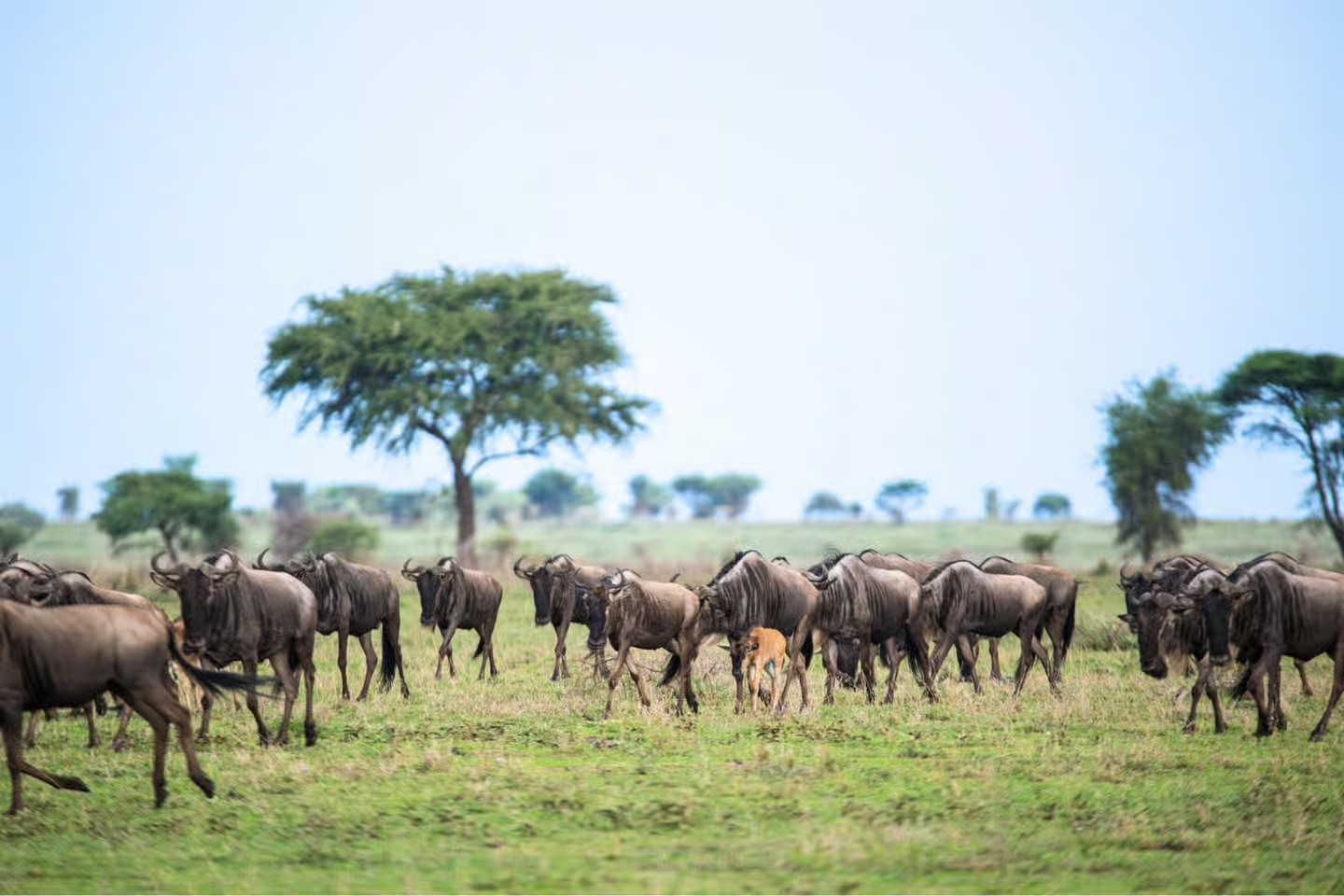
Adventure & Active Travel, Tanzania cycling tour
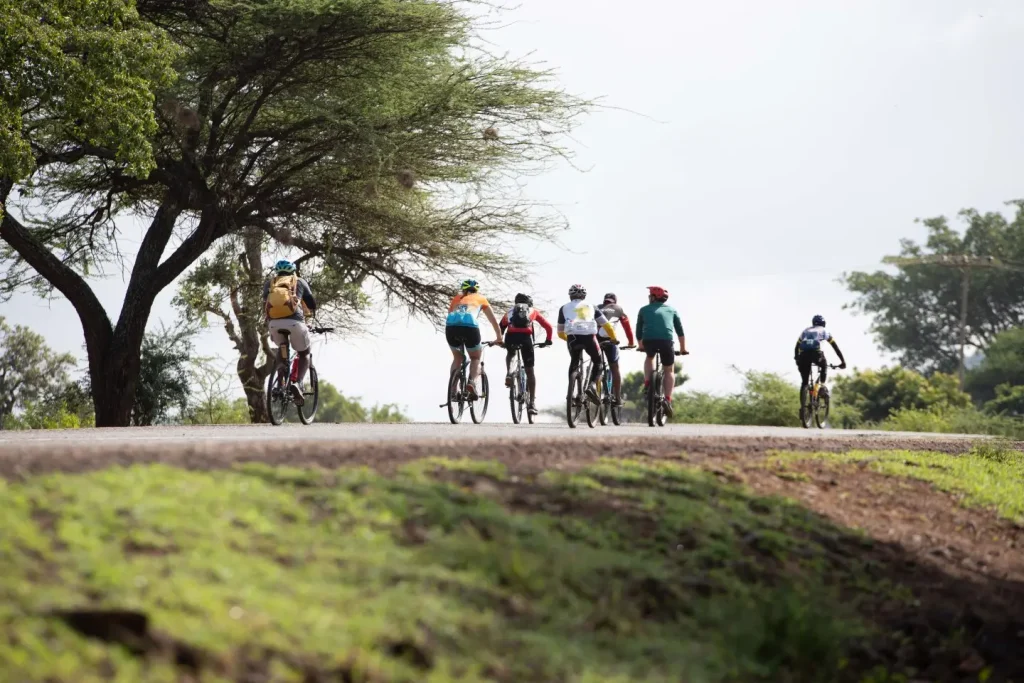
Tanzania is world-famous for its wildlife safaris, endless savannahs, and iconic mountains, yet there is another way to experience this remarkable country—one that is slower, more personal, and deeply immersive. Cycling tours in Tanzania invite travelers to move through the landscape at human pace, feeling the terrain beneath their wheels and connecting directly with communities along the way.
Cycling in Tanzania is not about racing or endurance alone. It is about journey over destination, where every kilometer reveals village life, farmland, mountain foothills, and wildlife corridors that are often invisible from a safari vehicle. Whether pedaling through coffee plantations near Arusha, cycling beneath Mount Kilimanjaro, or joining the cycling segment of the Kilimanjaro Marathon, riders experience Tanzania as a living, breathing environment rather than a postcard image.
For travelers seeking authenticity, sustainability, and adventure blended with safari travel, cycling tours offer a powerful alternative.
Why Choose a Cycling Tour in Tanzania?
Cycling tours in Tanzania offer a level of intimacy that traditional travel cannot replicate. Riding through rural landscapes allows travelers to hear conversations, smell crops drying in the sun, and observe daily routines unfolding naturally. Instead of passing through communities, cyclists move within them, becoming temporary participants rather than distant observers.
From an adventure-travel perspective, cycling adds physical engagement to a safari itinerary. After days of game drives, cycling reactivates the body and sharpens awareness. For repeat safari travelers, it introduces a fresh lens through which to experience familiar regions. For first-time visitors, it provides grounding and perspective, making wildlife encounters feel connected to human life rather than separate from it.
Cycling also aligns naturally with sustainable tourism principles. It has a low environmental footprint, supports local economies directly, and encourages respectful cultural exchange.
Cycling Infrastructure and Road Conditions in Tanzania
Tanzania does not yet have dedicated cycling lanes comparable to Europe or North America, but this does not diminish its suitability for cycling tours. Outside major cities, traffic volumes are low, especially on rural roads connecting villages and farms. These roads are often shared by pedestrians, bicycles, livestock, and occasional vehicles, creating a slower and more predictable flow.
Most cycling tours avoid highways and instead use secondary roads, dirt tracks, and village paths selected for safety and scenery. Professional cycling operators scout routes carefully, taking into account surface conditions, gradients, traffic patterns, and seasonal changes. Backup vehicles accompany longer rides, offering water, mechanical support, and rest options.
Understanding local road etiquette is essential. Cyclists ride defensively, remain visible, and respect shared road use. This approach fosters positive interactions with drivers and villagers alike.
Arusha Cycling Tours, Tanzania’s Cycling Gateway
Arusha is the natural starting point for many Tanzania cycling tours. Positioned between Mount Meru and Mount Kilimanjaro, the region offers fertile land, moderate altitude, and varied terrain ideal for cycling. Routes radiate outward from the city into agricultural zones, wildlife corridors, and traditional settlements.
Cycling around Arusha reveals how tourism, farming, and daily life coexist. Riders pass through coffee estates, vegetable farms, and grazing lands while enjoying views of volcanic peaks. The climate is generally mild, making it comfortable for cycling year-round with proper planning.
Because Arusha is also the hub for northern safari parks, cycling tours here integrate easily with visits to Arusha National Park, Lake Manyara, and Ngorongoro.
Cycling from Arusha to Coffee Plantations
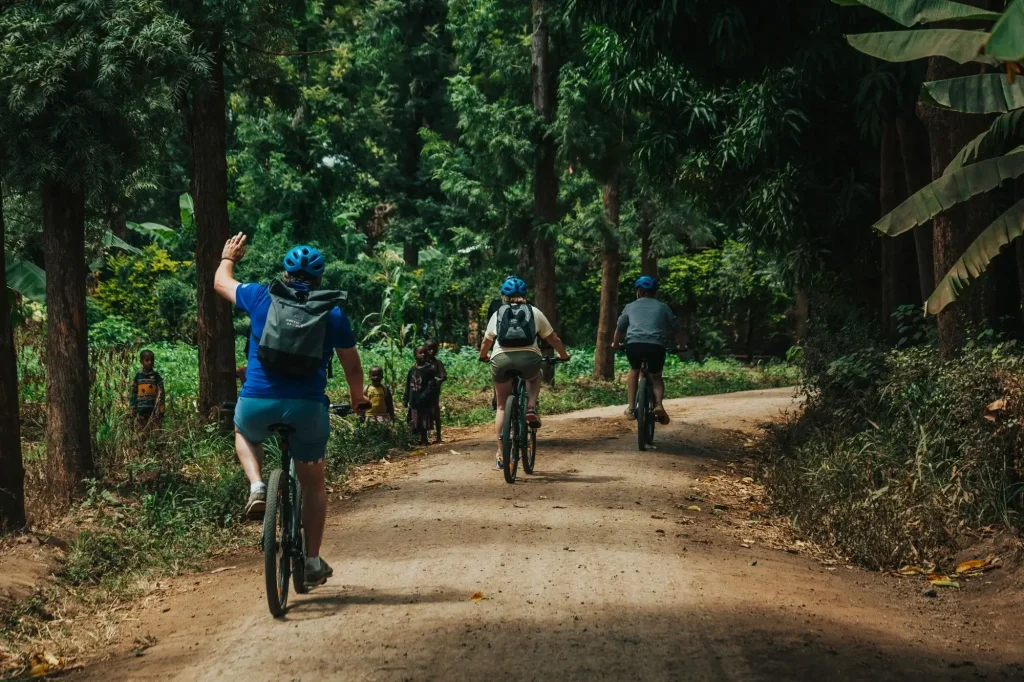
Cycling routes from Arusha into coffee-growing regions offer one of the most rewarding experiences in Tanzania. These rides traverse fertile volcanic soils where coffee, bananas, maize, and beans are cultivated using traditional and small-scale farming methods.
As cyclists move through these landscapes, local guides explain how coffee production supports families and how global markets affect rural livelihoods. Farm visits often include hands-on demonstrations of harvesting, roasting, and brewing, turning a simple ride into a cultural and educational journey.
The terrain is typically rolling rather than steep, allowing riders to focus on scenery and interaction rather than technical difficulty. The scent of coffee blossoms, the shade of banana trees, and the rhythm of village life create a sensory experience unique to this region.
Moshi and the Kilimanjaro Cycling Experience
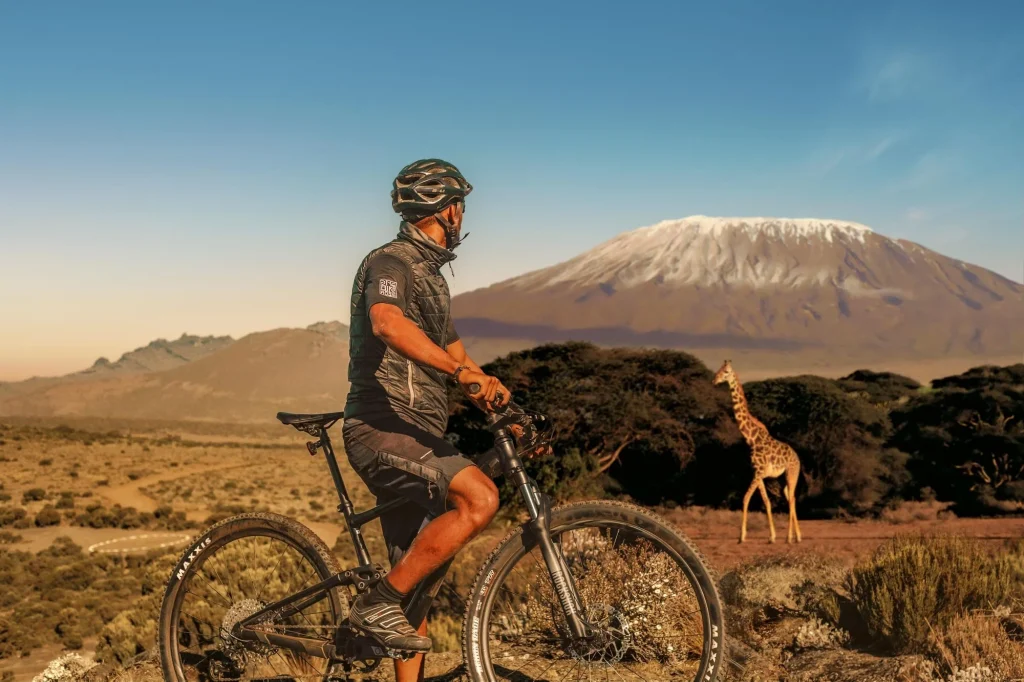
The Kilimanjaro region offers some of Tanzania’s most scenic cycling routes. Riding through Chagga villages on the lower slopes of Mount Kilimanjaro provides constant views of Africa’s highest peak, weather permitting. Ancient irrigation channels, forest edges, and cultivated land form a landscape shaped by centuries of human adaptation.
Cycling in this region often includes cultural stops at Chagga homesteads, coffee cooperatives, and local markets. Guides share insights into how the Chagga people have balanced agriculture, conservation, and tourism in a densely populated mountain environment.
Because Moshi is also the gateway for Kilimanjaro climbers, cycling tours here attract travelers who enjoy combining multiple outdoor adventures into a single itinerary.
The Kilimanjaro Marathon Cycling Segment
The cycling segment of the Kilimanjaro Marathon has become a significant event in Tanzania’s adventure tourism calendar. Held annually in Moshi, the event attracts both local and international cyclists who ride through town streets and surrounding rural areas beneath the backdrop of Mount Kilimanjaro.
Participation offers more than physical challenge. Communities line the routes, cheering riders and celebrating the event as a shared experience. For visitors, it provides cultural immersion and a festive atmosphere rarely found on standard cycling tours.
Planning a cycling tour around the marathon adds a social and celebratory dimension to a Tanzania adventure.
Cycling and Wildlife Awareness
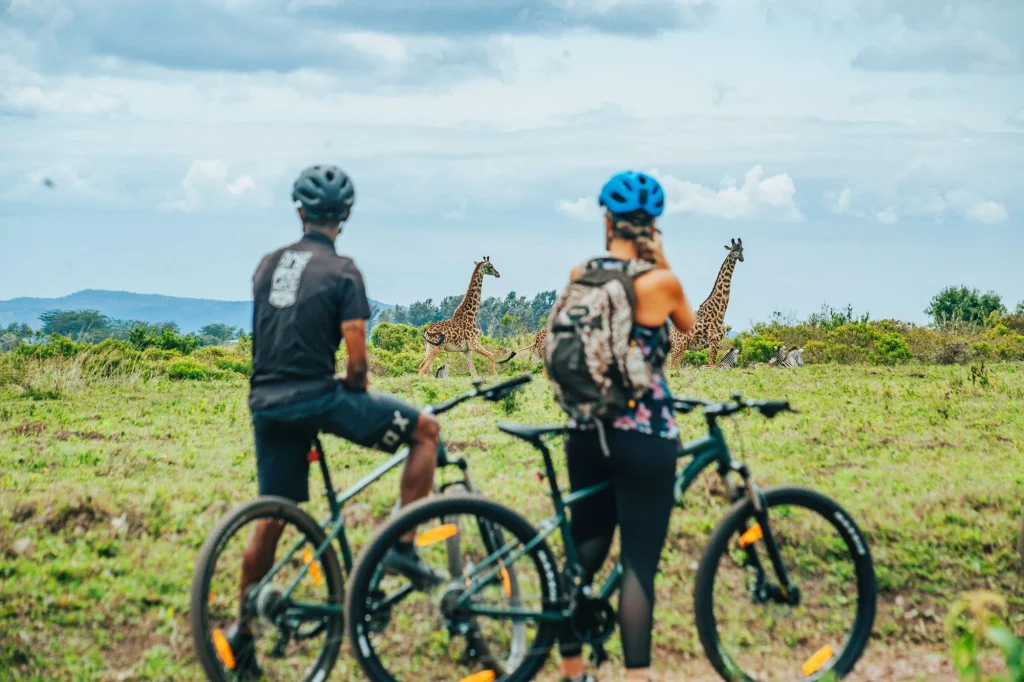
Cycling routes in Tanzania often pass through wildlife buffer zones rather than national parks. Riders may encounter giraffes, antelope, monkeys, and a rich variety of birdlife. These encounters are managed carefully by guides who understand animal behavior and maintain safe distances.
Cyclists learn to read the landscape, recognize animal signs, and respond calmly to unexpected sightings. This awareness fosters respect for wildlife and reinforces the idea that humans are guests within shared ecosystems.
Wildlife encounters on a bike feel especially powerful because they occur quietly and without engines, creating moments of mutual observation rather than disruption.
Health, Fitness, and Acclimatization
Cycling in Tanzania requires reasonable fitness, but tours are designed to accommodate a range of abilities. Most itineraries include gradual distances and allow for rest days. Altitude, especially around Arusha and Kilimanjaro, is considered in route planning to ensure safe acclimatization.
Hydration is critical, particularly in warmer regions. Tour operators provide clean drinking water and encourage riders to pace themselves. Guides monitor participants closely, adjusting plans if necessary.
Medical support and evacuation plans are standard for reputable operators, ensuring peace of mind for travelers.
Cultural Sensitivity and Community Respect
Cycling tours place travelers directly within communities, making cultural sensitivity essential. Dress modesty, respectful greetings, and permission before photography are fundamental practices. Guides provide cultural briefings to help cyclists understand local customs and social norms.
Cyclists are often invited to interact with children, farmers, and elders, creating opportunities for genuine exchange. These moments work best when approached with humility and curiosity rather than expectation.
Responsible cycling tourism strengthens relationships between visitors and host communities, ensuring tourism remains welcome rather than disruptive.
Environmental Sustainability and Cycling Tourism
Cycling is one of the most environmentally friendly forms of travel. It produces no emissions, reduces reliance on vehicles, and encourages low-impact exploration. Many cycling tour operators in Tanzania integrate sustainability into their operations by supporting conservation initiatives, using local accommodations, and minimizing waste.
By choosing cycling tours, travelers contribute to tourism models that prioritize long-term environmental health and community wellbeing over mass visitation.
Best Time for Cycling Tours in Tanzania
The dry season from June to October offers the most predictable conditions for cycling, with firm roads and cooler temperatures. January and February also provide good riding conditions, particularly in northern Tanzania.
The rainy seasons bring lush scenery and fewer tourists but require flexibility due to muddy roads. Experienced cyclists may enjoy these months for their dramatic landscapes and quieter routes.
Combining Cycling with Safari and Beach Travel
One of the greatest strengths of Tanzania cycling tours is their flexibility. Cycling can be combined seamlessly with classic safaris in Serengeti, Tarangire, or Ngorongoro, as well as beach relaxation in Zanzibar.
This combination creates a multi-layered journey that balances activity, wildlife, culture, and rest.
Tanzania at Pedal Pace
A Tanzania cycling tour reveals the country in its most human form. It is a journey of movement, connection, and understanding, where landscapes unfold slowly and relationships form naturally.
For travelers who want more than observation for those who want to feel Tanzania beneath their wheels cycling offers an unforgettable path into the heart of the country.
Frequently Asked Questions Tanzania Cycling Tour
What is a Tanzania cycling tour?
A Tanzania cycling tour is a guided adventure travel experience that allows visitors to explore the country by bicycle through rural landscapes, agricultural areas, and culturally rich regions. Unlike competitive cycling, these tours focus on immersion rather than speed, combining moderate riding with cultural visits, nature encounters, and local interaction.
Most cycling tours are fully supported, meaning there is a guide, a backup vehicle, and flexible pacing, making them accessible to a wide range of travelers. Cycling tours are often combined with safari game drives, coffee plantation visits, or beach holidays, creating a diverse and rewarding itinerary.
Is cycling in Tanzania safe for visitors?
Cycling in Tanzania is safe when undertaken with experienced, reputable tour operators who understand local conditions. Routes are carefully selected to avoid heavy traffic and high-risk areas, focusing instead on rural roads, village tracks, and scenic back routes.
Guided tours include safety briefings, helmets, support vehicles, and trained guides who monitor road conditions, weather, and rider wellbeing. Wildlife encounters are managed responsibly, and cyclists are briefed on how to behave calmly and respectfully in shared environments. With proper planning and guidance, cycling in Tanzania is both safe and enjoyable.
Do I need to be a professional or highly trained cyclist?
No, professional cycling experience is not required. Most Tanzania cycling tours are designed for recreational riders with a basic level of fitness. Distances are manageable, the pace is relaxed, and frequent breaks are built into the itinerary.
Tours are adaptable, allowing riders to shorten or extend routes depending on comfort and energy levels. In some regions, e-bikes are available, making cycling accessible even for travelers who want a gentler experience. The focus is on enjoyment, scenery, and connection rather than physical performance.
What wildlife might I see while cycling in Tanzania?
While cycling tours generally avoid national parks for safety reasons, many routes pass through wildlife buffer zones and rural conservation areas. Cyclists may encounter giraffes, antelope, zebras, monkeys, and a wide range of bird species, particularly in northern Tanzania near Arusha, Lake Manyara, and the Kilimanjaro region.
These encounters are usually calm and respectful, as bicycles do not disturb wildlife in the same way vehicles do. Guides are trained in wildlife awareness and ensure that safe distances are maintained at all times.
When is the best time to do a cycling tour in Tanzania?
The best time for cycling tours in Tanzania is during the dry seasons, from June to October and from January to February. During these months, roads are firm, temperatures are comfortable, and visibility is excellent.
The rainy seasons, particularly March to May, bring lush landscapes but can make some routes muddy or challenging. However, experienced cyclists may still enjoy riding during the green season with flexible planning. Because cycling tours are not dependent on wildlife migration, they can be enjoyed year-round with the right preparation.
Can cycling tours be combined with safari and beach holidays?
Yes, one of the greatest strengths of Tanzania cycling tours is how seamlessly they combine with other travel experiences. Many itineraries begin with cycling around Arusha or Kilimanjaro, followed by classic safari game drives in Serengeti, Tarangire, or Ngorongoro.
Afterward, travelers often relax on the beaches of Zanzibar or the mainland coast. This combination creates a well-balanced journey that blends activity, wildlife, culture, and rest, making it ideal for travelers seeking variety and depth.
What makes cycling tours different from traditional safaris?
Cycling tours offer a fundamentally different way of experiencing Tanzania. Traditional safaris focus on observation from a vehicle, while cycling tours emphasize participation and immersion. Traveling by bike allows visitors to move slowly through landscapes, interact directly with local communities, and experience daily life at ground level.
Cycling encourages conversation, curiosity, and shared moments that rarely happen from behind a windshield. For many travelers, cycling tours provide a deeper emotional connection to Tanzania, complementing the excitement of wildlife safaris with human stories and lived experiences.
RELATED BLOGS


Exploring Africa’s Iconic Experience in Tanzania


Explore Astro
Our Dream Vacation
Day Trips (Short Safari)
Top Experiences
© Copyright 2026 Astro Safaris and Tours
