

Based on Tripadvisor reviews

Based on Tripadvisor reviews
Based on Tripadvisor reviews
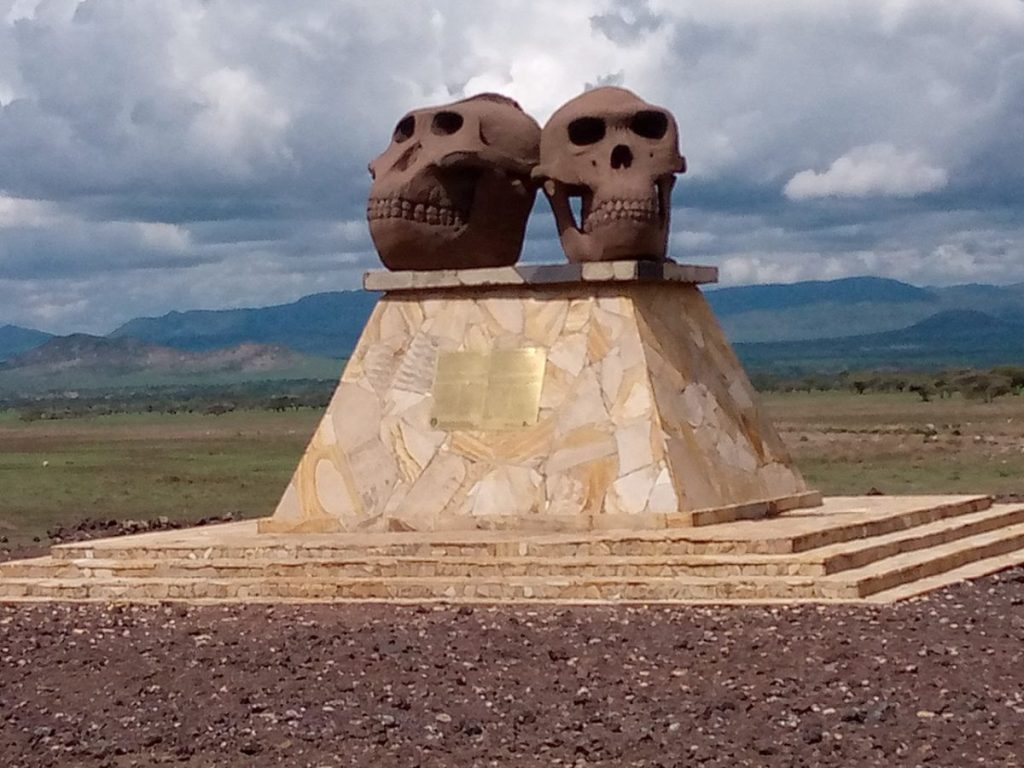



Northern Tanzania is one of the few places on Earth where human history, wildlife, and dramatic landscapes merge into a single, powerful journey. Within the vast Ngorongoro Conservation Area, travelers encounter not only classic safari scenery but also the deepest roots of humanity itself. At the heart of this story lies Olduvai Gorge, widely known as the “Cradle of Mankind.”
Yet Olduvai does not stand alone. Rising quietly within the Ngorongoro Highlands are two lesser-known volcanic landscapes—Empakai Crater and Olmoti Crater. Together, these three destinations form a remarkable corridor of archaeology, geology, culture, and safari adventure. For travelers seeking more than wildlife sightings, this region offers understanding, reflection, and connection to the origins of humankind.
What Is Olduvai Gorge?
Olduvai Gorge is a steep-sided ravine carved into the eastern Serengeti plains, stretching for nearly fifty kilometers within the Ngorongoro Conservation Area. Its location between the southern Serengeti and the Ngorongoro highlands makes it a natural stop on many safari routes, yet its importance extends far beyond convenience.
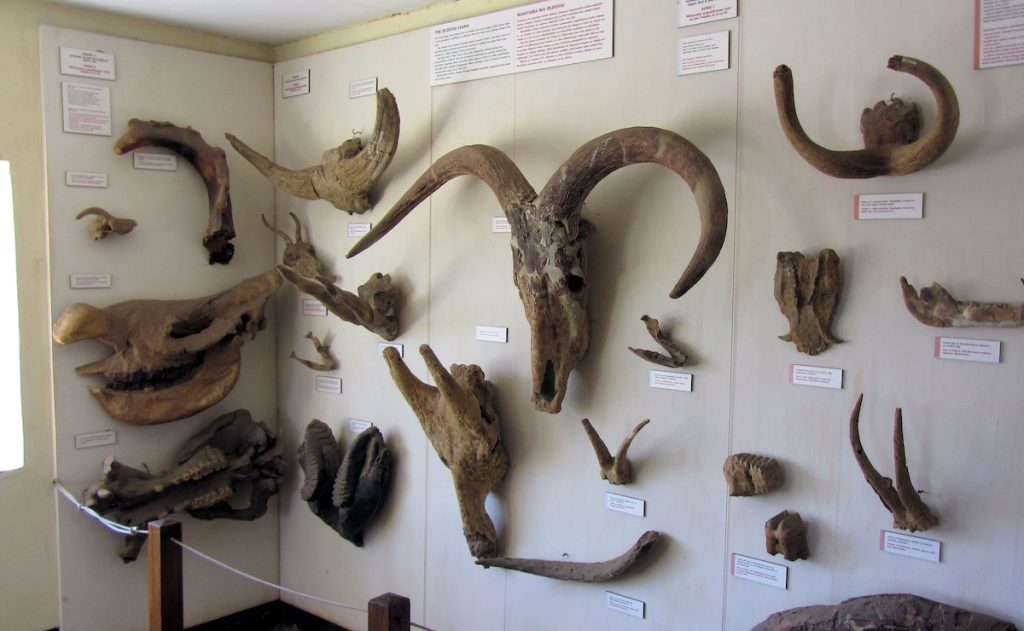
The gorge exposes sediment layers that span almost two million years, preserving fossilized remains of early humans, extinct animals, and stone tools. These visible layers allow scientists to reconstruct human evolution with exceptional clarity, making Olduvai one of the most significant archaeological sites in the world. Standing at its edge, visitors look directly into humanity’s earliest timeline.
Why Olduvai Is Called the “Cradle of Mankind”
Olduvai Gorge earned its title because it holds some of the most important evidence of early human life ever discovered. Fossils found here show how early hominins evolved to walk upright, adapted to environmental change, and began using tools to survive. These discoveries provided undeniable proof that Africa is the birthplace of humanity.
Before Olduvai’s excavations, theories about human origins were fragmented and uncertain. The discoveries made here transformed scientific understanding and reshaped how the world views its own beginnings. Olduvai is not simply a historical site; it is a place where the story of humanity became clear.
The Leakey Family and Discoveries That Changed the World
The global importance of Olduvai Gorge is closely tied to the work of Louis and Mary Leakey. Their groundbreaking research during the mid-twentieth century placed Olduvai at the center of paleoanthropology and changed how scientists understood early humans.
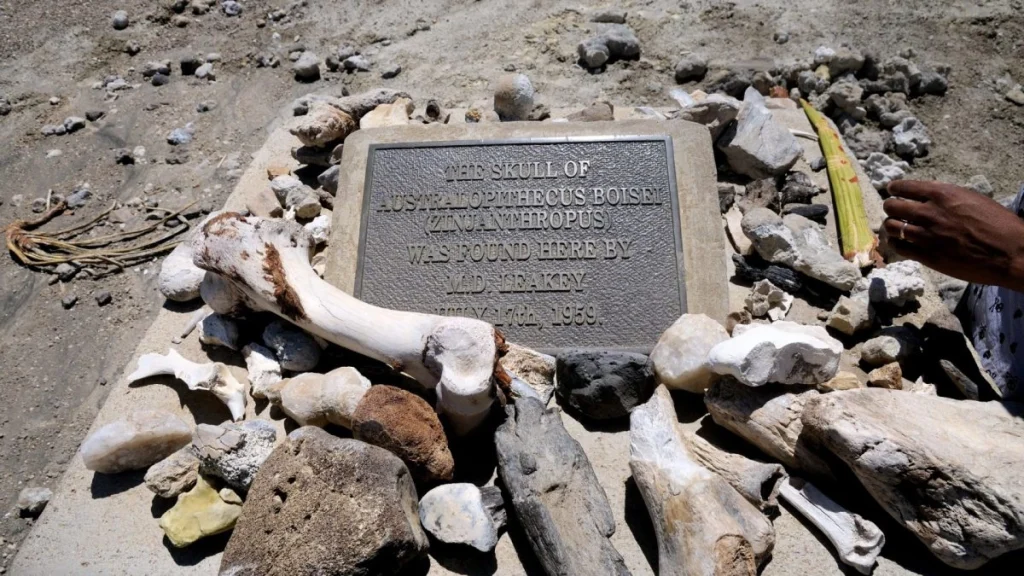
Mary Leakey’s discovery of Australopithecus boisei in 1959 brought international attention to the gorge. Later findings of Homo habilis, associated with stone tools, proved that early humans were capable of tool-making far earlier than previously believed. These discoveries showed intelligence, innovation, and adaptability at a much earlier stage of human evolution.
Research continues today, ensuring that Olduvai remains a living scientific landscape rather than a closed chapter in history.
Stone Tools and the Birth of Human Technology
One of Olduvai’s greatest contributions to human history is the discovery of Oldowan stone tools. These simple tools, crafted from volcanic rock, marked the beginning of human technology. They were used to cut meat, scrape hides, break bones for marrow, and process plant material.
Though basic in appearance, these tools transformed survival. They allowed early humans to exploit new food sources, share resources, and adapt to challenging environments. At the Olduvai Gorge Museum, visitors can see replicas and learn how these early tools laid the foundation for all future technological progress.
Life at Olduvai
Early Humans in a Safari Landscape
Olduvai was once a dynamic environment of lakes, rivers, open grasslands, and woodlands—remarkably similar to today’s Serengeti ecosystem. Early humans lived alongside large herbivores and dangerous predators, navigating a landscape filled with opportunity and risk.
Survival required observation, cooperation, and adaptability. Early hominins learned to follow animal movements, exploit seasonal resources, and use tools for protection and food preparation. This deep connection between humans and wildlife is still visible today, making Olduvai especially meaningful for safari travelers witnessing the same ecological patterns.
Empakai Crater
A Quiet Volcanic Sanctuary
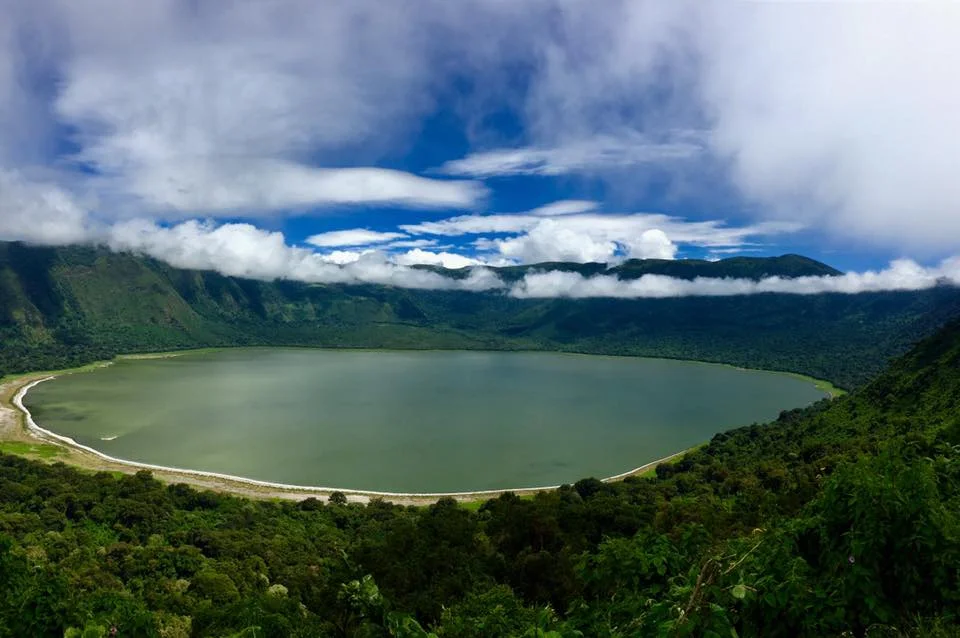
Empakai Crater lies within the Ngorongoro Highlands and offers a striking contrast to Olduvai’s exposed ravine. This large volcanic caldera contains a deep soda lake that often reflects shades of green and blue, depending on the light and season.
Empakai is known for its tranquility. Forested crater walls shelter baboons, blue monkeys, and antelope, while the alkaline lake attracts flamingos and water birds. Hiking into the crater provides sweeping views toward Ol Doinyo Lengai, the Maasai’s sacred mountain. For travelers, Empakai introduces a slower pace and a walking safari experience focused on scenery, birds, and reflection.
Olmoti Crater
Walking Safaris and Maasai Heritage
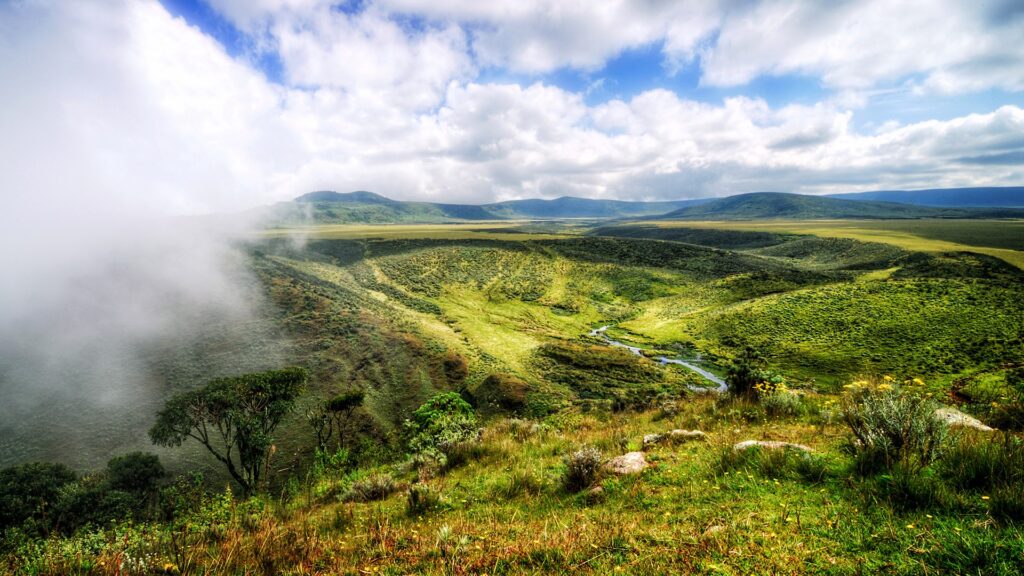
Olmoti Crater is smaller and gentler than Empakai but equally rewarding. It is the source of the Munge River, which flows toward Lake Magadi in the Ngorongoro Crater. Olmoti is ideal for guided walking safaris, offering open grasslands, volcanic ridges, and seasonal waterfalls.
Walking through Olmoti with Maasai guides provides insight into traditional pastoral life and land use. Wildlife sightings may include zebra, antelope, and a wide variety of birds, but the real value lies in cultural connection and landscape interpretation. Olmoti adds a human dimension to the safari experience.
Connecting Olduvai, Empakai, and Olmoti
Together, Olduvai Gorge, Empakai Crater, and Olmoti Crater create a complete and meaningful safari circuit. Olduvai explains where humanity began, Empakai reveals the volcanic forces that shaped the land, and Olmoti connects modern culture to ancient landscapes.
This combination offers travelers a deeper understanding of northern Tanzania. It transforms a safari from wildlife observation into a journey through time, geology, and living tradition.
Best Time to Visit Olduvai, Empakai, and Olmoti
These destinations can be visited throughout the year. The dry season from June to October offers the best conditions for walking and hiking, with clear skies and cooler temperatures. The green season from November to May brings lush landscapes, fewer visitors, and excellent birdlife, creating a different but equally rewarding experience.
Because these sites are not dependent on animal migration, they remain meaningful in all seasons.
Why These Places Still Matter Today
Olduvai Gorge reminds us of our shared origins, while Empakai and Olmoti show how landscapes influence life, culture, and survival. Together, they highlight humanity’s ability to adapt, cooperate, and coexist with nature—lessons that remain relevant in the modern world.
These landscapes are not just preserved history; they are active classrooms for understanding resilience and sustainability.
A Journey Through Time and Nature
Olduvai Gorge stands at the intellectual heart of northern Tanzania, but when combined with Empakai and Olmoti Craters, it becomes part of a far richer story. This journey links human evolution, volcanic landscapes, wildlife, and living culture into a single, powerful experience.
This is more than a safari. It is a journey through time, where every step reveals deeper meaning and connection. If the Serengeti shows life in motion and Ngorongoro reveals nature’s abundance, then Olduvai, Empakai, and Olmoti explain why this land matters to all of humanity.
Frequently Asked Questions Olduvai Gorge: the Cradle of Mankind Exploring Empakai & Olmoti Craters
Olduvai Gorge is called the Cradle of Mankind because it preserves some of the earliest and most continuous evidence of human evolution ever discovered. Fossils of early hominins, stone tools, and animal remains dating back nearly two million years were found here, proving that modern humans originated in Africa.
The discoveries at Olduvai helped scientists understand how early humans walked upright, used tools, and adapted to changing environments, making it one of the most important archaeological sites on Earth.
Yes, Olduvai Gorge is commonly visited as part of a northern Tanzania safari, especially when traveling between Serengeti National Park and Ngorongoro Crater. The site is easily accessible by safari vehicle and includes a museum and guided viewpoints.
Many travelers consider it a highlight because it adds historical and educational depth to a wildlife-focused itinerary, transforming a safari into a journey through both natural and human history.
Empakai Crater stands out for its tranquility, scenery, and walking safari experience. Unlike the busier Ngorongoro Crater, Empakai is rarely crowded and offers a peaceful atmosphere.
The crater contains a deep soda lake that attracts flamingos and water birds, while its forested slopes support monkeys, antelope, and rich birdlife. Hiking into Empakai provides panoramic views across the Ngorongoro Highlands and toward Ol Doinyo Lengai, making it ideal for travelers seeking quiet, scenic exploration.
Yes, Olmoti Crater is one of the best locations for guided walking safaris in the Ngorongoro Conservation Area. The terrain is gentle and accessible, making it suitable for most fitness levels. Walks are often led by Maasai guides who share knowledge about local wildlife, medicinal plants, and traditional pastoral life.
Olmoti is also the source of the Munge River, adding scenic waterfalls and river valleys to the experience. It is especially rewarding for travelers interested in culture, landscapes, and active exploration.
Most visitors spend one to two hours at Olduvai Gorge. This typically includes time at the Olduvai Gorge Museum, where fossils and stone tools are displayed, as well as stops at designated viewpoints overlooking the gorge itself.
Travelers with a strong interest in archaeology or human evolution may wish to spend slightly longer, especially if accompanied by a knowledgeable guide who can provide deeper interpretation of the site.
Wildlife sightings are possible at all three locations, though they differ from traditional game-drive parks. Around Olduvai Gorge, you may see plains animals such as zebras, antelope, and occasional predators passing through the area.
Empakai and Olmoti are better known for birdlife, monkeys, and grazing animals, rather than large carnivores. These areas are valued more for their landscape, walking safaris, and cultural significance than for big-game viewing.
These sites can be visited year-round, but the experience varies by season. The dry season from June to October offers cooler temperatures, clear views, and excellent walking conditions, making it ideal for hiking at Empakai and Olmoti.
The green season from November to May brings lush scenery, fewer visitors, and excellent birdlife, especially around Empakai’s lake. Because these destinations are not dependent on animal migration, they remain rewarding at any time of year.
RELATED BLOGS
Exploring Africa’s Iconic Experience in Tanzania
Explore Astro
Our Dream Vacation
Day Trips (Short Safari)
Top Experiences