

Based on Tripadvisor reviews

Based on Tripadvisor reviews
Based on Tripadvisor reviews
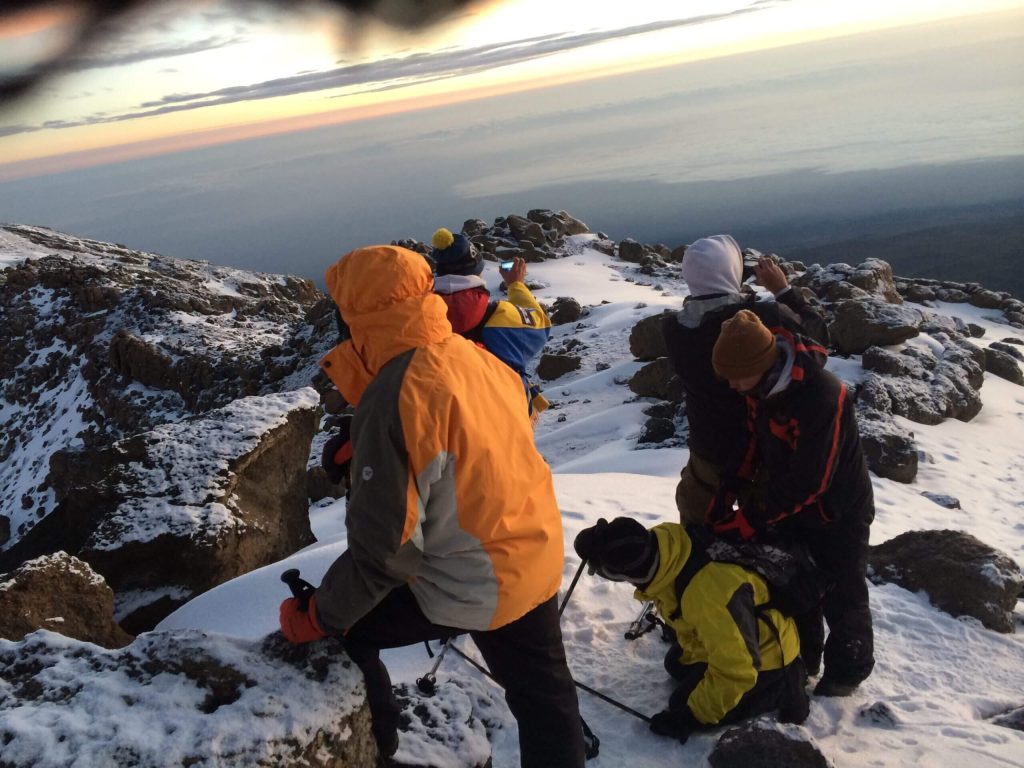
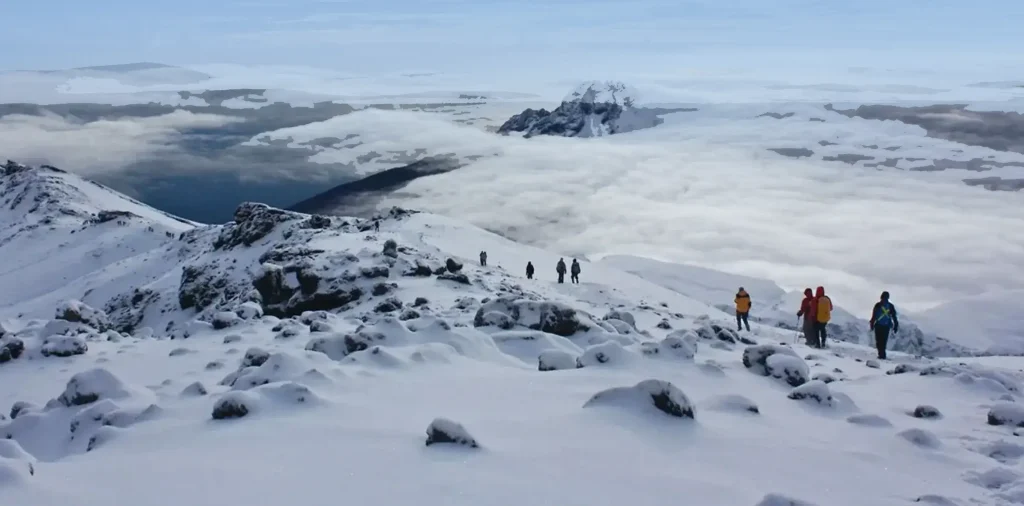
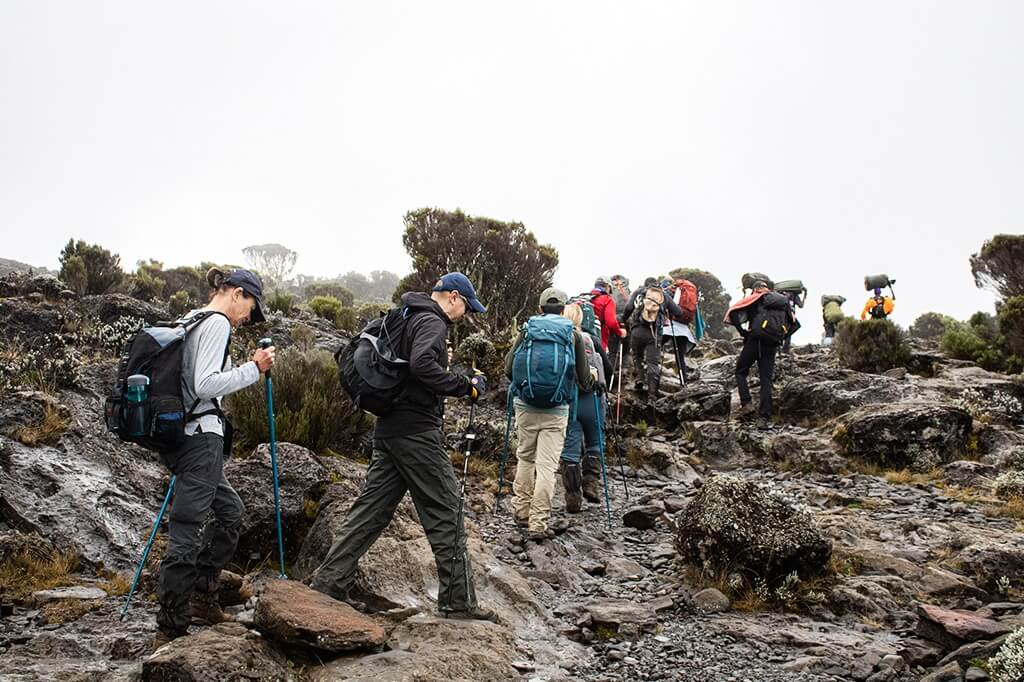
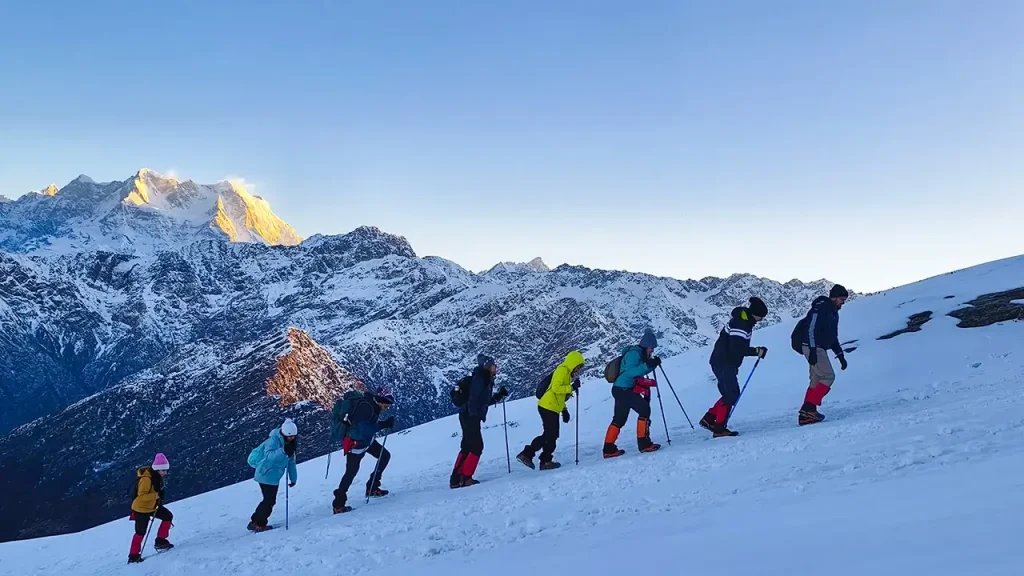

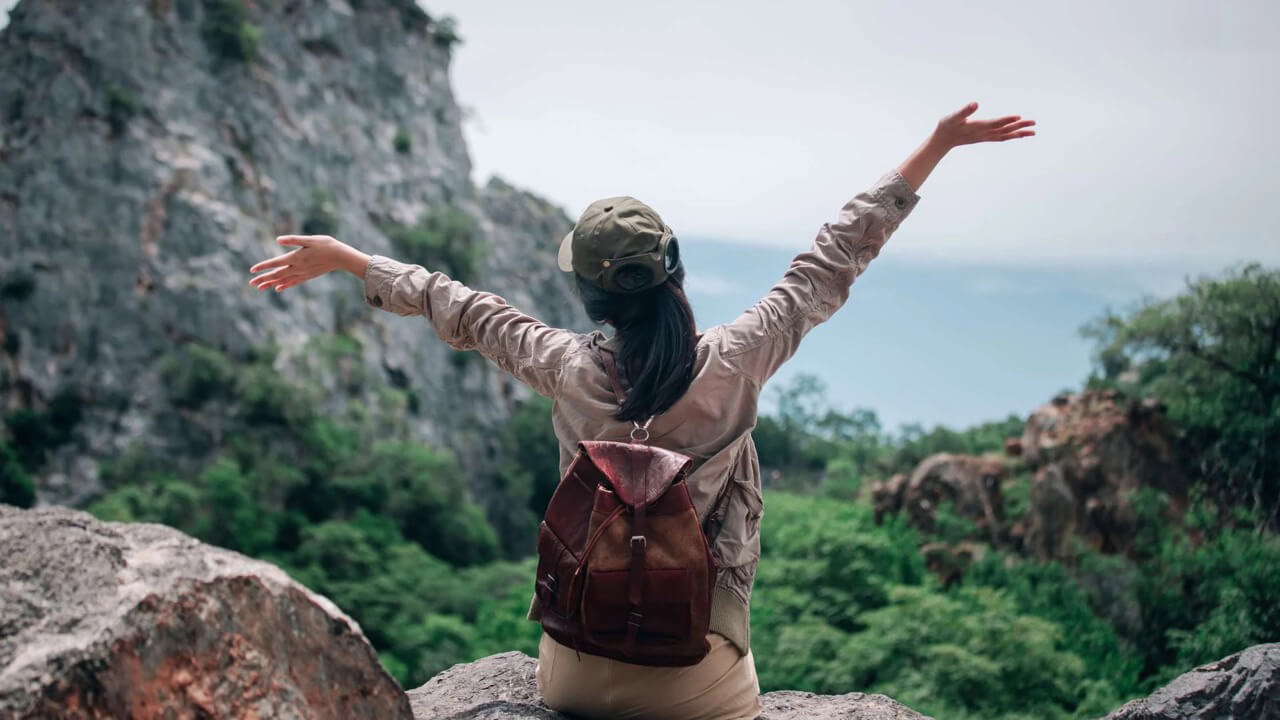


Mountain trekking in Tanzania is shaped as much by weather as by altitude, fitness, and route choice. From the snow-dusted summit of Mount Kilimanjaro to the forested slopes of Mount Meru, changing weather patterns influence trail conditions, visibility, safety, and overall trekking success. For climbers, understanding these patterns is not just helpful it is essential.
Many first-time trekkers assume Tanzania’s equatorial location guarantees stable conditions year-round. In reality, mountain weather here is dynamic and often unpredictable, especially at higher elevations. At Astro Safaris, trekking itineraries are designed with a clear understanding of seasonal weather cycles, ensuring climbers are prepared for what the mountains actually deliver, not what they expect.
Understanding Tanzania’s Mountain Weather Systems
Tanzania’s major trekking mountains rise high enough to create their own microclimates. As altitude increases, temperature drops, wind intensifies, and weather can shift rapidly within hours. This means conditions at the base of a mountain may bear little resemblance to those near the summit.
Weather patterns are influenced by seasonal rainfall, prevailing winds, and altitude-related temperature changes. Successful trekking depends on aligning travel dates with the most stable conditions while preparing for inevitable variations along the route.
The Role of Seasons in Mountain Trekking
Tanzania experiences two main trekking seasons influenced by rainfall: the dry seasons and the wet (green) seasons. Each affects trekking conditions differently.
Dry Seasons: Stability and Visibility
The primary dry season runs from June to October, with a shorter dry period from January to February. These months offer clearer skies, reduced rainfall, and more predictable trail conditions.
Dry seasons are particularly favorable for high-altitude trekking because:
This is why Astro Safaris often recommen
Wet Seasons: Challenge and Character
The long rains typically occur from March to May, while short rains fall around November and early December. During these periods, lower slopes receive significant rainfall, while higher elevations may experience snow, sleet, or freezing rain.
Wet seasons bring challenges such as:
However, these seasons also offer quieter trails, lush scenery on lower slopes, and a more remote trekking experience for those prepared for the conditions.
How Weather Changes With Altitude
One of the most important realities of trekking in Tanzania is how dramatically weather changes as altitude increases.
At lower elevations, temperatures are often warm and humid, especially in forest zones. As trekkers ascend, conditions become cooler and drier, eventually turning cold and windy in alpine and summit zones.
On Mount Kilimanjaro, climbers may experience:
Astro Safaris prepares climbers for these transitions through detailed briefings and equipment guidance, ensuring weather changes are expected rather than overwhelming.
Wind, Cloud Cover, and Visibility
Wind plays a major role in how cold conditions feel at altitude. Even moderate wind speeds can significantly increase perceived cold, especially near summits. Wind exposure is highest above the tree line, where natural shelter is limited.
Cloud cover also affects trekking experience. Persistent clouds reduce visibility and can obscure landmarks, making navigation more demanding. Clear mornings followed by afternoon cloud buildup are common patterns, which is why summit attempts usually begin at night or early morning.
Weather and Trail Conditions
Weather directly affects trail quality. Rain softens soil, making paths muddy and increasing the risk of slips. In colder zones, snow and ice can accumulate, requiring careful footing and slower movement.
Dry conditions improve footing but may increase dust in lower zones. Understanding how weather affects trail conditions allows trekkers to pace themselves appropriately and conserve energy.
How Weather Influences Acclimatization
Acclimatization is essential for high-altitude trekking success, and weather plays an indirect but important role. Cold temperatures can suppress appetite and hydration, both critical for acclimatization. Rain and wind can increase fatigue, making rest and recovery more difficult.
Astro Safaris structures trekking itineraries to allow adequate acclimatization regardless of season, adjusting pace and rest days based on expected weather conditions.
Choosing the Best Time to Trek Based on Weather
Selecting the best trekking period depends on individual priorities. Climbers seeking comfort and high success rates generally choose dry seasons. Those looking for solitude and challenge may opt for shoulder or green seasons, provided they are properly equipped and guided.
Astro Safaris helps trekkers choose dates that balance weather conditions with personal goals, experience level, and route preferences.
Packing for Weather Variability
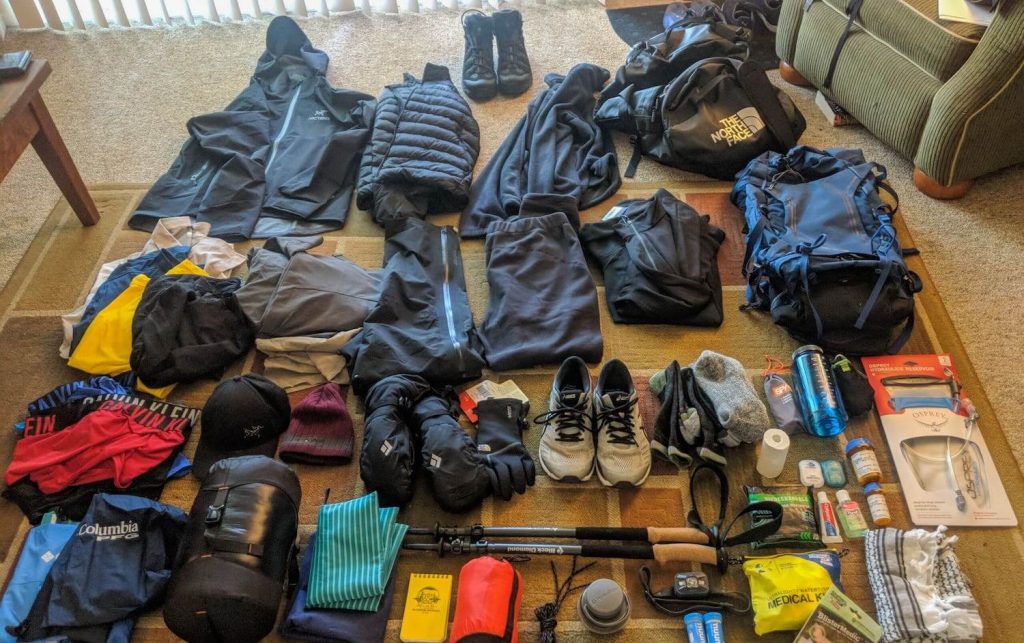
Proper packing is one of the most effective ways to manage weather challenges. Layering is essential, allowing trekkers to adjust to temperature changes throughout the day.
Key weather-related considerations include:
Guidance from Astro Safaris ensures trekkers are equipped for all conditions without unnecessary weight.
Safety Considerations Linked to Weather
Weather affects safety in multiple ways, from increased risk of hypothermia to reduced visibility. Experienced guides monitor conditions closely and adjust plans when necessary.
Astro Safaris prioritizes safety over schedules, understanding that mountain conditions demand flexibility and respect.
Trek Smarter by Understanding the Weather
Weather is one of the most powerful forces shaping mountain trekking in Tanzania. It influences safety, comfort, visibility, and success, often more than physical strength alone. Understanding these patterns allows trekkers to prepare realistically and appreciate the mountains on their own terms.
Astro Safaris believes successful trekking is built on knowledge, preparation, and respect for nature. By aligning trekking plans with Tanzania’s weather patterns, Astro Safaris helps climbers experience the mountains safely, confidently, and meaningfully.
Frequently Asked Questions About How Weather Patterns Affect Mountain Trekking in Tanzania
Dry seasons offer the most stable and comfortable trekking conditions.
Yes, but conditions are more challenging and require proper preparation.
Yes, weather influences trail conditions, energy levels, and visibility, all of which impact success.
Summit temperatures can drop well below freezing, especially at night.
Generally yes, though weather can still change quickly at altitude.
Astro Safaris designs itineraries based on seasonal data and adjusts plans as conditions change.
Beginners usually have a better experience during dry seasons due to easier conditions.
RELATED BLOGS
Exploring Africa’s Iconic Experience in Tanzania
Explore Astro
Our Dream Vacation
Day Trips (Short Safari)
Top Experiences