

Based on Tripadvisor reviews

Based on Tripadvisor reviews
Based on Tripadvisor reviews
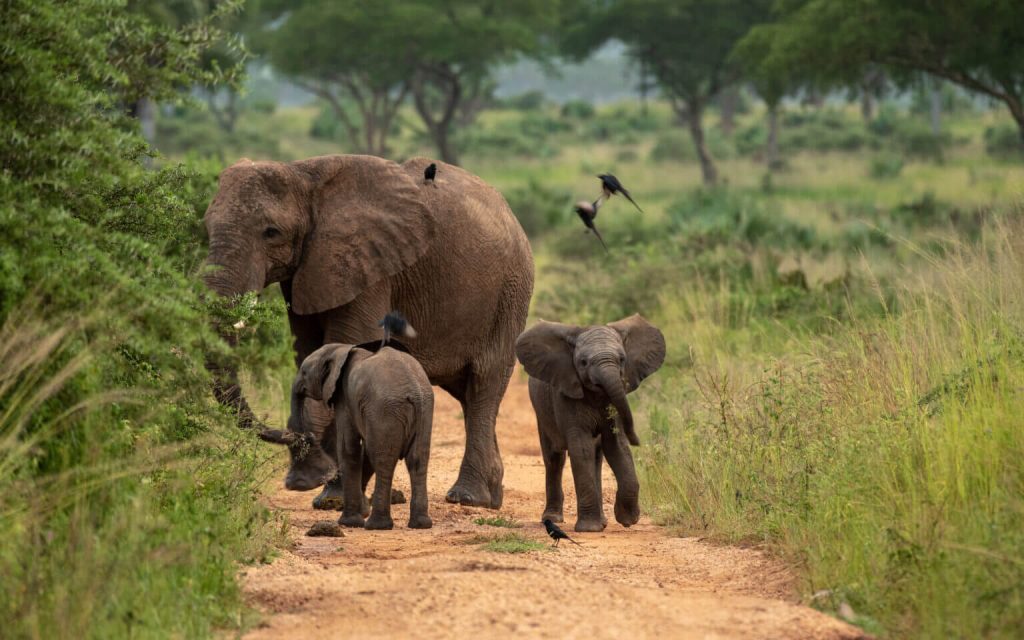
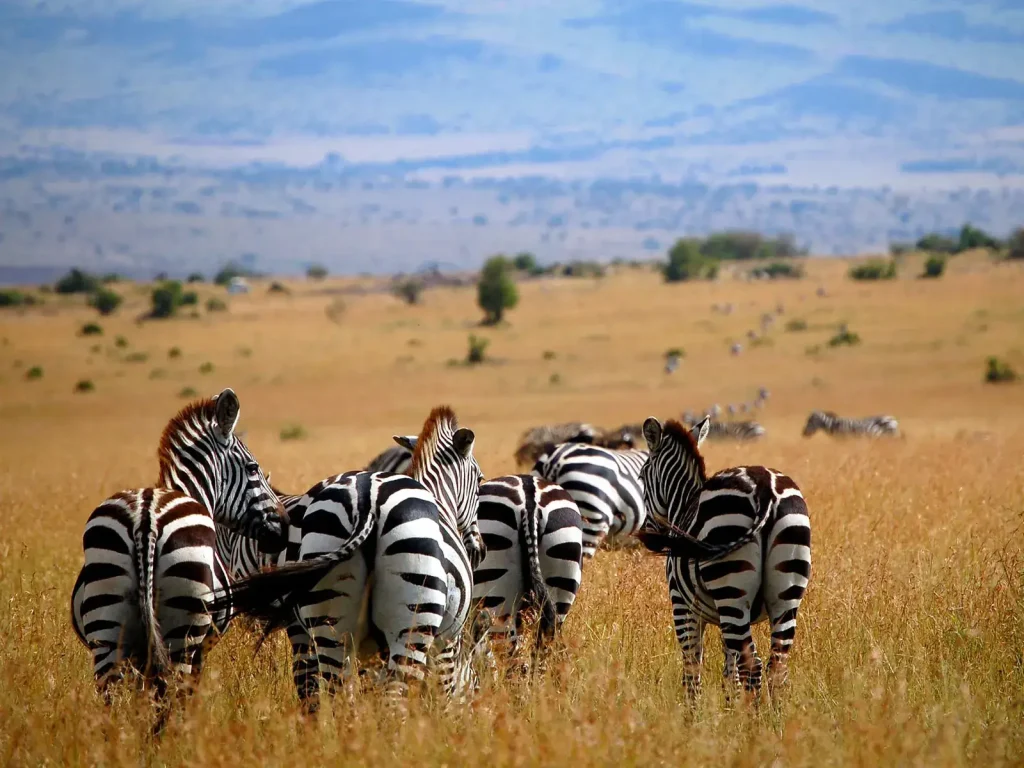
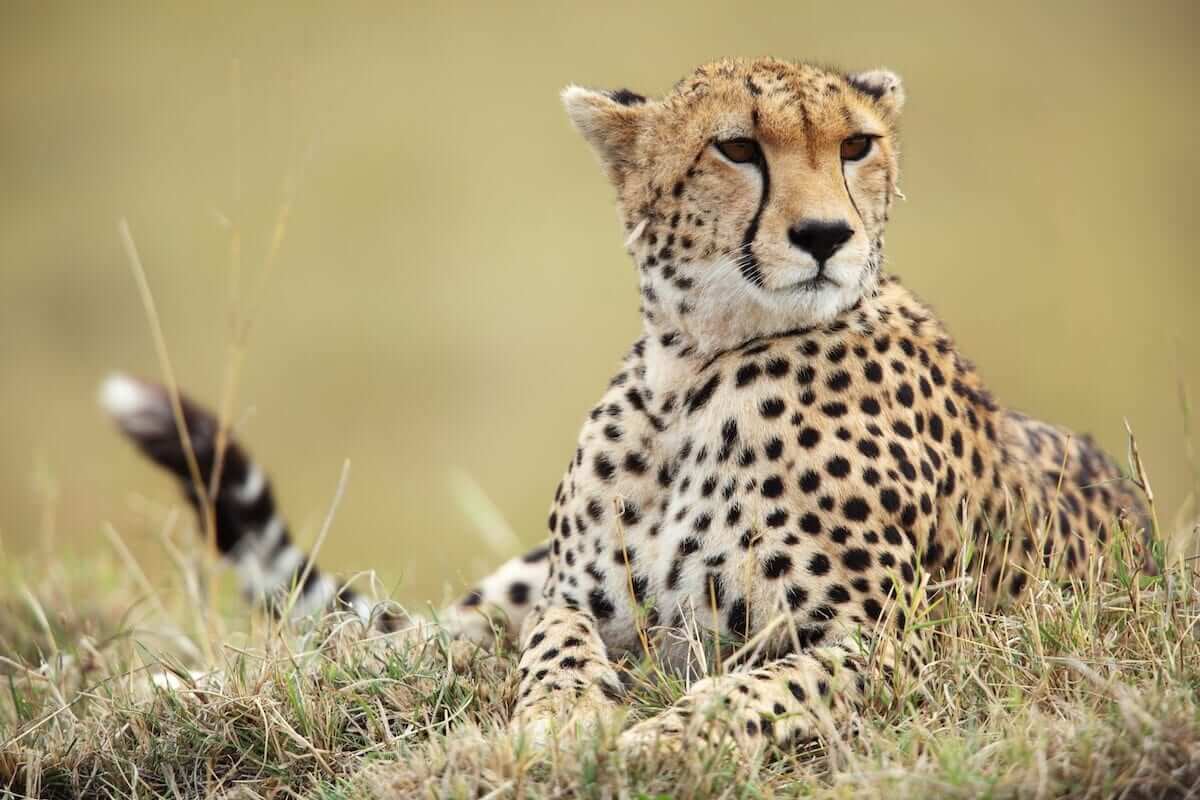
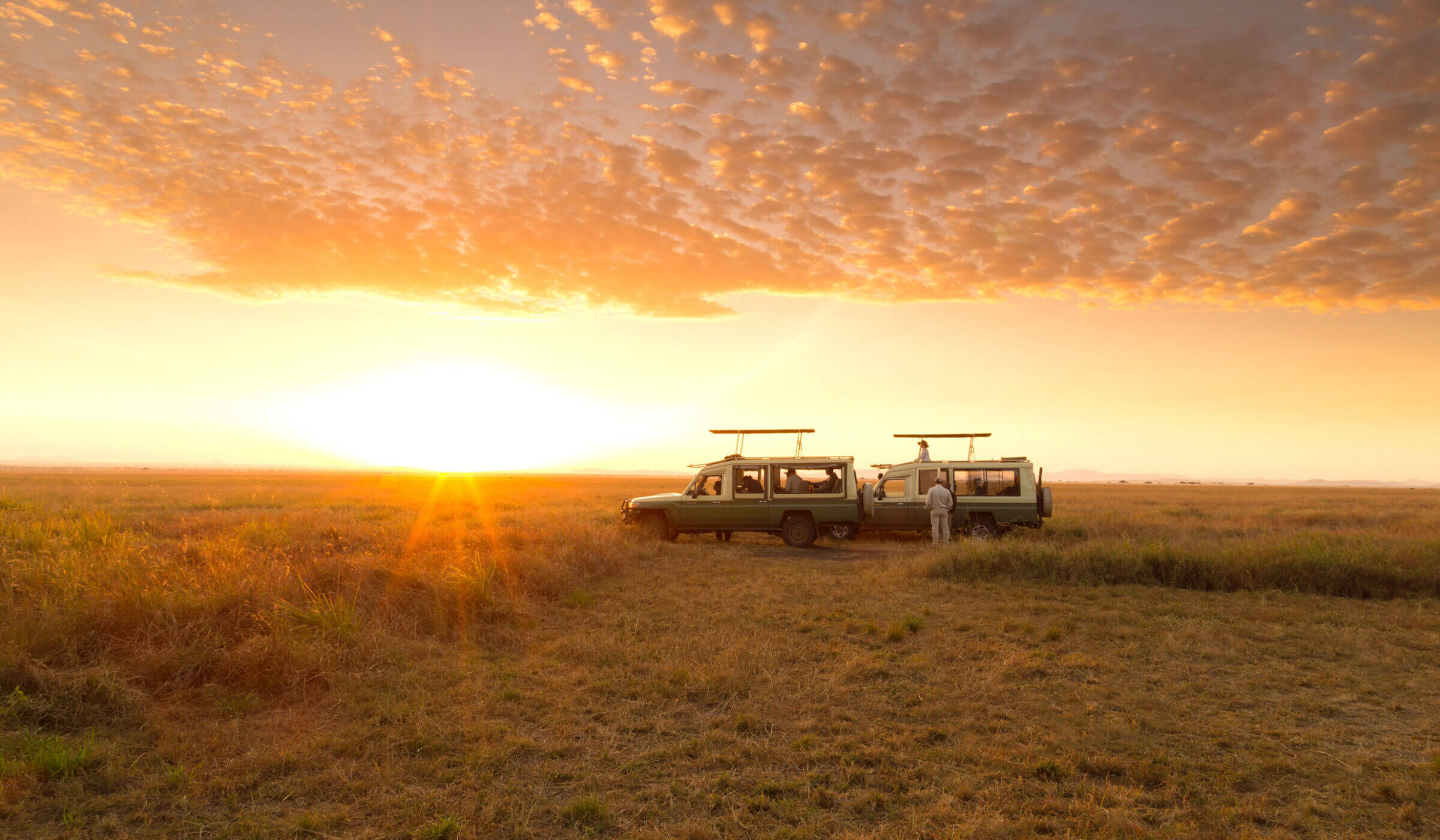
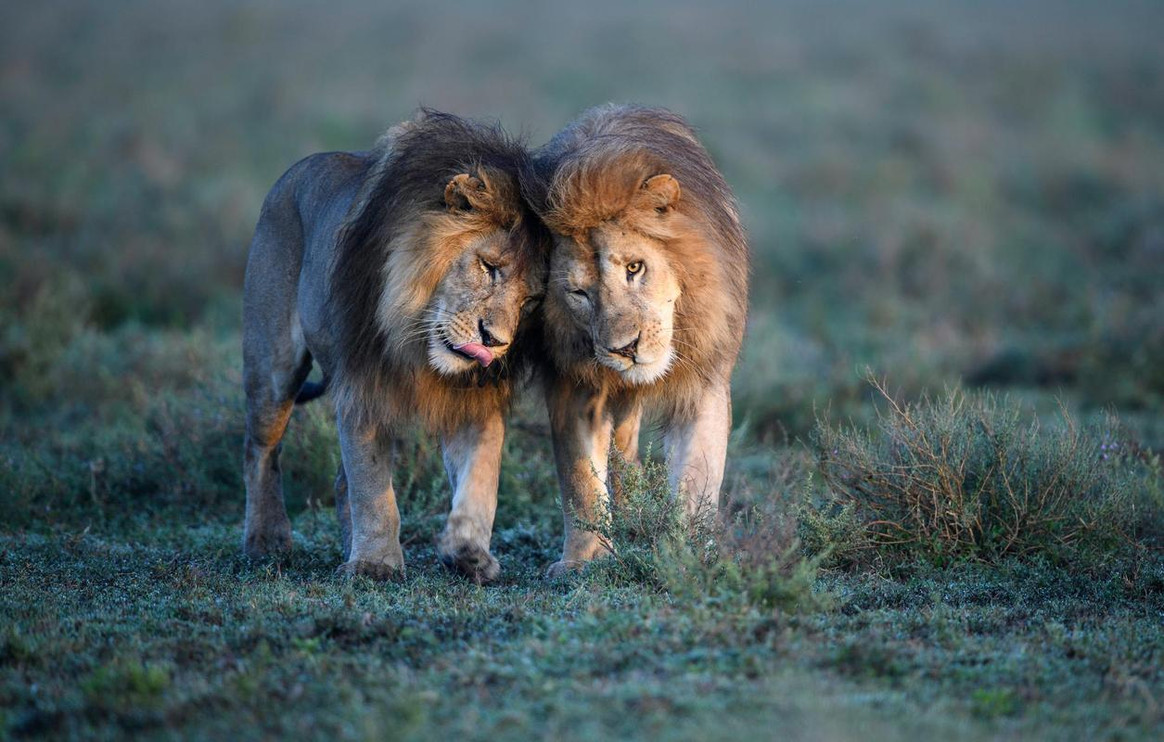



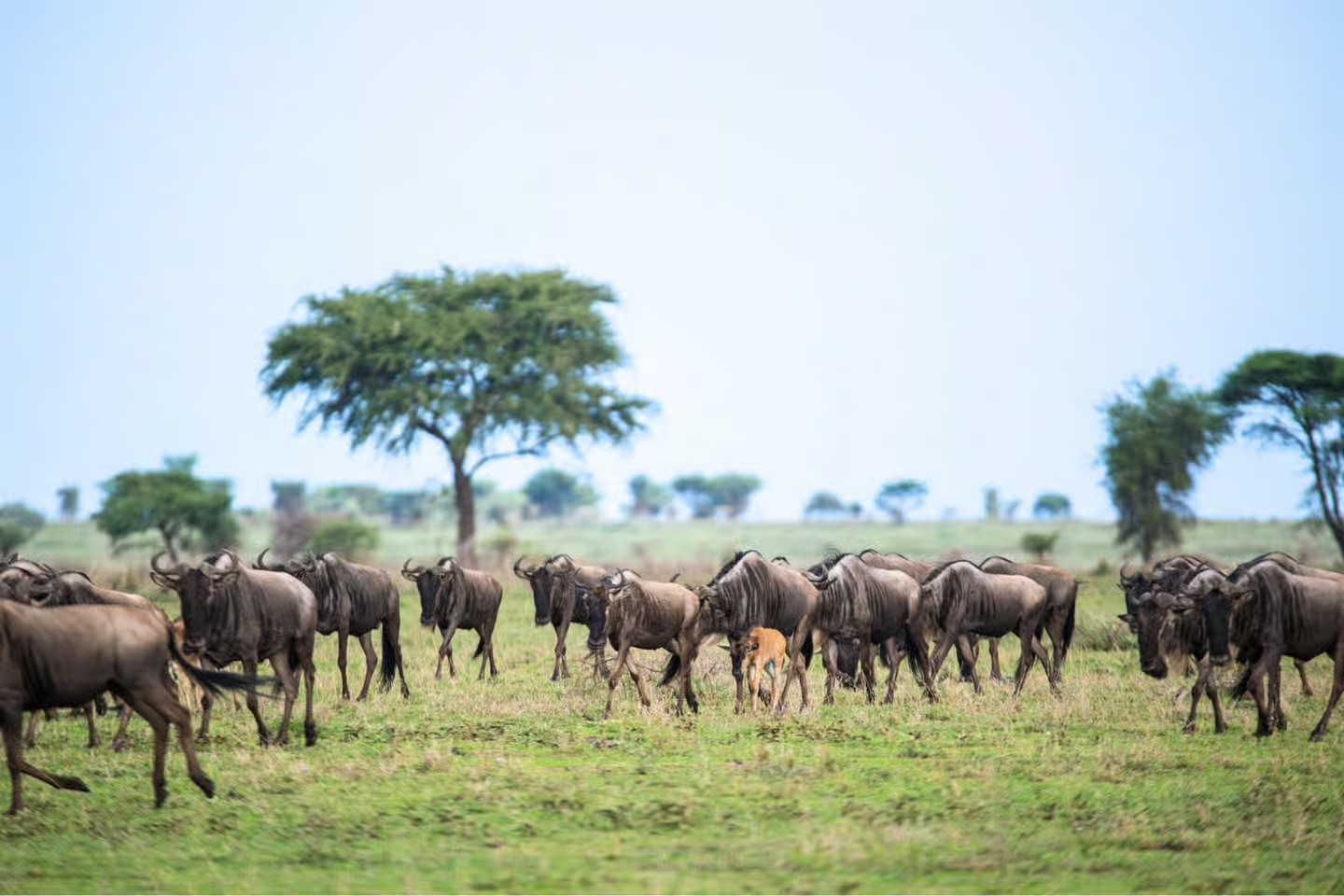
A Tanzania safari is often associated with sweeping savannahs, iconic wildlife, and dramatic landscapes. Yet beyond the game drives lies another dimension of travel that many visitors overlook—the human stories that shape these landscapes. Tanzania is home to more than 120 ethnic groups, each with its own traditions, history, and relationship with the land. When cultural experiences are thoughtfully combined with wildlife safaris, the result is a richer, more balanced journey.
For travelers seeking depth rather than surface-level sightseeing, blending cultural encounters with wildlife exploration offers perspective, context, and connection. At Astro Safaris, this approach is central to itinerary design, ensuring that visitors understand not only what they see, but where it comes from and why it matters.
Why Cultural Experiences Matter on a Tanzania Safari
Wildlife does not exist in isolation. Many of Tanzania’s most important ecosystems have been shaped over centuries by human presence, particularly pastoralist communities who live alongside wildlife. Cultural experiences help travelers understand how conservation, tradition, and daily life intersect.
By visiting communities, listening to local stories, and observing traditional practices, travelers gain insight into how people coexist with wildlife. This understanding enhances the safari experience, transforming animals from isolated sightings into part of a broader living system.
Understanding Tanzania’s Cultural Diversity
Tanzania’s cultural landscape is remarkably diverse. From pastoralist societies to hunter-gatherer communities, each group contributes to the country’s identity.
Northern Tanzania, in particular, offers opportunities to explore cultures that have maintained strong connections to the land. Communities such as the Maasai, Hadzabe, and Datoga live in regions commonly included in safari itineraries, making cultural visits a natural complement to wildlife travel.
Choosing the Right Regions for Cultural and Wildlife Experiences
Northern Tanzania Safari Circuit
The northern circuit is ideal for combining cultural experiences with wildlife safaris. Parks such as Serengeti National Park, Ngorongoro Conservation Area, Tarangire National Park, and Lake Manyara National Park are located near culturally significant communities.
For example, Maasai communities live around Ngorongoro and the Serengeti, while the Hadzabe and Datoga reside near Lake Eyasi. This geographic proximity allows travelers to experience both wildlife and culture without extensive travel.
Cultural Encounters That Complement Safari Travel
Maasai Cultural Experiences
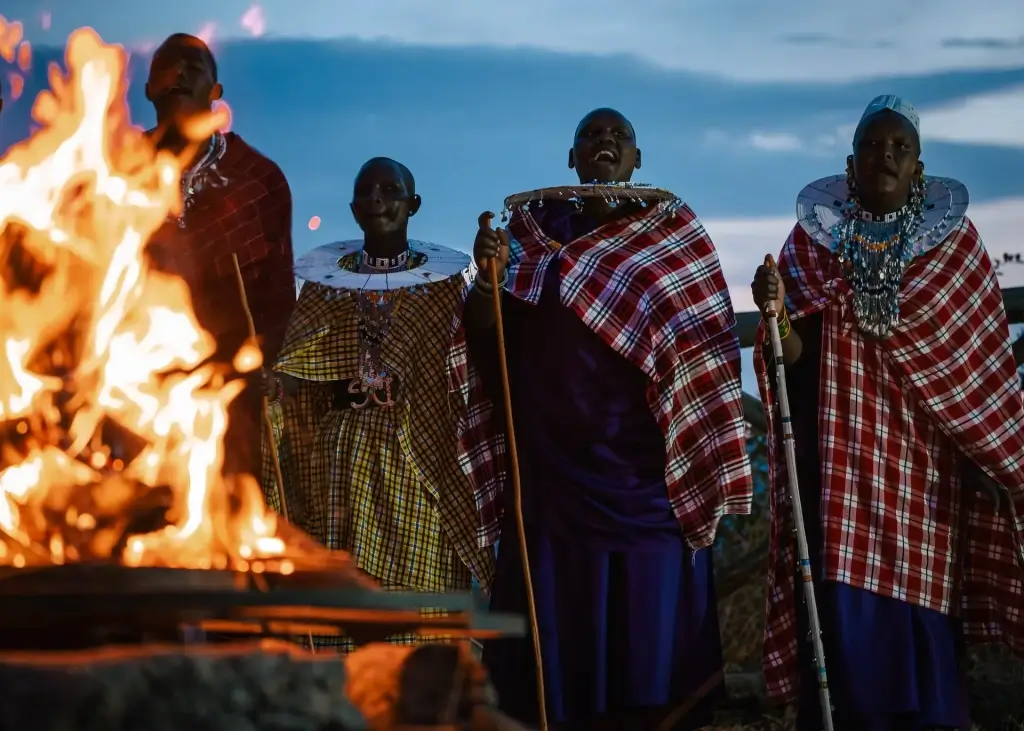
The Maasai are among the most recognizable cultural groups in East Africa. Known for their pastoral lifestyle and deep connection to cattle, the Maasai have lived alongside wildlife for generations. Visiting a Maasai community offers insight into traditional housing, social structure, and the role of livestock in daily life.
When integrated thoughtfully, these visits help travelers understand how conservation areas like Ngorongoro support both wildlife and human livelihoods.
Hadzabe Hunter-Gatherer Experiences
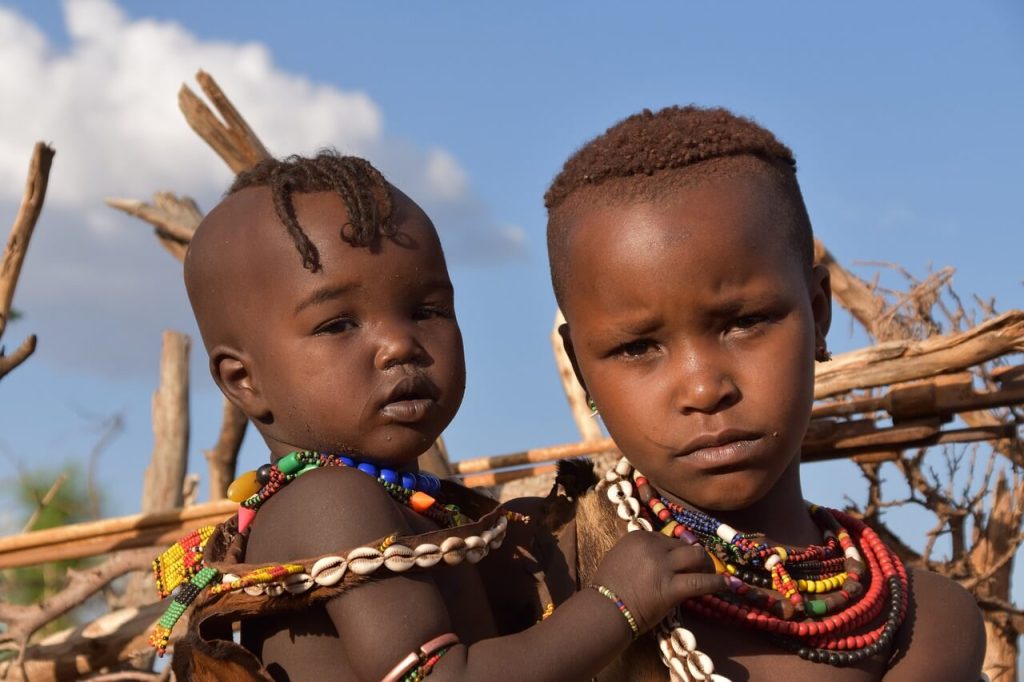
The Hadzabe people represent one of Africa’s last remaining hunter-gatherer societies. Their way of life, centered on hunting and gathering wild foods, offers a window into early human survival strategies.
A guided visit near Lake Eyasi may include walking with Hadzabe hunters or learning about edible plants. These encounters emphasize observation and respect rather than performance, aligning well with responsible safari values.
Datoga Pastoral and Craft Traditions
The Datoga are skilled pastoralists and metalworkers who live near Lake Eyasi. Cultural visits highlight traditional blacksmithing techniques, daily routines, and social customs. These experiences provide contrast to both Maasai pastoralism and Hadzabe hunter-gatherer life.
Balancing Cultural Visits and Game Drives
One of the key challenges in combining cultural experiences with wildlife safaris is pacing. Game drives require early mornings and focused attention, while cultural visits benefit from unhurried interaction.
Astro Safaris recommends integrating cultural experiences as half-day activities or as transitions between safari destinations. This approach avoids fatigue and allows travelers to engage meaningfully without rushing.
Timing Cultural Experiences for Maximum Impact
Cultural visits can be enjoyed year-round, but seasonal considerations still matter. During the dry season, road access is easier, and wildlife viewing is more concentrated. The green season offers lush landscapes and quieter travel conditions, which can make cultural interactions feel more personal.
Aligning cultural visits with lighter safari days ensures that travelers remain engaged and receptive rather than overwhelmed.
Responsible Cultural Tourism in Tanzania
Responsible tourism is essential when visiting local communities. Cultural experiences should be based on consent, respect, and fair benefit-sharing. Visitors are encouraged to ask before taking photographs, dress modestly, and approach interactions with humility.
Astro Safaris works with local guides and community leaders to ensure cultural visits are ethical, informative, and mutually beneficial.
Practical Tips for Combining Culture and Safari
Allow flexibility in your itinerary to accommodate cultural visits without pressure. Choose operators who prioritize education over entertainment. Be open to learning rather than expecting structured performances.
Understanding that cultural experiences are about exchange, not spectacle, leads to more meaningful travel.
Why Combining Culture and Wildlife Creates Deeper Travel
Travel that includes both wildlife and cultural experiences offers a more complete understanding of Tanzania. Animals, landscapes, and people are interconnected, and recognizing this relationship enhances appreciation for conservation and tradition alike.
For many travelers, cultural encounters become as memorable as wildlife sightings, leaving lasting impressions long after the safari ends.
A More Complete Tanzania Safari Experience
Combining cultural experiences with wildlife safaris in Tanzania transforms travel into understanding. By exploring both natural ecosystems and human traditions, travelers gain insight into how landscapes are shaped by centuries of coexistence.
Astro Safaris believes that the most rewarding journeys connect people, wildlife, and place. With careful planning and local expertise, cultural encounters and safari adventures come together naturally, creating experiences that are both enriching and respectful.
Frequently Asked Questions About What Makes the Hadzabe One of Africa’s Last Hunter-Gatherer Societies
Yes, many Hadzabe still rely primarily on hunting and gathering for daily survival.
They live mainly around Lake Eyasi in northern Tanzania.
Yes, when visits are conducted responsibly and with community consent.
No, they traditionally do not practice agriculture or pastoralism.
They speak Hadzane, a unique click-based language.
Short educational walks may be possible, but hunting remains a personal and cultural practice.
Astro Safaris works with local guides and community leaders to ensure ethical, respectful interactions.
RELATED BLOGS
Exploring Africa’s Iconic Experience in Tanzania
Explore Astro
Our Dream Vacation
Day Trips (Short Safari)
Top Experiences