


How Lion, Leopard, and Cheetah Ranges Differ
Big cat safaris are among the most sought-after wildlife experiences in Tanzania, yet many travelers are surprised to learn that lions, leopards, and cheetahs do not share the landscape in the same way. Each species occupies space differently, shaped by hunting style, social structure, competition, and habitat preference. Understanding how lion, leopard, and cheetah ranges differ adds depth to a safari experience and helps set realistic expectations for sightings.
In Tanzania’s open ecosystems, predators are not confined by park boundaries but by ecological needs. At Astro Safaris, guides interpret these patterns daily, using knowledge of big cat territories to position guests where encounters are most likely and most meaningful.
Understanding Predator Ranges on Safari
A predator’s range refers to the area it regularly uses for hunting, resting, breeding, and territorial defense. These ranges vary widely between species and even between individuals of the same species. Factors such as prey availability, competition, terrain, and seasonal change all influence how large or small a range becomes.
In Tanzania safari landscapes like the Serengeti, Ngorongoro, and Tarangire, predator ranges overlap, but not evenly. Each big cat has evolved a unique strategy for survival, and those strategies determine where and how they live.
Lion Ranges: Power, Pride, and Territory
Social Structure and Territory Size
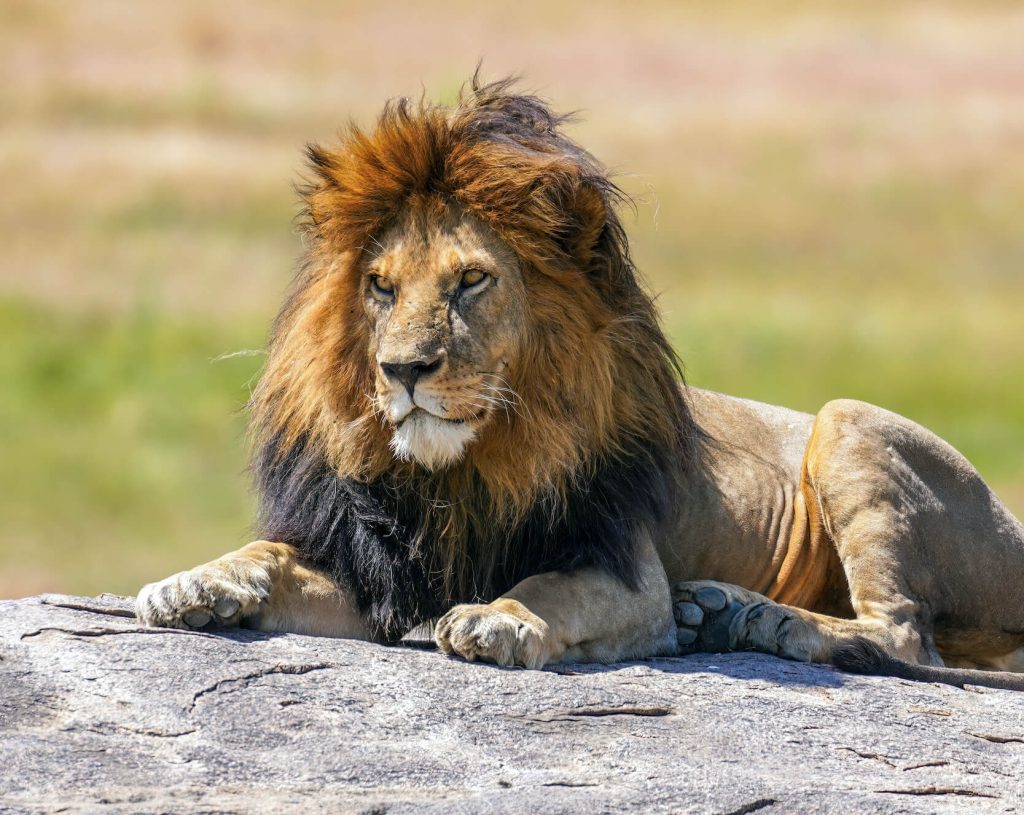
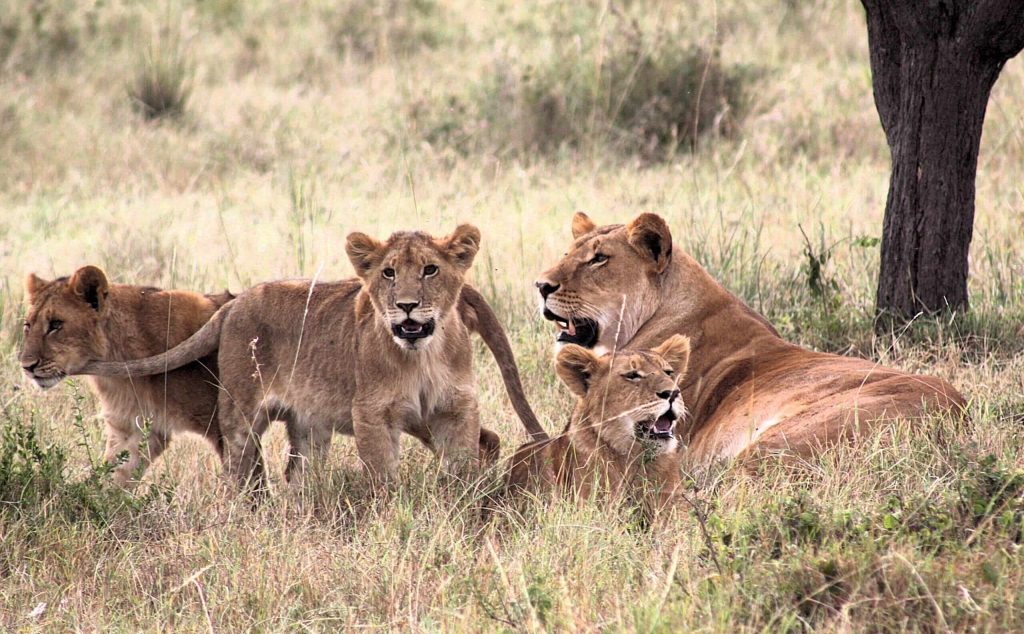
Lions are the most social of all big cats, living in prides that consist of related females, their cubs, and a coalition of males. Because multiple individuals depend on the same territory, lion ranges are often larger and more clearly defined than those of other predators.
A single pride’s territory can span tens to hundreds of square kilometers, depending on prey density and competition. In areas with abundant herbivores, such as central Serengeti, lion territories tend to be smaller because food is readily available. In more marginal habitats, prides must control larger areas to meet their needs.
Habitat Preference
Lions favor open and semi-open landscapes where teamwork enhances hunting success. Grasslands, plains, and lightly wooded savannahs dominate their preferred range. These environments allow lions to ambush prey while maintaining visibility for group coordination.
In Tanzania, lions are commonly found in Serengeti National Park, Ngorongoro Crater, and Tarangire National Park, where prey density supports stable prides.
Seasonal Shifts in Lion Ranges
While lions are territorial year-round, their movement within a territory can shift seasonally. During the dry season, prides often focus on river systems and permanent water sources where prey congregates. In the green season, they may range more widely as herbivores disperse.
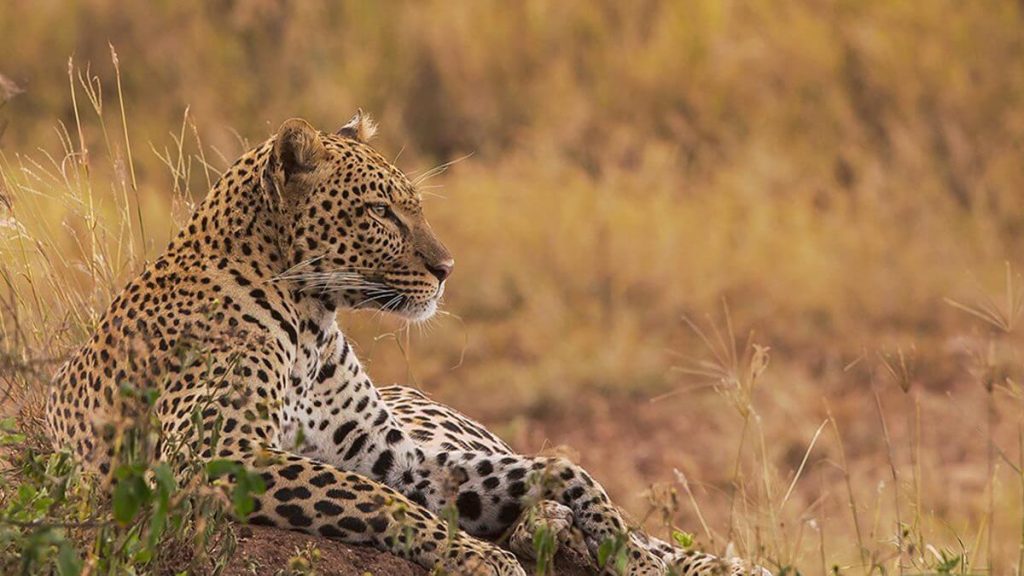
Leopard Ranges: Solitary and Secretive
Solitary Lifestyle and Flexible Territories
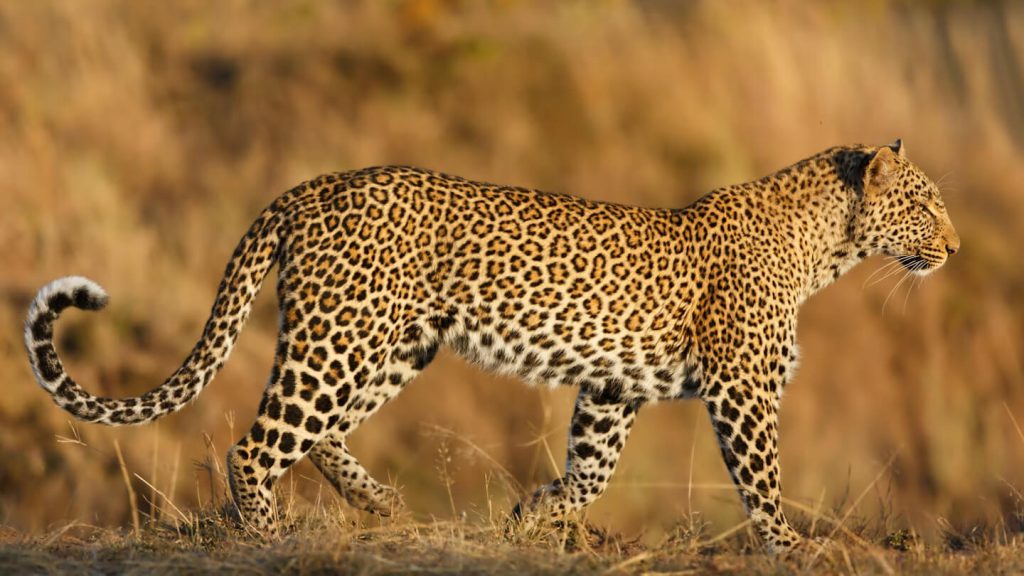
Leopards are solitary predators, and their ranges are shaped by stealth rather than dominance. Unlike lions, leopards do not defend large territories through constant confrontation. Instead, they establish overlapping home ranges that vary between males and females.
Male leopard ranges are generally larger and may overlap with several female territories. Females maintain smaller, more defined ranges centered around secure denning areas. This flexibility allows leopards to adapt to a wide range of environments.
Habitat Diversity
Leopards are the most adaptable of the big cats, occupying forests, riverine woodlands, rocky outcrops, and even mountainous terrain. In Tanzania, they are frequently associated with river systems, kopjes, and dense vegetation that provides cover.
Their ability to drag kills into trees allows them to live alongside lions and hyenas while reducing competition. This behavior strongly influences where leopards choose to establish their ranges.
Visibility and Range Perception on Safari
Leopard ranges may overlap heavily with other predators, but sightings are less frequent due to their elusive nature. Understanding leopard behavior helps manage expectations on safari. Patience and skilled tracking are essential, which is why experienced guiding, such as that provided by Astro Safaris, plays a crucial role in leopard encounters.
Cheetah Ranges: Speed, Space, and Strategy
Large Ranges with Low Competition
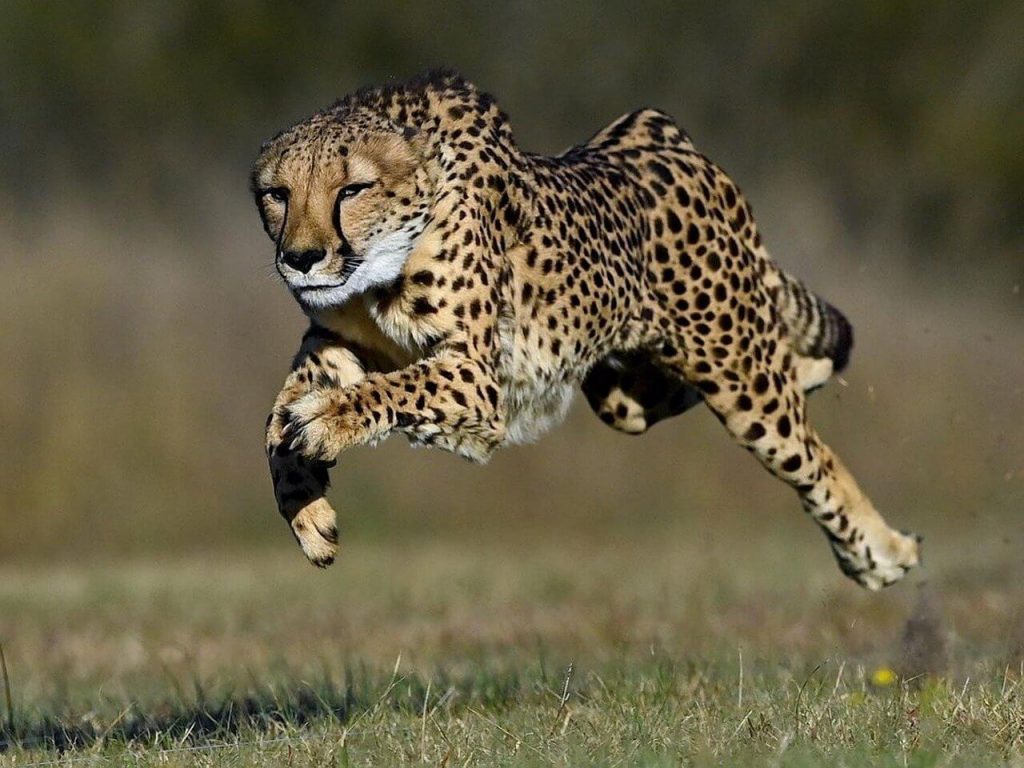
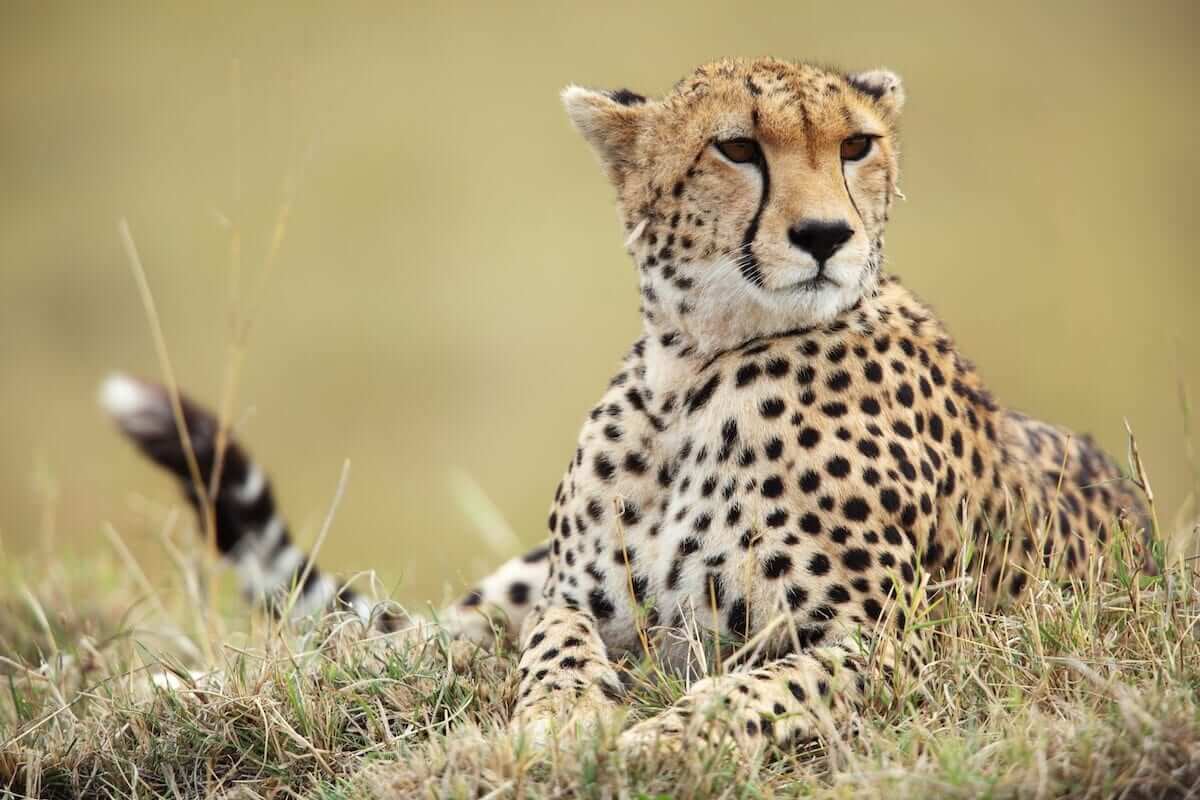
Cheetahs require expansive ranges compared to their body size. As the fastest land mammals, they rely on open terrain for hunting, but they are vulnerable to competition from stronger predators. As a result, cheetahs avoid areas heavily dominated by lions and hyenas.
Male cheetahs may form small coalitions and control specific territories, particularly around key landmarks. Females, however, are largely nomadic, moving across vast areas in search of prey and safe spaces to raise cubs.
Habitat Preference
Cheetahs favor wide, open plains where visibility supports high-speed chases. Short grasslands are ideal, allowing them to spot prey from a distance. In Tanzania, cheetahs are most commonly seen in the Serengeti plains and parts of Ngorongoro Conservation Area.
Seasonal Influence on Cheetah Movement
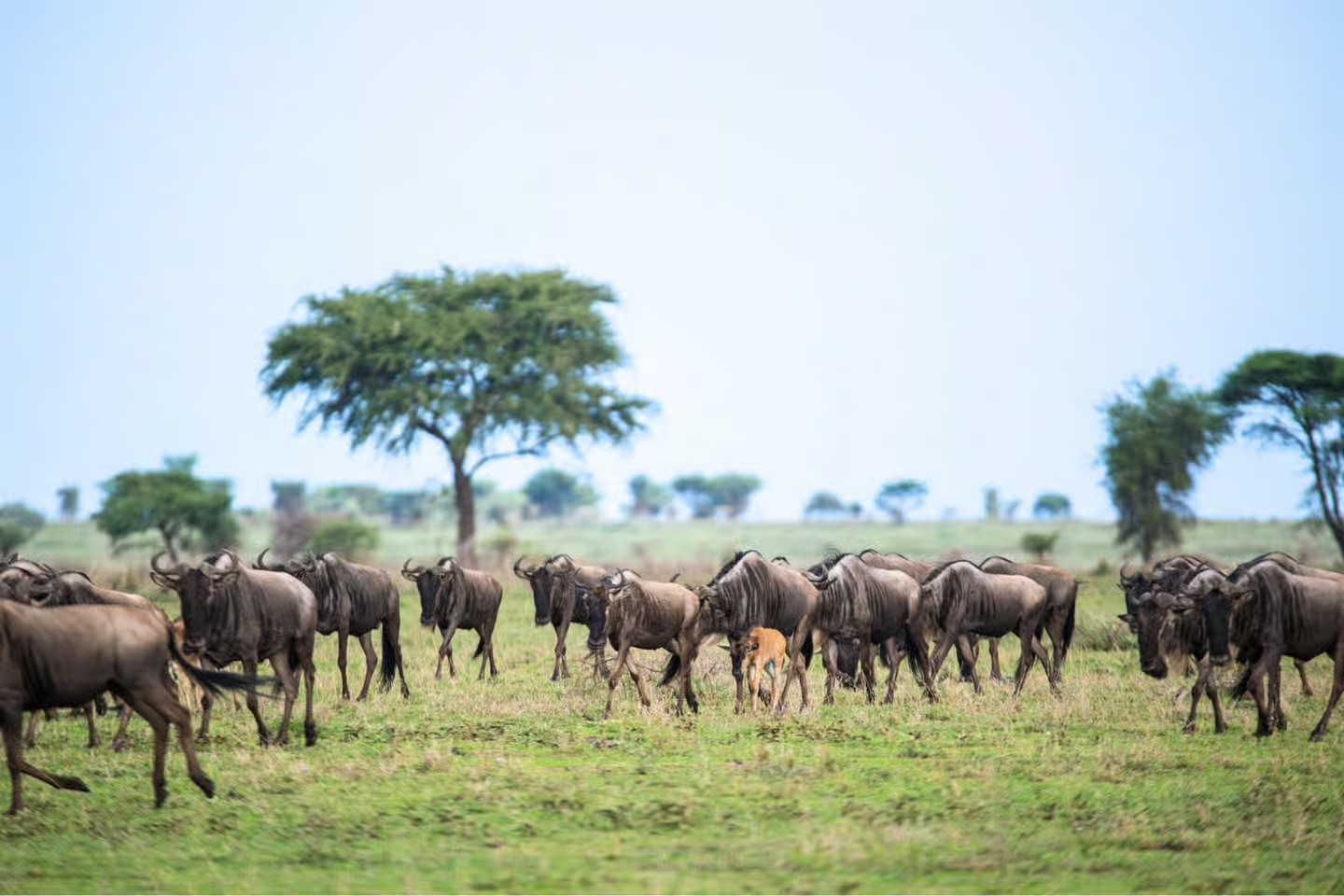
Cheetah movement closely follows prey species such as gazelles. During certain seasons, cheetahs may travel long distances to remain within suitable hunting zones. This mobility makes their ranges dynamic rather than fixed.
Comparing Lion, Leopard, and Cheetah Ranges
The differences between lion, leopard, and cheetah ranges can be summarized through their survival strategies. Lions dominate through strength and cooperation, leopards survive through stealth and adaptability, and cheetahs succeed through speed and space.
These strategies determine where each species thrives and how often travelers encounter them. On a Tanzania safari, understanding these differences enriches each sighting by providing context rather than viewing animals as isolated encounters.
How Big Cat Ranges Affect Safari Sightings
Big cat sightings are not purely a matter of luck. They depend on timing, location, and understanding predator behavior. Lions are the most predictable due to their territorial nature and social structure. Leopards require patience and local knowledge. Cheetahs demand wide exploration and an understanding of seasonal prey movement.
Astro Safaris designs big cat safaris by aligning travel routes with known predator ranges, seasonal patterns, and daily activity cycles, increasing both sighting quality and educational value.
Best Parks to Observe Range Differences
Certain parks highlight these differences more clearly than others. Serengeti National Park offers all three species across varied habitats, making it ideal for comparative observation. Ngorongoro Crater provides concentrated lion populations and occasional cheetah sightings, while leopards remain more elusive along forested crater walls.
Tarangire National Park favors lions and leopards due to woodland cover, while cheetahs are less common because of limited open plains.
Seeing Big Cats With Understanding
Seeing a lion, leopard, or cheetah on safari is unforgettable, but understanding why each species is where it is transforms the experience. Their ranges tell stories of survival, competition, and adaptation written across Tanzania’s landscapes.
Astro Safaris believes that the best safaris are guided by knowledge as much as by excitement. By aligning travel plans with natural predator behavior, guests gain insight as well as inspiration. If you’re planning a big cat safari in Tanzania, Astro Safaris is ready to guide you through the landscapes where these predators truly belong.
Our Clients Reviews on Tripadvisor
Our Clients Reviews on Google
Frequently Asked Questions About How Lion, Leopard, and Cheetah Ranges Differ
Do lions, leopards, and cheetahs live in the same areas?
Yes, their ranges can overlap, but they use space differently to reduce competition.
Which big cat has the largest range?
Cheetahs often cover the largest areas due to their need for open hunting space and avoidance of stronger predators.
Why are leopards harder to see on safari?
Leopards are solitary, nocturnal, and prefer dense cover, making sightings less predictable.
Are lion territories fixed?
Lion territories are stable but can shift slightly with changes in prey availability and pride dynamics.
Do cheetahs migrate like wildebeest?
Cheetahs do not migrate but move seasonally in response to prey movement and competition.
Which season is best for big cat viewing?
The dry season generally offers better visibility, but the green season provides intense predator-prey interaction.
How does Astro Safaris improve big cat sightings?
Astro Safaris uses local knowledge, seasonal data, and experienced guides to plan routes around known predator ranges.
RELATED BLOGS
Exploring Africa’s Iconic Experience in Tanzania


