

Based on Tripadvisor reviews

Based on Tripadvisor reviews
Based on Tripadvisor reviews
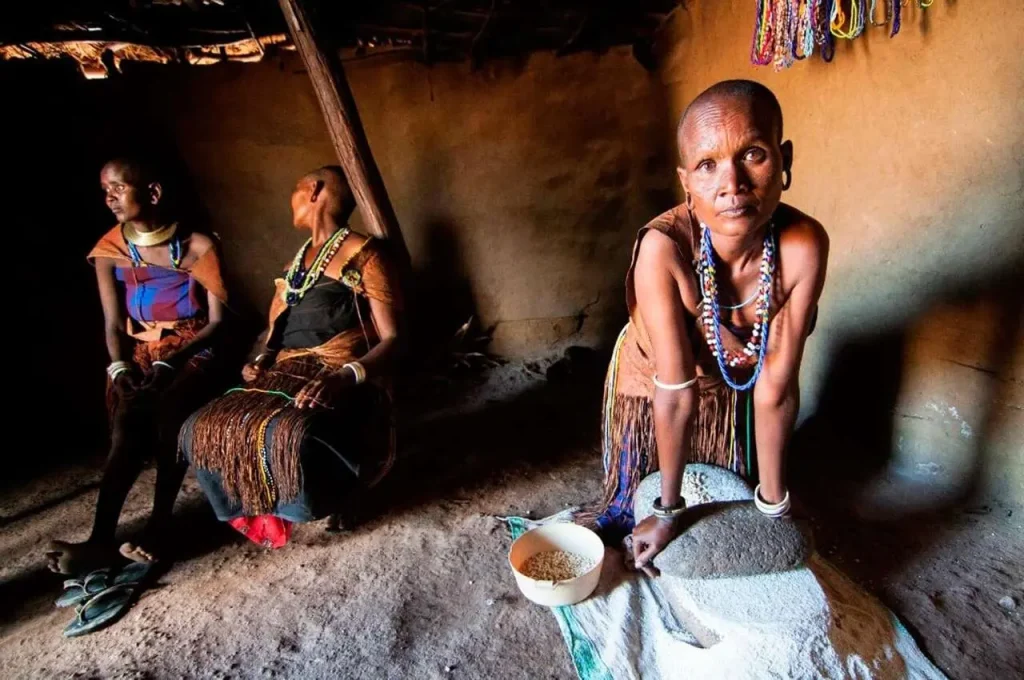
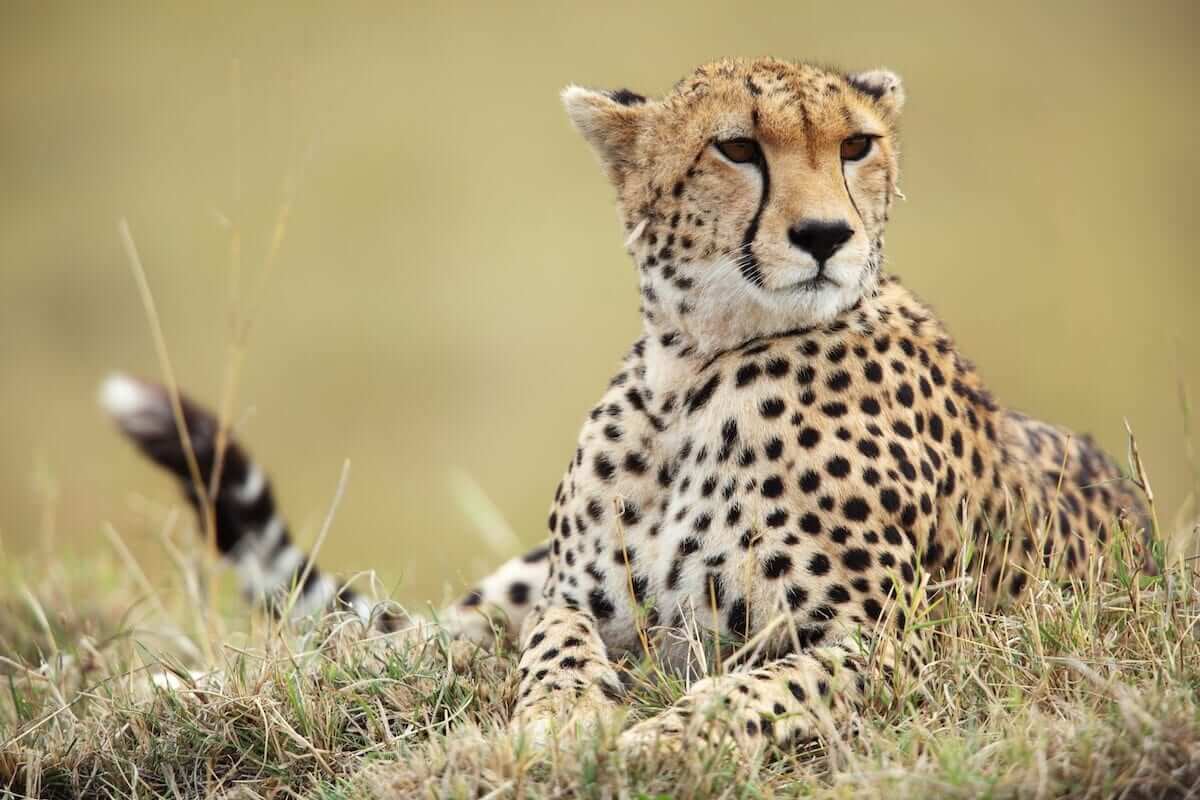
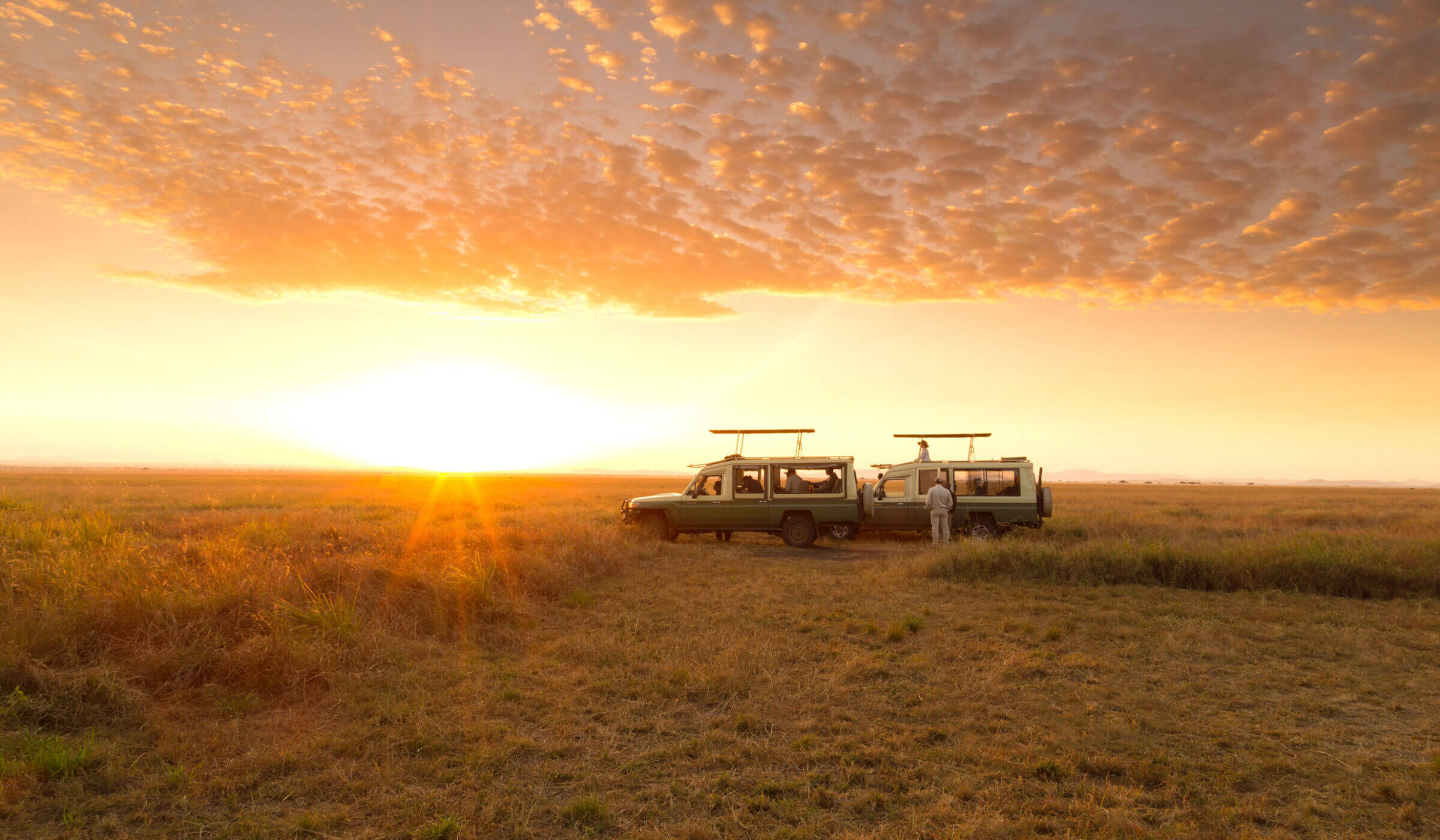
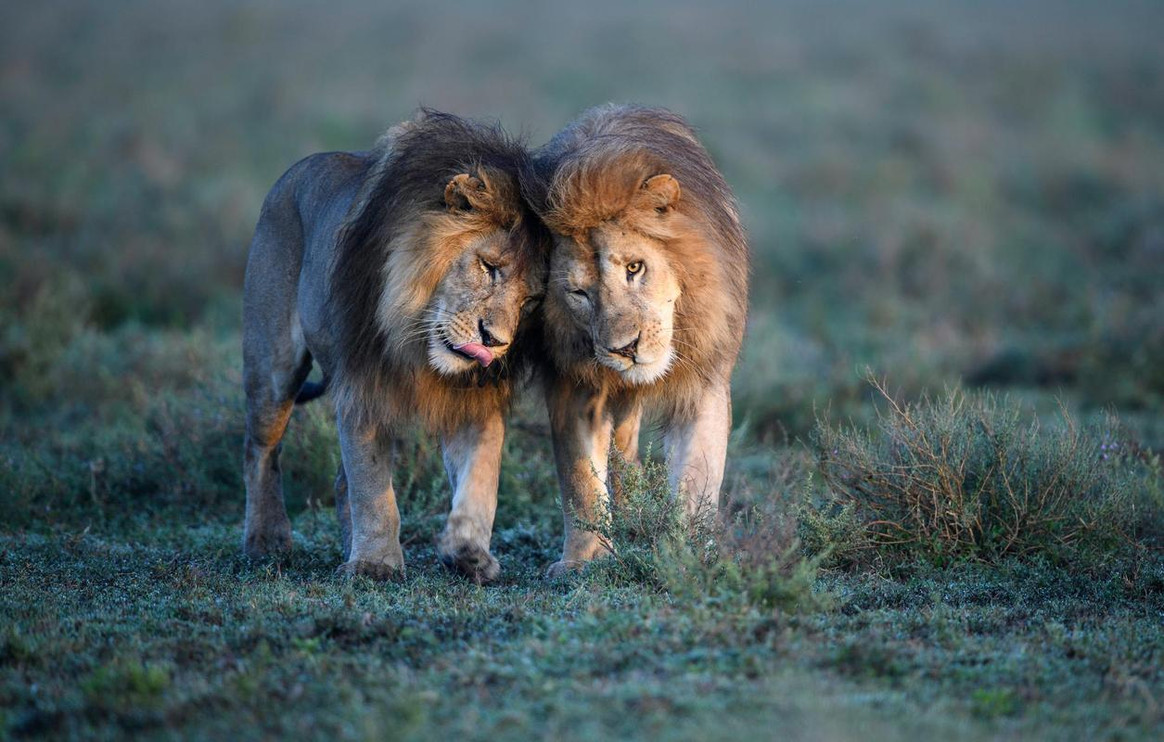



Tanzania is not only a land of extraordinary wildlife and dramatic landscapes, but also home to some of Africa’s most fascinating and diverse cultures. Beyond the game drives and mountain trails lies a deeply human experience shaped by ancient traditions, languages, and ways of life that have endured for centuries. Cultural tours in Tanzania offer travelers the opportunity to connect with local communities, understand their traditions, and experience the country from a more meaningful and personal perspective.
For travelers seeking depth and authenticity, cultural experiences provide a powerful complement to safaris and trekking adventures. This guide explores Tanzania’s most renowned tribal communities the Maasai, Hadzabe, and Datoga and explains what to expect when visiting them. Drawing on local knowledge and responsible tourism principles, Astro Safaris shares how cultural tours can enrich your journey through Tanzania.
Why Choose Cultural Tours in Tanzania?
Cultural tours allow travelers to step beyond sightseeing and engage directly with local communities. Rather than observing from a distance, visitors learn through conversation, shared activities, and storytelling. These experiences offer insight into how people live, adapt to their environment, and preserve traditions in a rapidly changing world.
In Tanzania, cultural tourism also plays an important role in community development. When done responsibly, visits support education, healthcare, and conservation initiatives while empowering communities to protect their cultural heritage. Astro Safaris works closely with local leaders to ensure cultural tours are respectful, ethical, and mutually beneficial.
The Maasai People: Guardians of Tradition
The Maasai are one of the most well-known ethnic groups in East Africa, recognized for their distinctive dress, strong warrior traditions, and deep connection to cattle. Living mainly in northern Tanzania and southern Kenya, the Maasai have maintained their semi-nomadic pastoral lifestyle despite modern pressures.
Maasai Culture and Daily Life
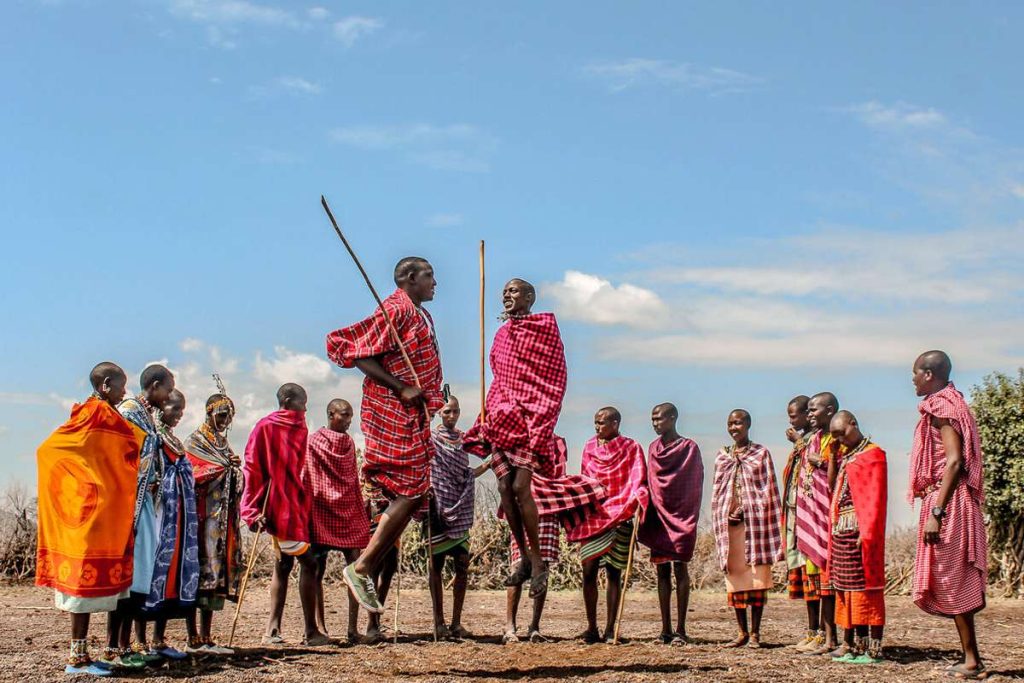
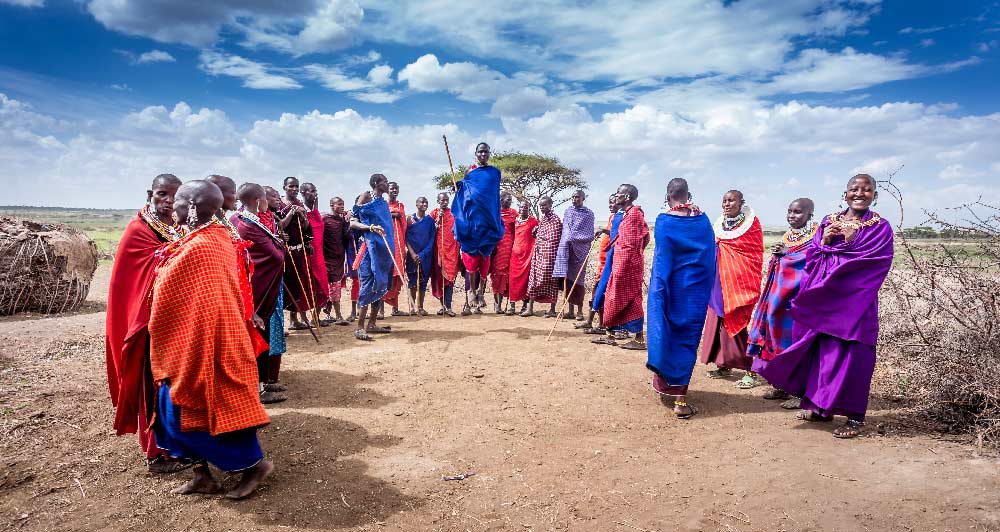
Maasai society is built around age sets, family bonds, and livestock ownership. Cattle are central to Maasai identity, representing wealth, status, and spiritual value. During cultural tours, visitors may learn about traditional homesteads known as bomas, observe daily routines, and hear stories passed down through generations. Traditional dances, songs, and ceremonies play an important role in Maasai life. These performances are not simply entertainment but expressions of history, strength, and community unity.
Visiting a Maasai Village
A visit to a Maasai village offers insight into traditional housing, beadwork, clothing, and social structures. Guests often have the chance to interact with elders and women artisans, gaining a deeper understanding of how Maasai culture continues to adapt while preserving its identity. When organized responsibly by Astro Safaris, these visits are respectful and educational rather than staged or intrusive.
The Hadzabe Tribe: One of Africa’s Last Hunter-Gatherers
The Hadzabe people live around Lake Eyasi in northern Tanzania and are considered one of the last remaining hunter-gatherer communities in Africa. Their way of life has changed little over thousands of years, making Hadzabe cultural tours a rare and powerful experience.
Hadzabe Lifestyle and Survival Skills
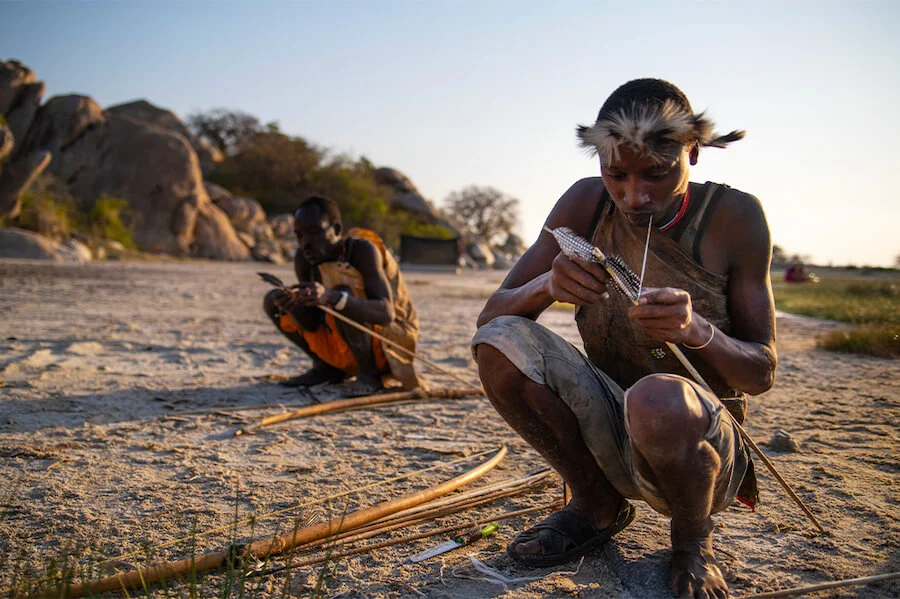
The Hadzabe rely on hunting wild animals and gathering fruits, roots, and honey for survival. Using handmade bows and arrows, they demonstrate exceptional tracking and hunting skills. Their language is unique, featuring click sounds that reflect a long and isolated cultural history.
During a cultural visit, travelers may join Hadzabe hunters on a short walk to learn about tracking techniques, edible plants, and traditional fire-making methods. These experiences offer a glimpse into humanity’s earliest ways of living.
Respectful Interaction With the Hadzabe
Because of their vulnerability and small population, respectful tourism is essential when visiting the Hadzabe. Astro Safaris ensures that visits are conducted with consent, cultural sensitivity, and fair benefits for the community, allowing travelers to learn while preserving the tribe’s dignity and independence.
The Datoga Tribe: Skilled Pastoralists and Blacksmiths
The Datoga people live mainly in the areas surrounding Lake Eyasi and the Manyara region. Known for their resilience and craftsmanship, the Datoga are traditionally pastoralists and skilled blacksmiths who produce tools and jewelry using age-old techniques.
Datoga Traditions and Craftsmanship
Datoga blacksmiths shape metal using simple tools and fire, creating knives, arrowheads, and ornaments. Visiting a Datoga homestead offers insight into their daily life, social organization, and strong connection to cattle. Women often wear distinctive leather garments and metal jewelry that reflect cultural identity and status.
Cultural Exchange With the Datoga
Cultural tours with the Datoga emphasize observation, conversation, and mutual respect. These encounters allow travelers to understand the challenges and strengths of a community maintaining its traditions in a modern world.
Best Places to Experience Cultural Tours in Tanzania
Northern Tanzania is the primary region for cultural tourism, especially around Ngorongoro, Lake Eyasi, and the Manyara area. These locations are easily combined with classic safari routes, allowing travelers to balance wildlife viewing with cultural experiences. Cultural tours are often included as half-day or full-day activities, making them flexible additions to safari itineraries designed by Astro Safaris.
Best Time to Visit Tanzania for Cultural Tours
Cultural tours in Tanzania can be enjoyed year-round, as they are not as dependent on seasonal wildlife movements. However, the dry seasons from June to October and January to March are generally more comfortable for travel and village visits.
Rainy seasons offer lush landscapes and fewer tourists, though access to remote villages may be more challenging. Astro Safaris helps travelers plan visits at suitable times to ensure meaningful interactions.
Responsible Cultural Tourism: What Travelers Should Know
Responsible cultural tourism prioritizes respect, consent, and fair benefit-sharing. Travelers are encouraged to approach visits with openness, ask questions respectfully, and avoid intrusive behavior. Photography should always be requested, and cultural norms should be observed.
Astro Safaris follows ethical guidelines that protect community dignity while offering travelers authentic and educational experiences.
Experience Tanzania’s Living Cultures With Astro Safaris
Cultural tours in Tanzania offer a rare opportunity to connect with living traditions that have shaped the country for generations. Whether learning from Maasai elders, walking with Hadzabe hunters, or observing Datoga craftsmanship, these experiences add depth and meaning to any journey.
Astro Safaris is committed to responsible and authentic cultural tourism that benefits both travelers and local communities. Contact Astro Safaris today and enrich your Tanzania journey with unforgettable cultural experiences.
Frequently Asked Questions About Cultural Tours in Tanzania
When organized responsibly, cultural tours are authentic experiences focused on education and genuine interaction rather than performance.
Photography is usually allowed with permission, but visitors should always ask first and respect community preferences.
Yes, cultural experiences are commonly combined with wildlife safaris and trekking adventures.
Most cultural tours last between two and five hours, depending on location and activities.
Yes, cultural tours can be educational and enriching for families when conducted respectfully.
Responsible tourism supports community development, education, and cultural preservation.
Yes, Astro Safaris offers guided cultural tours with Maasai, Hadzabe, and Datoga communities as part of customized itineraries.
RELATED BLOGS
Exploring Africa’s Iconic Experience in Tanzania
Explore Astro
Our Dream Vacation
Day Trips (Short Safari)
Top Experiences